By Kyle Orton (@KyleWOrton) on 22 June 2025
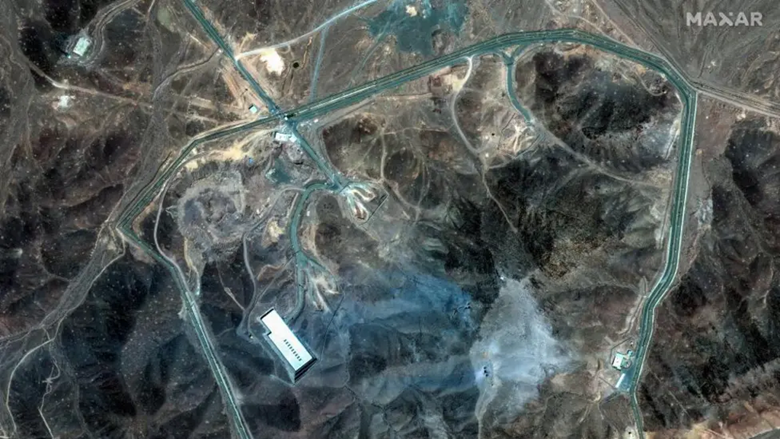
By Kyle Orton (@KyleWOrton) on 3 May 2021
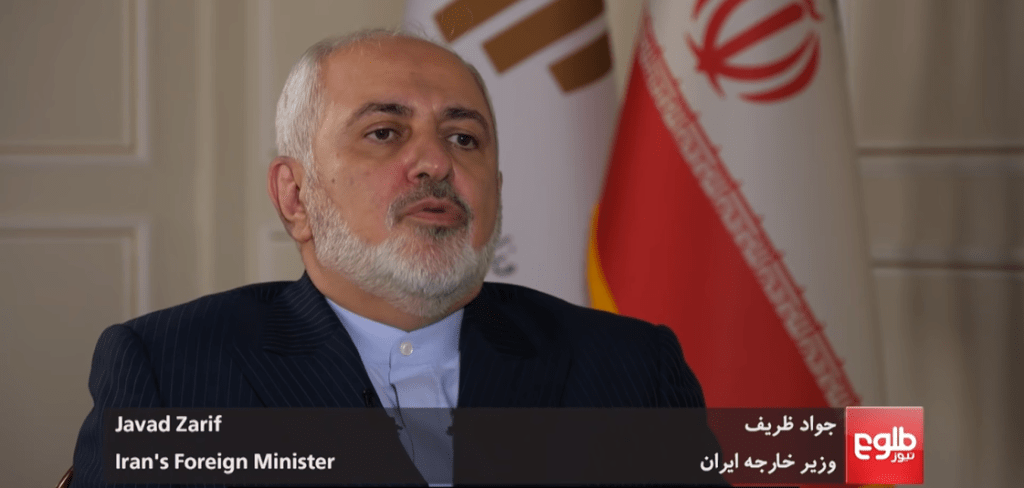
Iranian Foreign Minister Muhammad Javad Zarif, December 2020, during an interview with Lotfullah Najafizada of TOLO News
Iran’s Foreign Minister, Muhammad Javad Zarif, took part in an oral history project intended for internal use by the clerical dictatorship in February and on 25 April the audio was leaked—so goes the story. There is every reason to think this is a controlled leak, which is to say an information operation or a piece of strategic messaging—more pejoratively, propaganda or disinformation: choose the terminology as you will—intended to assist the Iranian theocracy as it works through its negotiations on the nuclear file with the new American administration of President Joe Biden. Still, there are some insights from this episode, as with an interview Zarif gave—focused on Afghanistan—in December. Continue reading
By Kyle Orton (@KyleWOrton) on 19 November 2019

President Barack Obama meeting President-elect Donald Trump, 10 November 2016 [image source]
This article was originally published at The Brief
By Kyle Orton (@KyleWOrton) on 26 October 2018
At the beginning of September, New America published a paper, based on recovered al-Qaeda documents, which concluded that there was “no evidence of cooperation” between the terrorist group and the Islamic Republic of Iran. New America’s study lauds itself for taking an approach that “avoids much of the challenge of politicization” in the discussion of Iran’s relationship with al-Qaeda. This is, to put it mildly, questionable.
A narrative gained currency in certain parts of the foreign policy community during the days of the Iraq war, and gained traction since the rise of the Islamic State (IS) in 2014, that Iran can be a partner in the region, at least against (Sunni) terrorism, since Tehran shares this goal with the West. Under President Barack Obama, this notion became policy: the US moved to bring Iran’s revolutionary government in from the cold, to integrate it into the international system. Continue reading
Originally published at The Henry Jackson Society
By Kyle Orton (@KyleWOrton) on October 26, 2016

Maj. Gen. Qassem Suleimani, with Supreme Leader Ali Khamenei at a mosque in Tehran, Iran, (March 2015)
Earlier this week, The New York Times reported on the “free fall” of President Barack Obama’s Middle East policy. While the President had “inherited a messy situation in the region with the war in Iraq … by the time he took office, [President George W.] Bush’s troop surge and Gen. David H. Petraeus’s strategy change had helped turn the war around”. This relative stability has given way:
Today there is no single overarching issue but multiple ones. Syria, Iraq and Yemen are caught up in war. Turkey and Jordan are inundated by refugees. Russia has reasserted itself as a major player in the region. Libya is searching for stability after the fall of its longtime dictator. The Kurds are on the march. Egypt is fighting off a terrorist threat at home. And Saudi Arabia and Iran are waging a profound struggle for the future of the region.
Many of America’s allies disagreed with Bush’s focus on Iraq, considering Iran to be the larger threat, but if they had considered Bush too assertive, they find Obama too timorous, stepping back as the situation spins out of control. Continue reading
By Kyle Orton (@KyleWOrton) on January 18, 2016
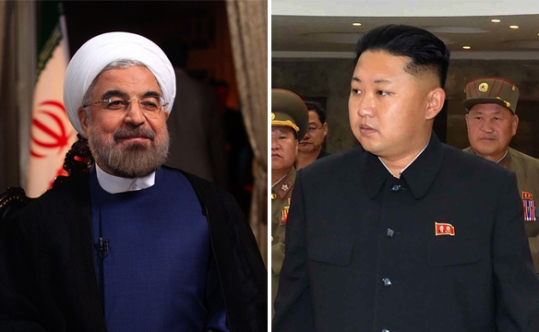
In the last few days, the international sanctions against the Islamic Republic of Iran’s nuclear program were lifted, which will allow Tehran access to $30 billion immediately and more than $100 billion will become available in short order. There are many fears about the uses Iran will put this money to, whether on the nuclear program itself, in aiding Iran’s imperial policy in the region, now proceeding with assistance from Russia, or perhaps exporting terrorism further abroad. An under-examined potential use of this money, highlighted by new sanctions the United States applied to Iran over its ballistic missile program, is to purchase weapons from North Korea. Pyongyang has already conducted what it claims is a hydrogen bomb test this year; fuelled by Iranian money the Hermit Kingdom might yet make more trouble for its neighbours and beyond. Continue reading
By Kyle Orton (@KyleWOrton) on July 17, 2015
Published at The Independent

With all the leaks and the numerous “interim” deals, the nuclear deal—the Joint Comprehensive Plan of Action (JCPOA)—made with Iran on July 14 contained few surprises. The deal makes Iran a threshold nuclear-weapons regime for its duration and smooths the path to an overt nuclear-weapons capacity afterward. In the meantime, it has given Iran extra resources for the export of terrorism. And that’s just if Iran keeps the deal. Continue reading
By Kyle Orton (@KyleWOrton) on July 6, 2015
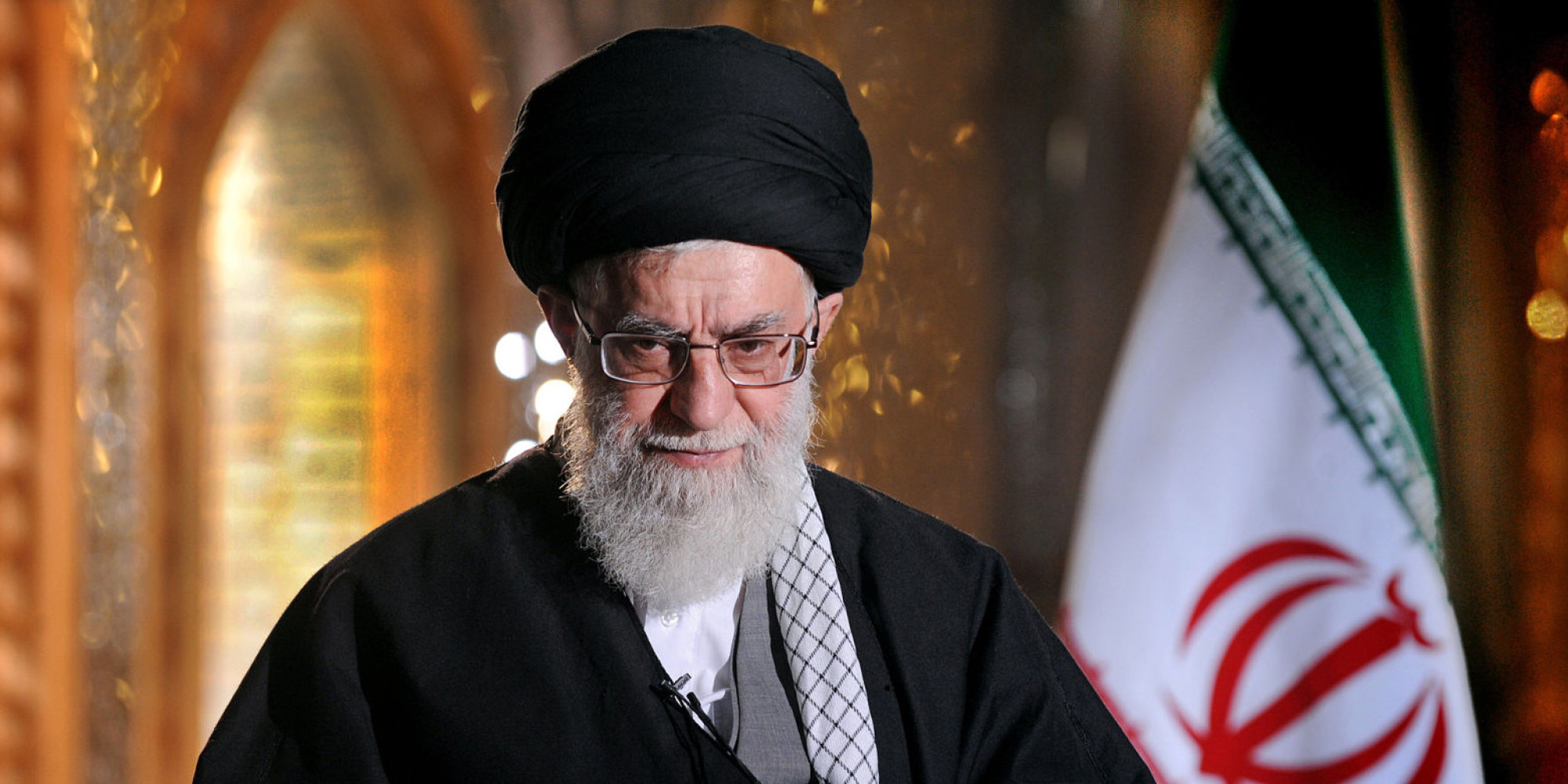
The United States and Iran are seemingly days from signing an agreement on Iran’s nuclear program that has been brought about by a series of American concessions. If the deal is signed on the present terms it will effectively dismantle the sanctions against Iran and the international legal regime that recognizes the Iranian regime as an outlaw, will leave Iran on the threshold of nuclear weapons, and will provide legitimacy for, and billions of dollars toward, Iranian hegemony in the Middle East.
 Kyle Orton's Blog