By Kyle Orton (@KyleWOrton) on 8 May 2026
By Kyle Orton (@KyleWOrton) on 5 April 2022
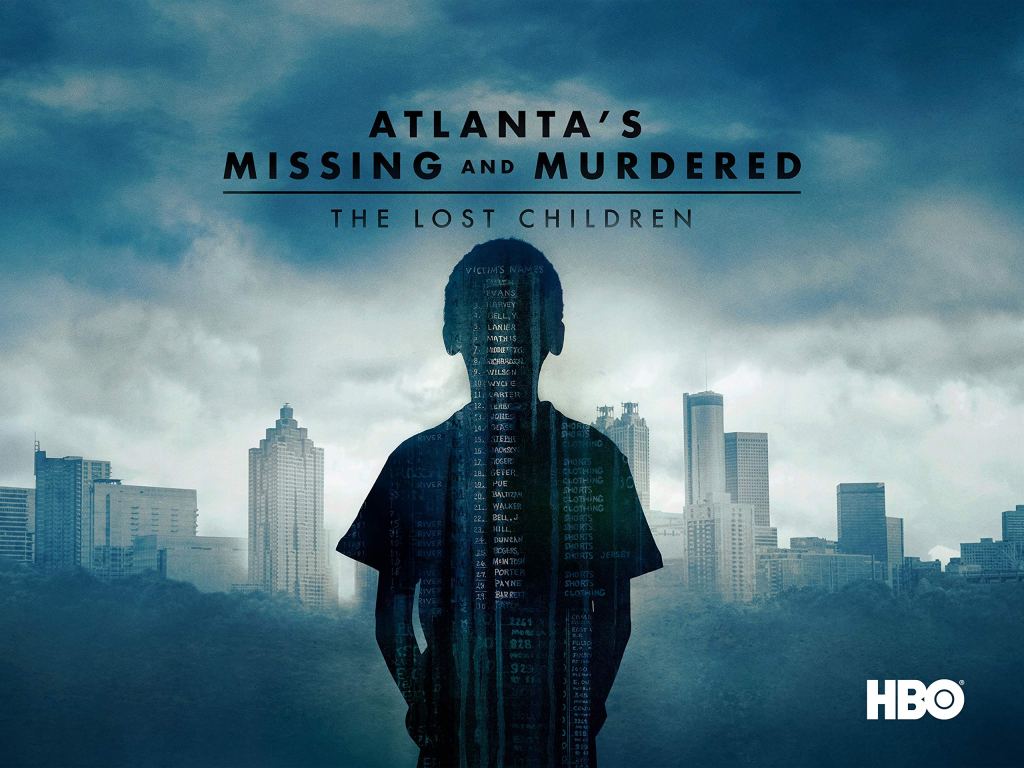
In 2020, HBO produced a miniseries, “Atlanta’s Missing and Murdered: The Lost Children”, about the killing of more than two-dozen black people, most of them male and most of them children, between the summer of 1979 and the summer of 1981, in Atlanta, Georgia. The series has its own themes and slant, which one can take or leave, but it makes a convincing case the legal process that “resolved” the issue was grievously flawed. Continue reading
By Kyle Orton (@KyleWOrton) on 28 July 2020

The Witch (2016) is set in the Plymouth Colony, what is now the U.S. state of Massachusetts, in the 1630s. The focus is on Puritanism and the witch craze, subjects that are not entirely irrelevant at the present time. Continue reading
Film review of The Final Year (2018)
By Kyle Orton (@KyleWOrton) on 31 January 2018

The Final Year, a new documentary film directed by Greg Barker, tracks the closing stages of the administration of President Barack Obama in 2016. Senior officials are followed and interviewed, and the White House is watched as it tries to react to daily events. Much of the substance contained in the film was knowable in real time, but it is very useful to have these officials on record—on video, no less—explaining the assumptions and thought processes they were operating with as they made decisions that led to a series of such intense disasters around the world. This is especially interesting since the ripple effects from these catastrophes ultimately set the conditions for the election of Donald Trump and dismantling of much of the Obama legacy. Continue reading
By Kyle Orton (@KyleWOrton) on November 29, 2016
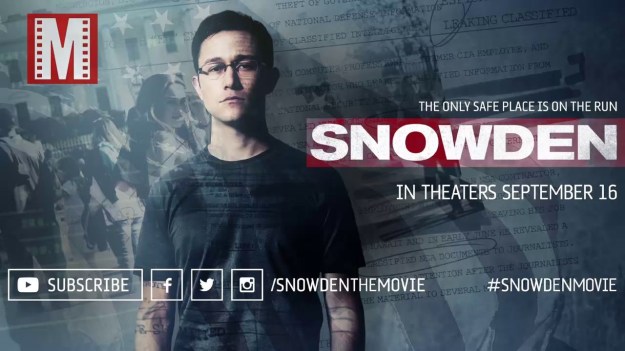
Snowden never, ever recovers from its premise: that Edward Snowden, a super-capable, pure-hearted all-American, found terrible government crimes against the American population while working at the National Security Agency, and was moved to disclose them to the world after being stymied in official channels.
Literally none of that is true. The Snowden revelations found mistakes that were generally cleared up by an efficient and functional bureaucratic oversight mechanism. Snowden did not try to go official channels in the way he described, and the bulk of what Snowden revealed was nothing to do with the privacy of Americans but was related to foreign intelligence, where the legal and practical situation is that everyone hoovers up as much data as they can. The capabilities of the Snowden presented here, personal and professional—to say nothing of Joseph Gordon-Levitt’s Snowden’s motives—would not withstand scrutiny for a single second against the actual historical record. This could be said fairly generally of the whole film. Continue reading
By Kyle Orton (@KyleWOrton) on November 20, 2016

Bethlehem is one of the most compelling films I’ve seen in a long time. There are so few good spy films available that this is a welcome surprise. Unlike Burn After Reading, a genius film, the intention here is not to show things from the agency side, to demonstrate how wildly out of control things can get when you only have half-or-less of the facts. It is also not Charlie Wilson’s War, which shows the feats that intelligence agencies can accomplish when well-directed. Bethlehem is most like Breach, which showed the immense damage an individual spy can do. But instead of showing the effects the act of spying had, with the human characters secondary, Bethlehem tracks specifically the complex relationship that develops between handler and asset. Continue reading