By Kyle Orton (@KyleWOrton) on 23 October 2026
By Kyle Orton (@KyleWOrton) on 21 July 2026
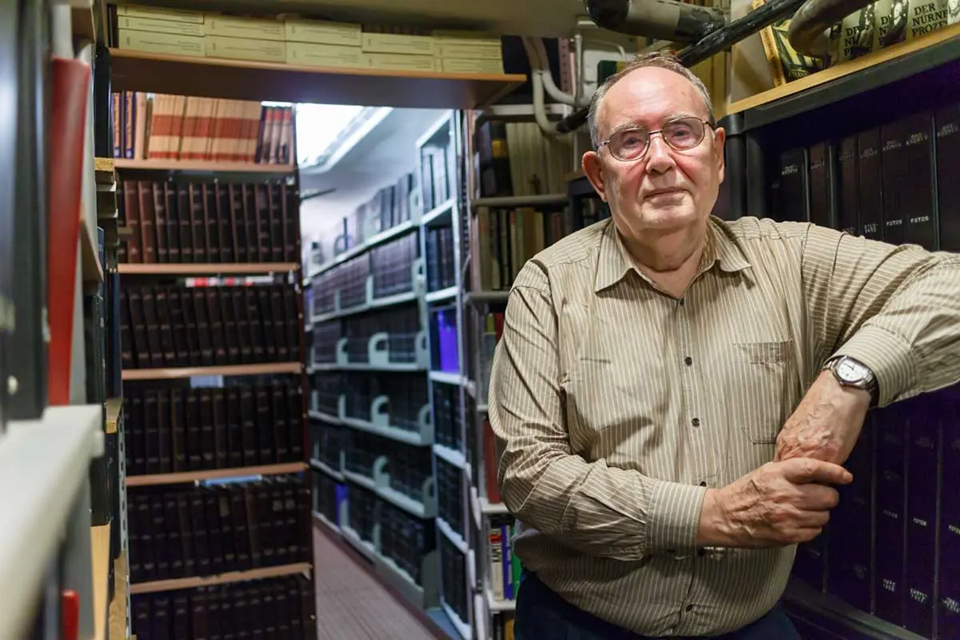
Gerd Heidemann was a prominent West German “investigative journalist” until the 1980s. Like so many who self-describe this way, he was a highly political and deeply strange character.
Continue readingBy Kyle Orton (@KyleWOrton) on 7 April 2026
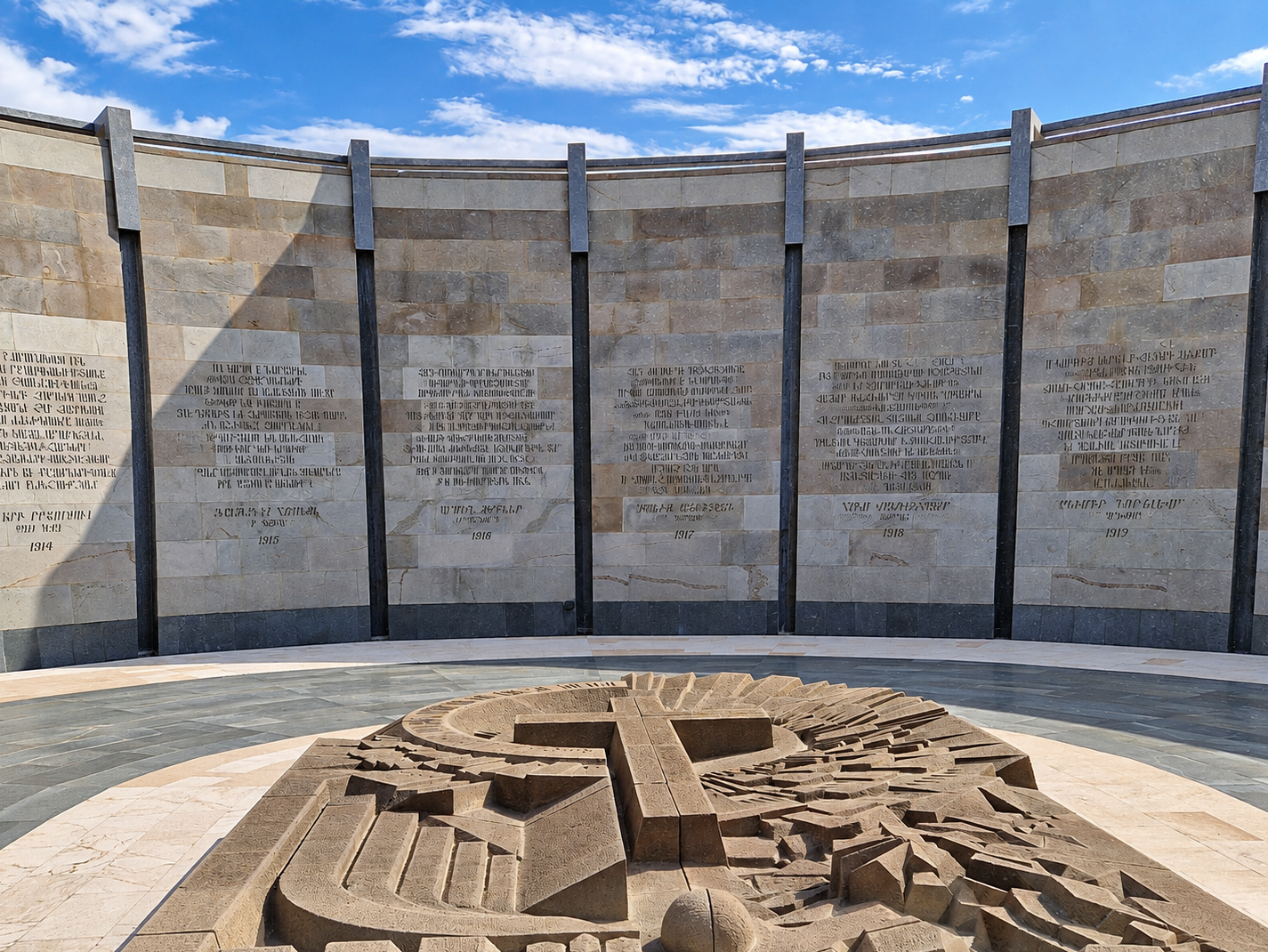
In the early phase of the Soviet Union instrumentalising the Armenian desire for the 1915-16 massacres in the Ottoman Empire to be recognised as genocide, in the 1950s and early 1960s, Moscow allowed histories to be written about 1915, mostly by Armenians. The villains in these books were the Young Turks and the Armenian Dashnak revolutionaries, since both were nationalists, and the former was supposedly supported by British “imperialists”. This was troublesome at a popular level in Soviet Armenia.
This was merely one indication of the tensions inherent to using the Armenian national tragedy for Communist active measures. The whole point was to raise the salience of 1915 in Armenian memory, identity, and political organisation had to be raised: that was how Turkey would be pressured and Ankara’s relations with other NATO States strained. But in creating the space for this, the Soviets were running the risk the Armenians would develop ideas of their own.
Continue readingBy Kyle Orton (@KyleWOrton) on 4 October 2025
By Kyle Orton (@KyleWOrton) on 2 October 2025
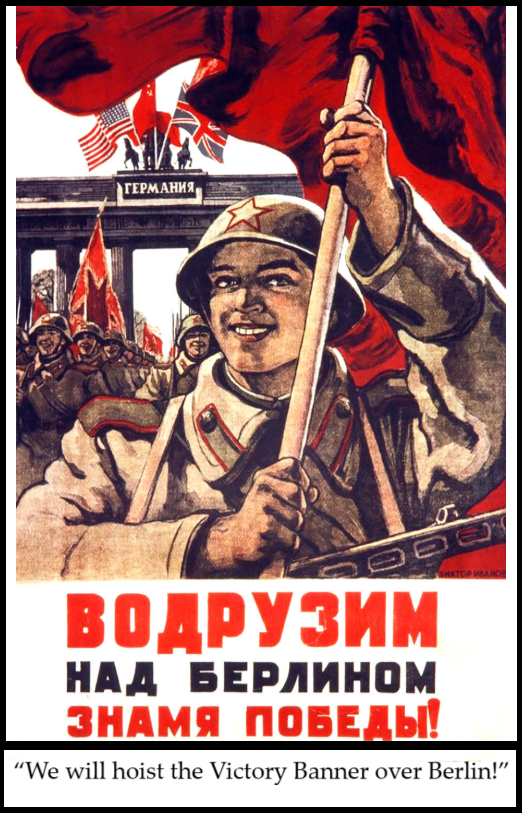
The Fascization of the Enemy Image in Soviet Visual Propaganda at the Beginning of the Cold War Period (1946–1964)
E. A. Fedosov
2017
Bulletin of Tomsk State University [Vestnik Tomskogo Gosudarstvennogo Universiteta]