By Kyle Orton (@KyleWOrton) on 23 October 2026
By Kyle Orton (@KyleWOrton) on 5 October 2026
Gilles Veinstein was a leading historian of the Ottoman Empire, the director of studies at the École des Hautes Études en Sciences Sociales (EHESS) from 1986 and the Holder of the chair of Turkish and Ottoman History at the Collège de France from 1999. He held both posts until his death in 2013. In April 1995, amid the controversy in France over the attempt to prosecute Bernard Lewis for refusing to agree that the 1915-16 Armenian massacres were the same as the Nazi Holocaust of European Jewry, Veinstein wrote an article for L’Histoire, ‘Trois Questions sur un Massacre’, reviewing the evidence for the claim that what happened to the Armenians in the Ottoman Empire during the First World War resulted from a deliberate genocidal plan by the Ottoman government. A translation of the article is given below.
Continue readingBy Kyle Orton (@KyleWOrton) on 3 March 2026
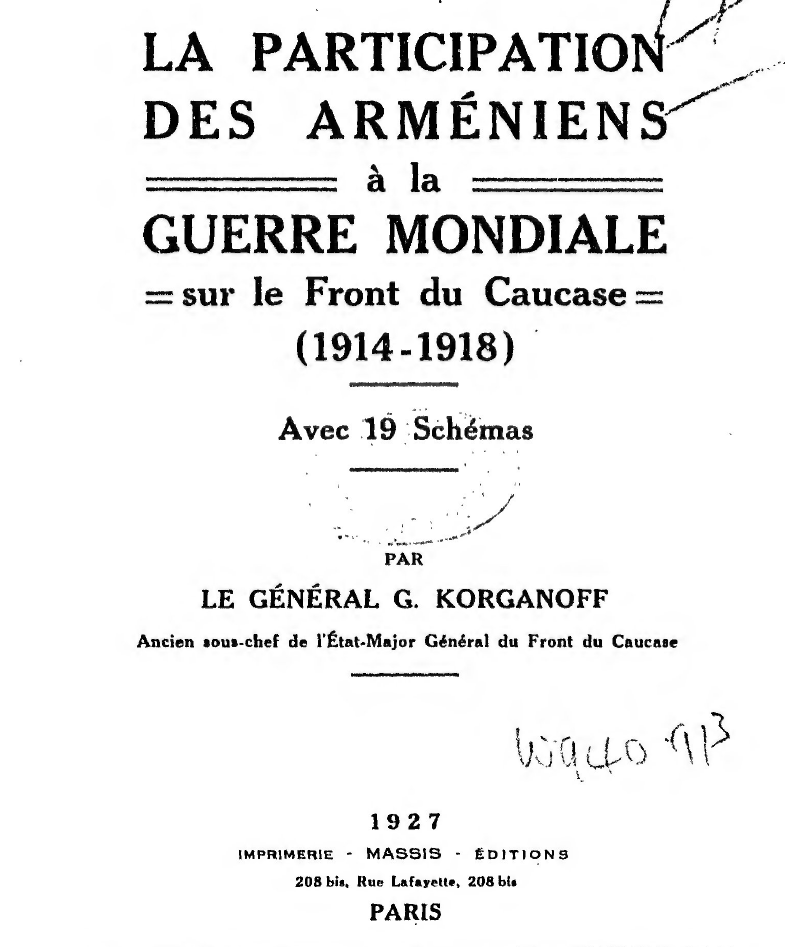
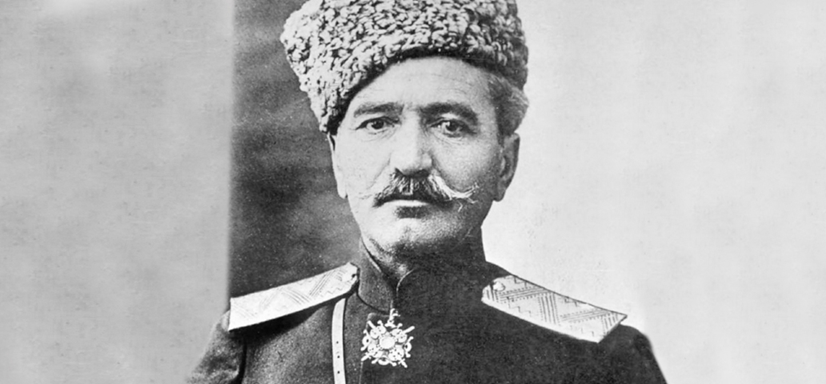
Gavriil Korganov, whose name is sometimes Anglicised as Gabriel Korganov, was born on 3 May 1880 in Tiflis in the Russian Empire, what is now Tbilisi, the capital of the Republic of Georgia. Korganov was from a military family and joined the Tiflis Cadet Corps in 1897. Two years later, Korganov enrolled in the Mikhailovskaya Military Artillery Academy in Saint Petersburg and went on to the General Staff Academy. Korganov would become a General in the Imperial Russian Army, and at some point joined the Freemasons. Korganov was to be a significant player in the First World War.
By Kyle Orton (@KyleWOrton) on 15 December 2021

Tsar Nicholas II and Kaiser Wilhelm II aboard a ship in the Gulf of Finland, 1905
In the early historiography of the Great War, it was accepted that Germany was chiefly responsible, with debates on the margins about the degree of intentionality and premeditation. Of late, however, “It has become fashionable to spread the guilt of the First World War liberally around Europe”, as one prominent historian noted.[1] Some revisionists go even further and try to find another state that is not only equally as culpable as Germany but more so. In this post, I want to, without in any way pretending to be comprehensive, deal with the argument that blames Russia for the 1914-18 War. Continue reading
By Kyle Orton (@KyleWOrton) on June 9, 2015
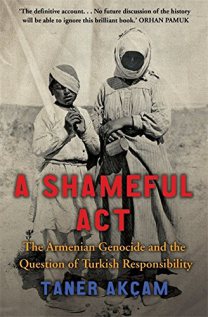
This is the complete review. It has previously been posted in three parts: Part 1 on the question of whether the 1915-16 Armenian massacres constitute genocide; Part 2 on the post-war trials and the Nationalist Movement; and Part 3 gives some conclusions on what went wrong in the Allied efforts to prosecute the war criminals and the implications for the present time, with Turkey’s ongoing denial that genocide took place and the exodus of Christians from the Middle East.
A Question of Genocide
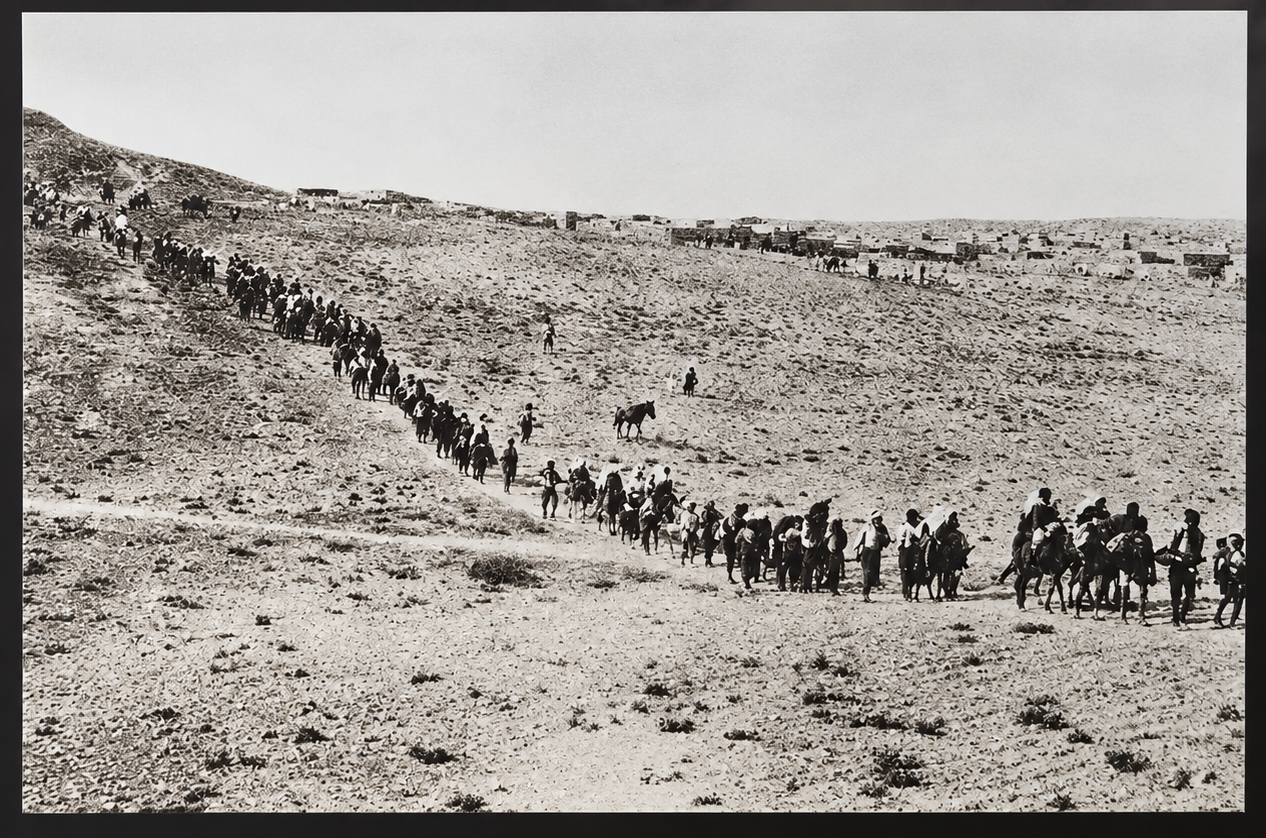
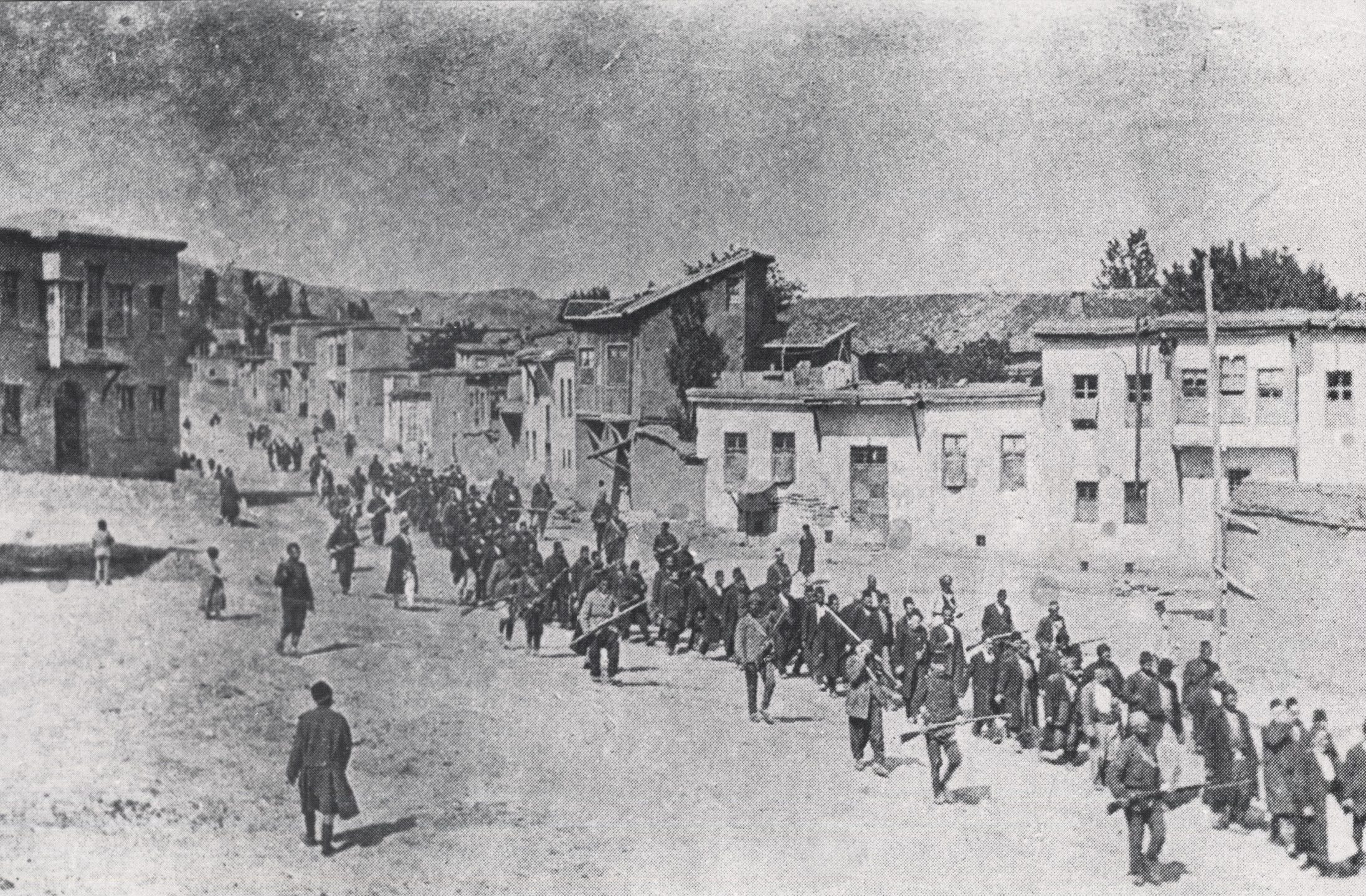
The controversy over the 1915-16 massacres of Armenian Christians in the Ottoman Empire is whether those acts constitute genocide. Those who say they don’t are not the equivalent of Holocaust-deniers in that they do not deny that the massacres happened; what they deny is that the massacres reach the legal definition of genocide. Their case is based on three interlinked arguments:
Taner Akcam’s A Shameful Act: The Armenian Genocide and the Question of Turkish Responsibility presents evidence to undermine every one of these arguments. Continue reading