By Kyle Orton (@KyleWOrton) on 27 August 2026
By Kyle Orton (@KyleWOrton) on 27 June 2025
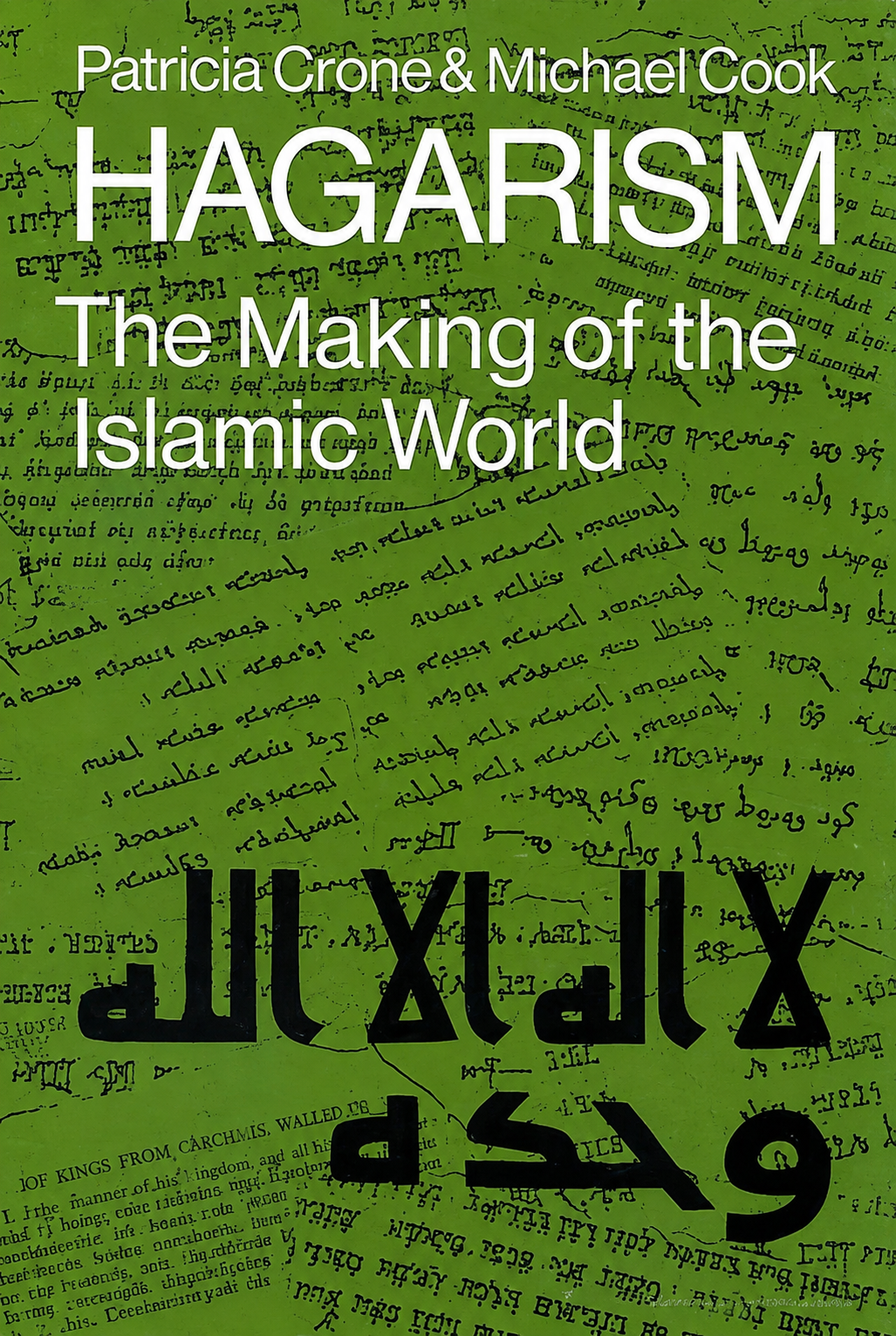
In 1978, shortly after Patricia Crone and Michael Cook published their book challenging the traditional story of Islam’s origins, Hagarism: The Making of the Islamic World, it was reviewed for the Bulletin of the School of Oriental and African Studies by John Wansbrough, their mentor and the most important figure in the “Revisionist” movement that arose in Islamic Studies in the 1970s. Wansbrough’s review is reproduced below.
Continue readingBy Kyle Orton (@KyleWOrton) on 9 June 2025

The “Constitution of Medina” or “Medina Document” (Sahifat al-Medina) is recorded in the Islamic Tradition literature, which post-dates the ninth century, i.e., two-hundred years after the Prophet Muhammad died, but most modern historians accept the Tradition’s claim that the Sahifa is the authentic record of a covenant between the early Muhammadan community and the Jews of Yathrib to establish governance in the city, dating from around 622 AD. This view is taken because the Sahifa is linguistically distinct from the surrounding material and, crucially, it contains elements that are theologically awkward from the perspective of “final form” Islam that stabilises after 800 AD.
Continue readingBy Kyle Orton (@KyleWOrton) on 4 June 2025
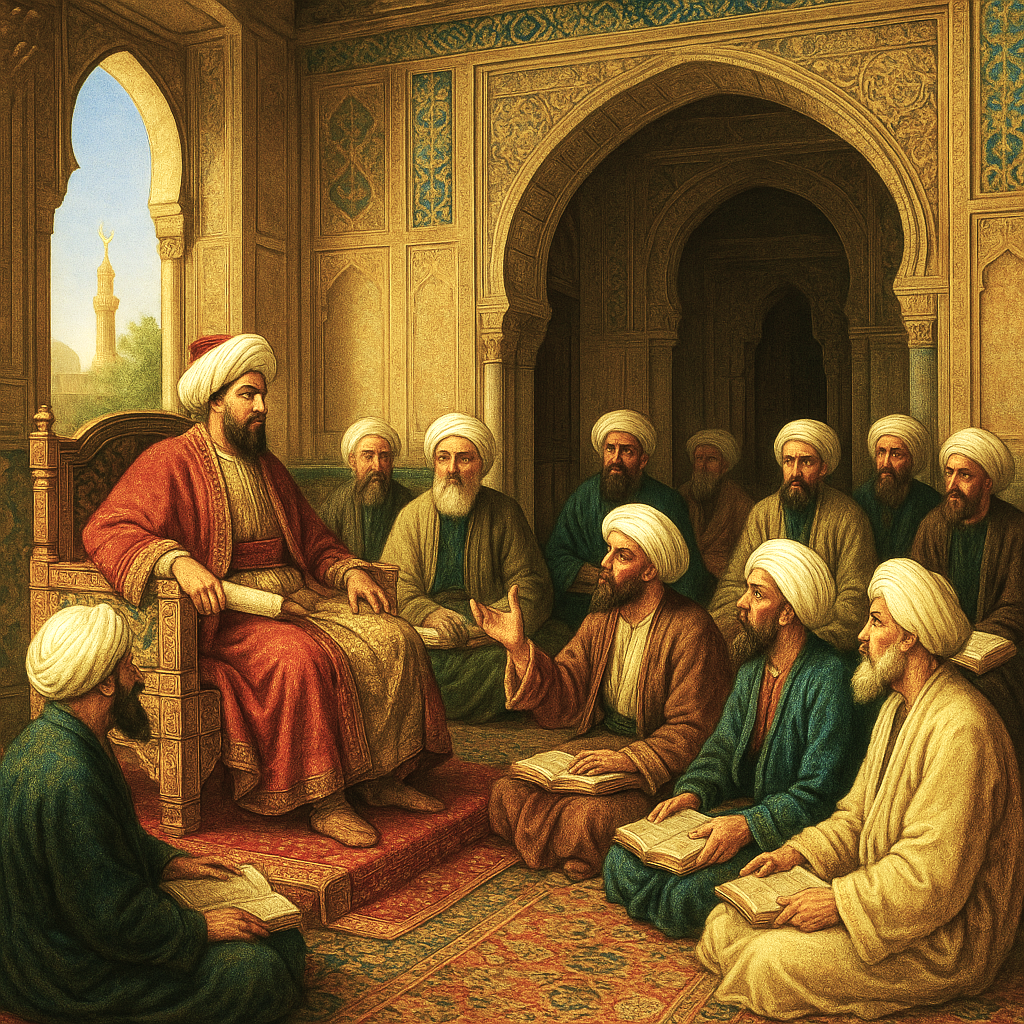
Muslim belief is that the Qur’an is “uncreated” (ghayr makhluq). While the Qur’an was revealed to Muhammad over twenty-three years (610-32 AD), the “speech of God” (kalam Allah) in these revelations had existed co-eternally with God. This was once a point of serious dispute in Islamic theology, and the outcome of that debate was an important waymarker in the development of Islam.
By Kyle Orton (@KyleWOrton) on 1 June 2025
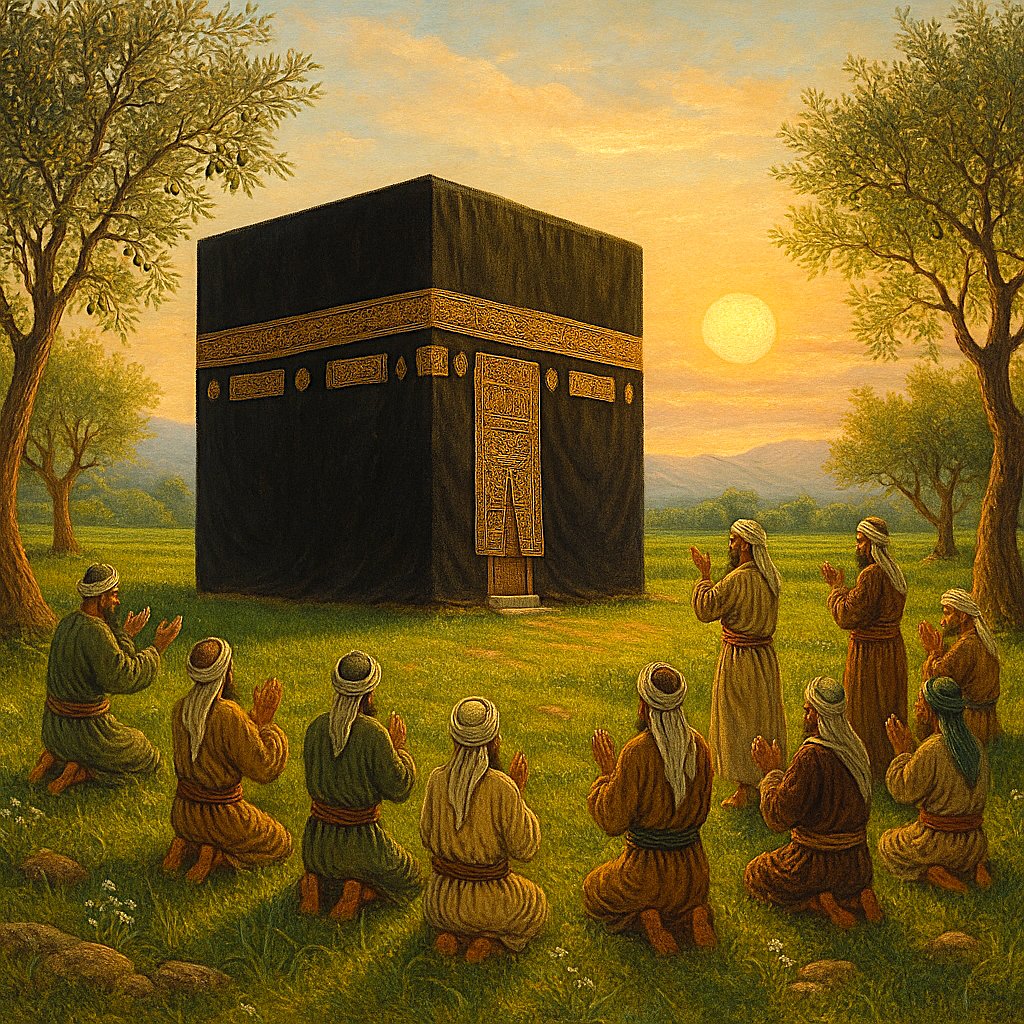
Below is a reproduction of an academic book chapter by G.R. Hawting, “The Origins of the Sanctuary at Mecca”, in G.H.A. Juynboll [ed.] (1982), Studies on the First Century of Islamic Society, pp. 23-47.