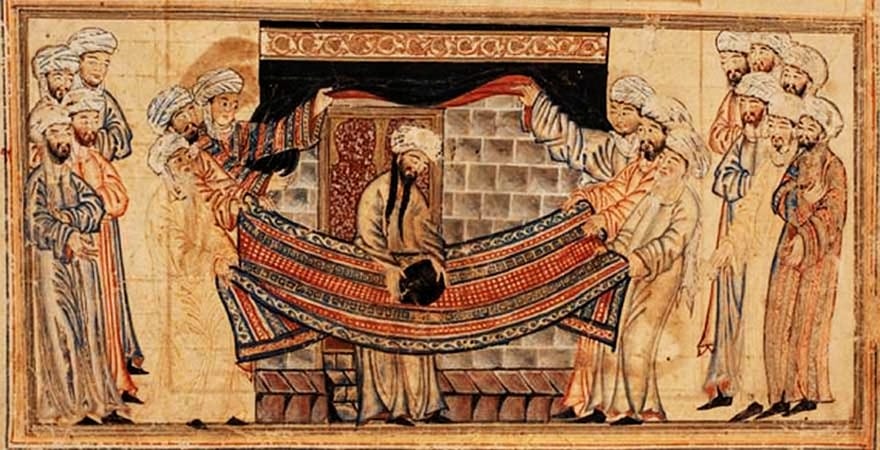
By Kyle Orton (@KyleWOrton) on 5 July 2025
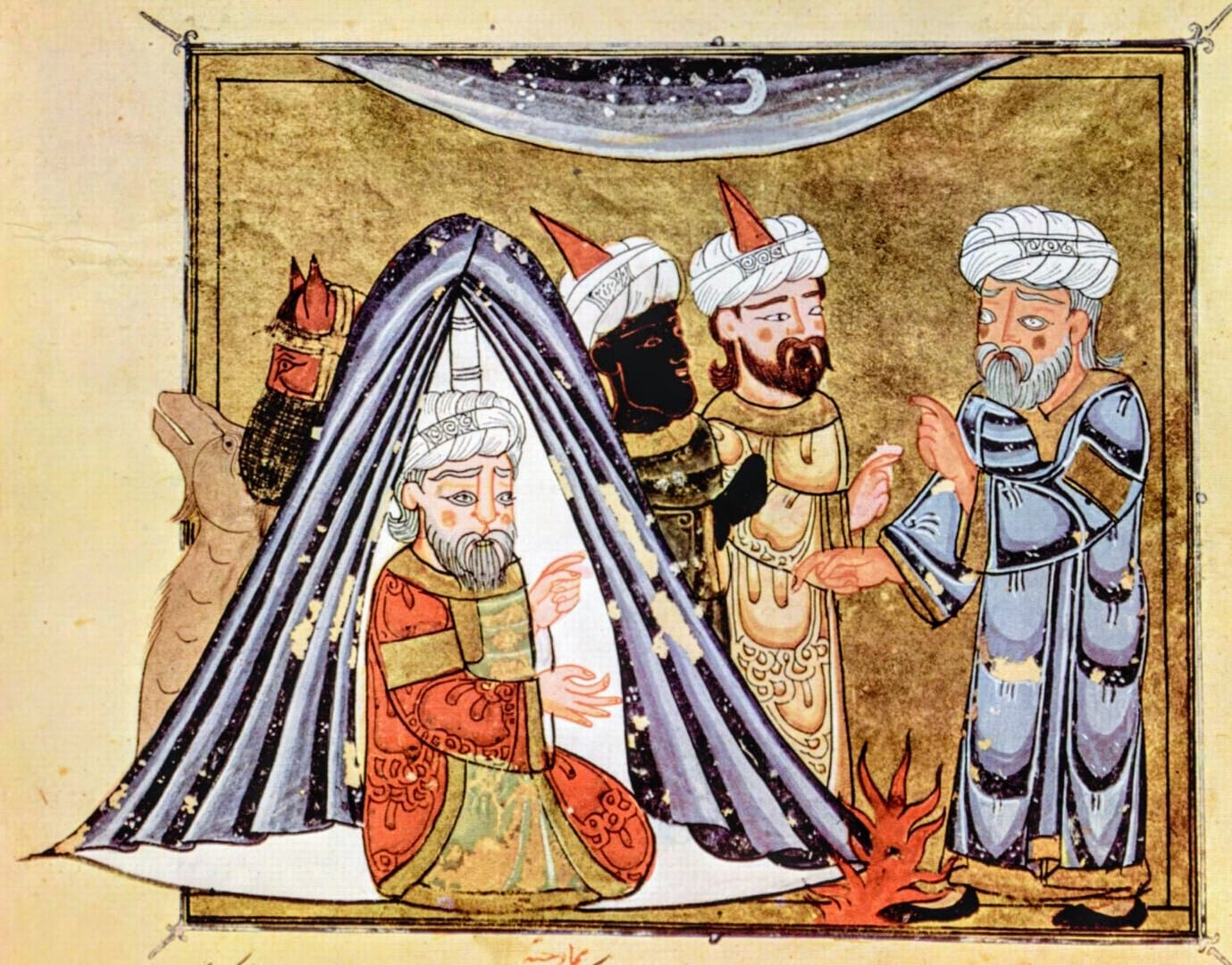
By Kyle Orton (@KyleWOrton) on 9 June 2025

The “Constitution of Medina” or “Medina Document” (Sahifat al-Medina) is recorded in the Islamic Tradition literature, which post-dates the ninth century, i.e., two-hundred years after the Prophet Muhammad died, but most modern historians accept the Tradition’s claim that the Sahifa is the authentic record of a covenant between the early Muhammadan community and the Jews of Yathrib to establish governance in the city, dating from around 622 AD. This view is taken because the Sahifa is linguistically distinct from the surrounding material and, crucially, it contains elements that are theologically awkward from the perspective of “final form” Islam that stabilises after 800 AD.
Continue readingBy Kyle Orton (@KyleWOrton) on January 27, 2017

The Islamic State’s June 2014 declaration that the areas it controlled were the restored “Caliphate” was seen by many as a novel development. In fact, “the State” was declared in October 2006. The next month, the predecessor of the Islamic State (IS), Al-Qaeda in Mesopotamia (AQM), dissolved itself, and a month after that the claim to statehood was expanded upon—while being wilfully ambiguous about the caliphal pretensions—in the first speech by the then-emir, Hamid al-Zawi (Abu Umar al-Baghdadi). Similarly, though confusion remains on the point, it was in this same period that the symbol of the Islamic State, its black flag, was established.