Britain Should Shut Down Iran’s Subversive Islamic Institutions

By Kyle Orton (@KyleWOrton) on 4 March 2026

Continue reading

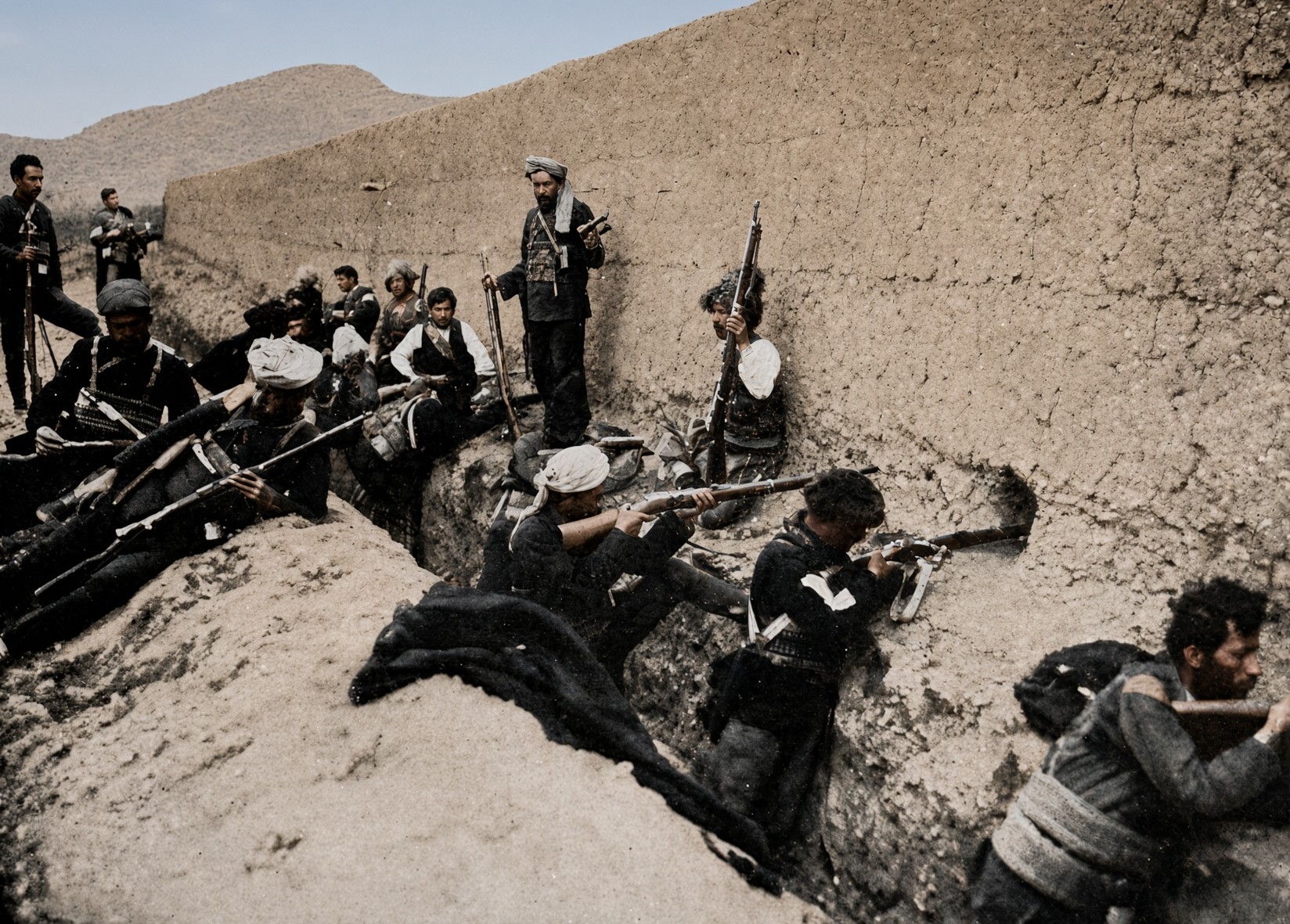
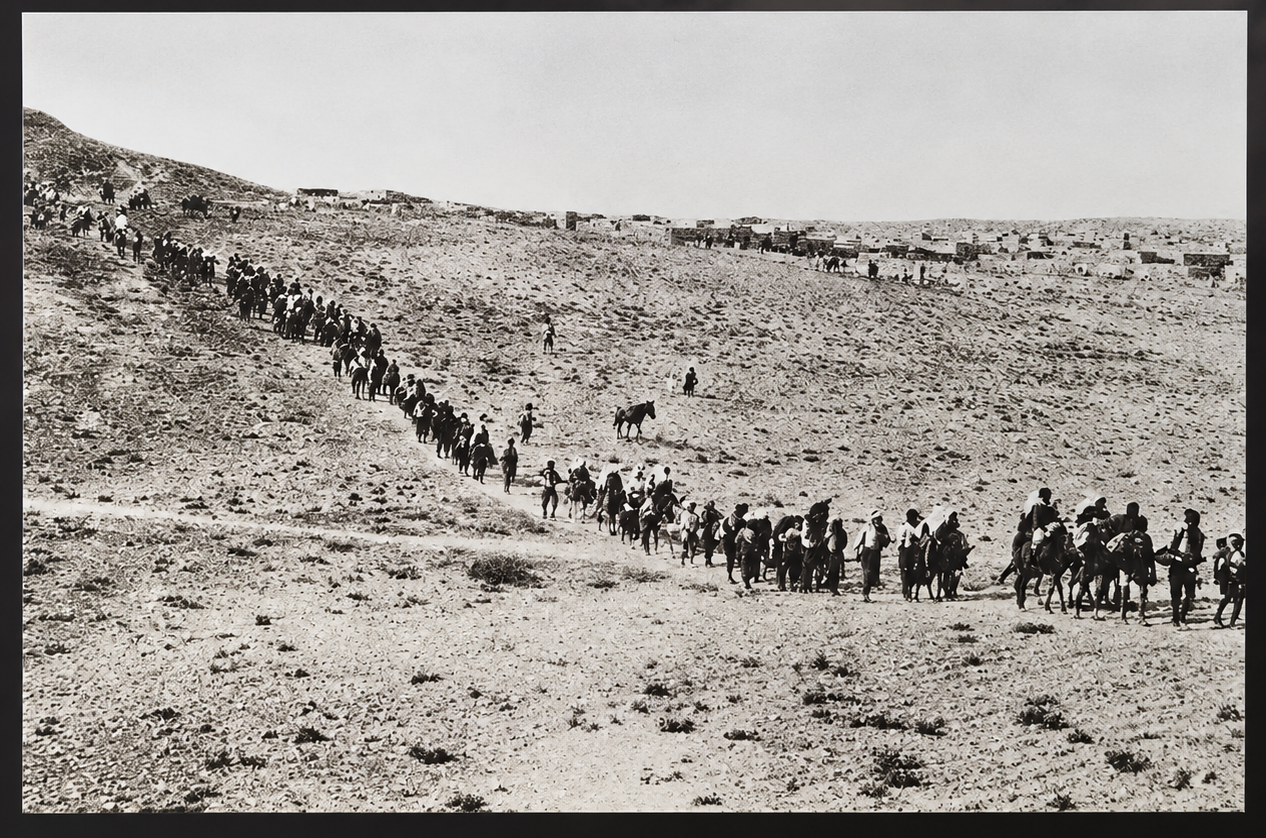
Russia, the Armenians, and the Ottoman Empire: A First World War Memoir

By Kyle Orton (@KyleWOrton) on 3 March 2026

Gavriil Korganov, whose name is sometimes Anglicised as Gabriel Korganov, was born on 3 May 1880 in Tiflis in the Russian Empire, what is now Tbilisi, the capital of the Republic of Georgia. Korganov was from a military family and joined the Tiflis Cadet Corps in 1897. Two years later, Korganov enrolled in the Mikhailovskaya Military Artillery Academy in Saint Petersburg and went on to the General Staff Academy. Korganov would become a General in the Imperial Russian Army, and at some point joined the Freemasons. Korganov was to be a significant player in the First World War.

Continue reading

The Death of Iran’s Supreme Leader Ali Khamenei and the Fate of the Islamic Republic

By Kyle Orton (@KyleWOrton) on 1 March 2026

Continue reading

What the Captured Documents in Gaza Tell Us About HAMAS’s Relationship with the “Humanitarian” NGOs

By Kyle Orton (@KyleWOrton) on 25 February 2026

Continue reading

The “Whites” in the Russian Civil War Were Not Monarchists

By Kyle Orton (@KyleWOrton) on 12 February 2026

Continue reading

“Damned Lies and Statistics”, Al-Qaeda Edition

By Kyle Orton (@KyleWOrton) on 9 February 2026

Continue reading

The Suffering of the Israeli Hostages Taken By HAMAS

By Kyle Orton (@KyleWOrton) on 3 February 2026

Continue reading

Khomeini Orchestrated the 1979 Hostage Crisis Because Iranian-American Relations Were Going Too Well

By Kyle Orton (@KyleWOrton) on 26 January 2026

Continue reading

A Note on the Concept of Sacral Monarchy in Iran

By Kyle Orton (@KyleWOrton) on 25 January 2026

The idea of sacral Monarchy stretches back to the foundations of the Persian Empire under Cyrus the Great, over 2,500 years ago, who ruled as Shahanshah (King of Kings), an office originating with the Zoroastrian deity Ahura Mazda, and all Kingly successes were attributed to this god. It is this sense of Persian Kings as vessels for divine will that explains why they are so anonymous when compared to, say, the Roman Caesars: what mattered was the role, not the idiosyncrasies of the individual playing it.

Continue reading