Tag Archives: Asaib Ahl al-Haq

Podcast: The Proposal to Disarm Iran’s Militias in Iraq

By Kyle Orton (@KyleWOrton) on 17 July 2026

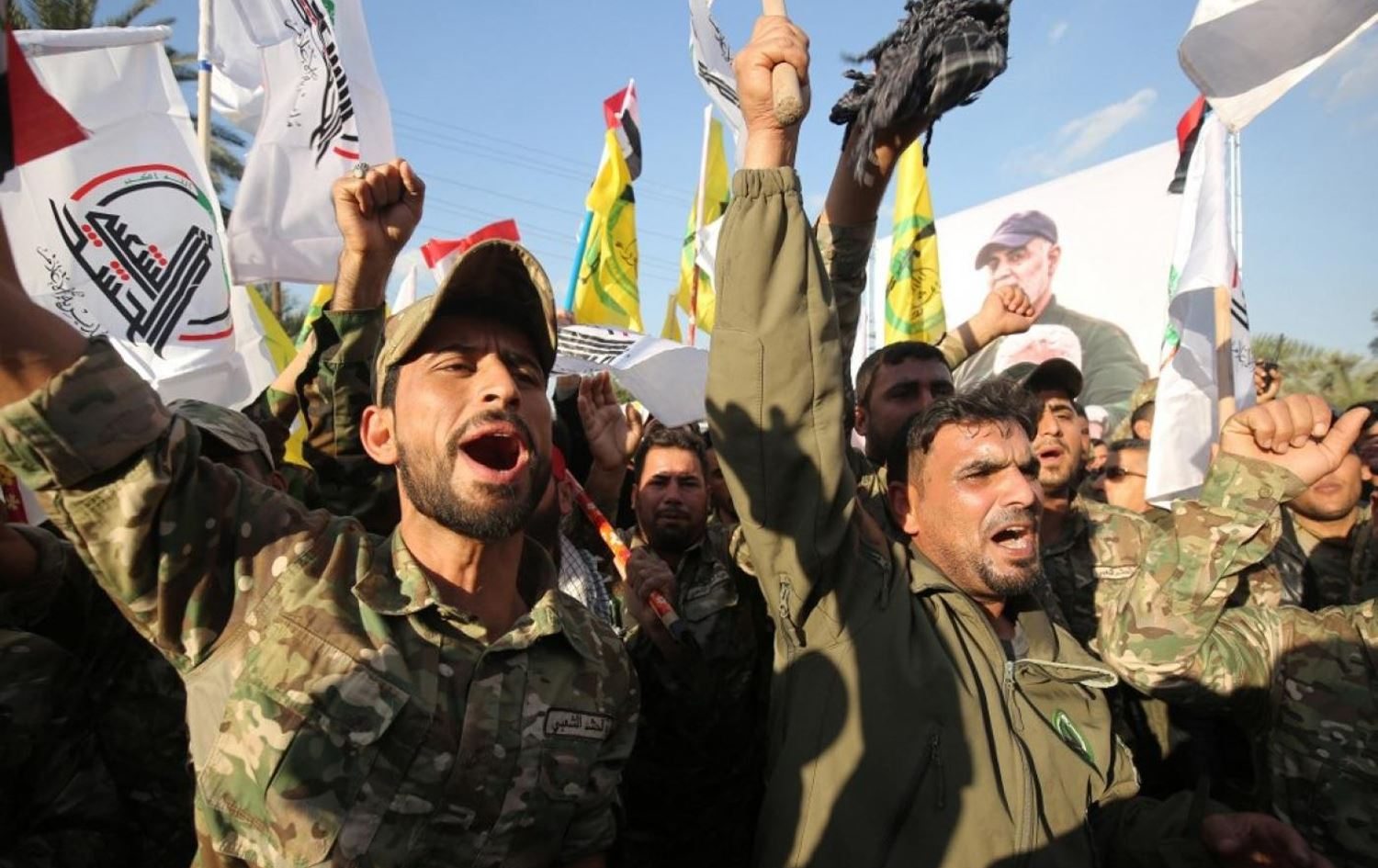
I went on Sibylline’s “What Just Happened?” podcast today hosted by Marco Giannangeli to discuss the proposals of Iraqi Prime Minister Ali al-Zaidi to disarm the Shi’a militias that answer to Iran’s Islamic Revolutionary Guards Corps (IRGC), which is supposed to take place by 30 September 2026, the same date the United States is set to withdraw the last of its troops from Iraq.

Continue reading

A Note on the Iraqi Prime Minister’s Dependence on Iran

By Kyle Orton (@KyleWOrton) on 3 May 2025

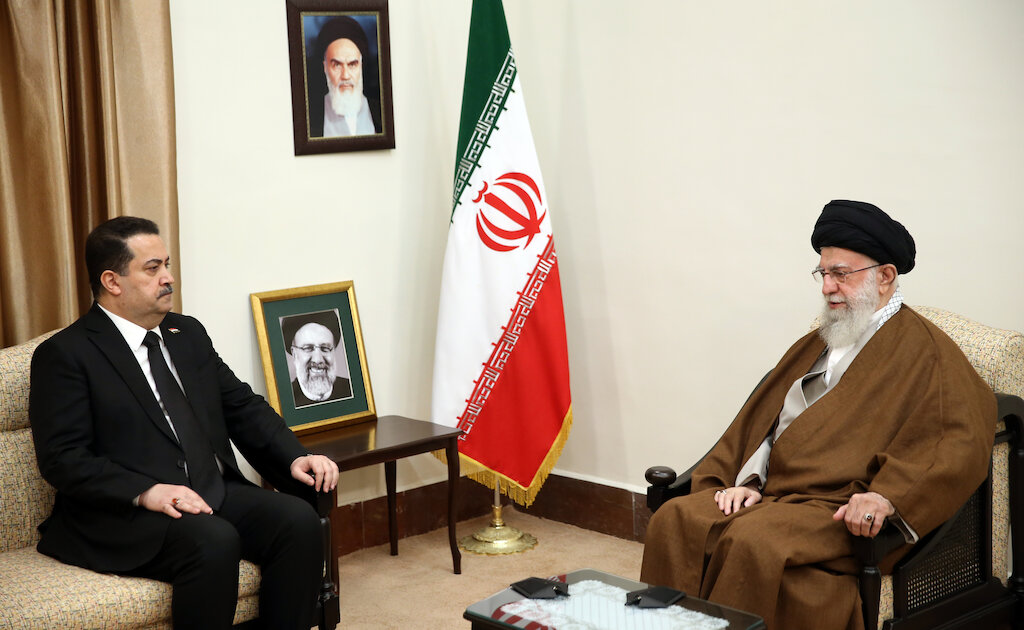
Muhammad al-Sudani has been Iraq’s Prime Minister since October 2022. He was installed at Iran’s behest after a year-long political logjam following the 2021 Iraqi elections. The political fronts for Iran’s terrorist-militias lost those elections, but Tehran picked the Prime Minister anyway.

Continue reading

A Note on Iran’s Control of Iraq

By Kyle Orton (@KyleWOrton) on 6 October 2024

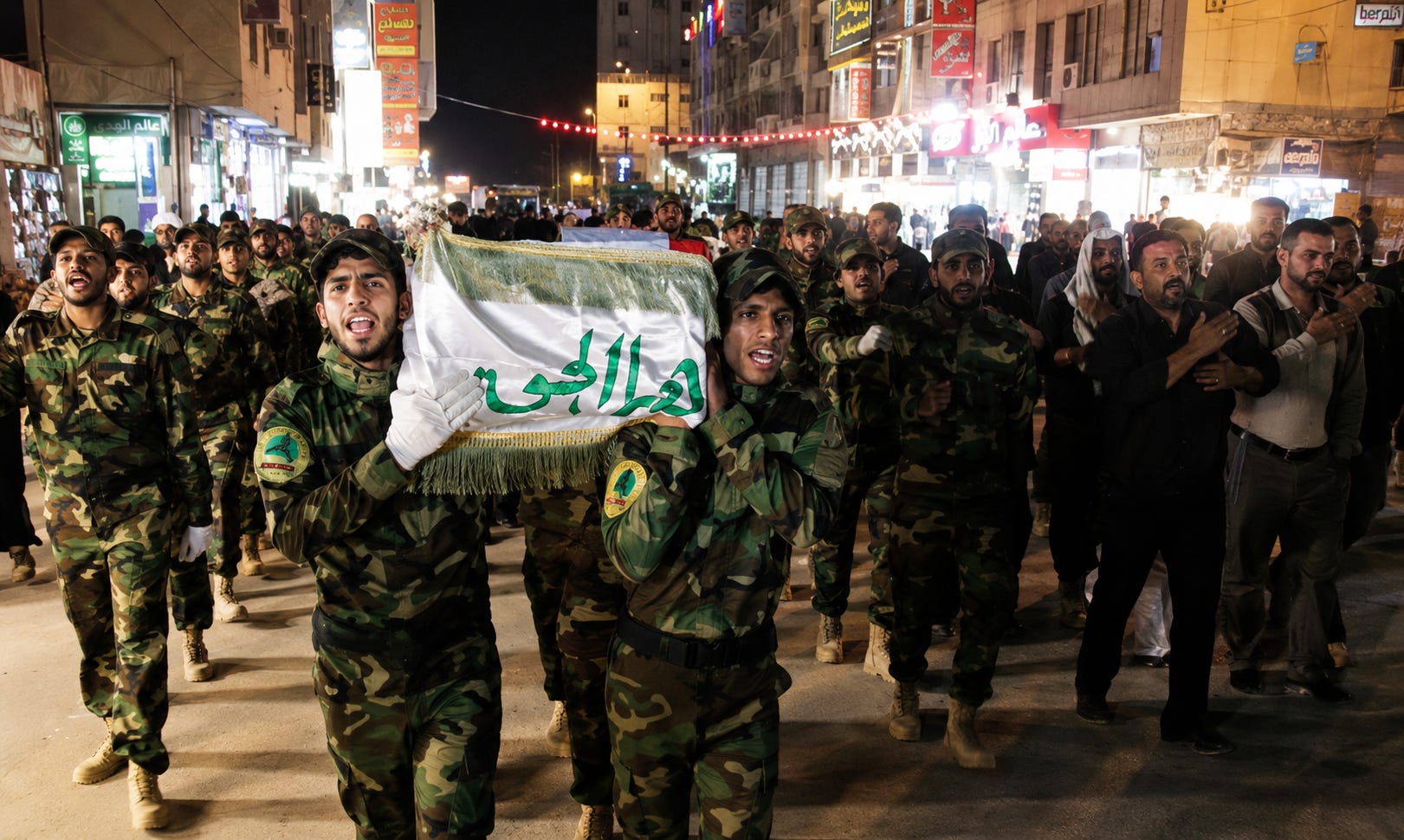
A debate has been ongoing since the emergence of al-Hashd al-Shabi in Iraq in 2014 about the extent of Iran’s control over the militia conglomerate. In truth, there was never really much doubt.

Continue reading

The West Needs a Strategy to Counter Iran’s “Ring of Fire”

By Kyle Orton (@KyleWOrton) on 16 April 2024

Continue reading

The Death of Al-Qaeda’s Leaders and the Iran Factor

By Kyle Orton (@KyleWOrton) on 16 November 2020

This article was originally published at European Eye on Radicalization

Abdullah Ahmed Abdullah (Abu Muhammad al-Masri) and Ayman al-Zawahiri. // Image sources: FBI, AFP

Credible reports over the last few days indicate that Al-Qaeda’s leader Ayman al-Zawahiri is dead, and there are even clearer reports that two of his most senior deputies have been killed. The terrorist network itself, however, will survive. Al-Qaeda has, in the last ten years, survived the killing of its charismatic founder Usama bin Laden, the upheaval of the “Arab spring”, and the rise of the Islamic State (IS)—all of them greater challenges than whatever short-term turbulence might attend the succession process.

Continue reading

Qassem Sulaymani and the Future of Iran’s Imperial Project

By Kyle Orton (@KyleWOrton) on 7 January 2020

This article was originally published at European Eye on Radicalization

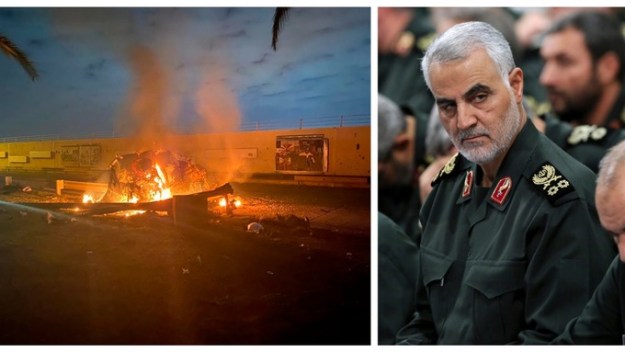
At 1 AM on 3 January, an American drone strike killed the head of Iran’s Quds Force, the division of the Islamic Revolutionary Guards Corps (IRGC) charged with exporting the Islamic revolution, and his Iraqi deputy, Jamal al-Ibrahimi (Abu Mahdi al-Muhandis). Sulaymani was the strategic driver of Iran’s expansionist policy in the Middle East, as well as the orchestrator of its terrorism and assassinations further afield. Unlike with the killing of Al-Qaeda’s Usama bin Laden in 2011 or the Islamic State’s Ibrahim al-Badri (Abu Bakr al-Baghdadi) in October, where the dynamics shifted little, Sulaymani’s death opens up questions about the direction in which the Middle East will now move. Continue reading

Iran Raises the Stature of One of Its Shi’a Jihadist Militias: Harakat Hizballah al-Nujaba

By Kyle Orton (@KyleWOrton) on 22 September 2017

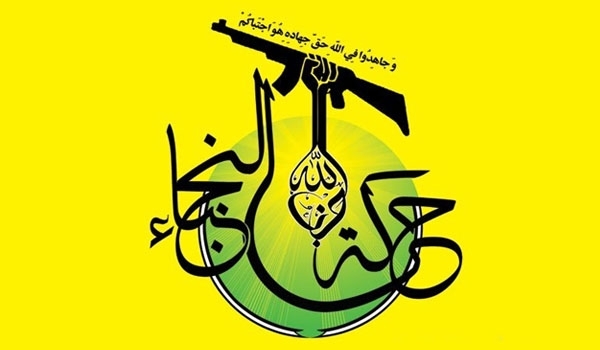
Logo of Harakat Hizballah al-Nujaba

Reuters has published a profile of Harakat Hizballah al-Nujaba (HHN), sometimes simply called Harakat al-Nujaba, a Shi’a militia made up of Iraqi citizens that is loyal to Iran’s Supreme Leader Ali Khamene’i and the revolutionary theocracy’s ideology of absolute wilayat al-faqih (guardianship of the jurist). HHN, which first emerged in the summer of 2013, is one of a web of overlapping Shi’a jihadist groups recruited from Iraq, Afghanistan, Pakistan, and beyond—as far afield as the Ivory Coast—that have been used to spearhead Tehran’s imperial push into the Arab world, particularly the rescue of Bashar al-Asad’s regime in Syria that would otherwise have fallen to a popular rebellion. In recent months, Iran has been raising the profile of HHN. Continue reading

Sectarian Provocations in Fallujah Undermine the Offensive Against the Islamic State

By Kyle Orton (@KyleWOrton) on June 13, 2016

Published at The New Arab.
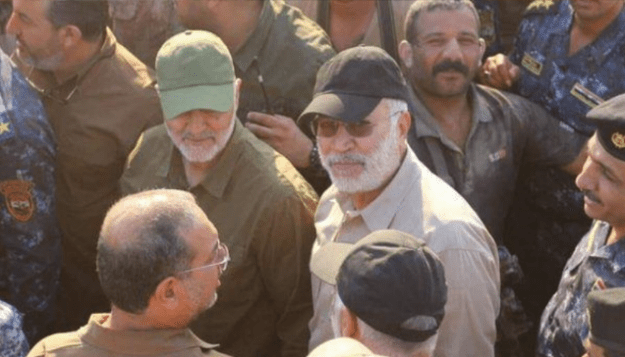
Qassem Suleimani and Jamal Ebrahimi (Abu Mahdi al-Muhandis) touring a battlefront in Fallujah

Qassem Suleimani and Jamal Ebrahimi (Abu Mahdi al-Muhandis) touring a battlefront in Fallujah

The Iraqi government announced an operation to clear the Islamic State (IS) out of Fallujah on the evening of 22 May. In the intervening three weeks, IS have lost numerous villages and towns around Fallujah and Iraqi counterterrorism forces are said to have entered Fallujah proper in the south.

As the first major city IS took on its way to proclaiming a caliphate in June 2014, the pace of the operation is not the most troubling element. What is disturbing—and what may ultimately undo any military success against IS—is the overtly sectarian nature of the offensive, led not by professional troops loyal to Baghdad, but by militias loyal to Iran and the extremist ideology of Tehran’s clerical regime. Continue reading

Destroying Islamic State, Defeating Assad: A Strategy for Syria

By Kyle Orton (@KyleWOrton) on November 25, 2015

1

Today, my first report with The Henry Jackson Society was published: “Destroying Islamic State, Defeating Assad: A Strategy for Syria“. Continue reading

The Gulf States Push Back Against Obama’s Iran Policy

By Kyle Orton (@KyleWOrton) on May 12, 2015

1

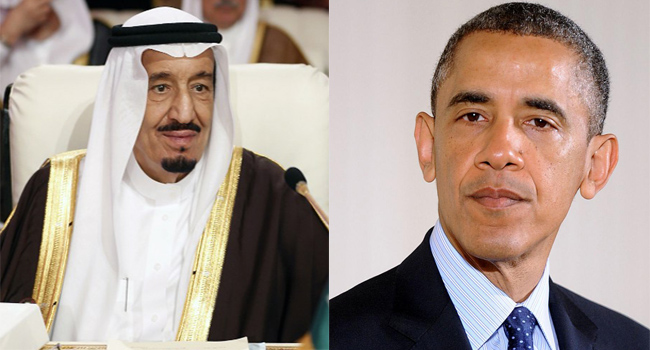
President Obama invited the leaders of the Gulf Cooperation Council (GCC) to a meeting at Camp David on Thursday to clear the air as the President looks to finalize his nuclear deal with Iran. But on Sunday, Saudi King Salman said he was not attending, and soon after the Bahraini monarch followed. The only Gulf leaders in attendance will be the Emirs of Qatar and Kuwait. Since leaders do not just have other things to do when they are scheduled for a private meeting with the President of the United States, this can be taken as a pointed snub to President Obama, and no amount of administration spin about Salman’s absence having nothing to do with political substance will change that. Continue reading