By Kyle Orton (@KyleWOrton) on 9 April 2026
By Kyle Orton (@KyleWOrton) on 7 April 2026
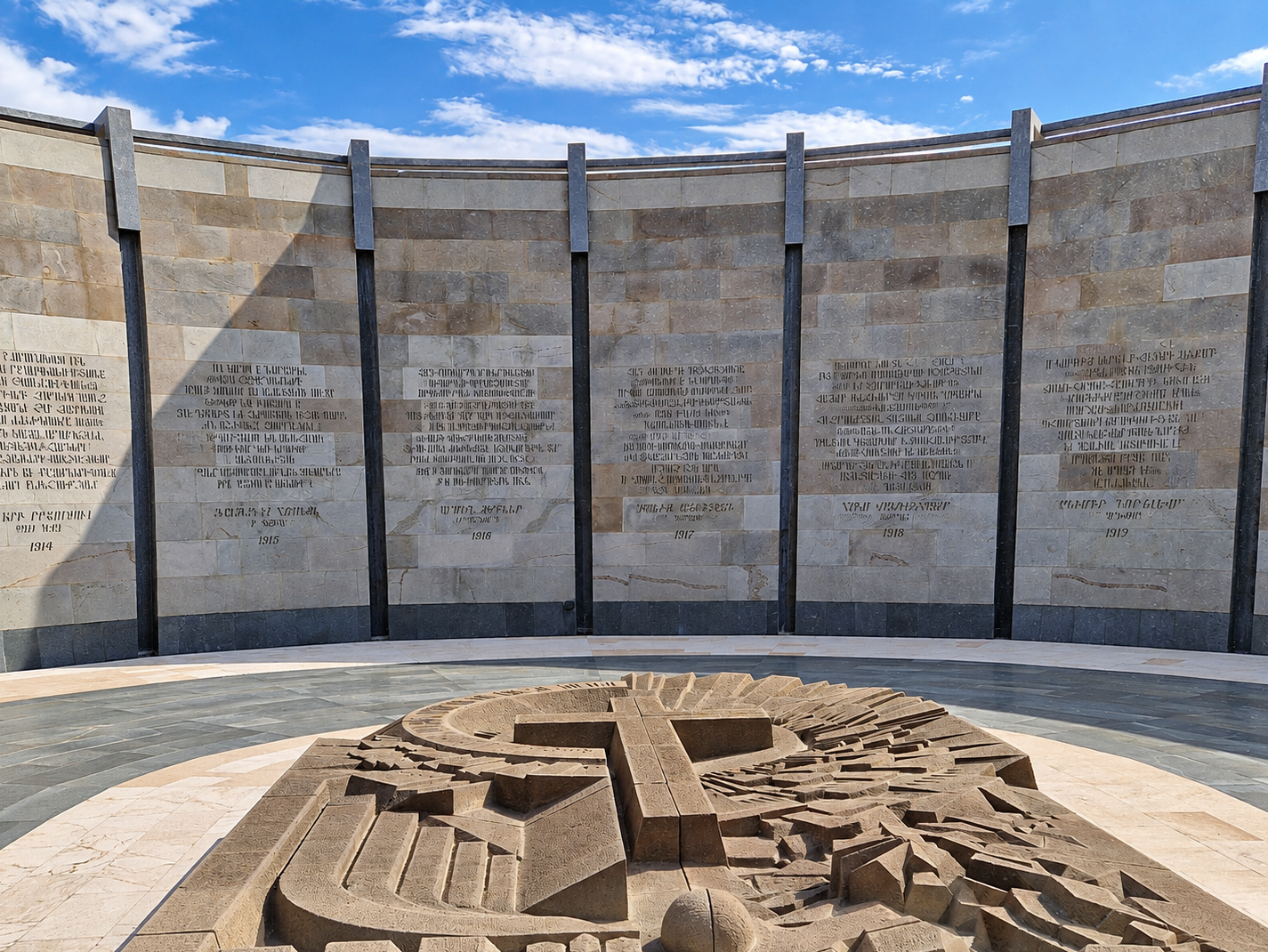
In the early phase of the Soviet Union instrumentalising the Armenian desire for the 1915-16 massacres in the Ottoman Empire to be recognised as genocide, in the 1950s and early 1960s, Moscow allowed histories to be written about 1915, mostly by Armenians. The villains in these books were the Young Turks and the Armenian Dashnak revolutionaries, since both were nationalists, and the former was supposedly supported by British “imperialists”. This was troublesome at a popular level in Soviet Armenia.
This was merely one indication of the tensions inherent to using the Armenian national tragedy for Communist active measures. The whole point was to raise the salience of 1915 in Armenian memory, identity, and political organisation had to be raised: that was how Turkey would be pressured and Ankara’s relations with other NATO States strained. But in creating the space for this, the Soviets were running the risk the Armenians would develop ideas of their own.
Continue readingBy Kyle Orton (@KyleWOrton) on June 9, 2015
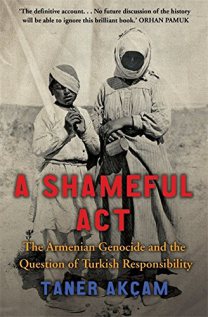
This is the complete review. It has previously been posted in three parts: Part 1 on the question of whether the 1915-16 Armenian massacres constitute genocide; Part 2 on the post-war trials and the Nationalist Movement; and Part 3 gives some conclusions on what went wrong in the Allied efforts to prosecute the war criminals and the implications for the present time, with Turkey’s ongoing denial that genocide took place and the exodus of Christians from the Middle East.
A Question of Genocide
The controversy over the 1915-16 massacres of Armenian Christians in the Ottoman Empire is whether those acts constitute genocide. Those who say they don’t are not the equivalent of Holocaust-deniers in that they do not deny that the massacres happened; what they deny is that the massacres reach the legal definition of genocide. Their case is based on three interlinked arguments:
Taner Akcam’s A Shameful Act: The Armenian Genocide and the Question of Turkish Responsibility presents evidence to undermine every one of these arguments. Continue reading
By Kyle Orton (@KyleWOrton) on June 1, 2015

This is the first part of a three-part review; it deals with the question of whether the 1915-16 Armenian massacres constitute genocide. Part 2 is about the post-war trials and the Nationalist Movement. Part 3 gives some conclusions on what went wrong in the Allied efforts to prosecute the war criminals and the implications for the present time. Alternatively, the complete review is available here.
A Question of Genocide
The controversy over the 1915-16 massacres of Armenian Christians in the Ottoman Empire is whether those acts constitute genocide. Those who say they don’t are not the equivalent of Holocaust-deniers in that they do not deny that the massacres happened; what they deny is that the massacres reach the legal definition of genocide. Their case is based on three interlinked arguments:
Taner Akcam’s A Shameful Act: The Armenian Genocide and the Question of Turkish Responsibility presents evidence to undermine every one of these arguments. Continue reading