By Kyle Orton (@KyleWOrton) on 23 October 2026
By Kyle Orton (@KyleWOrton) on 5 October 2026
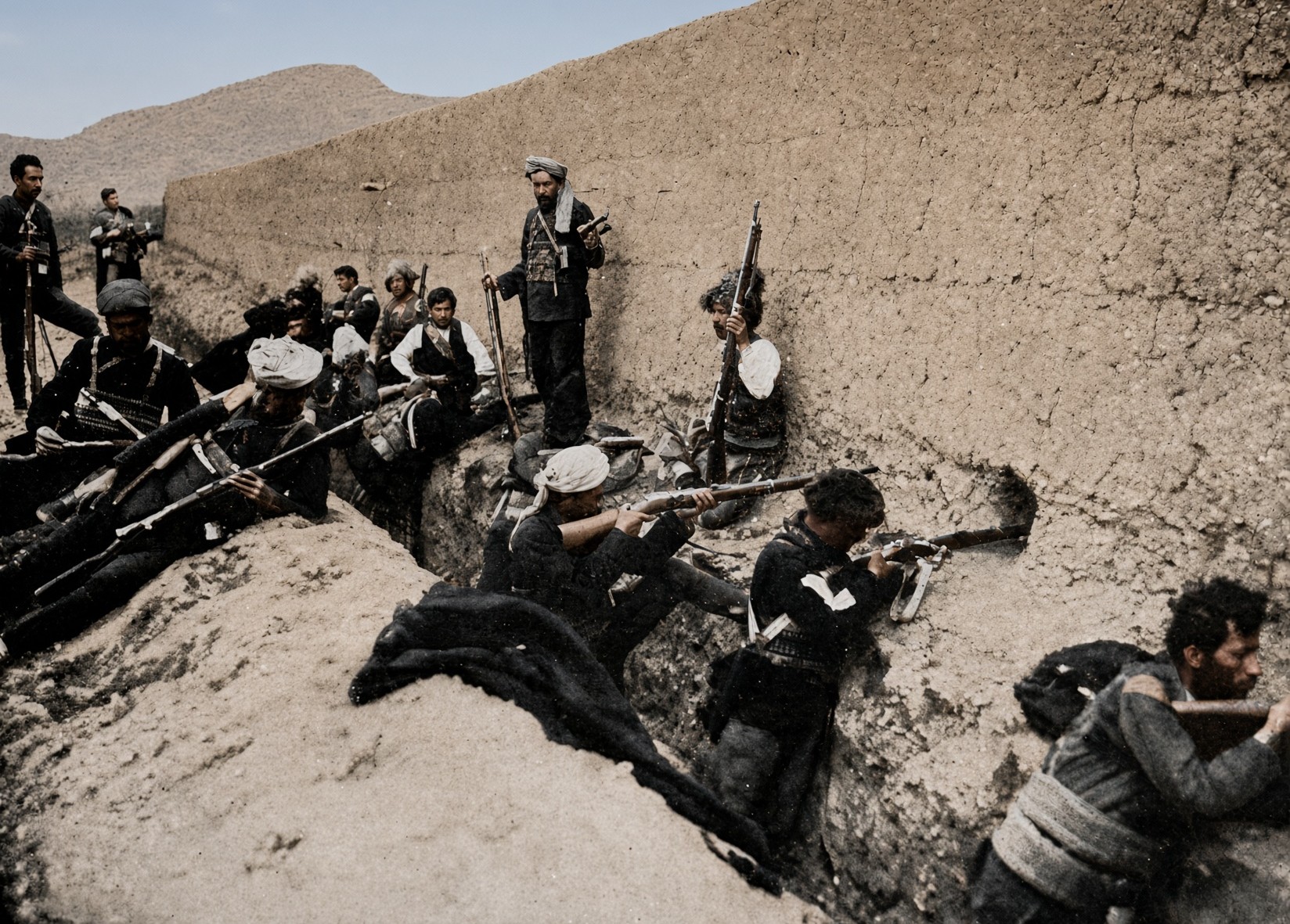
Gilles Veinstein was a leading historian of the Ottoman Empire, the director of studies at the École des Hautes Études en Sciences Sociales (EHESS) from 1986 and the Holder of the chair of Turkish and Ottoman History at the Collège de France from 1999. He held both posts until his death in 2013. In April 1995, amid the controversy in France over the attempt to prosecute Bernard Lewis for refusing to agree that the 1915-16 Armenian massacres were the same as the Nazi Holocaust of European Jewry, Veinstein wrote an article for L’Histoire, ‘Trois Questions sur un Massacre’, reviewing the evidence for the claim that what happened to the Armenians in the Ottoman Empire during the First World War resulted from a deliberate genocidal plan by the Ottoman government. A translation of the article is given below.
Continue readingBy Kyle Orton (@KyleWOrton) on 7 April 2026
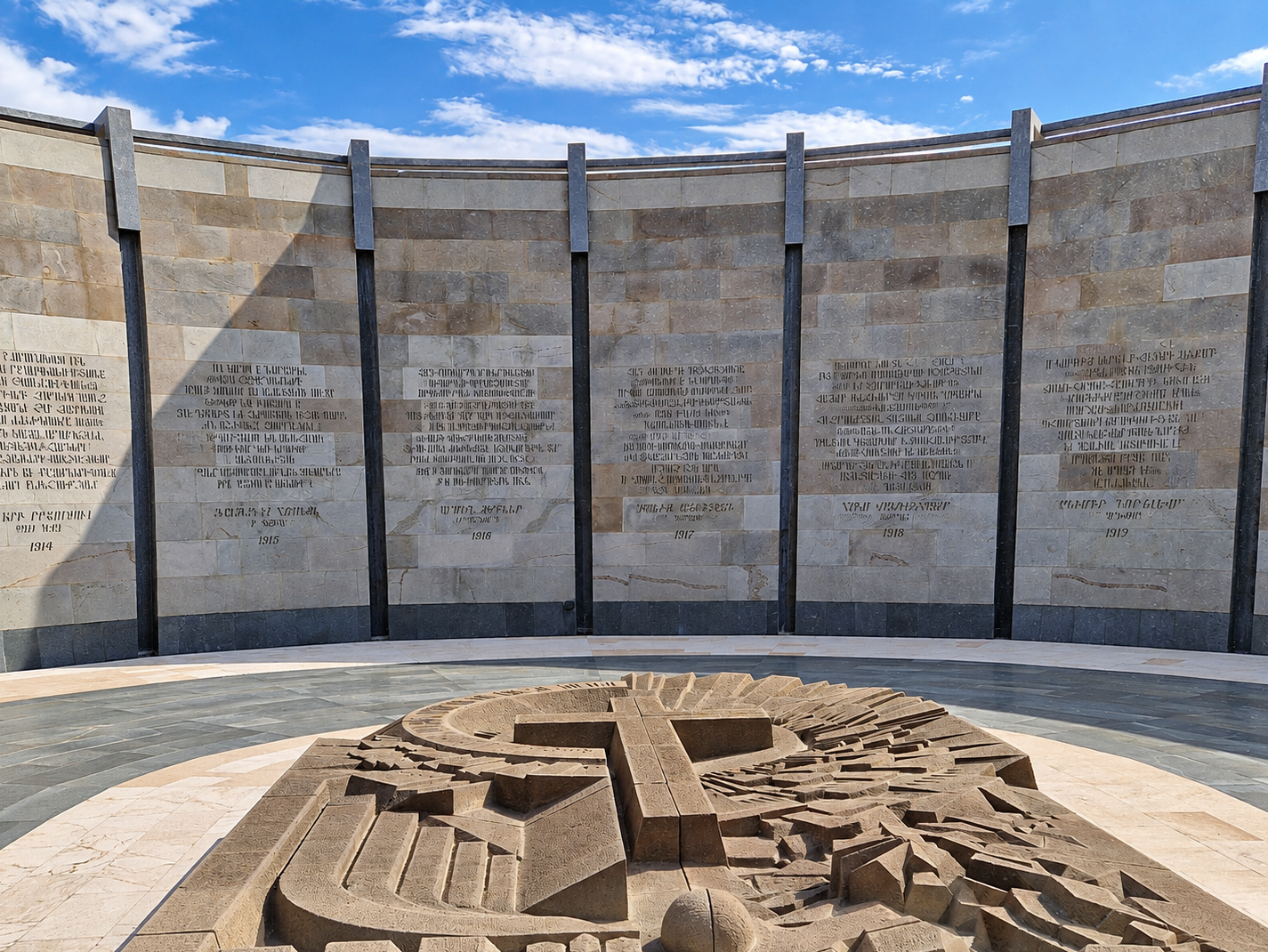
In the early phase of the Soviet Union instrumentalising the Armenian desire for the 1915-16 massacres in the Ottoman Empire to be recognised as genocide, in the 1950s and early 1960s, Moscow allowed histories to be written about 1915, mostly by Armenians. The villains in these books were the Young Turks and the Armenian Dashnak revolutionaries, since both were nationalists, and the former was supposedly supported by British “imperialists”. This was troublesome at a popular level in Soviet Armenia.
This was merely one indication of the tensions inherent to using the Armenian national tragedy for Communist active measures. The whole point was to raise the salience of 1915 in Armenian memory, identity, and political organisation had to be raised: that was how Turkey would be pressured and Ankara’s relations with other NATO States strained. But in creating the space for this, the Soviets were running the risk the Armenians would develop ideas of their own.
Continue readingBy Kyle Orton (@KyleWOrton) on 3 March 2026
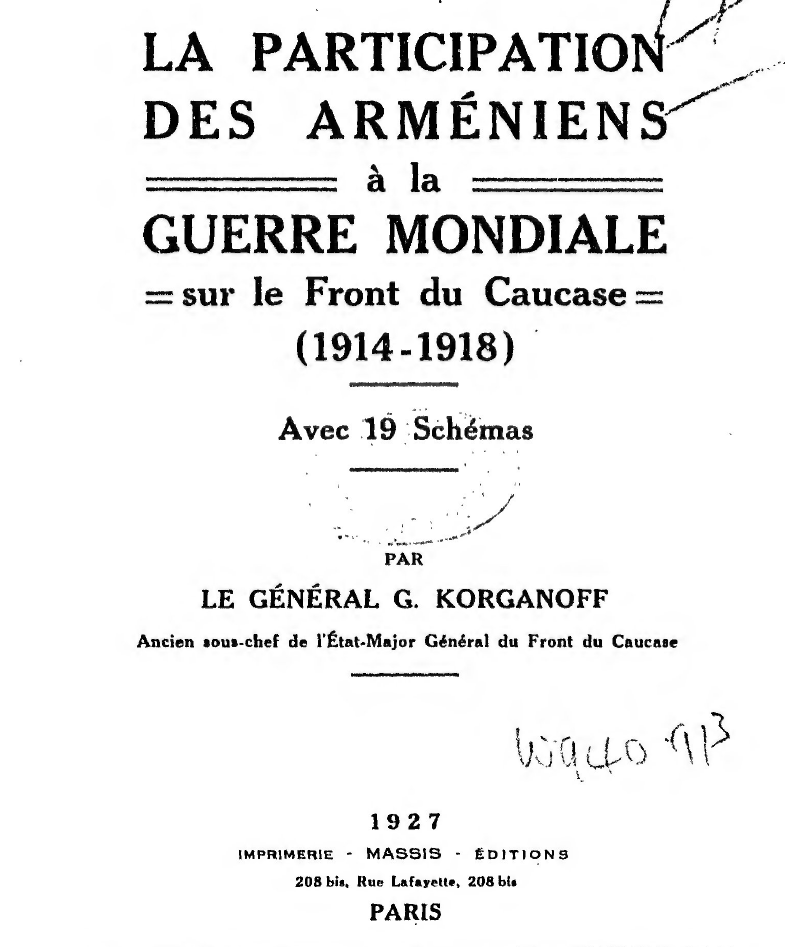
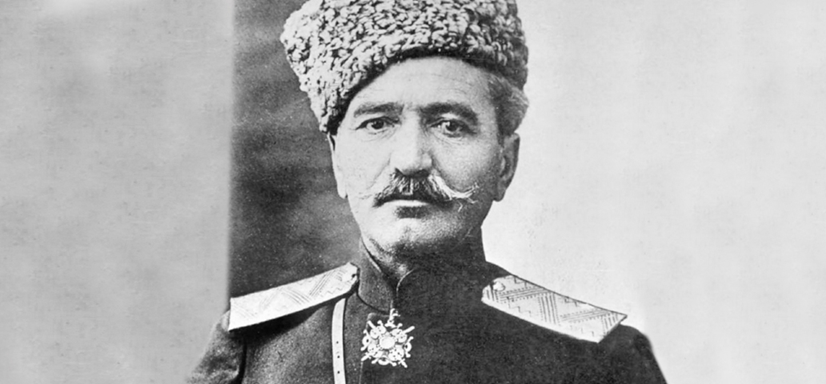
Gavriil Korganov, whose name is sometimes Anglicised as Gabriel Korganov, was born on 3 May 1880 in Tiflis in the Russian Empire, what is now Tbilisi, the capital of the Republic of Georgia. Korganov was from a military family and joined the Tiflis Cadet Corps in 1897. Two years later, Korganov enrolled in the Mikhailovskaya Military Artillery Academy in Saint Petersburg and went on to the General Staff Academy. Korganov would become a General in the Imperial Russian Army, and at some point joined the Freemasons. Korganov was to be a significant player in the First World War.