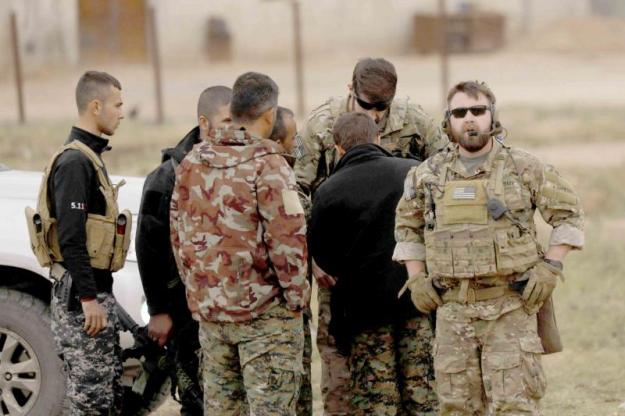
U.S. forces and members of the “Syrian Democratic Forces” (SDF) patrol Al-Darbasiya in northeastern Syria, 4 November 2018. (AFP)
Despite the change of rhetoric between US Presidents Barack Obama and Donald Trump, the United States has continued to lose influence, political and military, in the Middle East to the Iran-Russia axis. Continue reading →
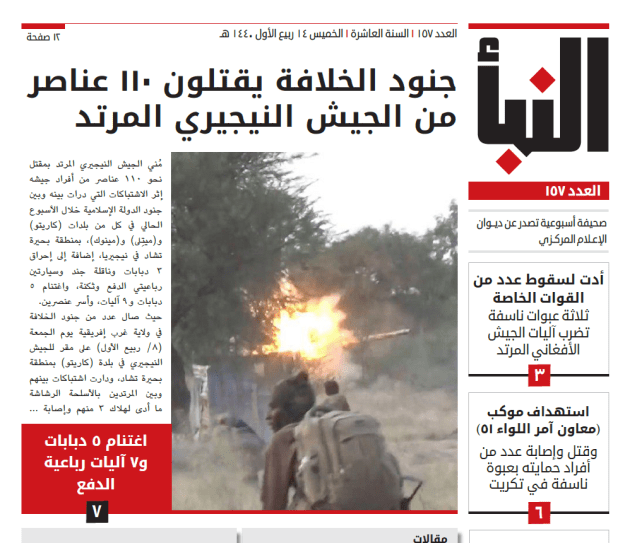
The Islamic State (IS) released the 157th edition of its newsletter, Al-Naba, on 22 November. The content was fairly standard, underlining IS’s ideology, particularly its belief that the current hardships are merely bumps on the road to a victory that has been pre-ordained by God. The bulk of the newsletter is devoted to the fierce insurgent campaign IS is waging in northern Iraq and parts of eastern Syria. Continue reading →
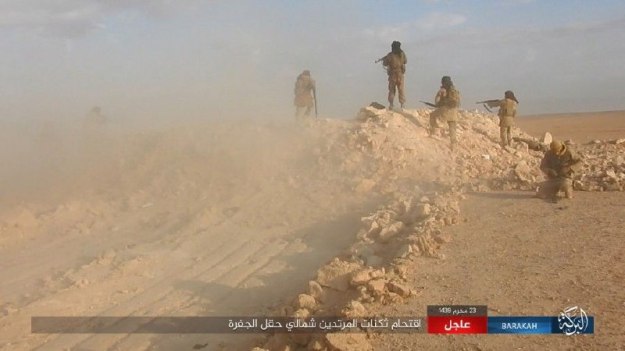
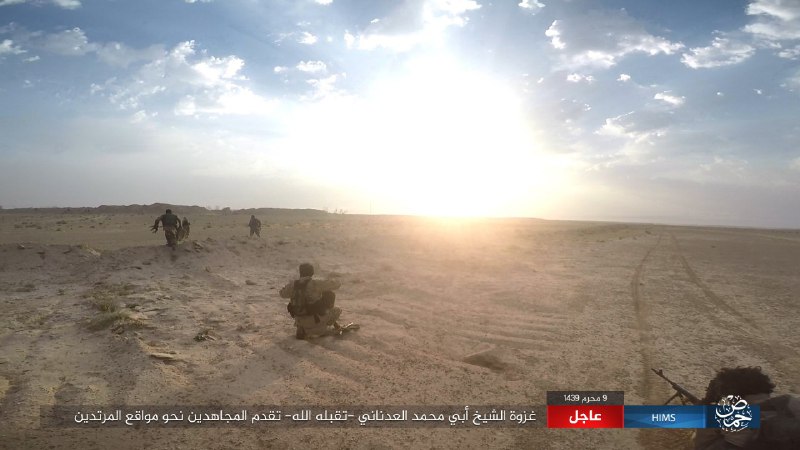
Islamic State video from Wilayat al-Baraka, north of al-Jafra, October 2017
The United States State Department today sanctioned Haji Abd al-Nasir as a Specially Designated Global Terrorist (SDGT), which covers “foreign persons who have committed, or pose a significant risk of committing, acts of terrorism”. Abd al-Nasir is a senior official in the Islamic State (IS). Continue reading →
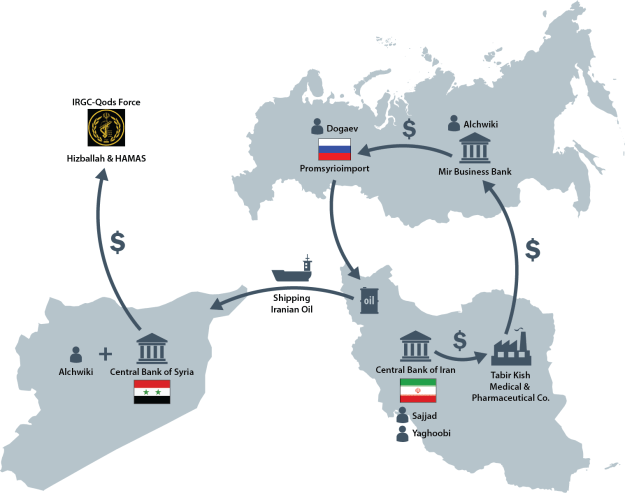
Visual representation of the Alchwiki Network (source: U.S. Treasury)
The United States Treasury Department’s Office of Foreign Assets Control (OFAC) sanctioned ten targets today, targeting an “international network through which the Iranian regime, working with Russian companies, provides millions of barrels of oil to” Bashar al-Assad’s regime in Syria, and “[t]he Assad regime, in turn, facilitates the movement of hundreds of millions of U.S. dollars (USD) to the Islamic Revolutionary Guard Corps-Qods Force (IRGC-QF),” the expeditionary wing of Tehran’s spy-terrorist apparatus, “for onward transfer to HAMAS and Hizballah.” Continue reading →
Attack in Melbourne, Australia, 9 November 2018 (image source)
In the latest edition of its newsletter, the Islamic State (IS) explained how it had some of the terrorist attacks committed in its name around the world, where it had not had prior contact with the killers. Continue reading →
The United States has taken steps Syria in recent months that suggest a shift towards reconciliation with Turkey. Even if this is so, however, there is still such a deep divide over strategic outlook that these steps could be easily reversed, opening a new round of uncertainty in northern Syria as 2018 draws to a close. Continue reading →
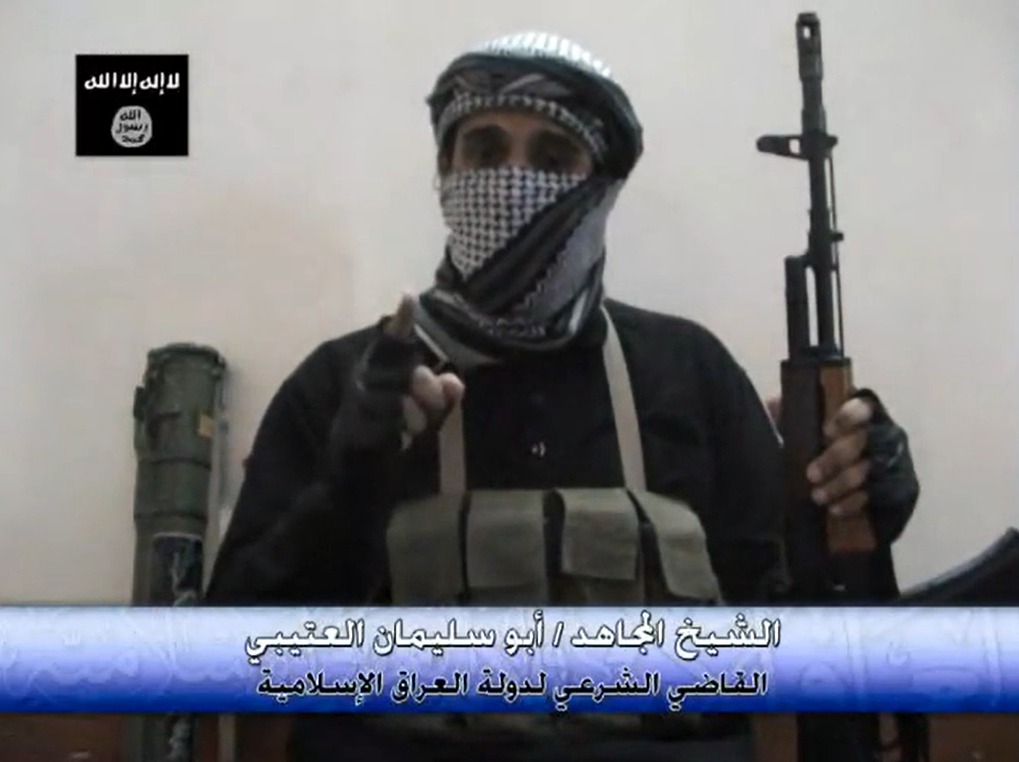
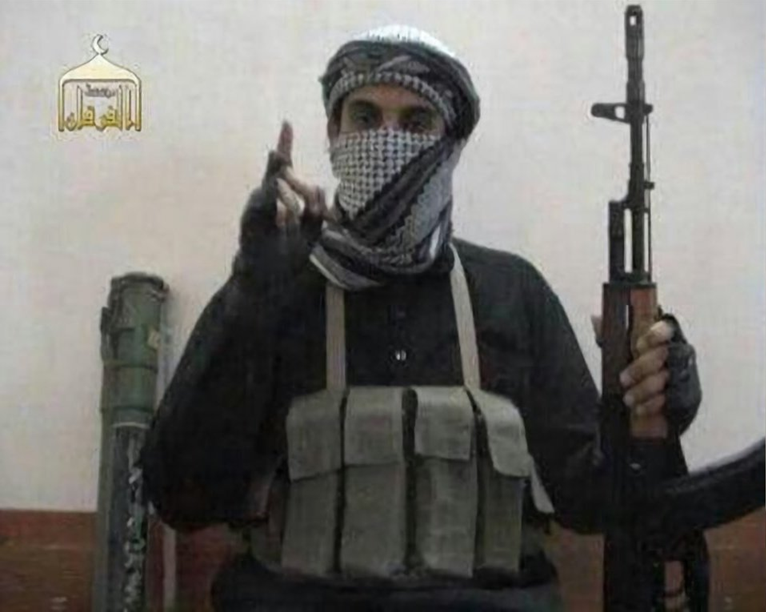
As explained in a previous post, Abu Sulayman al-Utaybi, the Chief Judge of the Islamic State of Iraq (ISI) from early April to late August 2007, has become an important character in many accounts of the history of the Islamic State movement because his abrupt removal from office was followed by his defection from ISI and a journey to Al-Qaeda’s central leadership in Pakistan, where he provided a testimony against his former bosses. If interested in an assessment of that testimony and the whole saga around how it has been used—by Western scholars, Al-Qaeda, and other critics of the Islamic State—check out the prior post. This post reproduces the transcript for what is, as far as I can tell, Abu Sulayman’s first media product for ISI, a twenty-minute video speech released by Al-Furqan Foundation for Media Production on 11 April 2007, entitled, “Why Do We Wage Jihad?”
On 24 November 2013, the day after Al-Qaeda leaked the full testimony of Abu Sulayman al-Utaybi, the chief judge of the Islamic State (IS) who made various charges against the leadership after he defected in 2007, a pro-IS response was issued, signed by one Mu’awiya al-Qahtani, entitled, “Refutation of the Letter Attributed to the Judge Abu Sulayman al-Utaybi—May God Accept Him—with Evidence and Proofs”. A translation of Al-Qahtani’s document is given below.
Abu Sulayman al-Utaybi, a Saudi who abandoned his Islamic studies to journey to Iraq in 2006, was appointed chief judge, of the Islamic State movement in March 2007, six months after the Statehood declaration. Between April and June 2007, Abu Sulayman released some public sermons—the picture above is from the first—for what was then called the Islamic State of Iraq (ISI), which had publicly dissolved its bonds to Al-Qaeda when it became a “State” in October 2006, while in fact retaining its bay’a (oath of allegiance) to Al-Qaeda in private.


 Kyle Orton's Blog