By Kyle Orton (@KyleWOrton) on 6 January 2024

By Kyle Orton (@KyleWOrton) on 30 July 2022

Islamic State in Palmyra, December 2016
By Kyle Orton (@KyleWOrton) on 3 May 2021
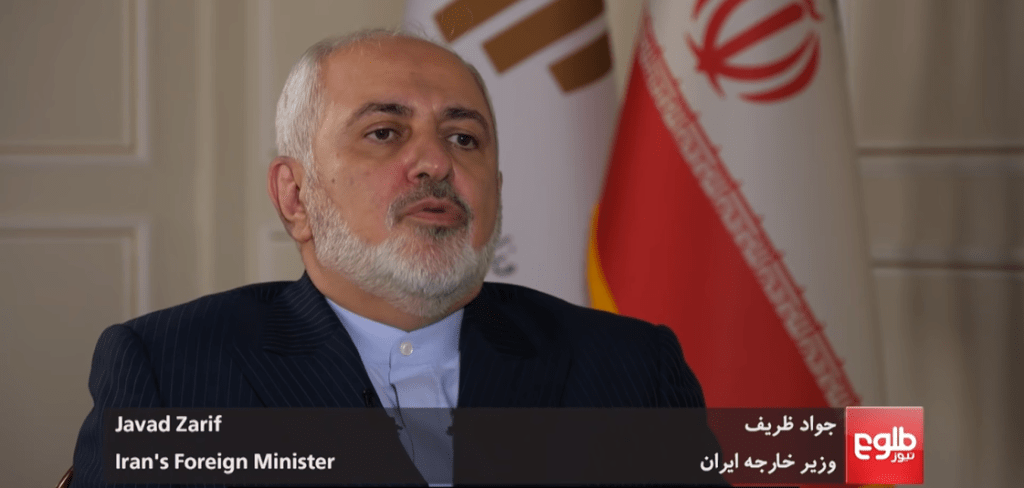
Iranian Foreign Minister Muhammad Javad Zarif, December 2020, during an interview with Lotfullah Najafizada of TOLO News
Iran’s Foreign Minister, Muhammad Javad Zarif, took part in an oral history project intended for internal use by the clerical dictatorship in February and on 25 April the audio was leaked—so goes the story. There is every reason to think this is a controlled leak, which is to say an information operation or a piece of strategic messaging—more pejoratively, propaganda or disinformation: choose the terminology as you will—intended to assist the Iranian theocracy as it works through its negotiations on the nuclear file with the new American administration of President Joe Biden. Still, there are some insights from this episode, as with an interview Zarif gave—focused on Afghanistan—in December. Continue reading
By Kyle Orton (@KyleWOrton) on October 4, 2020

A chapter about Al-Qaeda I wrote for the American Foreign Policy Council’s (AFPC) ‘World Almanac of Islamism’ was published today. Do check it out, and the broader site, which is a great, accessible resource. The format of the website necessitated that the chapter as I submitted it was edited, condensed, and split up to fill out the various categories. In case it is of any interest, the original version of the chapter is reproduced below.
By Kyle Orton (@KyleWOrton) on September 11, 2020

In writing a chapter earlier this year about the current status of Al-Qaeda, part of the process was reviewing the organisation’s history since its formation in the late 1980s. What really struck me was how extensively Al-Qaeda is now manipulated, under the influence of, and in places even controlled by state powers. To mark the nineteenth anniversary of 9/11, I thought I could give a brief sketch of this development.
By Kyle Orton (@KyleWOrton) on 30 November 2017

I released a report today, published by the Henry Jackson Society, Qatar and the Gulf Crisis. The intent was to examine the charges made against the Qatari government by its Gulf neighbours with regard to the funding of terrorism, the hosting of extremists, the dissemination of hate speech and incitement, among other things. Having separated fact from fiction with regards to he accusations against Qatar, the report proposes how Britain might proceed in such a way as to press Doha on issues of concern, while avoiding being drawn into the middle of the Gulf dispute, and trying to foster reconciliation between allies, especially at a time when a united front is necessary to oppose the far larger challenge of the Iranian theocracy. Continue reading