By Kyle Orton (@KyleWOrton) on 2 May 2022
By Kyle Orton (@KyleWOrton) on 31 March 2022

Israeli security forces reacting to the terrorist attack in Bnei Brak near Tel Aviv, 29 March 2022 || Photo by JACK GUEZ / AFP
Israeli Prime Minister Naftali Bennett has said his country is “facing a new wave of terrorism” after five attacks in the last ten days have killed eleven people. The Islamic State (IS) has effectively admitted to carrying out two of the atrocities, the first time in five years the terrorist group has carried out attacks in the Jewish state. This hiatus, partly a reflection of the fact that, unlike some other Islamist extremists, IS does not make the anti-Israel cause a central plank of its propaganda, also reflects the relatively small inroads IS’s ideology has made to this point among Palestinian and Israeli Arabs. Whether this is now changing is unclear. Continue reading
By Kyle Orton (@KyleWOrton) on 13 December 2021

Grigori Rasputin
Grigori Rasputin, a Siberian peasant holy man, was a presence at the Russian Court between 1908 and his murder in 1916. Even so, Rasputin would only have been one figure among many and not be so notable in history, except for the fact that he gained significant political influence in his last couple of years due to his friendship with the Tsar’s wife. The degree of influence Rasputin exerted and the stories of his debauched behaviour have often been wildly exaggerated—at the time and since. But the stories did have a basis in fact—the Tsarina had fused together her personal forays in mysticism with her political role—and the stories themselves, lurid and defamatory as many of them were, had a concrete effect in damaging the monarchy as Revolution loomed. Continue reading
By Kyle Orton (@KyleWOrton) on 10 December 2021
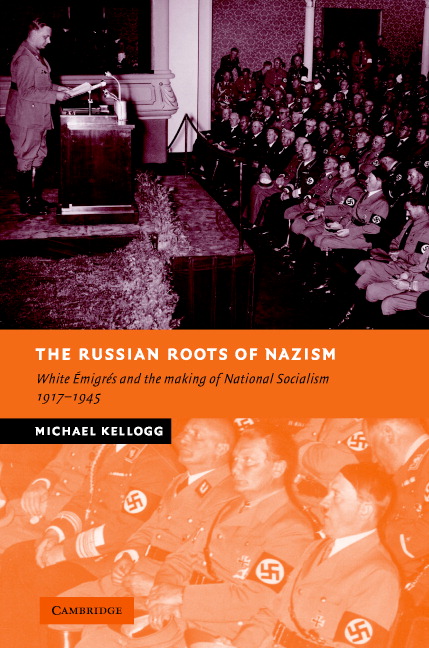
Michael Kellogg’s 2005 book, The Russian Roots of Nazism, argues that Russian “White émigrés” exerted financial, political-military, and ideological influences that “contributed extensively to the making of German National Socialism”. As such, argues Kellogg, Nazism “did not develop merely as a peculiarly German phenomenon”, but within an “international radical right milieu”. The book is interesting but deeply flawed, overstating its case by failing to set the facts it gathers in a proper context and for similar reasons misunderstanding where some of the Russian elements under discussion fit within the politics of the revolutionary upheaval after 1917, both within the borders of Russia and in exile in Europe. Continue reading
By Kyle Orton (@KyleWOrton) on 22 November 2021
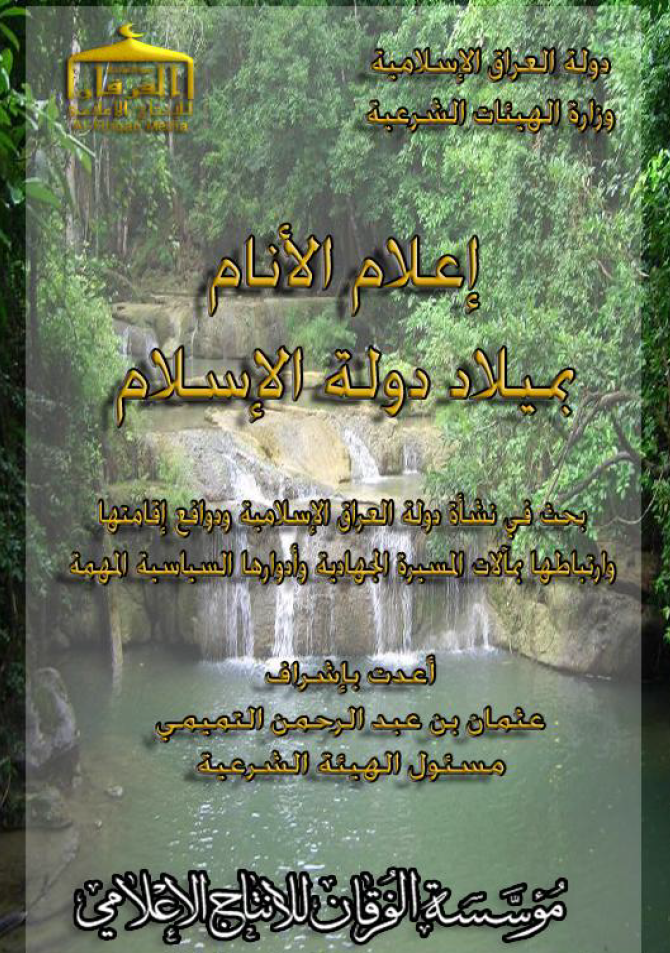
The Islamic State movement published an 87-page book, “Informing Mankind of the Birth of the Islamic State” or “Informing the People of the Birth of the Islamic State” (I’lam al-Anam bi-Milad Dawlat al-Islam), on 7 January 2007. The document was released by Al-Furqan Media Foundation, the central Islamic State propaganda institution, and first appeared on the World News Network website. A rough translation of the book appears below.
By Kyle Orton (@KyleWOrton) on 25 June 2021

Writing recently about the first meeting between Adolf Hitler and Francisco Franco at Hendaye on 23 October 1940, where the Führer tried to enlist Spain into the Axis, I concluded, drawing on Franco: The Man and His Nation by George Hills, a former BBC journalist and Fellow of the Royal Historical Society:
By Kyle Orton (@KyleWOrton) on 5 April 2021
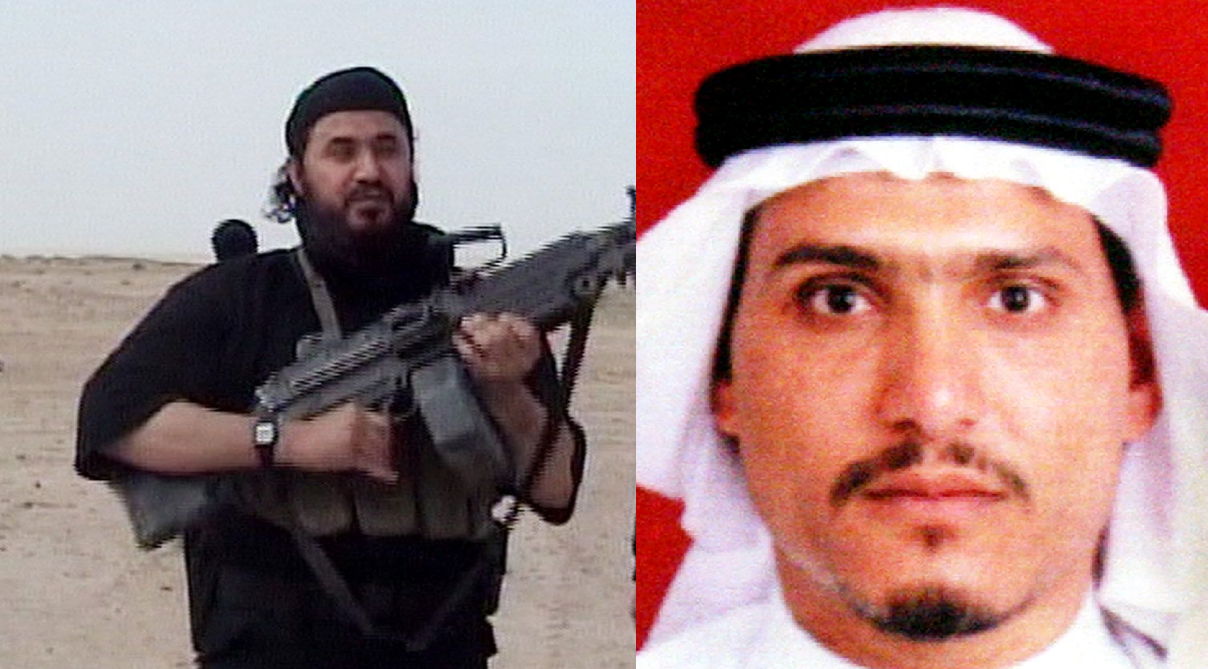
Ahmad al-Khalayleh (Abu Musab al-Zarqawi), the infamous founder of the Islamic State movement, known at the time as Al-Qaeda in Iraq (AQI) and formerly part of the Mujahideen Shura Council (MSC), was killed on 7 June 2006. Zarqawi’s successor was officially announced five days later, in a written statement released on 12 June, as Abu Hamza al-Muhajir, an Egyptian with a long history in and around Al-Qaeda. The next day, 13 June 2006, Abu Hamza gave his first speech as AQI emir, entitled, “The Gathering Will Be Defeated and They Will Turn Their Backs [in Retreat]”, drawn from an ayat of the Qur’an (54:45). The statement and the speech are translated below.
By Kyle Orton (@KyleWOrton) on 21 March 2021
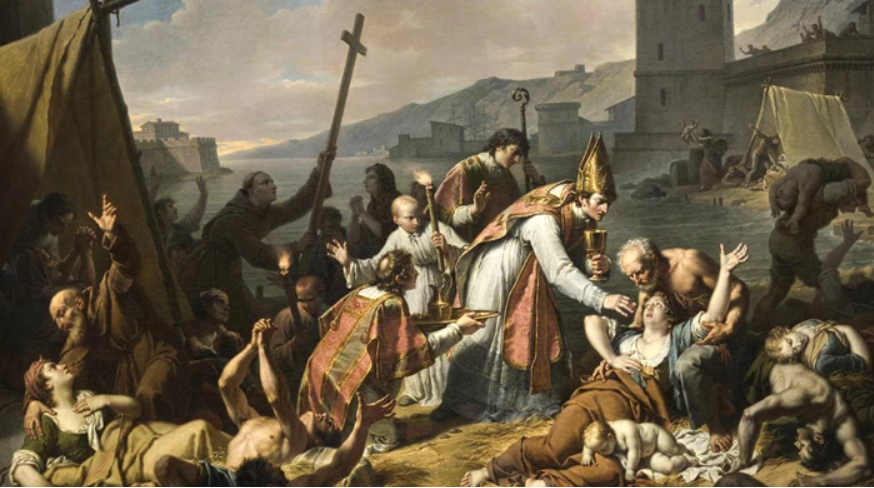
Almost exactly a year ago, the British government announced the first lockdown to counter the effects of the coronavirus pandemic, and around the same time such measures were adopted in almost every other country. With Britain having now vaccinated nearly half the country, including all of the most vulnerable, and Prime Minister Boris Johnson having set out a timetable for the lifting of restrictions, it is possible to think of the post-COVID 19 situation and to wonder about how or if it will be different to what came before. Continue reading
By Kyle Orton (@KyleWOrton) on 2 March 2021
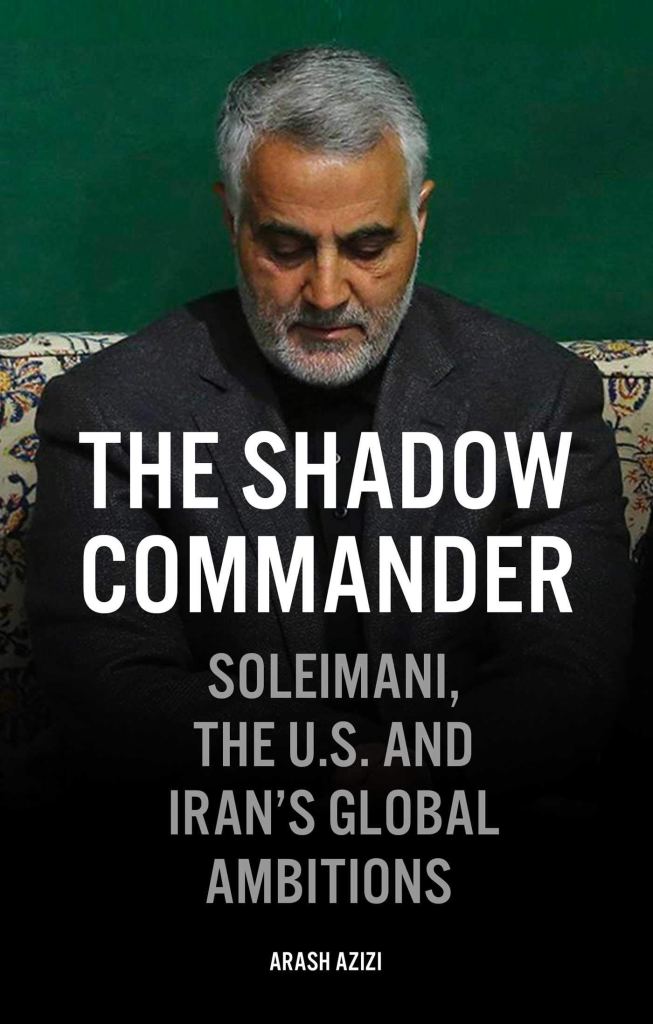
A year ago, U.S. President Donald Trump gave the order to kill Qassem Soleimani, the de facto deputy leader of Iran. Arash Azizi’s The Shadow Commander: Soleimani, the U.S., and Iran’s Global Ambitions is an effort to explain who Soleimani was, how he rose to controlling the lives of millions of people well outside the borders of Iran, and how in the end he was brought down. Continue reading

 Kyle Orton's Blog