Tag Archives: Britain

Islamic State Expands its Foreign Attacks Capacity As the Caliphate Collapses

Published at The International Business Times

By Kyle Orton (@KyleWOrton) on 23 March 2017
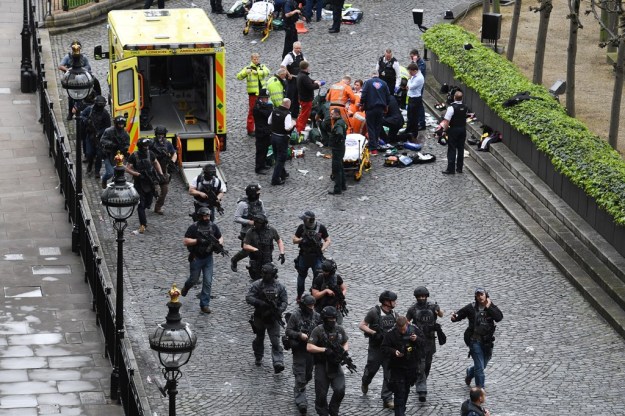
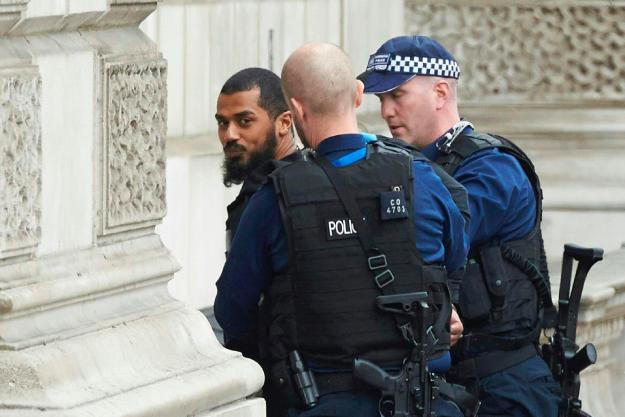
Aftermath of the Islamic State terrorist attack in Westminster, March 2017 (image source)

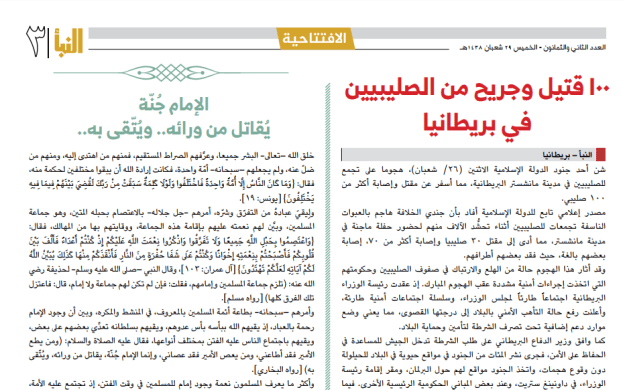
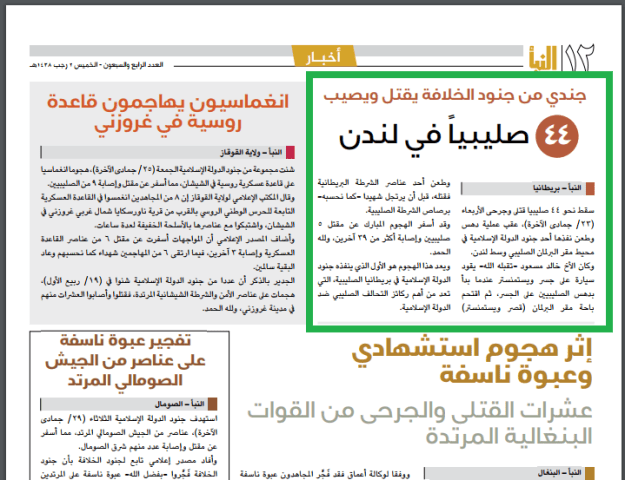
Just after 2:30pm yesterday afternoon, a terrorist mowed down pedestrians with a car on Westminster Bridge before jumping out near Parliament and stabbing a police officer to death. Three people were murdered, forty were injured, and the attacker was shot dead. The Islamic State (ISIS) has now claimed the attack.

The most important question is whether the terrorist had co-conspirators. Prime Minister Theresa May told Parliament this morning that it is “believed that this attacker acted alone”. It is crucial that this is not misread as saying that the attacker was a ‘lone wolf’. The arrests in Birmingham overnight suggest that this killer could have been part of a broader network, which would be consistent with the pattern of ISIS behaviour.

In a new report for the Henry Jackson Society, documents 152 foreign ISIS attacks in 34 countries since 2002, the vast majority in the past two years. In nearly three-quarters of the cases the attacks have a direct link to the organisation, and those without often have accomplices who assist in the atrocities in some way. Just 15% of the attacks have been by inspired individuals, who had no demonstrated connection to ISIS or anyone else in planning or executing their attack. Continue reading

More Police Are No Substitute for Tackling Islamist Ideology

By Kyle Orton (@KyleWOrton) on August 5, 2016

Published at Newsweek

In the past two years, and especially over the last month, the Islamic State militant group has launched a coordinated campaign of terrorism in Europe. Among these recent attacks was the murder of 84 people in Nice by a man who ploughed a truck into Bastille Day crowds, and the brutal killing of a priest in Normandy when two young men stormed a church.

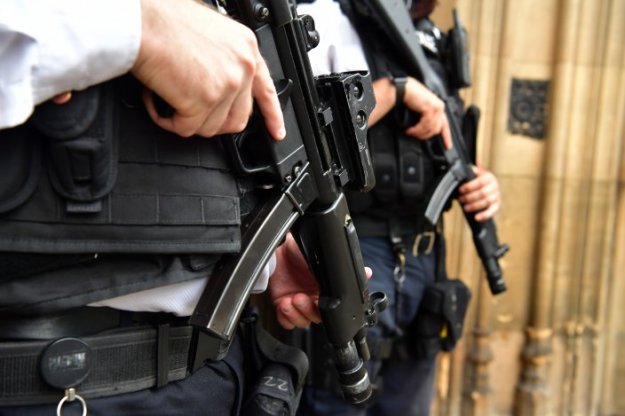
Now, the number of armed police in London, and ultimately across the U.K., is set to increase significantly. These additional forces will patrol landmarks and other areas where large numbers of people congregate. An attack in Britain is “highly likely … a case of when, not if,” according to the commissioner of the Metropolitan Police Sir Bernard Hogan-Howe. A stabbing in the British capital Wednesday is not currently being treated as an extremist act but has underlined the perceived need for an increased police presence. Continue reading

Brexit: Some Thoughts

By Kyle Orton (@KyleWOrton) on July 2, 2016

1

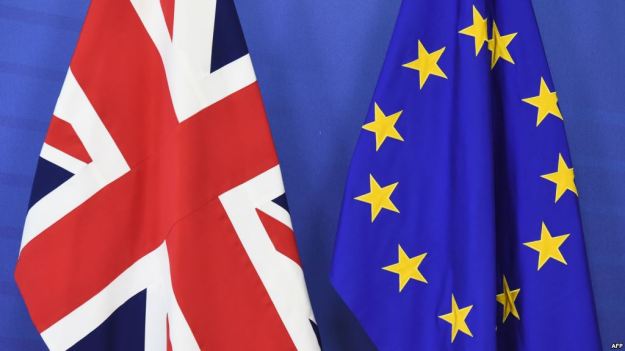
In the immediate aftermath of the 23 June referendum vote in which the United Kingdom chose to leave the European Union there was a good deal of chaos in British politics. The Prime Minister resigned, a full-scale revolt erupted against the Leader of the Opposition, the pound plunged to its lowest level since 1985, and a nasty spate of racist incidents were recorded across the country. At a week’s remove, some order has begun to re-assert itself. Continue reading

Islamic State Denounces Those Who Make Palestine the Foremost Muslim Cause

By Kyle Orton (@KyleWOrton) on April 2, 2016

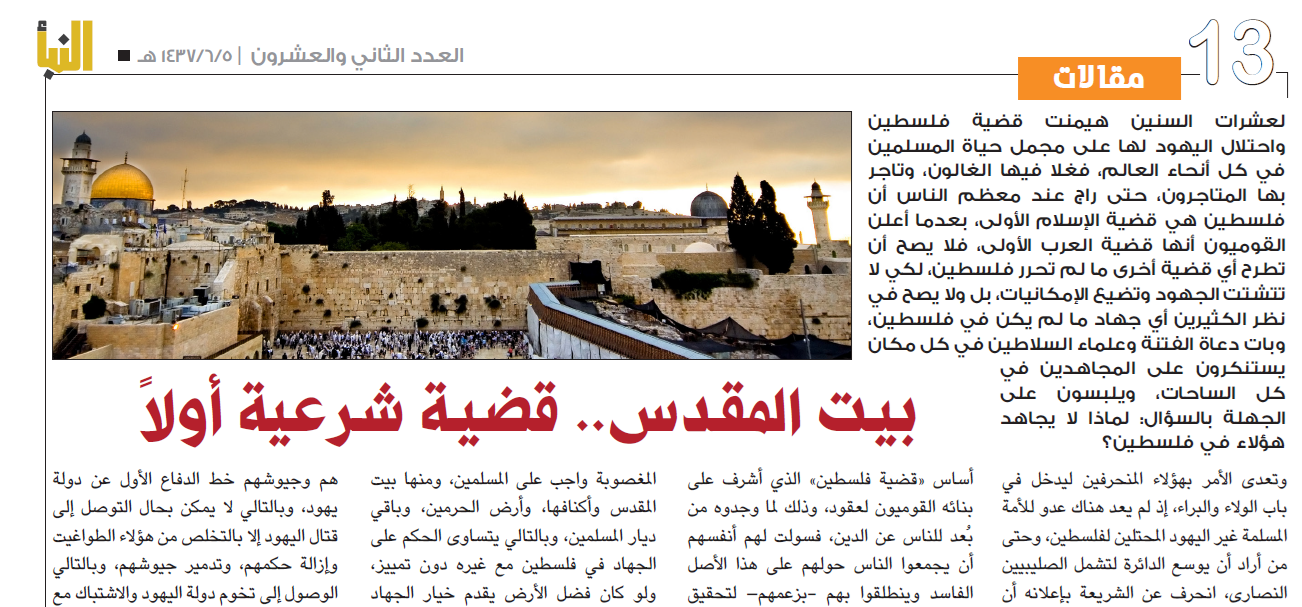
An article in the twenty-second edition of al-Naba, the Islamic State’s (IS) newsletter, released on 15 March 2016, explained why the group has not made fighting Israel a priority.

Continue reading

Litvinenko Verdict: What Happens Now?

By Kyle Orton (@KyleWOrton) on January 25, 2016

Published at Left Foot Forward.

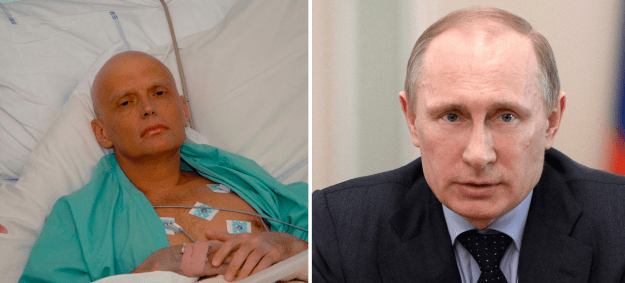
The British inquiry into the death of Alexander Litvinenko concluded on Thursday, making official what everyone already knew: the Russian intelligence services, “probably” at the direct order of Russian President Vladimir Putin, murdered Litvinenko in London in November 2006.

Welcome as it is to have this on the record and to have Litvinenko’s killers named for all the world to see, it now leaves questions, primarily:

Will similar forensic scrutiny be brought to bear on several other odd instances of political and other crime in Russia?

And what does the British government intend to do now that the Kremlin is carrying out assassinations on its territory again? Continue reading

If Assad Is Not Forced Out, ISIS Never Will Be

By Kyle Orton (@KyleWOrton) on December 3, 2015

A version of this article was published at The Independent.

1

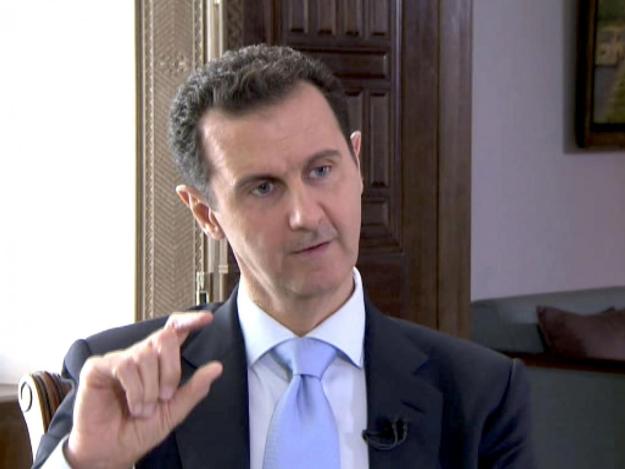
Yesterday, the British House of Commons voted 397 to 223 to extend airstrikes against the Islamic State (ISIS) into Syria from Iraq. After the vote in August 2013 against military action to punish Syrian dictator Bashar al-Assad for the massive poison gas attack outside Damascus that killed 1,500 people in a few hours, this is undoubtedly a sign of a recovery in confidence of Britain’s international role, but it is only the beginning. Continue reading

The Islamic State Can’t Be Defeated Without Fighting it in Syria

By Kyle Orton (@KyleWOrton) on November 3, 2015

Published at Left Foot Forward.

An RAF Tornado fighter jet in Cyprus

An RAF Tornado fighter jet in Cyprus

This morning the House of Commons Foreign Affairs Committee published a report recommending that the British government should not extend its airstrikes campaign against the Islamic State (ISIS) from Iraq to Syria.

The report makes little legal or military sense, but its political objection—that the government’s attempt to defeat ISIS independently of a resolution to the Syrian war is untenable—is exactly right. Unfortunately the report, while very vague, hints that a resolution involves cooperation with the Bashar al-Assad regime and Iran, which cannot work, and actually helps ISIS. Continue reading

Britain’s New Syria Policy Concedes to Iran and Russia—and Keeps Assad in Power

By Kyle Orton (@KyleWOrton) on September 11, 2015

Published at Left Foot Forward

1

On 9 September the British government announced a new plan for dealing with Syria and the Islamic State (ISIS):

  1. Airstrikes when necessary into Syria to destroy the leadership of ISIS;
  1. Buttressing the Iraqi government in its fight with ISIS;
  1. Dropping the demand that Syrian dictator Bashar al-Assad step aside immediately and instead allowing Assad to lead a transition, in order that Russia and Iran will agree to Assad going at all.

All three parts of this plan push in a pro-Iran direction, and strengthen Assad. Continue reading

Britain’s Embassy in Iran Reopens, Putting Commerce Above Human Rights

By Kyle Orton (@KyleWOrton) on August 26, 2015

1

On Sunday the British Embassy in Iran was reopened after four years of closure. The British government’s decision is consistent with two emerging trends: the United States using the nuclear accord to facilitate détente with Iran, and European States falling into line with this policy and beginning to compete to enter the emerging Iranian market.

The British Embassy in Tehran was closed in November 2011 after ‘protesters’—a regime-orchestrated mob—stormed the building, ostensibly in protest against sanctions. The regime claimed helplessness in the face of angry demonstrators.

But it is worth remembering that when Iranian citizens take to the streets in a manner the regime actually disapproves of, it mobilises its security forces to murder them, and imprison them en masse in facilities where they are, male and female, raped as a form of punishment and torture. Continue reading

Book Review: A Shameful Act (2006) by Taner Akcam

By Kyle Orton (@KyleWOrton) on June 9, 20151

This is the complete review. It has previously been posted in three parts: Part 1 on the question of whether the 1915-17 massacres constitute genocide; Part 2 on the post-war trials and the Nationalist Movement; and Part 3 gives some conclusions on what went wrong in the Allied efforts to prosecute the war criminals and the implications for the present time, with Turkey’s ongoing denial of the genocide and the exodus of Christians from the Middle East.

A Question of Genocide

The controversy over the 1915-17 massacres of Armenian Christians by the Ottoman Empire is whether these acts constitute genocide. Those who say they don’t are not the equivalent of Holocaust-deniers in that while some minimize the figures of the slain, they do not deny that the massacres happened; what they deny is that the massacres reach the legal definition of genocide. Their case is based on three interlinked arguments:

  • Unlike the Nazi Holocaust when a defenceless population was murdered only for its identity, the Armenians were engaged in a massive armed revolt, and this is why the Ottoman government decided to deport them.
  • The intent of the Ottomans was not massacre but the removal of the Armenians, who had sided with one foreign invading power (Russia) and who were showing signs of collaborating with another (Britain), from the militarily sensitive areas as Turkey suffered a two-front invasion in early 1915.
  • While terrible massacres, plus starvation and the cold, took maybe a million lives during the deportations, when the Armenians reached their destinations in Syria and Iraq, which were also part of the Ottoman Empire, they were well-treated and allowed to rebuild their lives, which would not have been the case had the Ottomans intended their destruction.

Taner Akcam’s A Shameful Act: The Armenian Genocide and the Question of Turkish Responsibility presents evidence to undermine every one of these arguments. Continue reading