By Kyle Orton (@KyleWOrton) on 5 July 2025
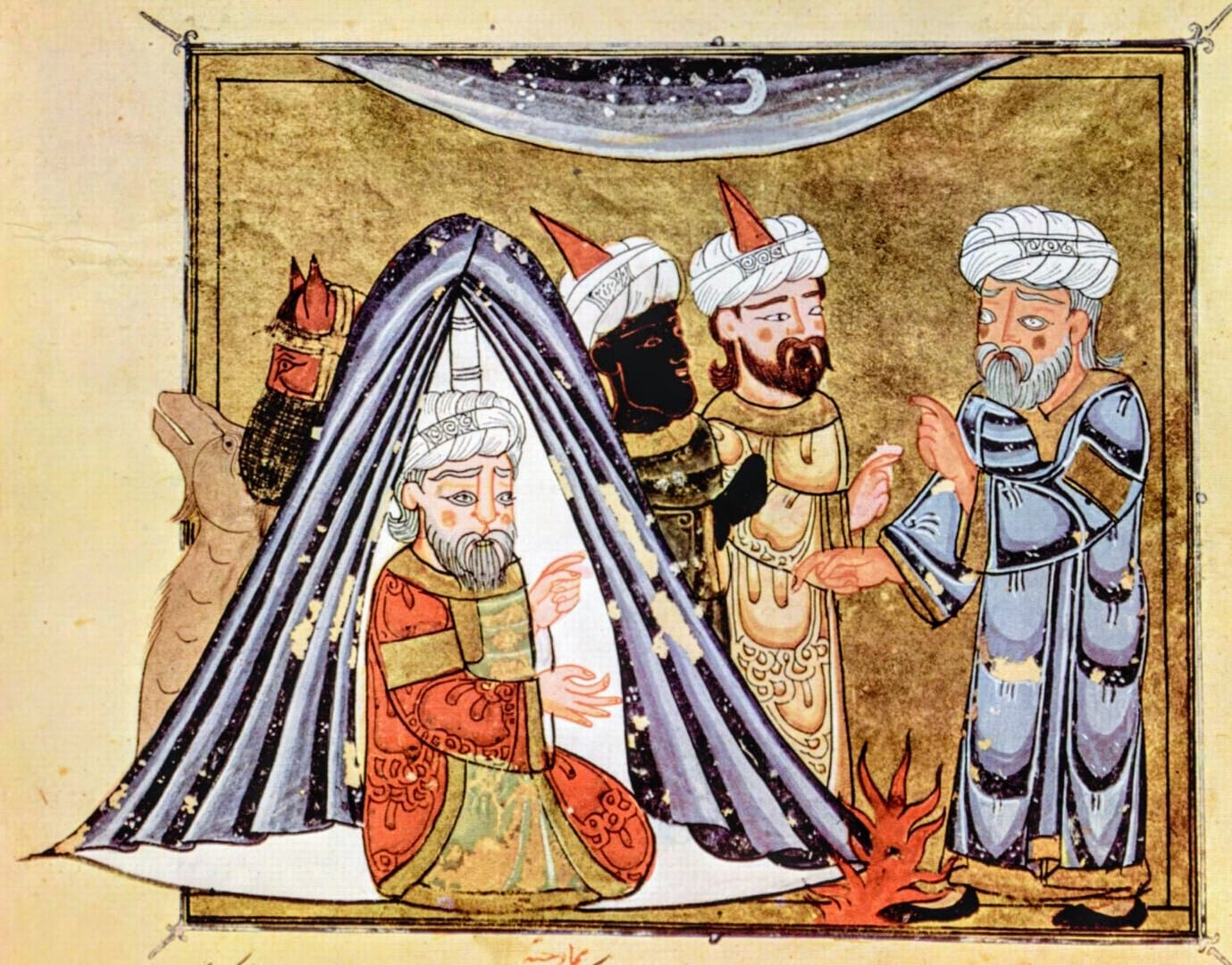
By Kyle Orton (@KyleWOrton) on 7 February 2025
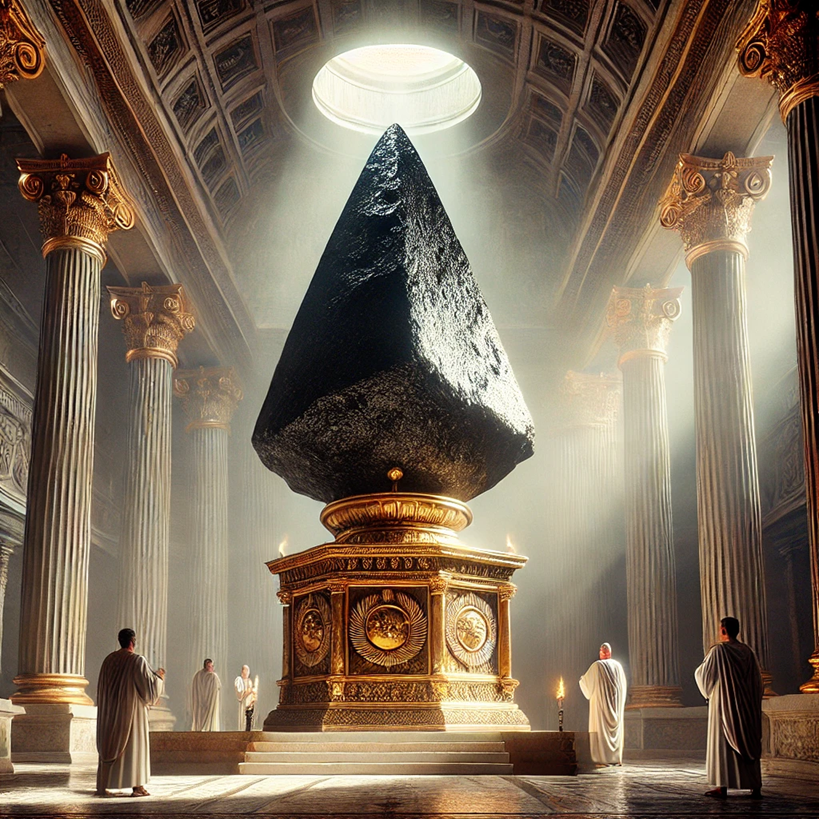
When Septimius Severus became Roman Emperor in 193 AD, his wife, whom he had married in 187, was Julia Domna, a native of Emesa (now Homs), meaning Rome had its first Syrian Empress.
By Kyle Orton (@KyleWOrton) on 12 June 2021
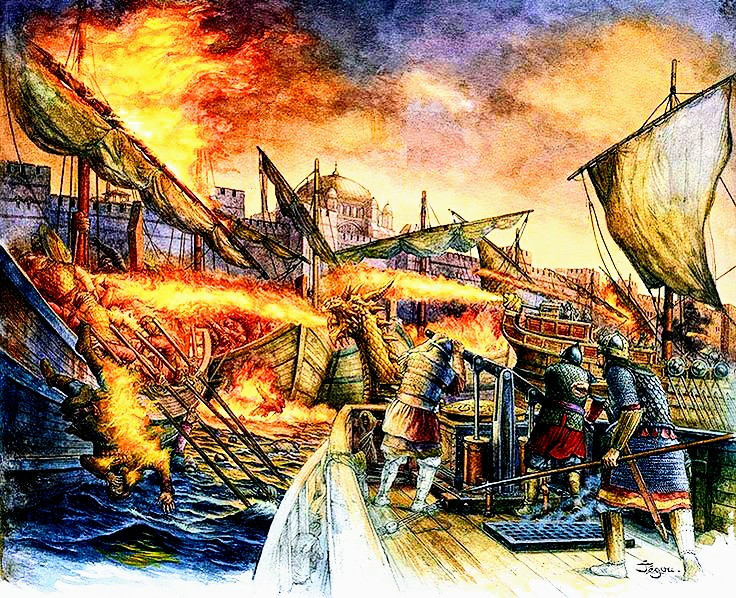
A painting representing the Byzantines use of “Greek fire” to repel the Arab siege of Constantinople, 674-78
The use of the word “Byzantium” for the Eastern Roman Empire is inescapable, though it is best thought of as a term of convenience rather than definition. For one thing, the inhabitants never called themselves “Byzantines”: they always thought of themselves as “Romans”, though using the Greek work “Romaioi”. The easiest way to see the problem is to ask: When did the Byzantine Empire begin? Continue reading
By Kyle Orton (@KyleWOrton) on 21 March 2021
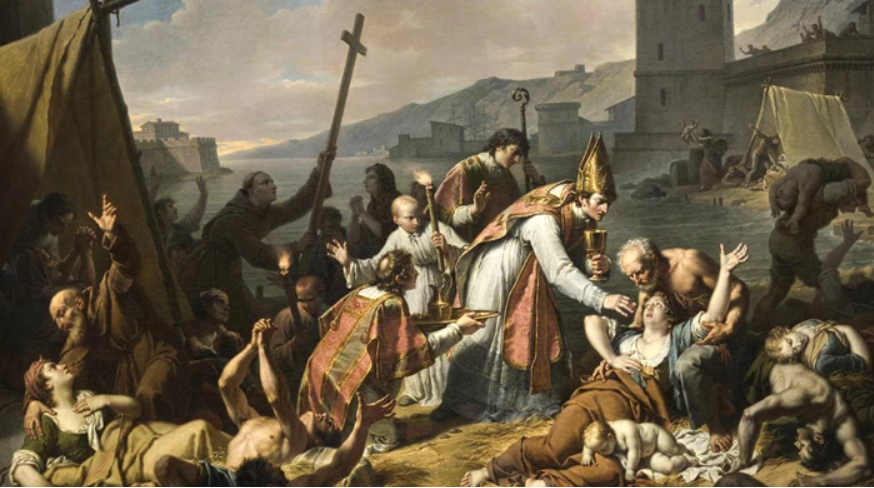
Almost exactly a year ago, the British government announced the first lockdown to counter the effects of the coronavirus pandemic, and around the same time such measures were adopted in almost every other country. With Britain having now vaccinated nearly half the country, including all of the most vulnerable, and Prime Minister Boris Johnson having set out a timetable for the lifting of restrictions, it is possible to think of the post-COVID 19 situation and to wonder about how or if it will be different to what came before. Continue reading


 Kyle Orton's Blog