By Kyle Orton (@KyleWOrton) on 31 August 2022

Islamic State fighters from Wilayat Sinai in Egypt || Al-Naba 348, p. 5
By Kyle Orton (@KyleWOrton) on 31 August 2022
Islamic State fighters from Wilayat Sinai in Egypt || Al-Naba 348, p. 5
By Kyle Orton (@KyleWOrton) on 27 January 2022
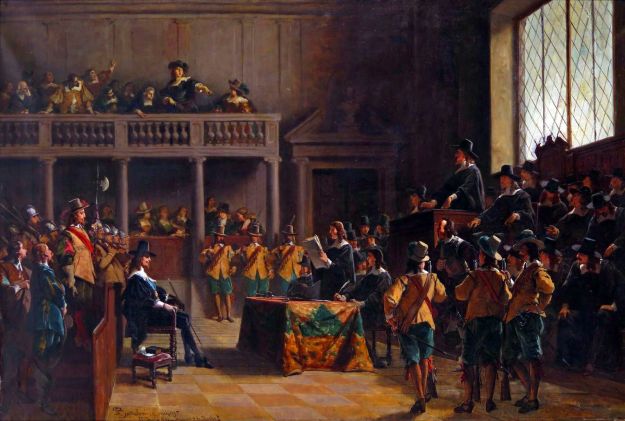
“Judgement of Charles I,” by Ladislaus Bakalowicz, 1650
By Kyle Orton (@KyleWOrton) on 9 August 2021
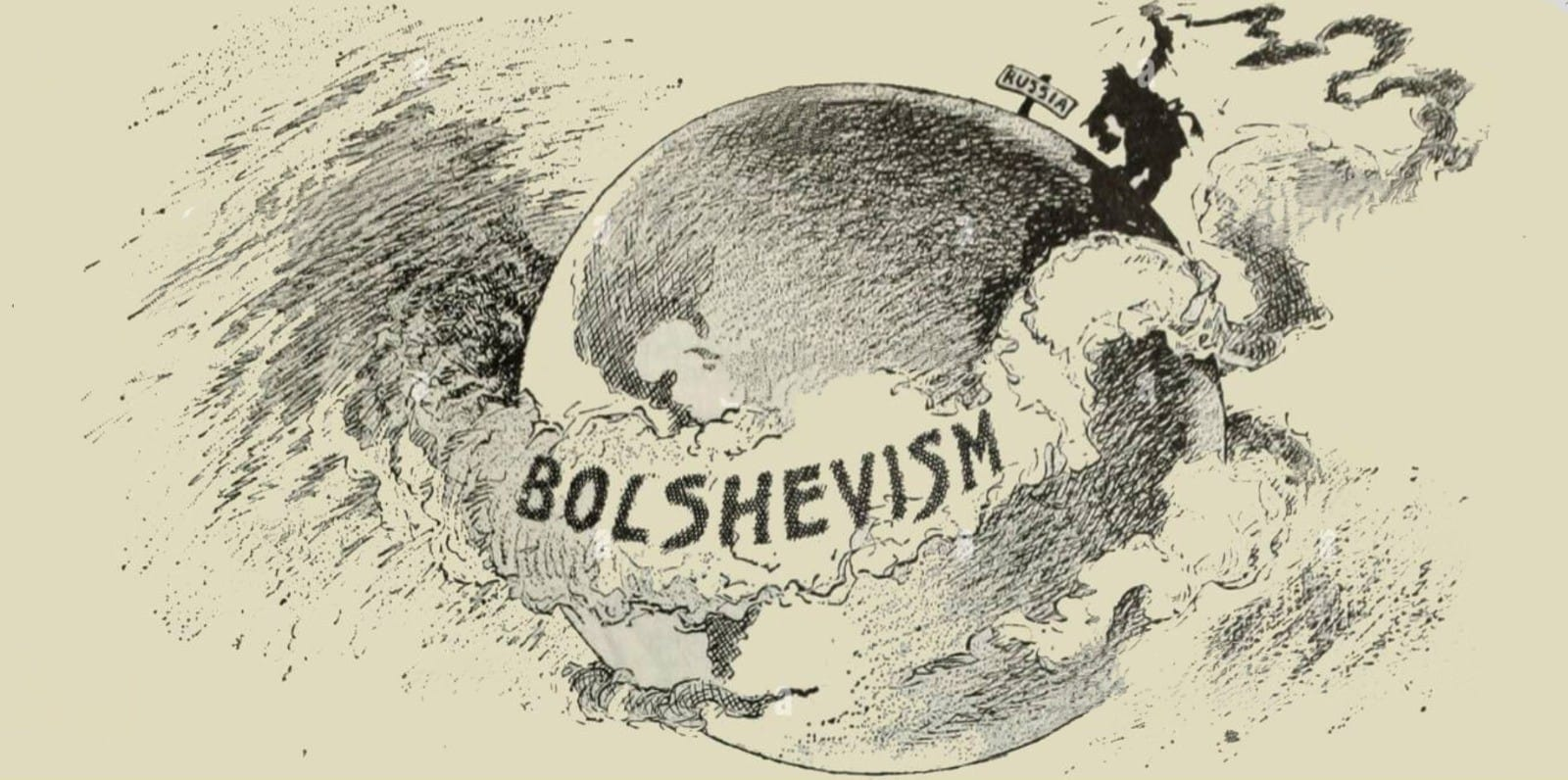
After the post looking at the relationship of Reuben Falber and the Communist Party of Great Britain (CPGB) to the Soviet Union—namely the total subservience of the former to the latter—a follow-up was intended on the broader issue of the how the KGB and its predecessors interacted with the “fraternal” Parties around the world. Eighteen months later, this is that post. Let’s blame COVID.
The accusation that the Communist Parties around the world were fronts for the KGB was often derided as “McCarthyism” while the Cold War was going on. Arguments about that term in general to one side,[1] it certainly did not apply in this case. The accusations as stated were entirely factual. Continue reading
By Kyle Orton (@KyleWOrton) on 25 June 2021

Writing recently about the first meeting between Adolf Hitler and Francisco Franco at Hendaye on 23 October 1940, where the Führer tried to enlist Spain into the Axis, I concluded, drawing on Franco: The Man and His Nation by George Hills, a former BBC journalist and Fellow of the Royal Historical Society:
By Kyle Orton (@KyleWOrton) on 19 June 2021

The dates that the four canonical Gospels of the New Testament were composed has a great impact for Christians, of course, but also for historians, particularly on the matter of whether Jesus ever existed, and really for everybody living in the civilisation this religion has built. Continue reading
By Kyle Orton (@KyleWOrton) on 12 June 2021
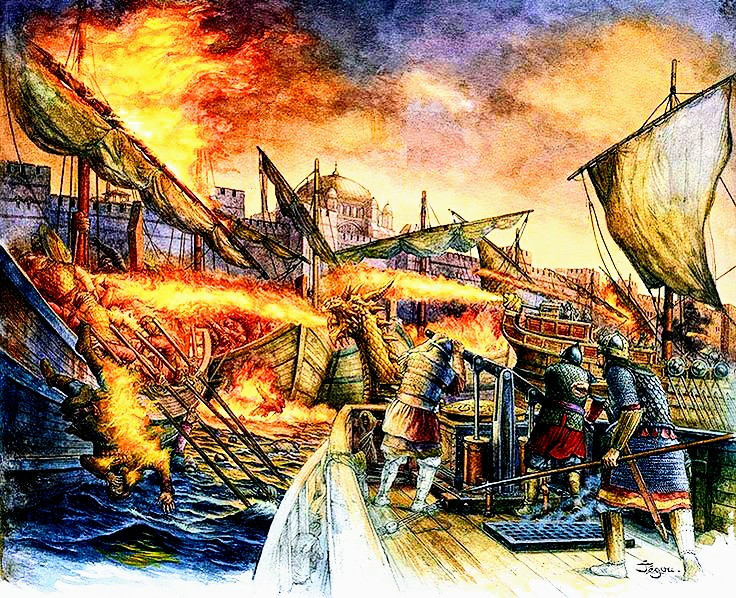
A painting representing the Byzantines use of “Greek fire” to repel the Arab siege of Constantinople, 674-78
The use of the word “Byzantium” for the Eastern Roman Empire is inescapable, though it is best thought of as a term of convenience rather than definition. For one thing, the inhabitants never called themselves “Byzantines”: they always thought of themselves as “Romans”, though using the Greek work “Romaioi”. The easiest way to see the problem is to ask: When did the Byzantine Empire begin? Continue reading
By Kyle Orton (@KyleWOrton) on 11 June 2021

The numbers on the growth of Christianity in the Roman Empire are very uncertain, but there are enough data points to hazard a reasonable estimate. Continue reading
By Kyle Orton (@KyleWOrton) on 21 March 2021
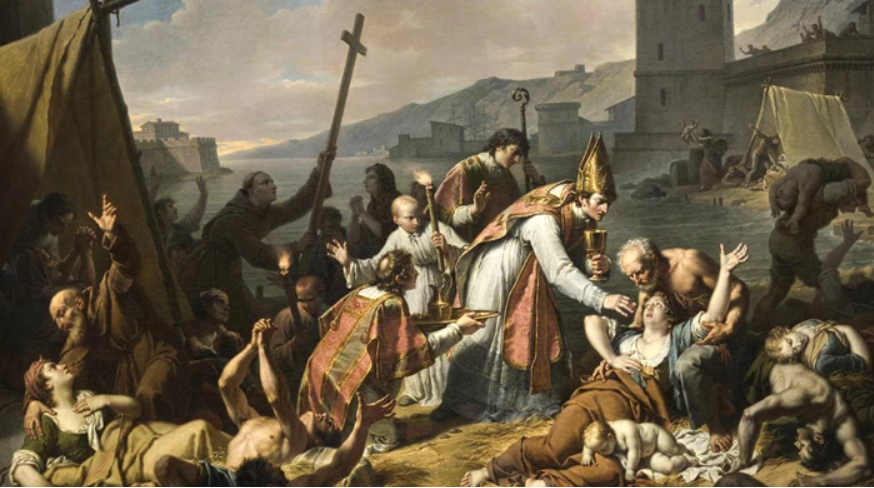
Almost exactly a year ago, the British government announced the first lockdown to counter the effects of the coronavirus pandemic, and around the same time such measures were adopted in almost every other country. With Britain having now vaccinated nearly half the country, including all of the most vulnerable, and Prime Minister Boris Johnson having set out a timetable for the lifting of restrictions, it is possible to think of the post-COVID 19 situation and to wonder about how or if it will be different to what came before. Continue reading

 Kyle Orton's Blog