By Kyle Orton (@KyleWOrton) on 9 September 2022

By Kyle Orton (@KyleWOrton) on 30 July 2022

Islamic State in Palmyra, December 2016
By Kyle Orton (@KyleWOrton) on 22 July 2022
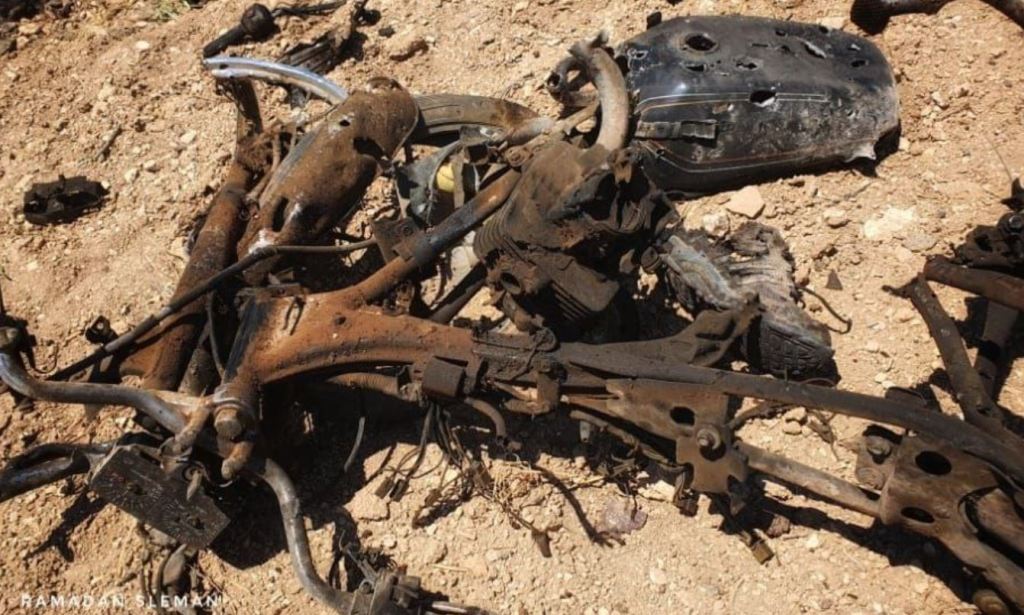
The United States announced on 12 July that it had killed the Islamic State’s (ISIS) governor of Syria in a drone strike in the village of Galtan in the Jinderes district of the north-western Syrian province of Efrin on the border with Turkey. The U.S. Central Command (CENTCOM) statement identified the slain man as “Maher al-Agal”, though a more precise transliteration is Maher al-Aqal (ماهر العقال). Riding on the motorcycle alongside Al-Aqal when he was killed was a “senior ISIS official” with whom he was “closely associated”. This ISIS official was “seriously injured during the strike”, CENTCOM notes, adding that the Jinderes strike caused no civilian casualties. Continue reading
By Kyle Orton (@KyleWOrton) on 22 October 2021
This article was originally published at European Eye on Radicalization

Sami Jassim al-Jaburi (Haji Hamid) | IMAGE SOURCE
Mustafa al-Khadhemi, the Iraqi Prime Minister, announced on the morning of 11 October that the Iraqi National Intelligence Service (INIS) had arrested Sami Jassim al-Jaburi (Haji Hamid), the effective finance emir of the Islamic State (ISIS), in “a complex external operation”. Continue reading
By Kyle Orton (@KyleWOrton) on 26 May 2020
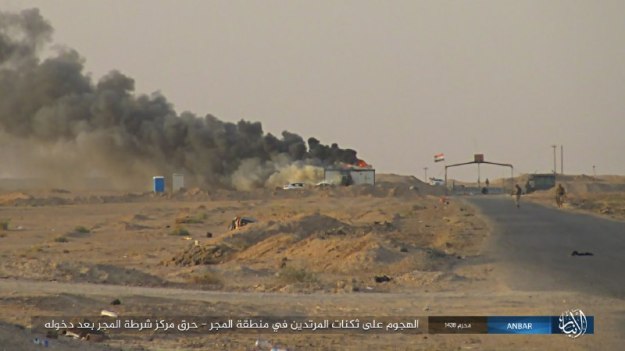
Islamic State Wilayat al-Anbar, October 2017
This morning, the Iraqi government announced that Moataz Numan al-Jaburi (Haji Tayseer), a senior member of the Islamic State (IS), had been killed in Deir Ezzor in eastern Syria by an airstrike from the U.S.-led Coalition, utilising intelligence supplied by Iraq’s Counter-Terrorism Service (CTS, Jihaz Mukafahat al-Irhab). Continue reading
By Kyle Orton (@KyleWOrton) on 23 May 2020
There is now, with various caveats, a general agreement that the Islamic State (IS) is on the upswing—in Iraq, particularly, but also in the Badiya, the desert regions of eastern Syria, and more recently in the south of Syria around Deraa. Still, there have been some recent notable gains against the terrorist group. Continue reading
By Kyle Orton (@KyleWOrton) on 8 November 2019
This article was originally published at European Eye on Radicalization under the headline, “Who is the New Leader of the Islamic State?”
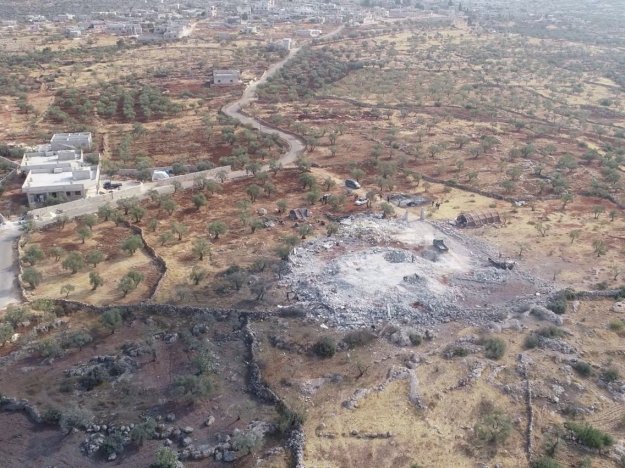
The destroyed compound where Abu Bakr al-Baghdadi was found in Syria // Drone footage taken by Turkey’s state-run Anadolu Agency
The so-called caliph of the Islamic State (ISIS), Ibrahim al-Badri (Abu Bakr al-Baghdadi), was killed in an American raid in Syria on 27 October, and the spokesman, Abu Hassan al-Muhajir, was killed the next day in an airstrike. ISIS acknowledged the losses and appointed new leaders on Halloween.
Abu Hamza al-Qurayshi introduced himself in a nearly-eight-minute audio statement as the new spokesman and named Abu Ibrahim al-Hashemi al-Qurayshi as Al-Baghdadi’s replacement. Little information was given about either man.
The U.S. government has said it knows “almost nothing” about the new caliph, Abu Ibrahim, leaving us no closer, for now, to knowing his identity. But some options present themselves. Continue reading
By Kyle Orton (@KyleWOrton) on 9 September 2018
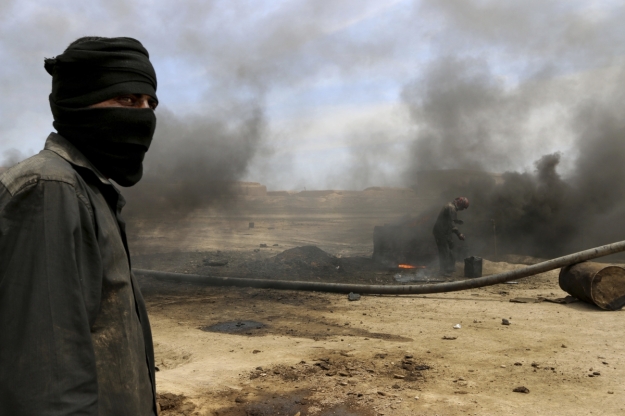
The United States has launched at least five raids into Syria to date, all of them against the Islamic State (IS).[1] The second such raid, on 15 May 2015, killed Fathi al-Tunisi (Abu Sayyaf al-Iraqi, Abu Muhammad al-Iraqi, or Abd al-Ghani), who oversaw critical revenue-generating criminal schemes for the group. Al-Tunisi was primarily responsible for the oil industry in eastern Syria, in which capacity he collaborated with Bashar al-Asad’s regime, and he worked as head of the Antiquities Division of IS Diwan al-Rikaz, which translates literally as the “Department of Precious Things That Come Out of the Ground”, usually given as the “Department of Natural Resources”. Al-Tunisi was what is sometimes termed a “middle manager”: the connective tissue between the most senior levels of the leadership and local administrators, ensuring smooth coordination between the two by inter alia keeping the books. In short, the kind of terrorist operative that keeps an organisation going. Continue reading

 Kyle Orton's Blog