By Kyle Orton (@KyleWOrton) on January 30, 2017
![Umar Hadid [right] (source)](https://kyleorton.co.uk/wp-content/uploads/2017/01/umar-hadid-1-right.jpg?w=286&h=194)
Umar Hadid [right] (source)
By Kyle Orton (@KyleWOrton) on January 30, 2017
Umar Hadid [right] (source)
By Kyle Orton (@KyleWOrton) on January 30, 2017
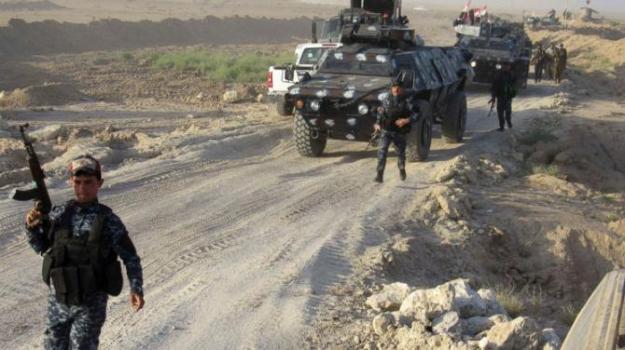
A profile of Umar Hadid, taken from the Islamic State’s “Distinguished Martyrs” series posted to a jihadist forum, is reproduced below with some interesting and important sections highlighted in bold. Hadid—variously known as Abu Khattab al-Falluji, Abu Khattab al-Ansari, and Abu Khattab al-Iraqi—was a native of Fallujah who took up Salafism in the late 1990s during the rule of Saddam Husayn, leading to clashes with the security forces and Hadid going into internal exile. After the fall of Saddam, Hadid quickly linked up with the elite circles of the nascent Islamic State movement, including its leader Ahmad al-Khalayleh (Abu Musab al-Zarqawi), his deputy Umar Yusef Jum’a (Abu Anas al-Shami), the military leader Mustafa Ramadan Darwish (Abu Muhammad al-Lubnani) and Abu Raghd who set up the Rawa Camp in Anbar Province, said to be the first terrorist training facility of the Iraqi jihad, and Abdallah Najem al-Jawari (Abu Azzam al-Iraqi), the chief financier and Anbar governor in 2004 before being appointed emir of Baghdad in 2005. Hadid was the leader of the insurgency in the two battles at Fallujah in 2004, being killed during the second of them. Continue reading
By Kyle Orton (@KyleWOrton) on January 29, 2017
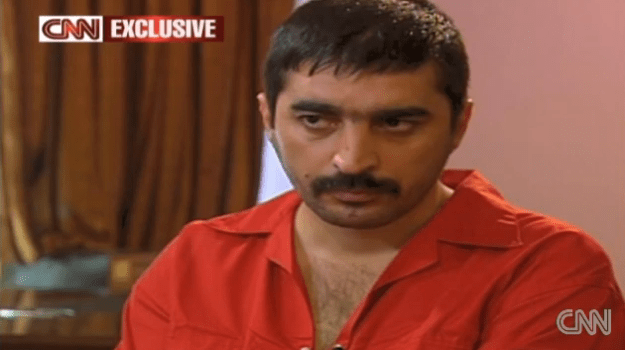
Manaf al-Rawi
Manaf Abdul Rahim al-Rawi was the leader of operations in Baghdad for the Islamic State of Iraq (ISI), the predecessor to the Islamic State (IS), between 2008 and his arrest in 2010. Al-Rawi had been with IS from its earliest days and his arrest in 2004 only advanced him through the ranks as he networked in prison. Upon release and assumption of the post of wali (governor) of Baghdad, al-Rawi was responsible for some of the worst atrocities in 2009 and 2010 in that city. Al-Rawi was executed in prison in 2013. Continue reading
By Kyle Orton (@KyleWOrton) on January 28, 2017
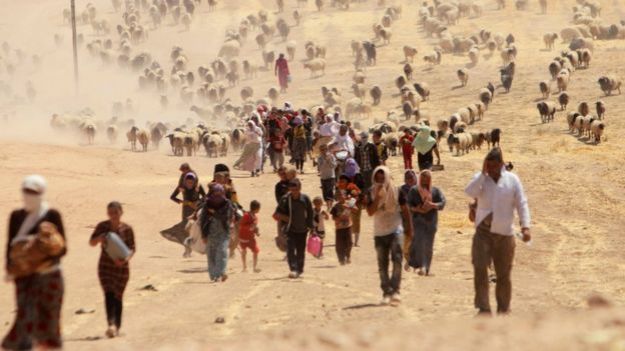
Abdallah Najem al-Jawari (Abu Azzam al-Iraqi) was something like the Islamic State (IS) movement’s first Finance Minister and a senior regional official, first in his native Anbar—he was from Fallujah—and later in Baghdad. Joining the group quickly after the collapse of the Saddam Husayn regime, al-Jawari was killed in 2005. Al-Jawari remains among those commemorated by IS as founders who set the stage for the current rise of “the State”.
Continue reading
Originally published at The Henry Jackson Society.
By Kyle Orton (@KyleWOrton) on December 16, 2016
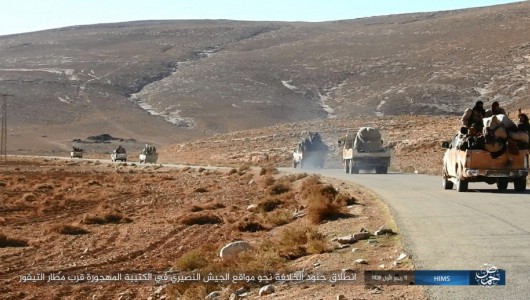
The Islamic State (IS) has named a new official spokesman, Abu Hassan al-Muhajir. Abu Hassan is the fourth man to hold the position of spokesman within the IS movement, and the third since it declared statehood in 2006. Very little is known about Abu Hassan but assessing the history of IS’s media enterprise offers some hints about his profile. In this regard, a new paper by Dr. Craig Whiteside of the International Centre for Counter Terrorism Terrorism is instructive. Looking forward, examining Abu Hassan’s inaugural speech offers some clues about the direction IS’s messaging and behaviour will take now as its statelet shrinks under pressure from the U.S.-led Coalition. Continue reading
By Kyle Orton (@KyleWOrton) on August 7, 2016
This post is drawn from a recent report I published profiling the leadership of the Islamic State.
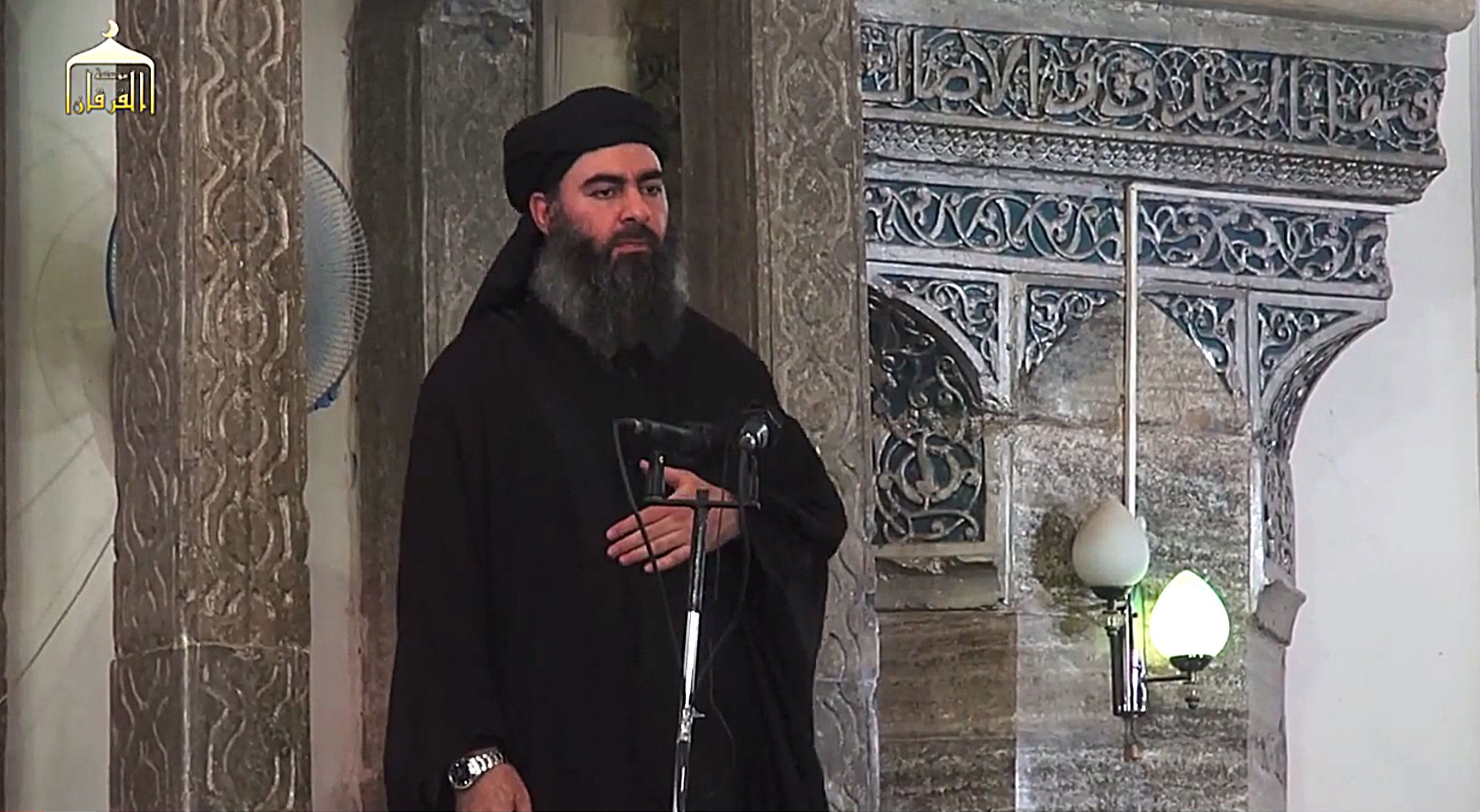
The leader of the Islamic State (IS) since 2010 has been Abu Bakr al-Baghdadi, previously known as Abu Dua or Abu Awad, and his real name—acknowledged by IS itself since the declaration of the so-called Caliphate in 2014—is Ibrahim Awwad Ibrahim Ali Muhammad al-Badri al-Samarrai.
By Kyle Orton (@KyleWOrton) on April 26, 2016
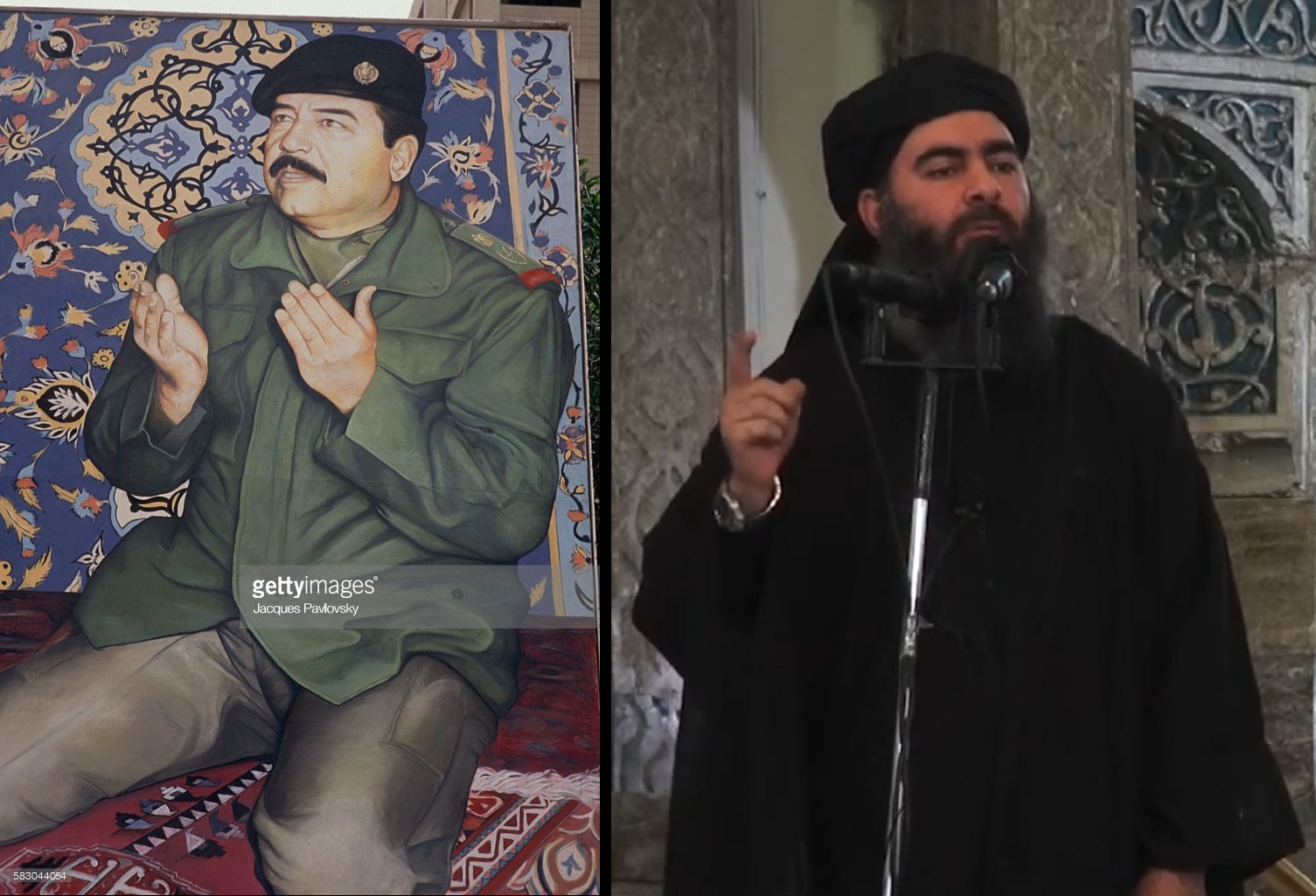
This essay, written to tie together my work on the relationship between the Saddam Hussein regime and the Islamic State, was completed last summer and submitted to an outlet, where it entered a form of development hell. After giving up on that option late last year, the opportunity arose to get a shorter version published in The New York Times in December. But I procrastinated too long over what to do with the full essay and a recent change in my work situation means I no longer have the bandwidth to go through the process of finding it a new home, so here it is.
“Abu-Bakr al Baghdadi is a product of the last decade of Saddam’s reign,” argues Amatzia Baram, a scholar of Iraq. He is correct in at least three ways. First, in its last decade in power, the Iraqi Ba’ath regime transformed into an Islamist government, cultivating a more religious, sectarian population on which the Islamic State (ISIS) could draw. Part of Saddam Hussein’s “Faith Campaign” also involved outreach to Islamist terrorists, including al-Qaeda, which meant that the synthesis of Ba’athism and Salafism that fused into the Iraqi insurgency after the fall of Saddam was already well advanced by the time the Anglo-American forces arrived in Baghdad in 2003. Second, the ISIS leadership and military planning and logistics is substantially reliant on the intellectual capital grown in the military and intelligence services of the Saddam regime. And finally, the smuggling networks on which ISIS relies, among the tribes and across the borders of Iraq’s neighbours, for the movement of men and materiel, are directly inherited from the networks erected by the Saddam regime in its closing decade to evade the sanctions. The advantages of being the successor to the Saddam regime make ISIS a more formidable challenge than previous Salafi-jihadist groups, and one that is likely to be with us for some time.
By Kyle Orton (@KyleWOrton) on January 12, 2016
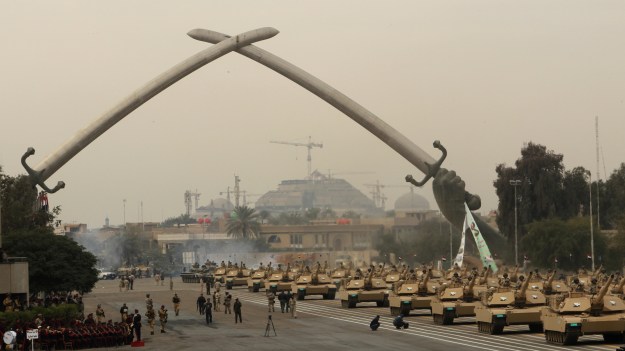
The “Victory Arch,” which Saddam built after the war with Iran. (January 2012)
About three weeks ago I wrote a piece for The New York Times explaining the evolution of Saddam Hussein’s regime away from the hard-secularism of its Ba’athist origins, and how this had prepared the ground for the Islamic State (IS). I received much positive feedback, but the social media reaction was inevitable: little thought and much anger, particularly from people who view Iraqi history through a political prism and felt I was trying to exculpate George W. Bush. With rare exceptions, the critique could hardly be called thoughtful. So it is nice to finally have such a critique to deal with, from Samuel Helfont and Michael Brill in today’s Foreign Affairs. Continue reading
By Kyle Orton (@KyleWOrton) on September 28, 2015
A version of this article was published at NOW Lebanon and syndicated at Business Insider

American intelligence analysts have been pressured into giving a more positive assessment of the progress of the war against the Islamic State (ISIS), it has been reported, confirming what was obvious to everyone not subject to influence from the White House: the anti-ISIS campaign is failing. To devise an effective strategy involves understanding where ISIS came from, and that involves examining the Saddam Hussein regime.
Saddam is commonly regarded as the quintessential secularist, and he was initially. But over its last fifteen years the Saddam regime Islamized, effectively creating a religious movement under Saddam’s leadership, giving additional space and power to the non-governmental Salafi Trend, and hardening the sectarian differences in Iraq—paving the way for something like ISIS in its aftermath. Continue reading
By Kyle Orton (@KyleWOrton) on October 2, 2014
A purported defector from the Islamic State, known only as “Abu Ahmad,” released testimony online on 5 April 2014 via the Syrian opposition news site al-Durar al-Shamiya under the heading, “The Concealed Truths About al-Baghdadi’s State”. Abu Ahmad describes himself as “one of the mujahideen in Khorasan [Afghanistan-Pakistan] and Iraq, and now in al-Sham [Syria],” and it is quite clear that Abu Ahmad has defected to al-Qaeda. On 25 September 2014, an English version of this testimony was posted on the Fund for Fallen Allies website. It has been reposted below—with some editions to transliteration and syntax—to avoid it being lost. Continue reading
 Kyle Orton's Blog