Tag Archives: jihadism

The Fall of Afghanistan and Western Foreign Fighters

By Kyle Orton (@KyleWOrton) on 22 February 2022

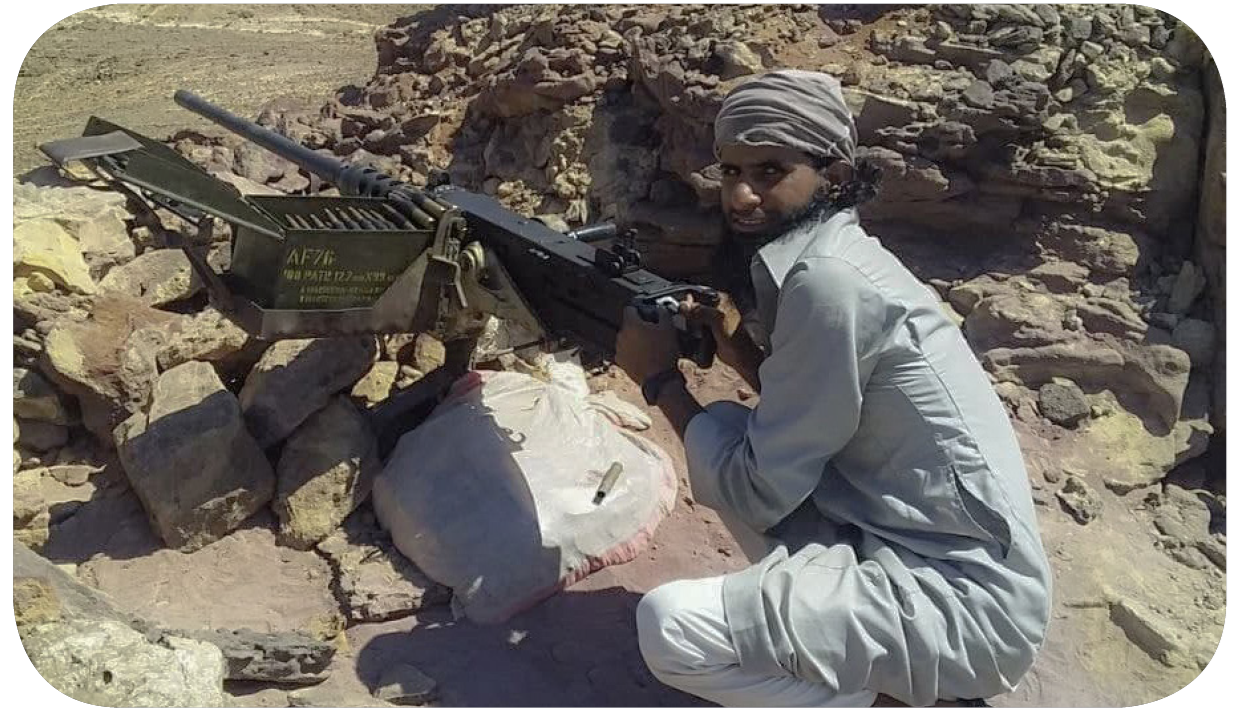
Kabul, the capital of Afghanistan, fell to jihadists on 15 August 2021, and this has emboldened the jihadist movement across the world, providing it with a morale boost and a model, as well as renewing the terrorist safe haven that incubated 9/11. Continue reading

Islamic State’s War With Christianity in Africa

By Kyle Orton (@KyleWOrton) on 17 January 2022

Al-Naba 320

Continue reading

The 2007 Islamic State Book “Informing Mankind” of its Justifications for the Caliphate

By Kyle Orton (@KyleWOrton) on 22 November 2021

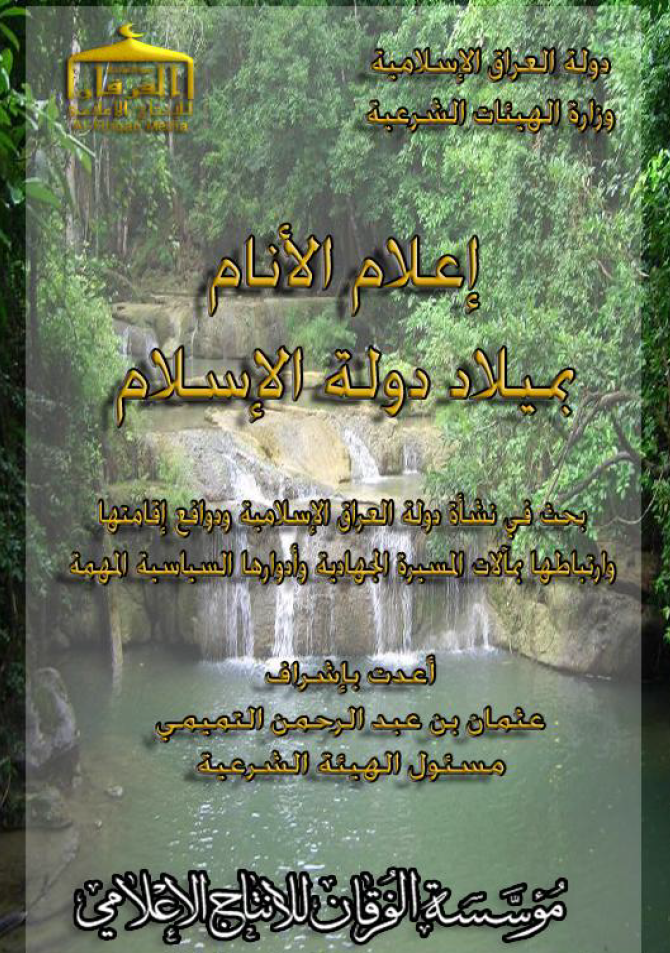
The Islamic State movement published an 87-page book, “Informing Mankind of the Birth of the Islamic State” or “Informing the People of the Birth of the Islamic State” (I’lam al-Anam bi-Milad Dawlat al-Islam), on 7 January 2007. The document was released by Al-Furqan Media Foundation, the central Islamic State propaganda institution, and first appeared on the World News Network website. A rough translation of the book appears below.

Continue reading

The Taliban Supreme Leader Emerges—Maybe

By Kyle Orton (@KyleWOrton) on 1 November 2021

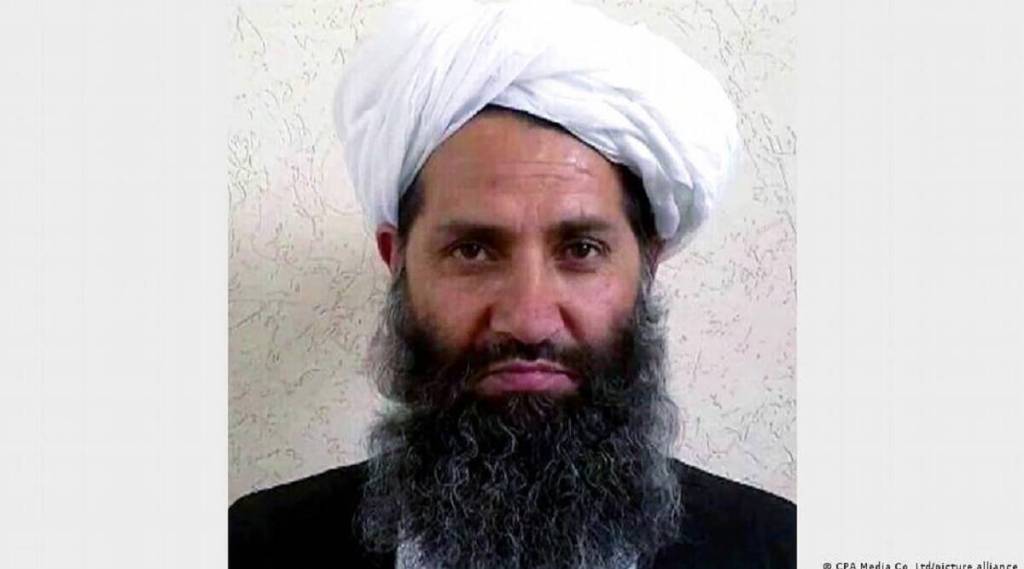
Hibatullah Akhundzada

A ten-minute audio tape attributed to the Taliban’s Supreme Leader Hibatullah Akhundzada appeared on 30 October, the first such communication since the jihadist takeover of Afghanistan in August. Hailed as Akhundzada’s “first public appearance” or his decision to step into “the limelight”, the reality is more complicated. Continue reading

The Capture of the Islamic State “Finance Minister” and the Impact of Leadership Losses

By Kyle Orton (@KyleWOrton) on 22 October 2021

This article was originally published at European Eye on Radicalization

Sami Jassim al-Jaburi (Haji Hamid) | IMAGE SOURCE

Mustafa al-Khadhemi, the Iraqi Prime Minister, announced on the morning of 11 October that the Iraqi National Intelligence Service (INIS) had arrested Sami Jassim al-Jaburi (Haji Hamid), the effective finance emir of the Islamic State (ISIS), in “a complex external operation”. Continue reading

India’s Options in Afghanistan

By Kyle Orton (@KyleWOrton) on 6 October 2021

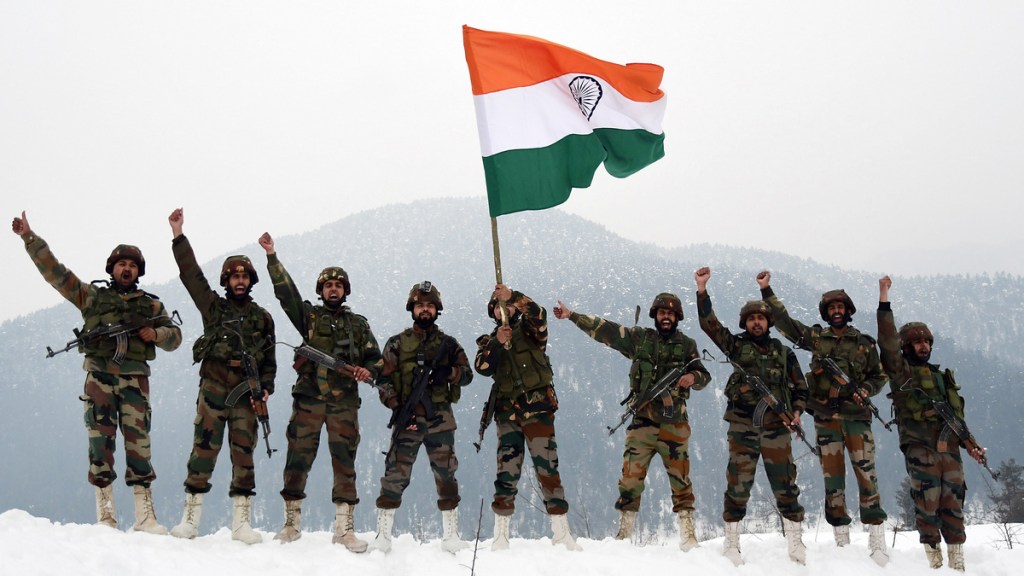
Army Jawans hold the National Flag near the snow-covered border on the 71st Republic Day (ANI Photo)

The U.S. Deputy Secretary of State Wendy Sherman arrived in India today for a three-day visit. Afghanistan will be high on the agenda. Continue reading

Tajikistan and the Afghan Resistance

By Kyle Orton (@KyleWOrton) on 1 October 2021

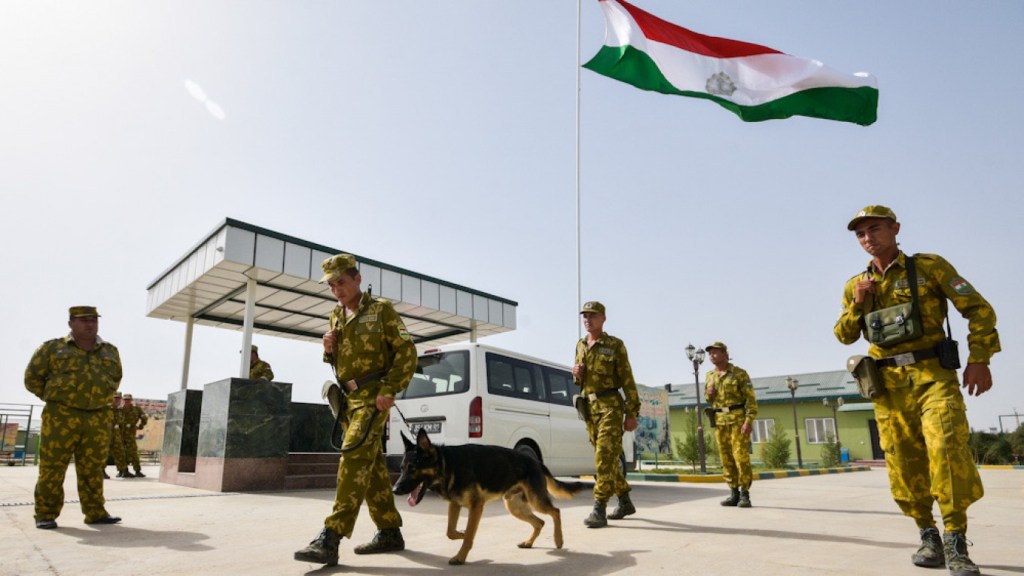
Since the takeover of Afghanistan by a coalition of jihadists controlled by Pakistan, the one neighbouring state to vocally object is Tajikistan, which has extended support to the remaining anti-Taliban resistance. This is a reprise of Tajikistan’s role in the 1990s, when it provided a rear base to the United Islamic Front (UIF) or “Northern Alliance”, and was the gateway for the states supporting the UIF, notably Pakistan’s great rival India. Continue reading

Islamic State Says the Massacre at Kabul Airport Shows They Are the True Jihadists

By Kyle Orton (@KyleWOrton) on 9 September 2021

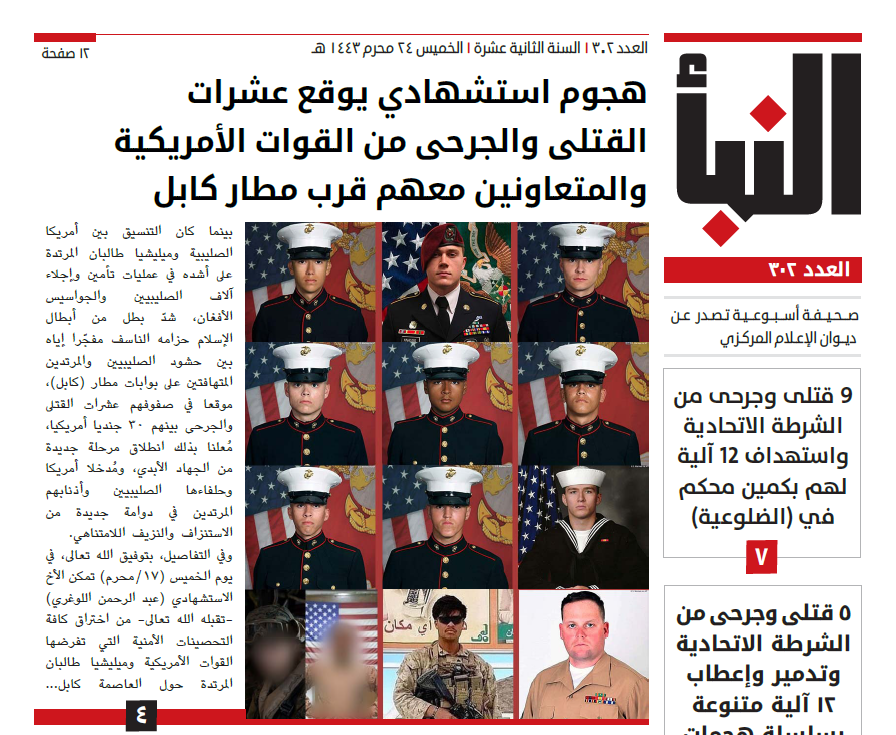
Front page of Al-Naba 302

The Islamic State (IS) released the 302nd edition of Al-Naba, its weekly newsletter, on 2 September. The major focus of Al-Naba 302 was the 26 August bombing of the Kabul Airport by IS’s “Khorasan Province” (ISKP) that killed nearly 200 people, including thirteen members of the U.S. military (eleven marines, one soldier, and one navy corpsman), and wounded 150 people. Continue reading

A Historical Look at the Taliban’s Capabilities and Popularity

By Oved Lobel on 1 September 2021

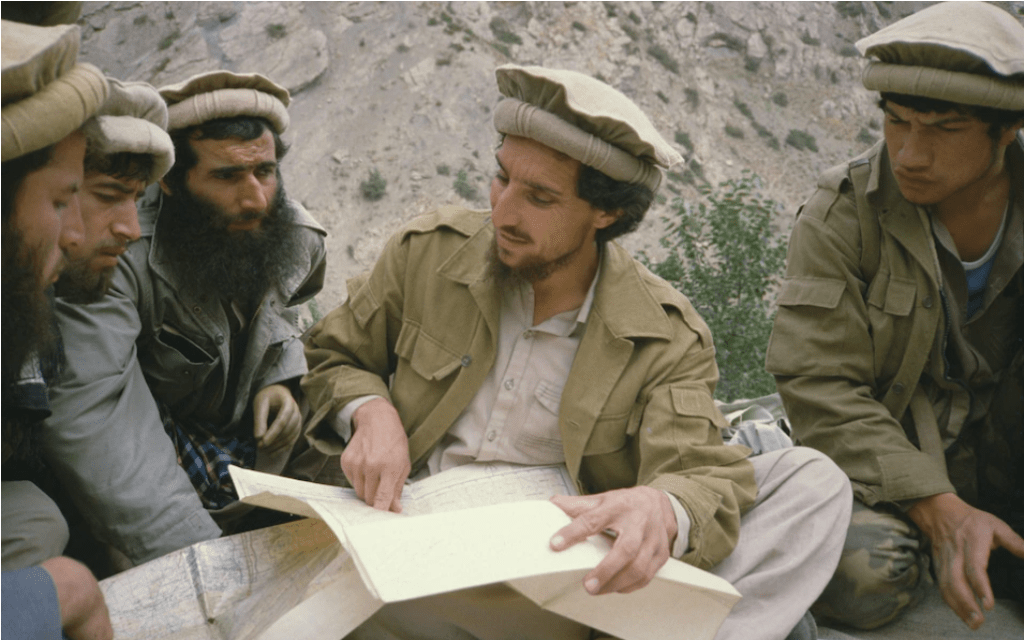
Ahmad Shah Massoud meeting with his fighters in Afghanistan | IMAGE CREDIT: Sandy Gall

Below is a translation of a report by the Russian outlet Kommersant on 20 June 1997 by Oved Lobel, an analyst focused on inter alia Russia’s role in the Islamic world and who recently wrote a report on the history of Afghanistan’s war dating back to the early 1970s. The article is interesting in many respects, perhaps most of all in showing the very limited military capacity of the Taliban, intimately linked to its overwhelming unpopularity among Afghans. The article discusses some of the draconian practices of the Taliban that made it so despised, as well as its governing structure, and focuses on the situation in the summer of 1997, when the Northern Alliance broke the Taliban’s hold on Pul-i-Khumri and halted their offensive on Mazar-i-Sharif. As we now know with hindsight, Pakistan’s Inter-Services Intelligence (ISI) and Army would rescue the Taliban from this predicament. The Pakistani role in underwriting the Taliban’s military advances is covered in the article, and this pattern of Taliban retreats that forced an escalation of Pakistani intervention was a repetitive one during the late 1990s. Ultimately, indeed, as covered in Oved’s report, the Taliban enterprise would basically crumble in 2000 and the Pakistan Army had to overtly invade to allow the jihadists to conquer Taloqan. This history remains relevant at the present. As Afghan President Ashraf Ghani told U.S. President Joe Biden three weeks before his government was overwhelmed by the Taliban on 15 August: “We are facing a full-scale invasion, composed of Taliban [with] full Pakistani planning and logistical support”. Continue reading