Abby Martin and George Galloway: Both host conspiracy-laden shows on RT
While having lunch on Saturday I got stuck for fifteen minutes in a room where the television was tuned to Russia’s English-language propaganda station, RT, formerly Russia Today. I once saw James Kirchick write that “after 20 minutes of watching RT … I did what any sensible person would do: turned RT off.” I conclude from this that he is a much braver man than I. Continue reading →
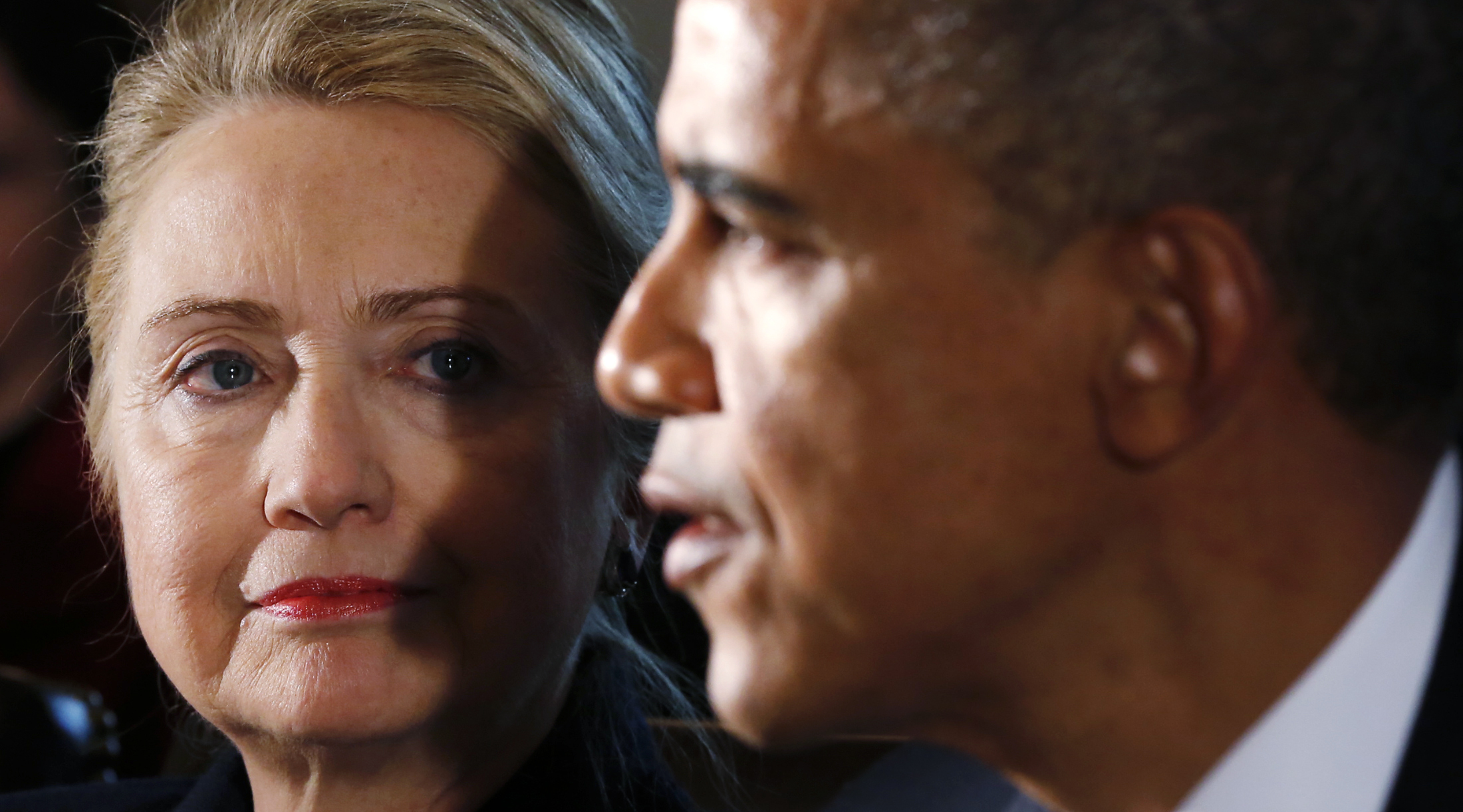
Last month, Jeffrey Goldberg at The Atlantic published an interview with Hillary Clinton. At 8,000 words it can be off-putting to plough through, but I have now finally got around to it, and it is rather interesting. The interview focusses on the three areas where President Obama’s foreign policy has so conspicuously failed—Syria, Iran, and Israel—and also includes sections on Egypt and Libya, where the administration’s failure has been somewhat less in the news. Continue reading →
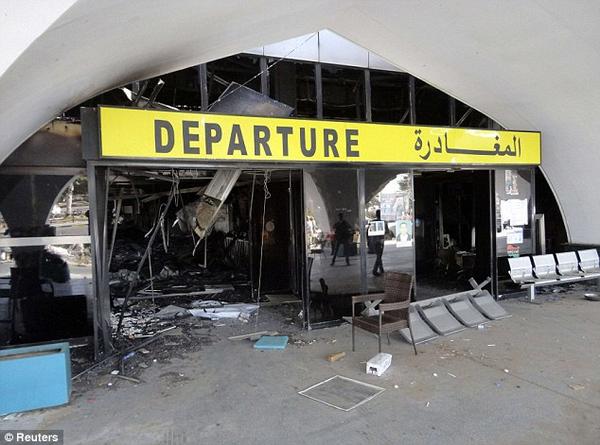
Devastated International Airport in Tripoli, Aug. 23, 2014
With the Arabian Revolt sweeping the Middle East in early 2011, Libya’s turn came on February 17. Throwing off decades of fear, and not bothering with peaceful demonstrations as Tunisia and Egypt had to free themselves of tyranny, nor the Syrians who tried peaceful demonstrations for six entire months, the Libyans went straight to armed rebellion, and soon the city of Benghazi had been pried from the regime’s grip and become the de facto capital of the revolution. Continue reading →
These rows of murdered children are just some of the 1,400 people massacred with sarin on the morning of Aug. 21, 2013 by the Assad regime
President Obama said on April 28, in Manila: “we’re getting chemical weapons out of Syria without having initiated a strike.” This was by way of defending not launching airstrikes to punish the Assad regime after the massive gas attack near Damascus last August. Put aside the clear evidence that the regime has simply switched the using chlorine gas. This seemed dubious on its own terms. Under the deal orchestrated by the Russians, Assad became a partner in disarmament; as soon as that process comes to an end, the Western interest in keeping Assad’s regime in place is eliminated. And so it proved. Continue reading →
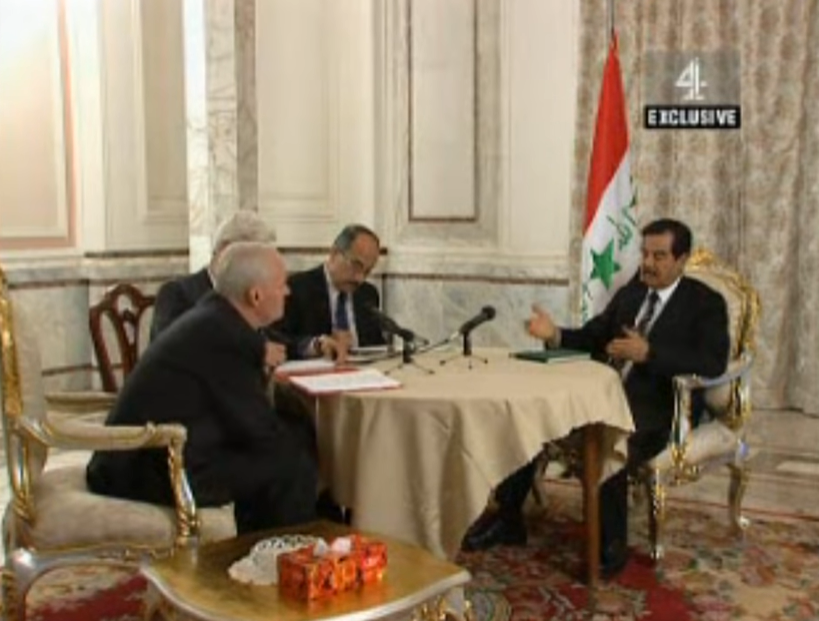
On March 14, 2014, Anthony Wedgewood Benn (“Tony Benn”) died aged 88. Though, as his assumed name in later years suggests, Benn presented himself as a populist, he was in fact of very elite stock: born in 1925, his grandfather was a Liberal MP, as was his father (until he joined Labour in 1927), and his mother was a leading early feminist campaigner. Benn was entitled to a hereditary peerage as Viscount Stansgate, which he objected to. Ever one for publicity, after the Peerage Act of 1963 was passed on July 31 of that year, allowing renunciation of peerages, he became the first peer to renounce his title, 22 minutes later. Benn mixed with figures like David Lloyd George and Mohandas Gandhi, and attended the exclusive Westminster School, which is “something he tried to hide in future biographies,” before going on to be a fighter pilot in the RAF.
A recent article in the National Journal suggested that Hillary Clinton is beginning to position herself for the 2016 Presidential run. Headlined, ‘Hillary Clinton Steps Away From Obama on Foreign Policy,’ the main point was made. Continue reading →