By Kyle Orton (@KyleWOrton) on 12 January 2025
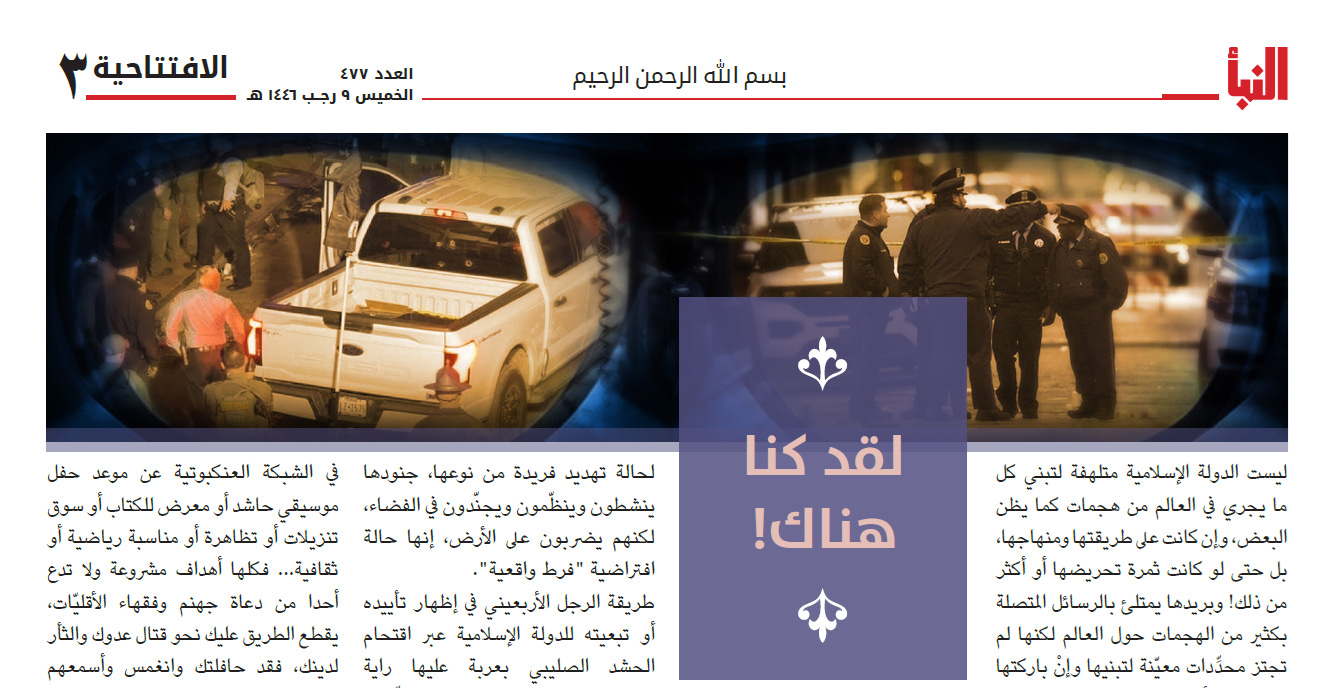
By Kyle Orton (@KyleWOrton) on 16 November 2018
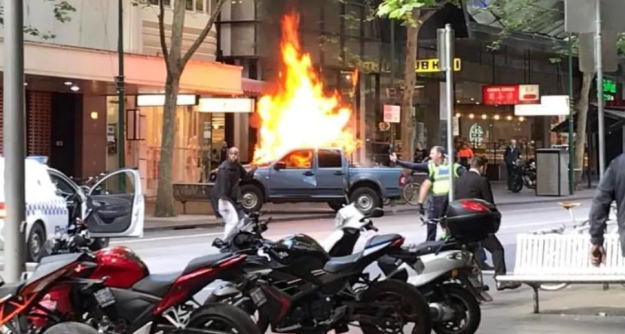
Attack in Melbourne, Australia, 9 November 2018 (image source)
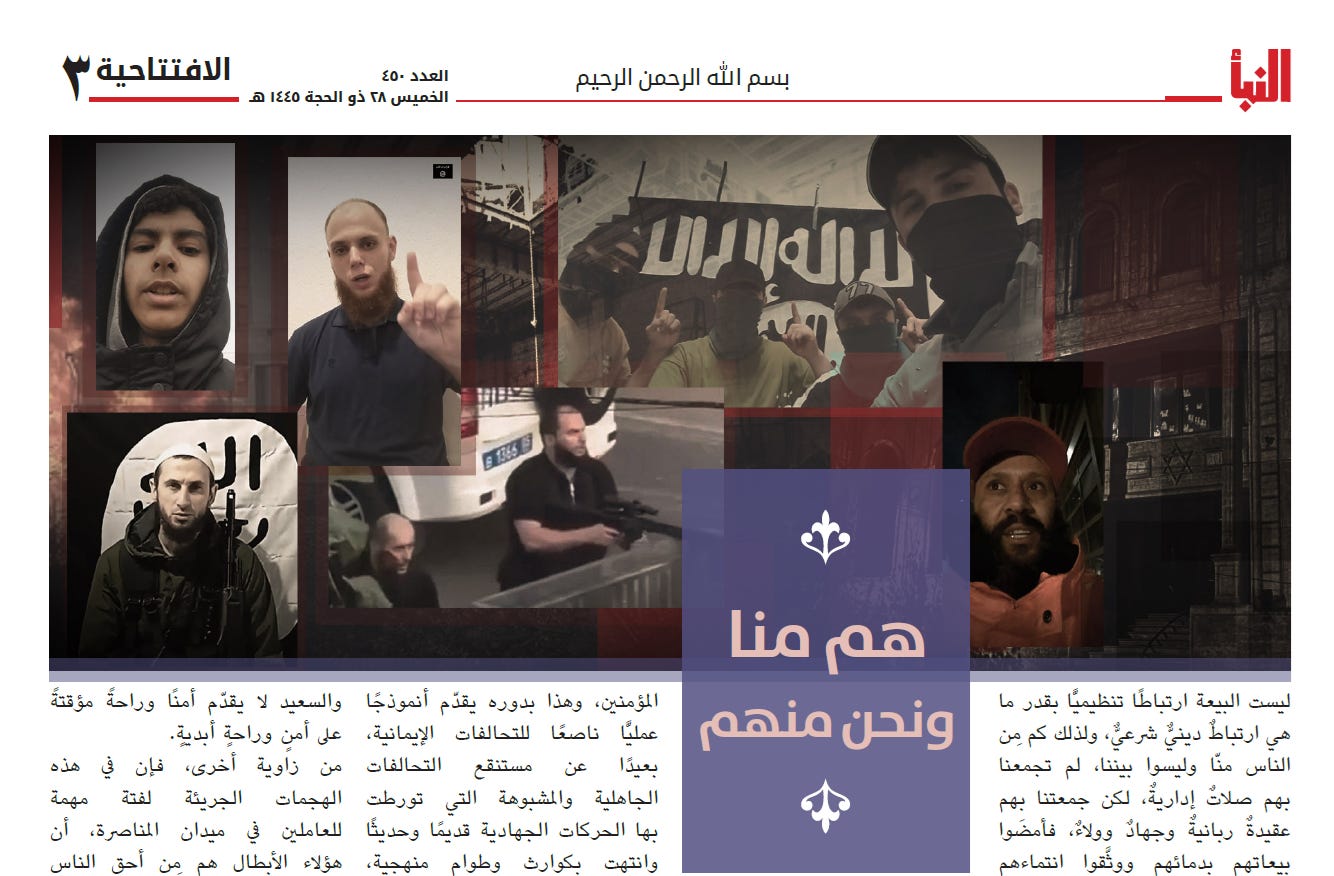
In the latest edition of its newsletter, the Islamic State (IS) explained how it had some of the terrorist attacks committed in its name around the world, where it had not had prior contact with the killers. Continue reading
By Kyle Orton (@KyleWOrton) on 5 April 2018
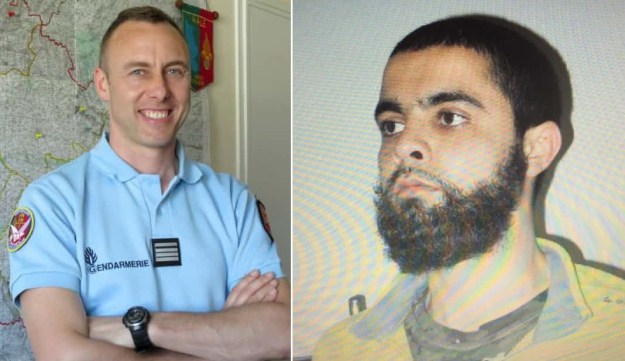
In Trebes, a small town of 5,000 people in southern France near Carcassonne, at 11 a.m. on 23 March 2018, a 25-year-old Moroccan-born man, Radouane Lakdim, walked into a “Super U” supermarket and opened fire, killing two people immediately, an attendant and a customer.
An hour earlier, Lakdim had hijacked a car on the outskirts of Carcassonne, killing the passenger by shooting him to death and seriously wounding the driver.
Lakdim then drove five miles to Trebes, appeared to stop outside a military barracks, before stopping outside a riot police centre and shooting at a group of four officers from 200 yards away, seriously injuring one. Continue reading
By Kyle Orton (@KyleWOrton) on 4 August 2017
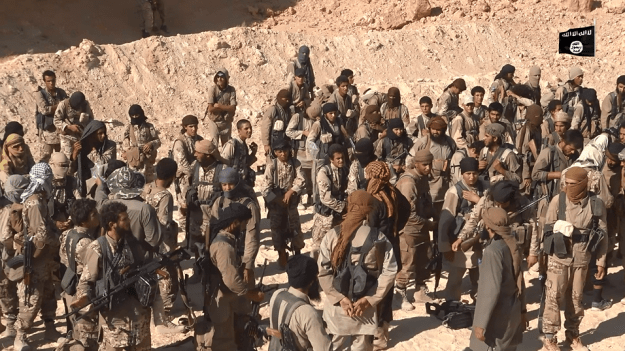
The Coalition announced yesterday that it had killed eight Islamic State (IS) “leaders involved in directing external operations, as well as bomb-making, directed at regional and Western targets”. Continue reading
Published at The Telegraph
By Kyle Orton (@KyleWOrton) on 21 April 2017
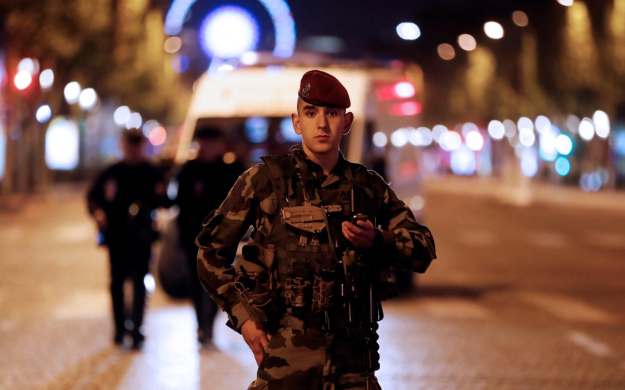
Security forces stand guard after attack in Paris, 20 April 2017 (CREDIT: ETIENNE LAURENT/EPA)
In Paris last night a gunman parked his car, stepped out, and opened fire on a police van outside a Marks & Spencer’s on the Champs Élysées. One policeman was murdered; two were wounded. A female tourist was also injured. The attacker was killed by police as he tried to flee and continue his rampage. Within two hours, the Islamic State (ISIL) had claimed the attack via its Amaq News Agency, and, rather unusually, had named the killer: “Abu Yusuf al-Baljiki”.
It has been widely reported that “Abu Yusuf the Belgian” is really Karim Cheurfi the Frenchman, a 39-year-old imprisoned for fifteen years after being convicted for three counts of attempted murder in 2001. Notably, two of his intended victims were police officers. French media has reported that Cheurfi was briefly arrested on 23 February after expressing an intent to kill law-enforcement officials, but released due to lack of evidence; the Interior Ministry refused to comment. Continue reading
By Kyle Orton (@KyleWOrton) on 18 April 2017
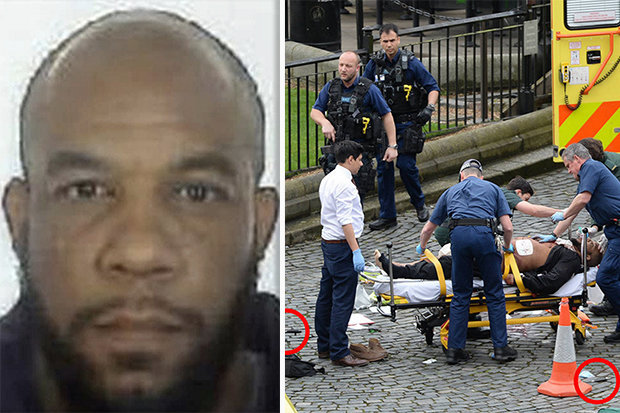
The 22 March attack outside Westminster by Khalid Masood is the most significant act of Islamist terrorism since the 7 July 2005 bombing by al-Qaeda of the London public transport system. Masood’s attack highlights a number of historic trends in British jihadism and starkly poses the question of the extent of IS’s penetration of the United Kingdom. Continue reading
Published at The International Business Times
By Kyle Orton (@KyleWOrton) on 23 March 2017
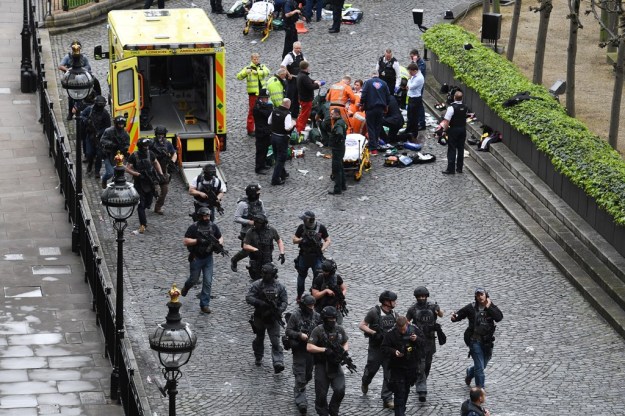
Aftermath of the Islamic State terrorist attack in Westminster, March 2017 (image source)
Just after 2:30pm yesterday afternoon, a terrorist mowed down pedestrians with a car on Westminster Bridge before jumping out near Parliament and stabbing a police officer to death. Three people were murdered, forty were injured, and the attacker was shot dead. The Islamic State (ISIS) has now claimed the attack.
The most important question is whether the terrorist had co-conspirators. Prime Minister Theresa May told Parliament this morning that it is “believed that this attacker acted alone”. It is crucial that this is not misread as saying that the attacker was a ‘lone wolf’. The arrests in Birmingham overnight suggest that this killer could have been part of a broader network, which would be consistent with the pattern of ISIS behaviour.
In a new report for the Henry Jackson Society, documents 152 foreign ISIS attacks in 34 countries since 2002, the vast majority in the past two years. In nearly three-quarters of the cases the attacks have a direct link to the organisation, and those without often have accomplices who assist in the atrocities in some way. Just 15% of the attacks have been by inspired individuals, who had no demonstrated connection to ISIS or anyone else in planning or executing their attack. Continue reading

 Kyle Orton's Blog