Tag Archives: Salafism

Another Product of “Londonistan”: Abdullah Ibrahim al-Faisal

By Kyle Orton (@KyleWOrton) on 8 December 2017

Abdullah al-Faisal

The U.S. Treasury Department sanctioned Abdullah Ibrahim al-Faisal (born: Trevor William Forrest), a Jamaican cleric who supports the Islamic State (IS) on 5 December. This was long overdue. Al-Faisal’s record of disseminating jihadist ideology, and influencing and/or interacting with terrorists, goes back several decades. And since 2014, al-Faisal has been one of IS’s influential English-language propagandist-recruiters. Continue reading

Qatar and the Gulf Crisis

By Kyle Orton (@KyleWOrton) on 30 November 2017

I released a report today, published by the Henry Jackson Society, Qatar and the Gulf Crisis. The intent was to examine the charges made against the Qatari government by its Gulf neighbours with regard to the funding of terrorism, the hosting of extremists, the dissemination of hate speech and incitement, among other things. Having separated fact from fiction with regards to he accusations against Qatar, the report proposes how Britain might proceed in such a way as to press Doha on issues of concern, while avoiding being drawn into the middle of the Gulf dispute, and trying to foster reconciliation between allies, especially at a time when a united front is necessary to oppose the far larger challenge of the Iranian theocracy.  Continue reading

Senior Islamic State Cleric Turki al-Binali Killed in an Airstrike

By Kyle Orton (@KyleWOrton) on 11 June 2017

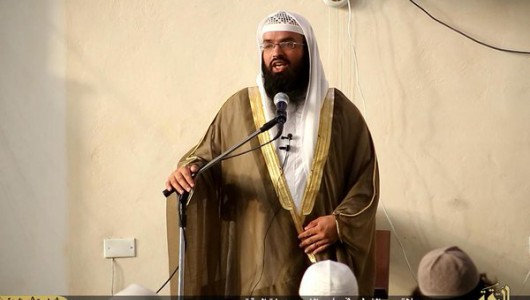
Turki al-Binali at prayers in Raqqa, July 2015

It was reported on jihadist websites and by local activists that Turki al-Binali (Abu Hammam al-Athari), a senior cleric of the Islamic State (IS) and perhaps the most important public proponent of the caliphate’s formation, had been killed in Syria by an airstrike from the U.S.-led Coalition on 29 May. IS has been silent on this despite releasing their newsletter al-Naba and the tenth edition of their English-language propaganda magazine Rumiyah since then. On Tuesday, the intelligence services of the Kurdistan Regional Government (KRG) in northern Iraq confirmed that al-Binali had been killed. Continue reading

Raqqa Doesn’t Want to Be Liberated By the West’s Partners

By Kyle Orton (@KyleWOrton) on 30 May 2017

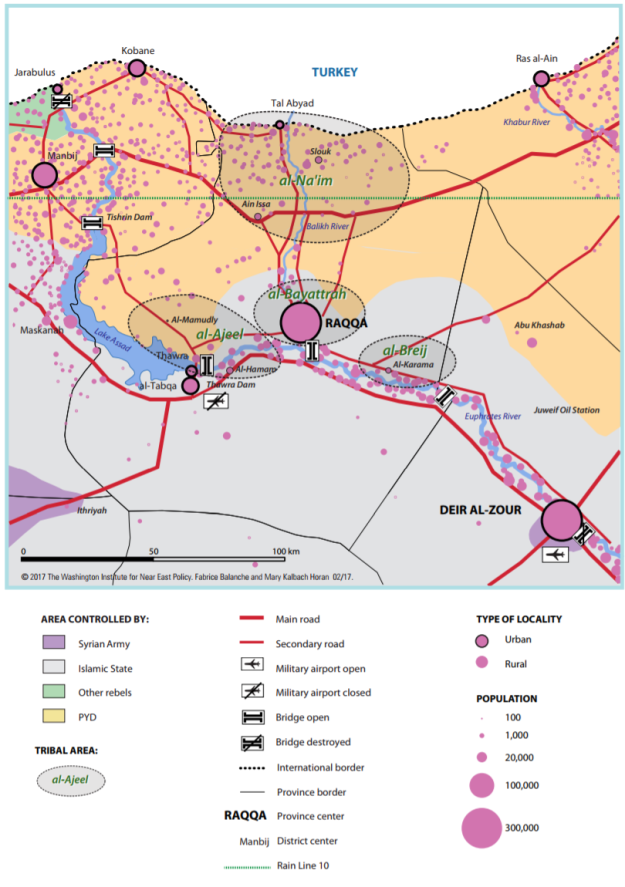
Map of the tribes around Raqqa city (source: WINEP report)

We are now on the eve of the operation to evict the Islamic State (IS) from its Syrian capital, Raqqa, and, as expected, the United States will partner with the Syrian Democratic Forces (SDF), the front-group for the Democratic Union Party (PYD) and its armed wing, the People’s Protection Units (YPG), which President Donald Trump’s administration has committed to directly arming.

Many of the doubts voiced about this course relate to Turkey, since the PYD/YPG is—despite continued efforts to obfuscate the fact—the Syrian department of the Kurdistan Workers’ Party (PKK), the premier internal security threat to Turkey for many decades. The discussion then tends to fall into one of two grooves. Continue reading

How Powerful is the Islamic State in Saudi Arabia?

Originally posted at The Henry Jackson Society

By Kyle Orton (@KyleWOrton) on 27 April 2017

The U.S. Department of State designated Mubarak Mohammed Alotaibi, also transliterated as Mubarak Muhammad al-Utaybi, as a Specially Designated Global Terrorist (SDGT), because he has “committed, or pose[s] a significant risk of committing, acts of terrorism that threaten the security of U.S. nationals or the national security, foreign policy, or economy of the United States.” Al-Utaybi is a citizen of Saudi Arabia and is the “Syria-based deputy leader” of the Islamic State’s (IS) branch in the Saudi Kingdom. Continue reading

Don’t Assume the Westminster Terrorist is a ‘Lone Wolf’

By Kyle Orton (@KyleWOrton) on 18 April 2017

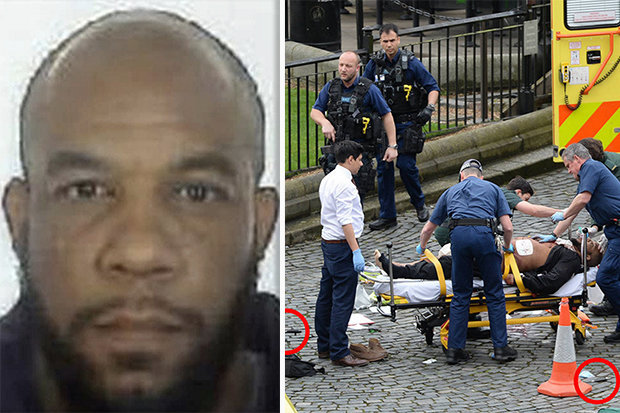
The 22 March attack outside Westminster by Khalid Masood is the most significant act of Islamist terrorism since the 7 July 2005 bombing by al-Qaeda of the London public transport system. Masood’s attack highlights a number of historic trends in British jihadism and starkly poses the question of the extent of IS’s penetration of the United Kingdom. Continue reading

Islamic State Operative Connected to Charlie Hebdo Attack Might Still Be Alive

By Kyle Orton (@KyleWOrton) on 15 April 2017

Boubaker al-Hakim (Abu Muqatil al-Tunisi) in Dabiq

Earlier today, an Iraqi military statement made public that the Iraqi government had provided coordinates to Bashar al-Assad’s air force, via the intelligence-sharing cell set up in Baghdad with Russia and Iran, for targets in Raqqa and al-Bukamal. One of the targets was Boubaker al-Hakim (Abu Muqatil al-Tunisi), a French-Tunisian Islamic State (IS) operative. Whether the Syrian regime’s strikes against al-Hakim were successful was not made clear. The interest here is that the U.S. announced on 10 December 2016 that it had killed al-Hakim in an airstrike near Raqqa on 26 November 2016, meaning that either the U.S. was mistaken or the Iraqis are. Al-Hakim is a very interesting figure in his own right with an extensive history in the jihadist movement and also highlights some broader trends, notably the assistance the Assad regime has provided to the IS movement. Continue reading

America Sanctions Anjem Choudary and other British Islamic State Jihadists

By Kyle Orton (@KyleWOrton) on 30 March 2017

Anjem Choudary (image source)

The State Department designated five individuals on 30 March 2017 as Specially Designated Global Terrorists (SDGTs), imposing sanctions on them for having “committed, or [for] pos[ing] a significant risk of committing, acts of terrorism that threaten the security of U.S. nationals or the national security, foreign policy, or economy of the United States.” Four of those sanctioned are members of the Islamic State (IS), including two key British operatives in the group’s global network, and the other is a member of al-Qaeda. On the same day, the Treasury Department sanctioned two IS operatives involved in funding and guiding external IS operations in the Far East and Southeast Asia. Continue reading

Why The Islamic State Endures

By Kyle Orton (@KyleWOrton) on March 15, 2017

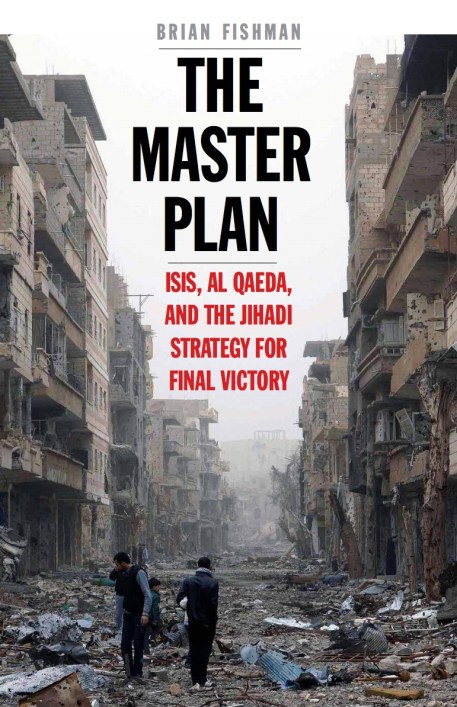
Brian Fishman’s The Master Plan provides a comprehensive history of the Islamic State’s (IS) strategic evolution, covering the personalities and events that shaped one of the most feared terrorist-insurgent groups that has ever existed. Eminently readable, in places even amusing—no small feat in a book about IS—Fishman flips with ease between the overview and the granular to demonstrate his points, using new sources that will allow as much supplementary research as a reader could wish for, and ties it together in a narrative that will be of use to both specialists and generalists. Continue reading

The Islamic State Explains Its Secret To Success

By Kyle Orton (@KyleWOrton) on February 11, 2017

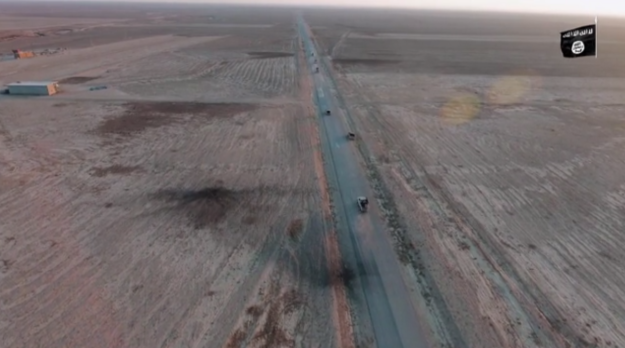
2016-12-20-wilayat-dijla-tigris-4

On 28 September 2008, the emir of the Islamic State’s predecessor, the Islamic State of Iraq (ISI), Hamid al-Zawi (Abu Umar al-Baghdadi), released an audio statement, his twelfth such, entitled, “The Promise Of God”. An English version of al-Zawi’s speech was released by the Islamic State and is reproduced below with some interesting sections highlighted in bold. Continue reading