By Kyle Orton (@KyleWOrton) on 2 December 2025
By Kyle Orton (@KyleWOrton) on 21 August 2022
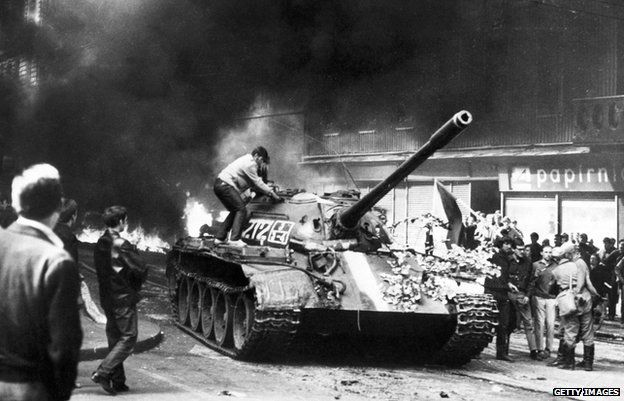
It was on this day in 1968, fifty-four years ago, that the Soviet Union invaded Czechoslovakia, one of its colonies in the “Warsaw Pact”, which had embarked on a program of liberalising reforms. The Czech leadership did not intend to depart from the socialist path, merely to soften its edges—and ran into the brute fact that this was not possible. Continue reading
By Kyle Orton (@KyleWOrton) on 8 October 2021

Cárcel Modelo, 1937 || MINISTERIO DE CULTURA. ESPAÑA
A fire was started at the Cárcel Modelo (Model Jail) in Madrid on 22 August 1936 by “common” criminals displeased with the pace of releases promised by the Republican government. The Republicans convinced themselves that the Carcel Modelo fire was a “fascist” uprising, brought about by conspiracy with General Franco’s forces outside the prison walls, who had initiated their rebellion a month earlier. The fire was used as a pretext by the Republicans to carry out a massacre of prisoners that lasted into the early hours of 23 August, in scenes reminiscent of the French Revolution’s September Massacres in 1792 that signalled the onset of the Terror. There were Rightist among the victims and some military men; there were also many liberals and non-Soviet Leftists. Continue reading
By Kyle Orton (@KyleWOrton) on 9 August 2021
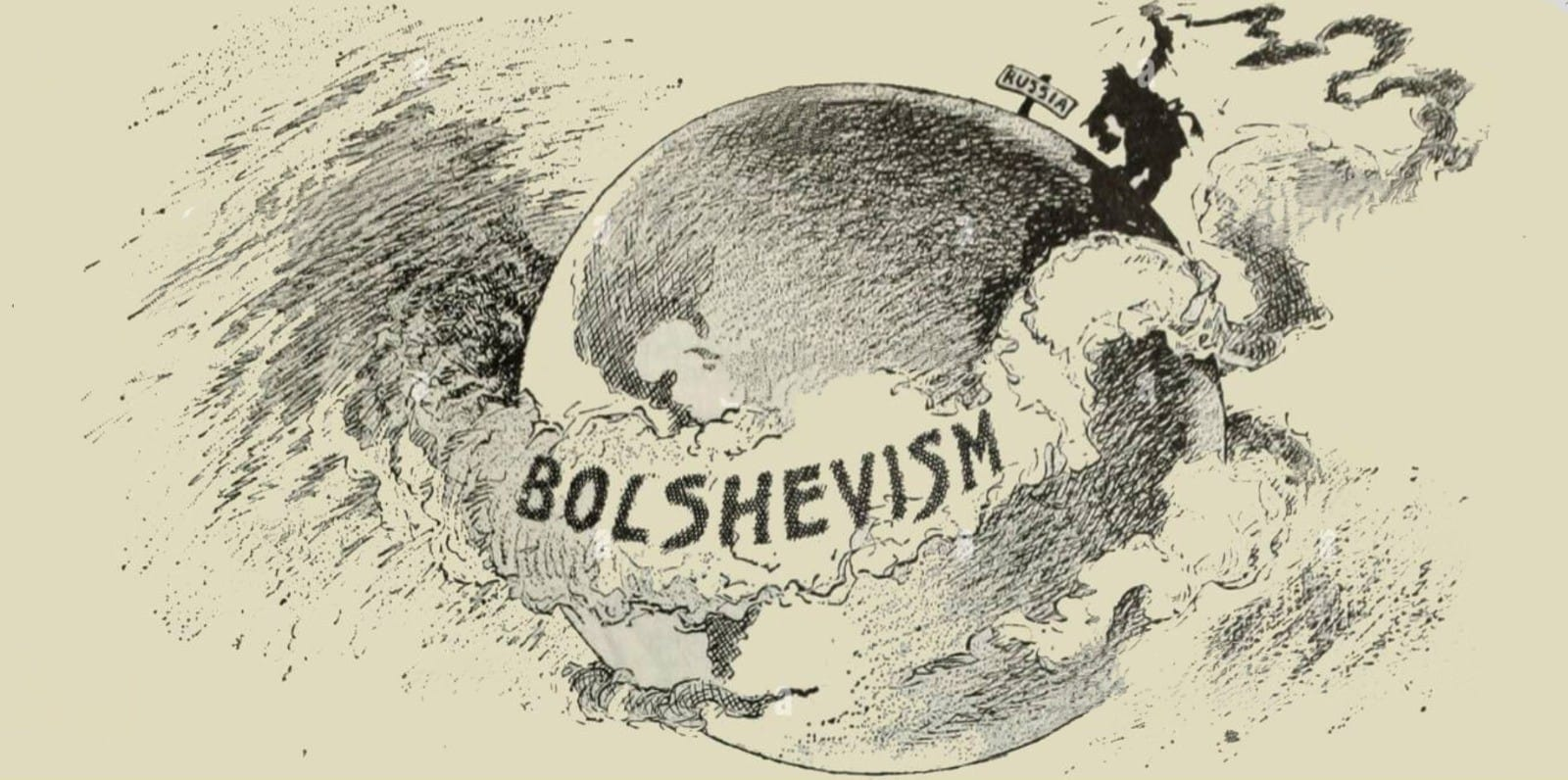
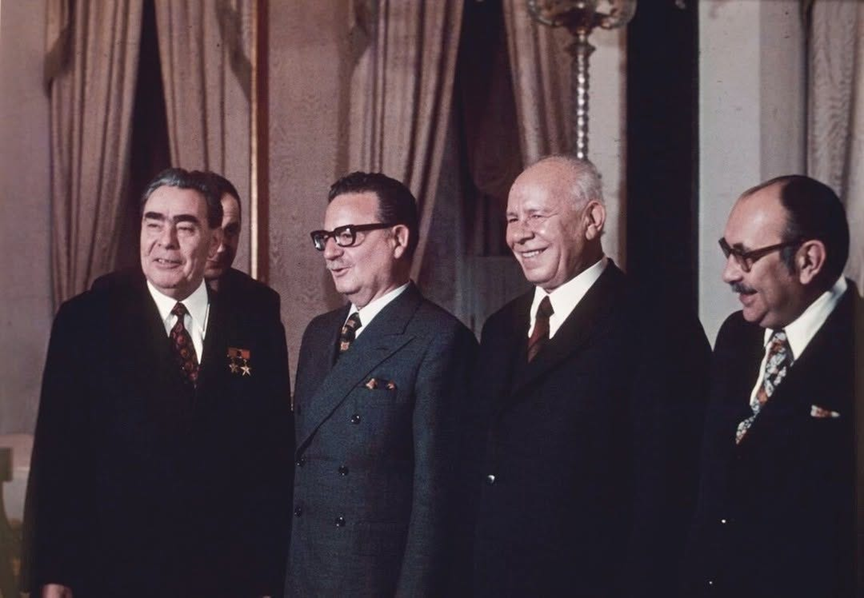
After the post looking at the relationship of Reuben Falber and the Communist Party of Great Britain (CPGB) to the Soviet Union—namely the total subservience of the former to the latter—a follow-up was intended on the broader issue of the how the KGB and its predecessors interacted with the “fraternal” Parties around the world. Eighteen months later, this is that post. Let’s blame COVID.
The accusation that the Communist Parties around the world were fronts for the KGB was often derided as “McCarthyism” while the Cold War was going on. Arguments about that term in general to one side,[1] it certainly did not apply in this case. The accusations as stated were entirely factual. Continue reading
By Kyle Orton (@KyleWOrton) on 25 June 2021

Writing recently about the first meeting between Adolf Hitler and Francisco Franco at Hendaye on 23 October 1940, where the Führer tried to enlist Spain into the Axis, I concluded, drawing on Franco: The Man and His Nation by George Hills, a former BBC journalist and Fellow of the Royal Historical Society:
By Kyle Orton (@KyleWOrton) on 17 June 2021

By the autumn of 1940, the entirety of Western Europe except Spain and Portugal lay under Nazi control, as did much of the Centre and parts of the East: Austria, Czechoslovakia, Poland, Denmark, Norway, the Netherlands, Belgium, Luxembourg, and France had all fallen without serious resistance, and Britain’s refusal to take the German offer of leaving the Continent to the Nazis and the Nazis would leave the British with India had incurred the wrath of the Luftwaffe with night after night of air-raids.
It was in this context that a meeting was held, on 23 October 1940, between Adolf Hitler and Spain’s ruler, Francisco Franco. The meeting, taking place at the railway station in Hendaye, within conquered France, on the western-most point of the Franco-Spanish border, was also attended by the foreign ministers, Ramón Serrano Súñer (Spain) and Joachim von Ribbentrop (Germany). The Germans arranged the meeting to try to get Spain into the war, and General Franco attended the meeting intent on refusing—politely. Continue reading
By Kyle Orton (@KyleWOrton) on 24 January 2019
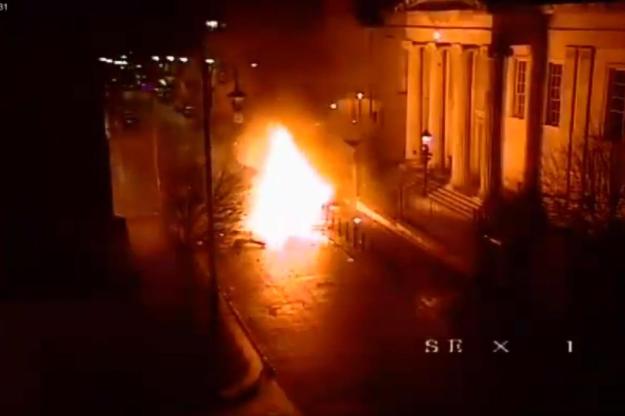
CCTV footage of the Londonderry bombing, 19 January 2019 [source]

 Kyle Orton's Blog