Tag Archives: terrorism

The Assad Regime Admits to Manipulating the Islamic State

By Kyle Orton (@KyleWOrton) on January 6, 2017
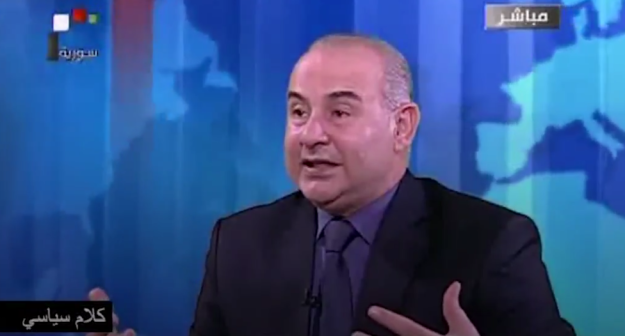
Khaled Abboud

From the beginning of the uprising in Syria in 2011, there have been accusations that Bashar al-Assad’s regime was in a de facto partnership with the Islamic State (IS) against the mainstream opposition. These accusations have a considerable basis in fact: during the entirety of the Anglo-American occupation of Iraq, Assad collaborated with IS jihadists in the destabilization of Iraq, killing thousands of Iraqi civilians and hundreds of American and British troops. Once the Syrian uprising was underway, the regime undertook various measures to bolster extremists in the insurgency. Assad and IS worked in tandem to leave Syria as a binary choice between themselves: Assad was sure this would rehabilitate him in the eyes of the world and transform his criminal regime into a partner of the international community in suppressing a terrorist insurgency, and IS wanted to rally Sunnis to its banner. The Secretary of the Syrian Parliament has now come forward to underline this. Continue reading
Trump Might Continue Obama’s Dangerous Syria Policy

Originally published at The Henry Jackson Society

By Kyle Orton (@KyleWOrton) on November 24, 2016

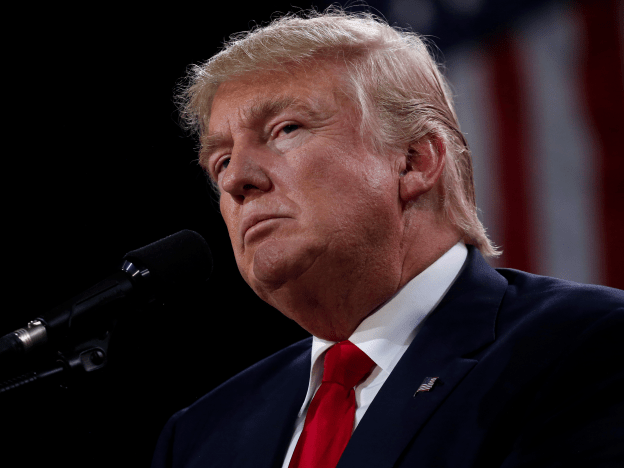
There is not yet any clarity with regard what Donald Trump would do about Syria once he becomes President. Virtually everything about the incoming administration is in the “wait and see” phase. Still, on the current evidence, Trump’s Syria policy would appear to be a continuation of President Barack Obama’s policy of prioritizing the threat of the Islamic State (IS) and other non-state Sunni jihadist groups, while effectively aligning with the pro-regime coalition, made up of Russian air power and a ground force led by the Islamic Republic of Iran, stitched together out of the battered remnants of Bashar al-Assad’s army and his sectarian militias, Iranian paramilitary and regular forces, and foreign Shi’a jihadist groups under Iran’s control. The only potential difference is that Trump may formally repudiate the anti-Assad forces. The effect of this would be to destroy the mainstream Syrian opposition and empower al-Qaeda, but it would not bring stability to Syria. There are hints, however, that Trump is recruiting senior officials who will alter this policy. Continue reading

A Frenchman Directing the Islamic State’s Foreign Attacks

By Kyle Orton (@KyleWOrton) on November 23, 2016

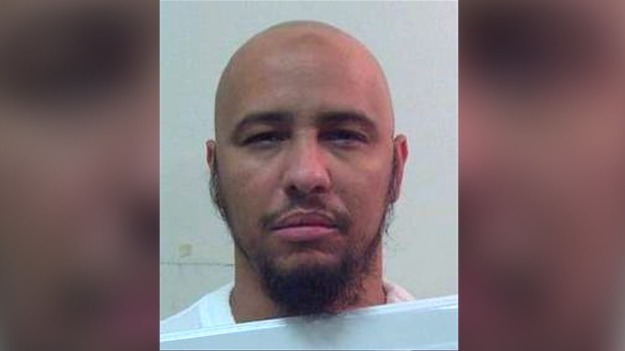
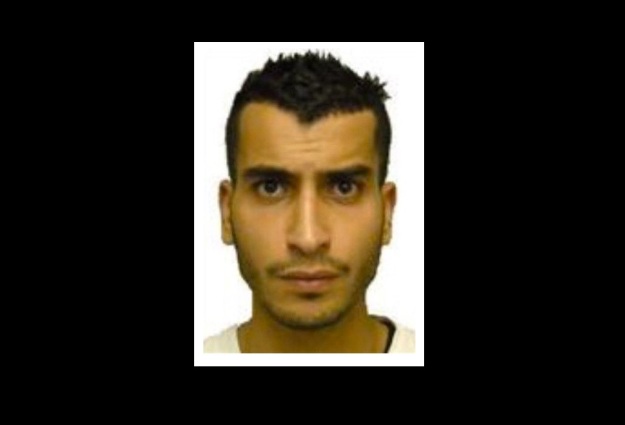
Abdelilah Himich (Abu Sulayman al-Firansi) [image source]

The United States released sanctions yesterday that confirmed the identity of Abu Sulayman al-Firansi, a senior commander in the external operations division of the Islamic State (IS). Abu Sulayman is Abdelilah Himich, a French citizen, as was first reported last month. Among the interesting aspects of this are the revelation that a European made it to a very senior position within the structure of IS’s foreign intelligence service, the amn al-kharji. Continue reading

Coalition Allies Play Into Islamic State’s Hands

By Kyle Orton (@KyleWOrton) on November 14, 2016

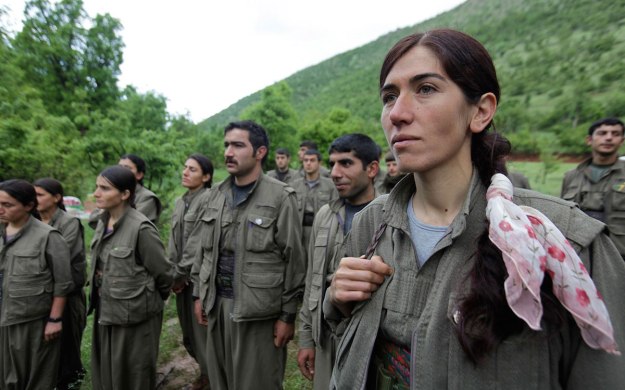
Kurdistan Workers’ Party (PKK) fighters in Dohuk in northern Iraq, 14 May 2013, Azad Lashkari/Reuters

Last week, a member of the Kurdish militia that is the primary instrument the U.S.-led Coalition is using in Syria to defeat the Islamic State (IS) was killed. Examining his biography underlined that this militia is the Syrian wing of the Kurdistan Workers’ Party (PKK), a Marxist-separatist group that is registered as a terrorist organization by the United States, the European Union, and Turkey. The Western powers continue to obfuscate, if not outright deny, this fact, but Coalition support for the PKK—questionable morally and legally in and of itself—is producing negative results on the ground that help IS over the long-term. Continue reading

America Escalates the War Against Al-Qaeda in Syria

By Kyle Orton (@KyleWOrton) on November 11, 2016

On the right: Abdullah al-Muhaysini (source)

The United States and therefore the international Coalition is about to step up its operations against Jabhat Fatah al-Sham (JFS), al-Qaeda’s recently rebranded Syrian branch. This is a necessary policy, but pursued in isolation—without replacing the capacities that JFS provides to the insurgency—this action will strengthen the coalition supporting the regime of Bashar al-Assad, the actors chiefly responsible for the humanitarian abomination in Syria that has deliberately given rise to the security menace of the Islamic State (IS) and the flow of refugees into Europe that has destabilized Western security. Assad’s coalition also includes the Islamic Republic of Iran, a more significant global terrorism threat than IS which has repeatedly attacked the West. Continue reading

The Price of the Iran Deal

Originally published at The Henry Jackson Society

By Kyle Orton (@KyleWOrton) on October 26, 2016

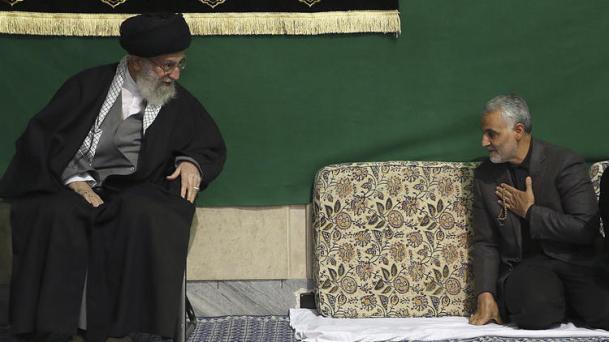
Maj. Gen. Qassem Suleimani, with Supreme Leader Ali Khamenei at a mosque in Tehran, Iran, (March 2015)

Earlier this week, The New York Times reported on the “free fall” of President Barack Obama’s Middle East policy. While the President had “inherited a messy situation in the region with the war in Iraq … by the time he took office, [President George W.] Bush’s troop surge and Gen. David H. Petraeus’s strategy change had helped turn the war around”. This relative stability has given way:

Today there is no single overarching issue but multiple ones. Syria, Iraq and Yemen are caught up in war. Turkey and Jordan are inundated by refugees. Russia has reasserted itself as a major player in the region. Libya is searching for stability after the fall of its longtime dictator. The Kurds are on the march. Egypt is fighting off a terrorist threat at home. And Saudi Arabia and Iran are waging a profound struggle for the future of the region.

Many of America’s allies disagreed with Bush’s focus on Iraq, considering Iran to be the larger threat, but if they had considered Bush too assertive, they find Obama too timorous, stepping back as the situation spins out of control. Continue reading

Activist Group Lists Ten Most Important Islamic State Leaders Killed

Originally published at The Henry Jackson Society

By Kyle Orton (@KyleWOrton) on October 22, 2016

Coalition airstrikes in Mosul (source)

The activist group, Raqqa is Being Slaughtered Silently (RBSS), which works against the Islamic State (IS) in its Syrian capital, published a list on Thursday on Twitter of the eleven “most important” IS leaders who have been killed in Raqqa Province. Continue reading

Russia Moves in For the Kill in Syria

Originally published at The Henry Jackson Society

By Kyle Orton (@KyleWOrton) on October 21, 2016

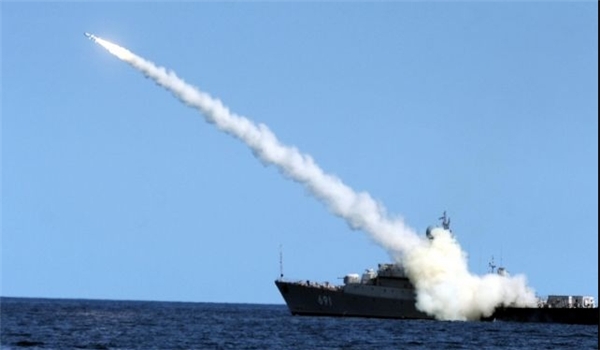
Vladimir Putin’s Russia is “deploying all of the Northern fleet and much of the Baltic fleet in the largest surface deployment since the end of the Cold War,” a NATO diplomat told Reuters on Wednesday night. These Naval assets are designed to buttress a final offensive by the remnants of Bashar al-Assad’s regime in Syria, which is effectively controlled on the ground by the Islamic Republic of Iran and an assortment of foreign Shi’a jihadists, against the insurgent-held east of Aleppo city, crushing once and for all the strategic threat posed by the rebellion to the regime, a threat that had already been all-but ended in the first months of Russia’s intervention. Nearly a year ago the U.S. began a political process with the Russians intended to end the war and begin a political transition. Moscow has subverted this process, using force to buttress its political efforts to secure Assad in power. The timing of this attack is seemingly intended as one final humiliation for President Barack Obama. Continue reading

Martyr for the Cause

By Kyle Orton (@KyleWOrton) on October 20, 2016

Mohamedou Ould Salahi

Mohamedou Ould Salahi, a Mauritanian, was released from Guantanamo Bay back to his home country on Monday. This comes as part of Barack Obama’s effort to drive the number of inmates at the detention centre down as far as possible before his Presidency ends. Salahi is the first detainee transferred since the mass-exodus in August, leaving sixty men at Guantanamo, nineteen of them already approved for transfer. Salahi is among the many detainees who claims he is innocent and that he has been maltreated in custody, and he has written a book, Guantánamo Diary, to that effect. The known facts about Salahi’s pre-detainment behaviour suggest caution should be exercised in accepting his version of events. Continue reading

Moscow Rules in Syria, Again

By Kyle Orton (@KyleWOrton) on September 11, 2016

1

In Geneva on 9 September 2016, the United States and Russia announced an agreement to implement a ceasefire—formally a “cessation of hostilities” (CoH)—in Syria, which is intended to allow humanitarian access and restart the political process to end of the war, and then to begin jointly targeting the Islamic State (IS) and al-Qaeda’s Syrian branch, formerly Jabhat al-Nusra, recently rebranded Jabhat Fatah al-Sham (JFS).

There is reason to wonder if the deal will ever take effect and the lack of an enforcement mechanism against Bashar al-Assad’s regime leaves open the possibility that the pro-regime coalition will, as it did after the February ceasefire, abuse this process to their advantage.

Most dauntingly, if this process worked to the letter it will legitimate the gains of the regime’s aggression, carried out under the cover of the last ceasefire, and has the potential to weaken the insurgency and embolden the regime, strengthening radicalism on all sides, pushing a political settlement further away, and thus protracting the war. Continue reading