By Kyle Orton (@KyleWOrton) on 8 November 2025
By Kyle Orton (@KyleWOrton) on 29 October 2025

“Banda Oriental del Uruguay” (the Eastern Bank of the [Rio/River] Uruguay) was a zone populated by four main Native tribes, all of them nomadic hunter-gatherers and fisherman, whose chiefdoms were more decentralised assemblages than geographic settlements. The lack of resources and population was among the reasons Uruguay was claimed relatively late by the Spanish, after the arrival of Juan Díaz de Solís in 1516, and remained largely uninhabited for about a century. The first permanent Spanish settlement in Uruguay was the Jesuit mission at Santo Domingo de Soriano founded in 1624. Cattle were introduced into Uruguay about a decade earlier and some farmers entered the territory, but it was only after Uruguay became a strategic flash-point on the contested Spanish-Portuguese frontier later in the seventeenth century that the Spanish started to seriously settle Uruguay.
By Kyle Orton (@KyleWOrton) on 4 October 2025
By Kyle Orton (@KyleWOrton) on 12 April 2025
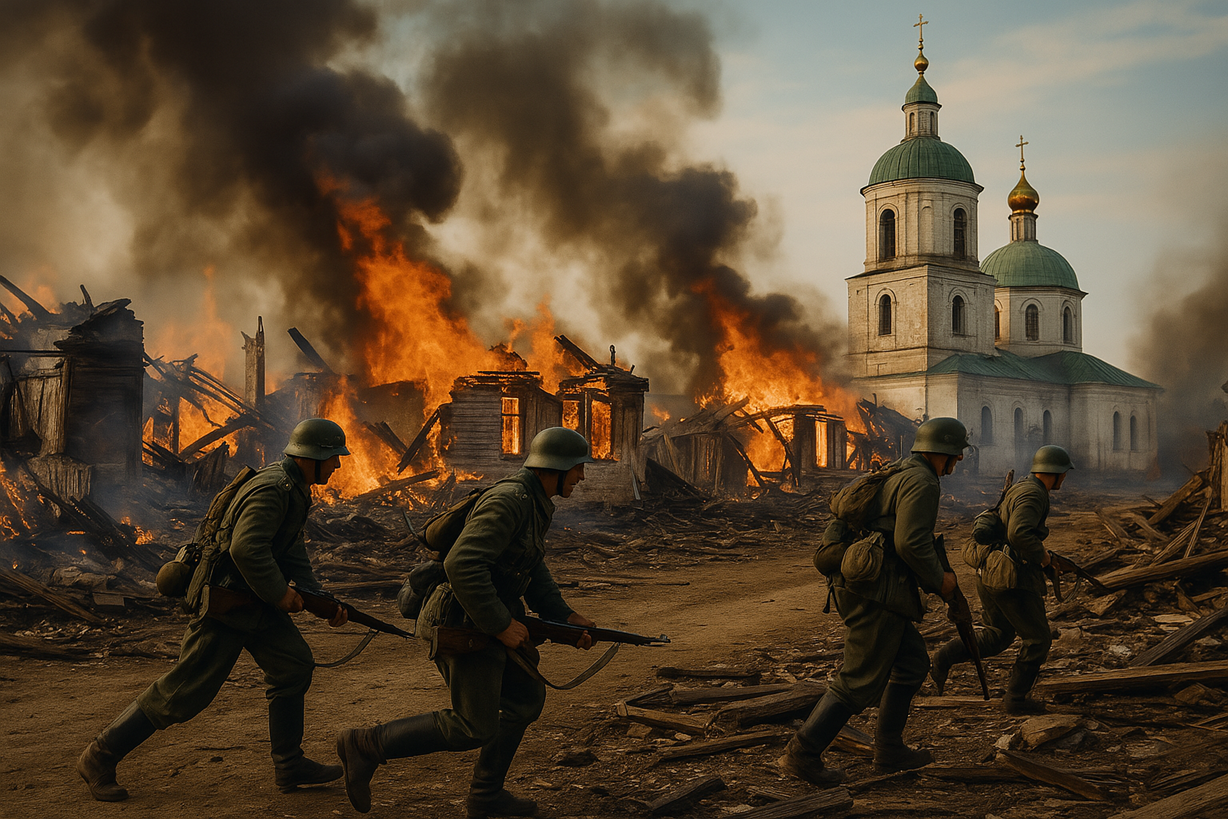
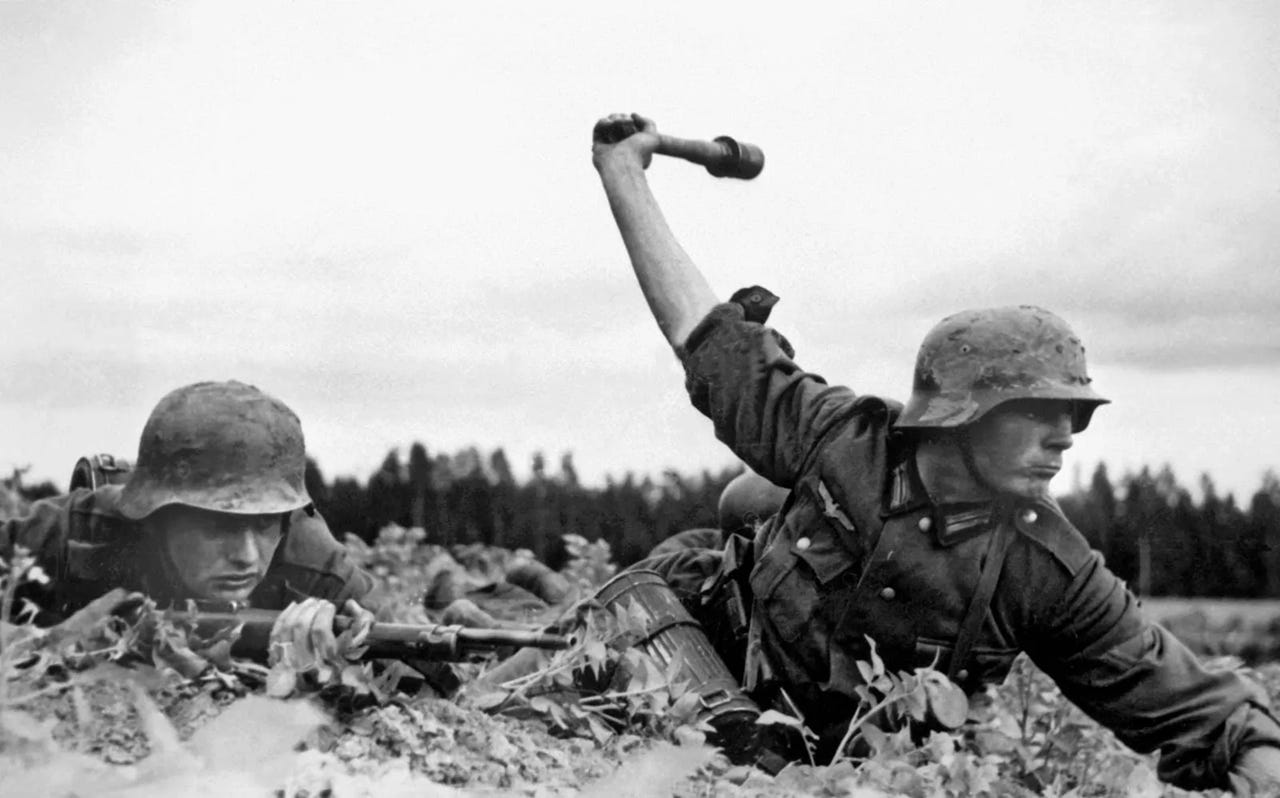
Russian historian Viktor Zemskov estimated in 2012 that total Soviet losses in the “Great Fatherland War” were sixteen million (11.5 million military casualties and 4.5 million civilian deaths), a far lower total than the official Soviet claim since 1990, inherited by the Russian Federation, of twenty-seven million.


 Kyle Orton's Blog