Tag Archives: Abu Umar al-Baghdadi

Islamic State Officially Gives Up the Caliphate, Returns to Insurgency

By Kyle Orton (@KyleWOrton) on 15 November 2017
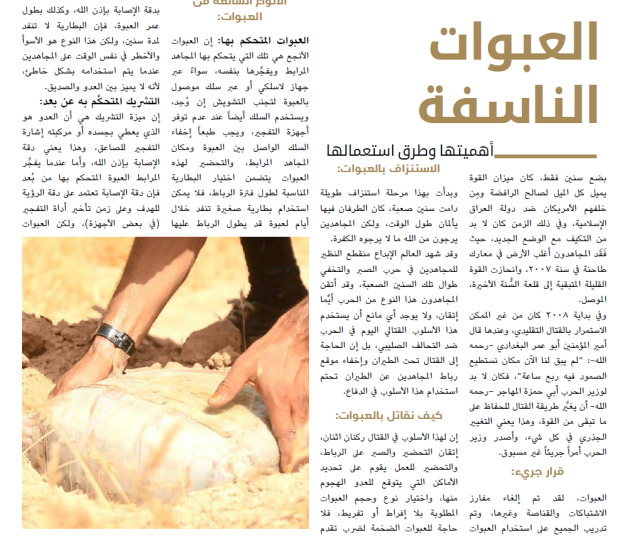
Al-Naba 101, page 8

In the 101st edition of the Islamic State’s weekly newsletter al-Naba (page 8-9), released on 12 October 2017, the organisation gave some fascinating details about how they responded to the “defeat” inflicted on them in 2007-08 by the American surge and the tribal Sahwa (Awakening) forces. The article describes how IS switched wholly to insurgent-terrorist tactics, dismantling its conventional fighting units and even its sniper teams in March 2008, and training in hit-and-run bombings. The leadership at that time, the emir Hamid al-Zawi (Abu Umar al-Baghdadi) and his deputy, the “first minister” and the “war minister” Abdul Munim al-Badawi (Abu Hamza al-Muhajir), encountered some initial scepticism, but the rank-and-file soon came on board when they saw its effectiveness. IS says that it is time to return to this form of warfare. In short, IS marked a switch in al-Naba 101 entirely from the statehood and governance phase of its revolutionary warfare, back into insurgency mode. The article is reproduced below. Continue reading

Profile of an Islamic State Media Emir: Abu Zahra al-Issawi

By Kyle Orton (@KyleWOrton) on 12 November 2017

The forty-fifth edition of the Islamic State’s “Distinguished Martyrs” series, published by al-Furqan Media in Rajab 1431 (June/July 2010), profiled Abu Zahra al-Issawi, the media emir or information minister of the organization between some point after July 2007, when Khalid al-Mashadani (Abu Zayd al-Mashadani) was arrested, and some point before September 2009, when Ahmad al-Ta’i was announced as holding the position. [UPDATE: Al-Ta’i turned out to be Abu Muhammad al-Furqan, and his real name was Wael al-Ta’i.] Continue reading

Don’t Celebrate the Fall of Raqqa Just Yet

By Kyle Orton (@KyleWOrton) on 24 October 2017

Raqqa city has been destroyed (image source)

The Islamic State (IS) captured Raqqa city, its first provincial capital, in January 2014. Six months later, IS declared its caliphate and Raqqa became its de facto capital. Last Tuesday, the partner force of the US-led anti-IS Coalition, the “Syrian Democratic Forces” (SDF), entered the city centre in Raqqa. A deal had evacuated most of the remaining jihadists over the prior weekend, though a determined core remained and still held about 10 per cent of the city. The caliphate is crumbling and the Coalition says IS has 6,500 fighters left. According to the Coalition, this puts IS “on the verge of a devastating defeat”. Unfortunately, there is no reason to believe this is true. To the contrary, IS is more powerful at this point, in theatre, even after the military reverses inflicted on it by the Coalition, than in the period after the “defeat” of 2008, and the outlook is more favourable now to IS. Moreover, IS now has an international reach, physically and ideologically, it did not previously possess. Continue reading

The Chief of Staff of the Islamic State

By Kyle Orton (@KyleWOrton) on 11 September 2017

In his twelfth speech since the founding of “the State,” on 24 September 2008, Hamid al-Zawi (Abu Umar al-Baghdadi), listed the “commander in chief”, or chief of staff, Abu al-Bashair al-Jiburi, as among the top heroes of the Islamic State of Iraq (ISI). Al-Zawi said that Abu al-Bashair had been recently martyred.

In an interview released on 28 October 2008, Abdul Munim al-Badawi (Abu Hamza al-Muhajir), al-Zawi’s deputy and the “war minister” of ISI, said that Abu al-Bashair was an Iraqi and a former colonel in Saddam Husayn’s army. Continue reading

The Top American in the Islamic State Attacks the Top American in Al-Qaeda

By Kyle Orton (@KyleWOrton) on 20 July 2017

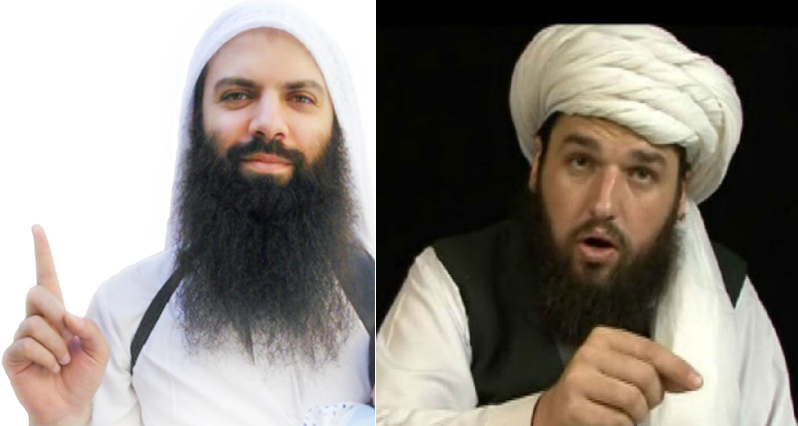
A couple of months ago, the Islamic State revealed that one of its most senior officials in the crucial media department until his death in January 2017 was an American, Ahmad Abousamra, known by various kunyas, including Abu Sulayman al-Shami and Abu Maysara al-Shami. Looking around afterwards, I came across an article by Abousamra condemning Adam Gadahn, another American, who was part of the core leadership of Al-Qaeda—one of the handful of men around Usama bin Laden and then Ayman al-Zawahiri—until he was killed in January 2015.

Continue reading

When Usama Bin Laden Defended the Islamic State

By Kyle Orton (@KyleWOrton) on 17 July 2017

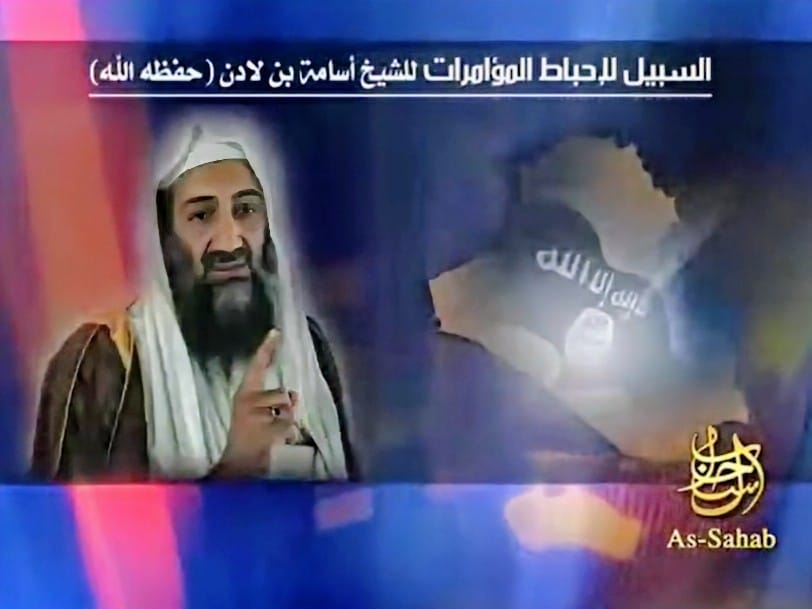
Usama bin Laden gave a speech lasting nearly an hour on 29 December 2007, entitled, “The Way to Foil the Conspiracies”. A translation of the speech is published below.

Continue reading

The Islamic State Expands Its Definition of Heresy

By Kyle Orton (@KyleWOrton) on 20 May 2017

A ruling in the name of the Islamic State’s Delegated Committee, prepared it seems by one of its senior members, Abu Zayd al-Iraqi, was issued on 17 May, expanding the scope of who, within the Muslim community, IS considers a heretic. The memo was addressed to “All Wilayat, Dawawin, and Committees,” and entitled, “That Those Who Perish Would Perish Upon Proof and Those Who Live Would Live Upon Proof”. The wide use of takfir (excommunication) has been one of IS’s most defining and controversial features—even within the jihadist world. This judgment, which comes in the context of a broader centralization of authority—on 14 May a decree banned individual IS fighters from using social media—takes IS into territory akin to the Armed Islamic Group (GIA), which hereticized whole sections of Algeria’s population and began slaughtering them. The text of the ruling was released in English and is reproduced below. Continue reading

Coalition on the Verge of Repeating the Mistakes of the Past Against the Islamic State

This article was published at BICOM

By Kyle Orton (@KyleWOrton) on 16 May 2017

Within the next month, the Islamic State (IS) will likely lose its grip on its Iraqi capital, Mosul, and the operation to drive it from its Syrian capital, Raqqa, will begin. The destruction of IS’s caliphate, however, is not even close to the end of the road for the movement, not least because of the manner in which it is being accomplished.

At its core the IS movement is waging a revolutionary war, and as Craig Whiteside, a fellow with The International Centre for Counter-Terrorism has explained, this means that the focus is on legitimacy. Military victories come and go but if IS is, over the long-term, gaining acceptance—whether from support, resignation, or fear—among the population it hopes to govern (the Sunni Arabs), then it is winning. It is for this reason that IS tries to embed political victories within its military defeats. Continue reading

Why The Islamic State Endures

By Kyle Orton (@KyleWOrton) on March 15, 2017

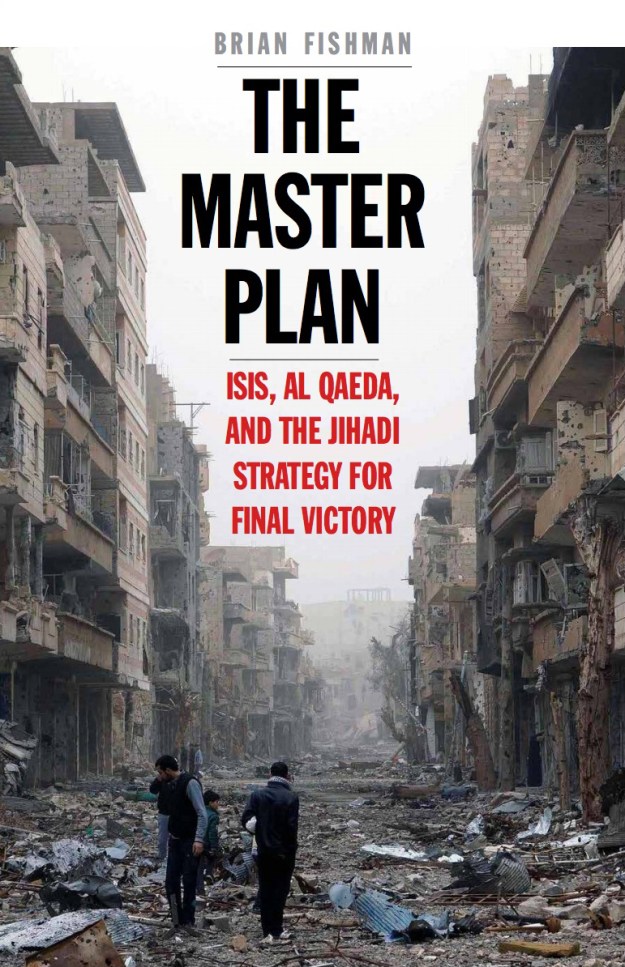
Brian Fishman’s The Master Plan provides a comprehensive history of the Islamic State’s (IS) strategic evolution, covering the personalities and events that shaped one of the most feared terrorist-insurgent groups that has ever existed. Eminently readable, in places even amusing—no small feat in a book about IS—Fishman flips with ease between the overview and the granular to demonstrate his points, using new sources that will allow as much supplementary research as a reader could wish for, and ties it together in a narrative that will be of use to both specialists and generalists. Continue reading

The Islamic State Explains Its Secret To Success

By Kyle Orton (@KyleWOrton) on February 11, 2017

2016-12-20-wilayat-dijla-tigris-4

On 28 September 2008, the emir of the Islamic State’s predecessor, the Islamic State of Iraq (ISI), Hamid al-Zawi (Abu Umar al-Baghdadi), released an audio statement, his twelfth such, entitled, “The Promise Of God”. An English version of al-Zawi’s speech was released by the Islamic State and is reproduced below with some interesting sections highlighted in bold. Continue reading