Tag Archives: America

America’s Kurdish Allies in Syria Can’t Counter Iran

Published at The Arab Weekly

By Kyle Orton (@KyleWOrton) on 11 February 2018

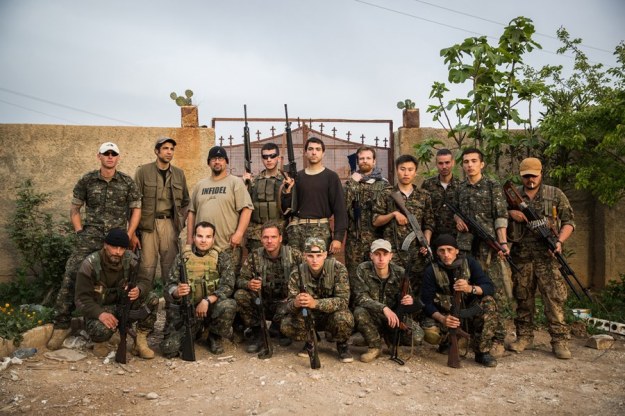
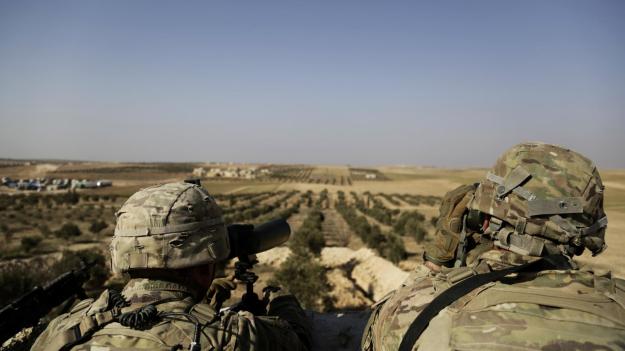
US Secretary of State Rex Tillerson laid out the Trump administration’s vision for Syria, making clear that, contrary to the expectations of many, the United States will stay in Syria beyond the collapse of the Islamic State’s (ISIS) self-proclaimed caliphate, holding the jihadists at bay and establishing an order compatible with US interests.

Crucially, Tillerson—in a sharp break with US President Donald Trump’s predecessor—specified that countering Iranian influence within Syria was a central US objective. The problem with the strategy is that it seems to rely on repurposing the United States’ anti-ISIS Kurdish militia allies against the Iranian revolution. Continue reading

Iran Claims to “Defeat” the Islamic State in Syria, a “Dangerous Conspiracy” by America and Israel

By Kyle Orton (@KyleWOrton) on 22 November 2017

Qassem Sulaymani, Hassan Nasrallah, Ali Khamene’i (c. 2000)

The leader of the Quds Force, the expeditionary unit of Iran’s Islamic Revolutionary Guard Corps (IRGC), Qassem Sulaymani, sent a public letter to Iran’s Supreme Leader, Ali Khamene’i, on 21 November. Sulaymani’s letter followed the apparent expulsion of the Islamic State from its last urban stronghold in Syria, al-Bukamal, on 19 November, by Quds Force-led troops—foreign Shi’a jihadists and the battered remnants of Bashar al-Asad’s army. Sulaymani informs Khamene’i that in overcoming the Islamic State and its caliphate, a “U.S.-Zionist-made” terrorist entity has been defeated. Sulaymani’s letter is reproduced below, with some noteworthy sections highlighted in bold. Continue reading

The Islamic State Adapts to the Coalition Campaign

By Kyle Orton (@KyleWOrton) on 3 October 2017

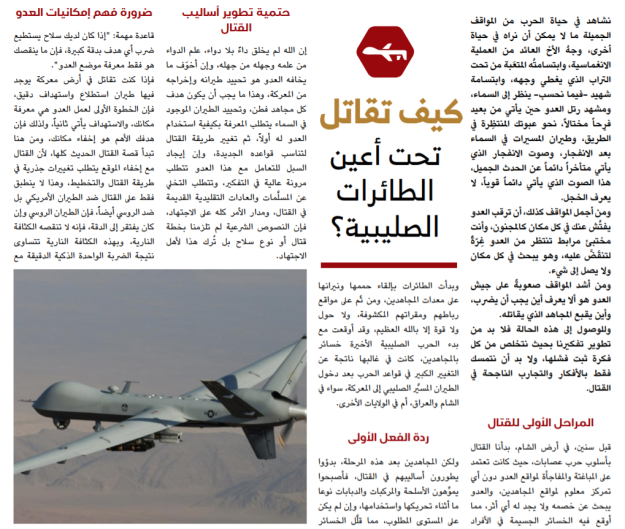
Hassan Hassan wrote in The National on 20 September 2017 about the Islamic State (IS) having issued a public statement on its adaptions to the U.S.-led Coalition air campaign against it in Iraq and Syria. This statement appeared on pages eight and nine of the ninety-seventh issue of Al-Naba, IS’s newsletter, on 14 September. A rough translation is republished below. Continue reading

What to Expect in Syria in 2017

By Kyle Orton (@KyleWOrton) on January 25, 2017

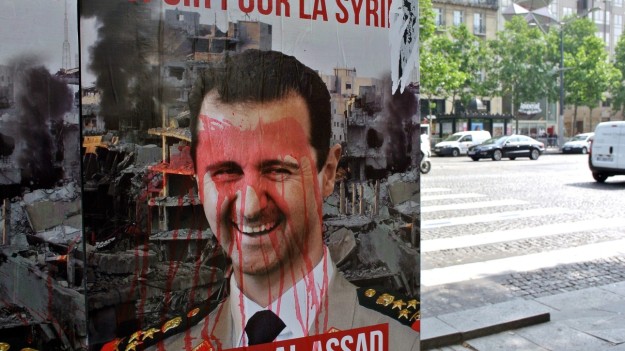
Syria has broken down as a functioning entity. There were some who saw in the takeover of Aleppo City last month by the coalition of states and militias that supports Bashar al-Assad’s regime the beginning of the end of the war. The pro-Assad coalition will make further territorial gains in 2017, but peace—even the peace of the graveyard—is still a long way off, and unlikely to ever arrive while Assad remains in power. The West, unwilling and apparently unable to remove him, nonetheless has vital interests in Syria that cannot be outsourced and must be secured by navigating a fragmented state. Continue reading

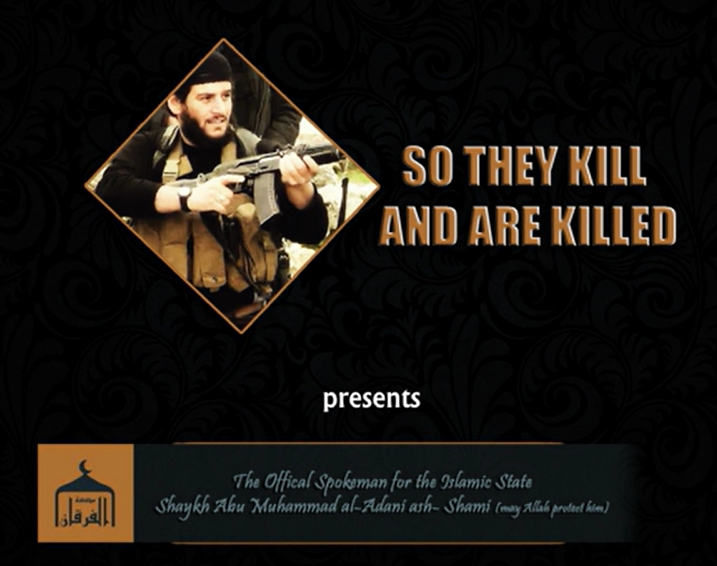
Islamic State Spokesman Presents the Caliphate as Utopia, Says the Coalition War Against it is Failing

By Kyle Orton (@KyleWOrton) on April 5, 2015

The spokesman of the Islamic State, Abu Muhammad al-Adnani, gave a speech on 12 March 2015 entitled, “They Kill and Are Killed” (فيَقتلون ويُقتلون), a phrase drawn from the Qur’an [9:111]. A translation of the speech is given below.

Continue reading

Al-Qaeda Issues Strategic Guidelines for Jihadist Warfare

By Kyle Orton (@KyleWOrton) on January 7, 2015

Al-Qaeda’s emir, Ayman al-Zawahiri, released a document on 14 September 2013, entitled, Tawjihat ‘Amma lil-Amal al-Jihadi (توجيهات عامة للعمل الجهادي), variously translated as: “General Guidelines for the Work of Jihad” or “General Guidelines for Jihadist Action”. Al-Zawahiri’s document is reproduced below. Continue reading

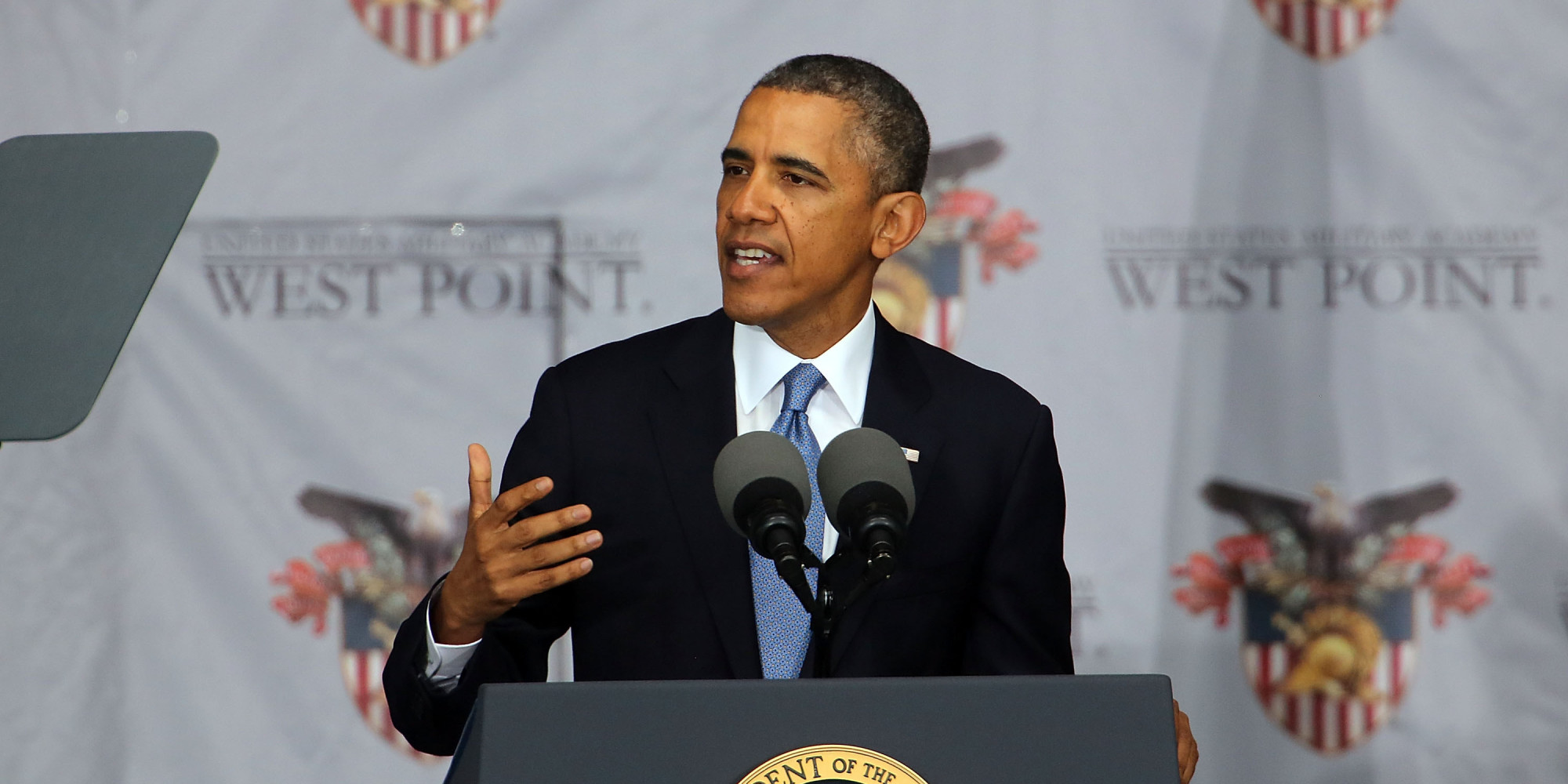
Obama Doubles-Down On His Foreign Policy At West Point

By Kyle Orton (@KyleWOrton) on May 28, 2014

President Obama Delivers Commencement Address At West Point

It was to be expected that this would be a bad speech. Attacked from all sides President Barack Obama was going to have to push back and that was always going to make the speech defensive. As usual, the President ploughed bravely into a battalion of straw men: positing extremes then selecting a cool middle way. But it was so much worse than that. The tone was not the problem; the content was. Continue reading