Tag Archives: Assef Shawkat

The Syrian Regime Helped the Islamic State Murder Americans

By Kyle Orton (@KyleWOrton) on 26 August 2017

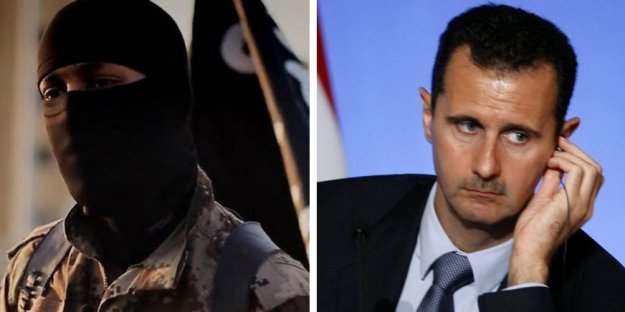
The Asad family regime in Syria has long been known to have had a key role in the formation and sustenance of the Islamic State (IS) and its predecessors. Without the Asad regime’s assistance, the IS movement could not have hoped to pose such a challenge to the Iraqi government, regional states, and Western interests and citizens. This has been underlined in a series of Federal Court rulings in the United States that have brought together evidence on this matter. In April, another such ruling found the Asad regime liable in the murder of three more Americans. Continue reading

International Taboo on Chemical Weapons Frays As U.S. Steps Back

By Kyle Orton (@KyleWOrton) on January 13, 2017

Yesterday, the United States Treasury Department imposed sanctions on eighteen senior officials in the regime of Bashar al-Assad. The sanctions come in response to reports in August and October 2016 by the Organization for the Prohibition of Chemical Weapons (OPCW), the United Nations investigative body, which found that found “the Syrian government, specifically the Syrian Arab Air Force, was responsible for three chlorine gas attacks in Talmenes on April 21, 2014, and in Qmenas and Sarmin on March 16, 2015.” This is three years after the Assad regime was spared punitive military strikes for its use of chemical weapons under a Russian-orchestrated “deal” that ostensibly disarmed Assad of such weapons. Continue reading

Saddam Hussein Prepared the Ground for the Islamic State

By Kyle Orton (@KyleWOrton) on April 26, 2016

This essay, written to tie together my work on the relationship between the Saddam Hussein regime and the Islamic State, was completed last summer and submitted to an outlet, where it entered a form of development hell. After giving up on that option late last year, the opportunity arose to get a shorter version published in The New York Times in December. But I procrastinated too long over what to do with the full essay and a recent change in my work situation means I no longer have the bandwidth to go through the process of finding it a new home, so here it is.

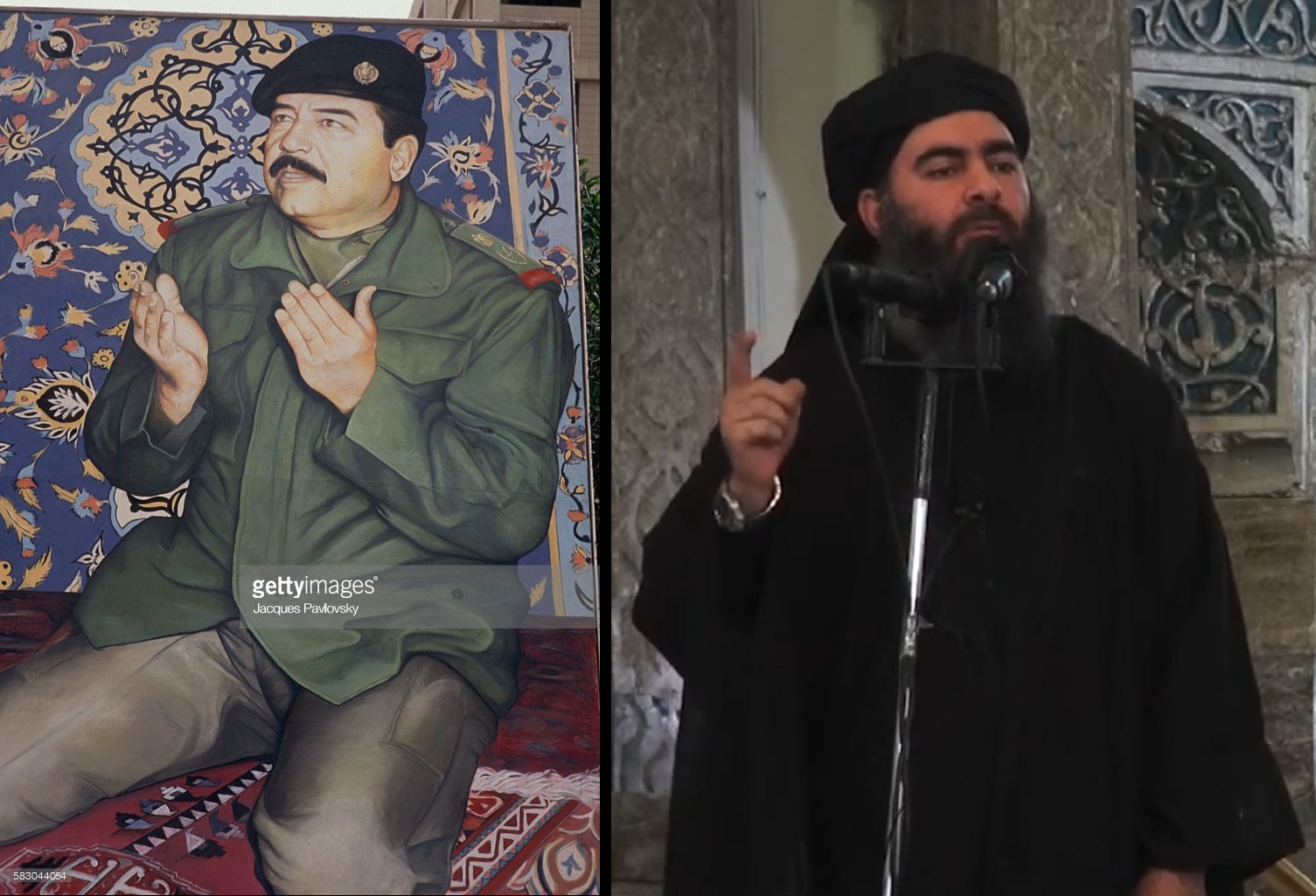
“Abu-Bakr al Baghdadi is a product of the last decade of Saddam’s reign,” argues Amatzia Baram, a scholar of Iraq. He is correct in at least three ways. First, in its last decade in power, the Iraqi Ba’ath regime transformed into an Islamist government, cultivating a more religious, sectarian population on which the Islamic State (ISIS) could draw. Part of Saddam Hussein’s “Faith Campaign” also involved outreach to Islamist terrorists, including al-Qaeda, which meant that the synthesis of Ba’athism and Salafism that fused into the Iraqi insurgency after the fall of Saddam was already well advanced by the time the Anglo-American forces arrived in Baghdad in 2003. Second, the ISIS leadership and military planning and logistics is substantially reliant on the intellectual capital grown in the military and intelligence services of the Saddam regime. And finally, the smuggling networks on which ISIS relies, among the tribes and across the borders of Iraq’s neighbours, for the movement of men and materiel, are directly inherited from the networks erected by the Saddam regime in its closing decade to evade the sanctions. The advantages of being the successor to the Saddam regime make ISIS a more formidable challenge than previous Salafi-jihadist groups, and one that is likely to be with us for some time.

Continue reading

Syria: The Revolution at Five

By Kyle Orton (@KyleWOrton) on March 15, 2016

Article published at Left Foot Forward

1

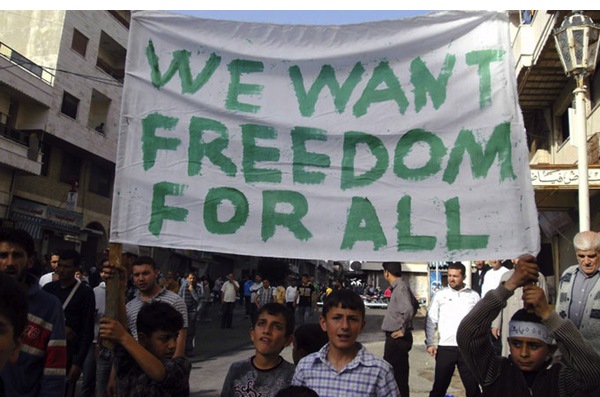
Five years ago today protests broke out in a small town in southern Syria and, carried by social media, spread throughout the country.

For about six months, the Syrian uprising would be mostly peaceful, but inevitably the population fought back as the regime of Bashar al-Assad—aided from the earliest stages by Iran and its Lebanese proxy, Hizballah—widened and intensified its violent crackdown.

In yet another unexpected turn, the last few weeks have seen the revival of this early spirit of the revolution to its strongest point in years. Continue reading

Partners in Terror: The Assad Regime and the Islamic State

By Kyle Orton (@KyleWOrton) on March 9, 2016

Article published at NOW Lebanon

1

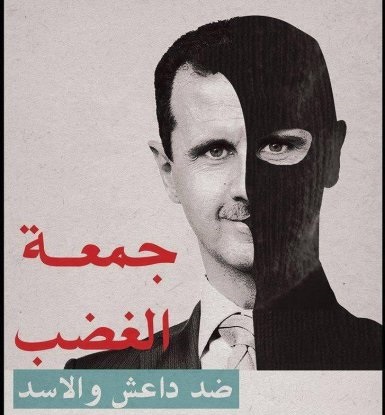
Last week, a judgment in United States District Court in Washington, D.C., awarded nearly $350 million to the families of two Americans killed in Jordan in 2005 by the predecessor organization to the Islamic State (ISIS). The important point of the case was who the court found liable: the regime of Bashar al-Assad, currently presenting itself to the world as the last line of defense to a terrorist takeover of Syria. This case highlights a neglected history, which began in 2002, where the Assad regime underwrote ISIS and fostered its growth, first to destabilize post-Saddam Iraq and later Lebanon, and since 2011 to discredit and destroy the uprising against Assad in Syria. Continue reading

If Assad Murdered His Own Brother-In-Law To Survive, What Wouldn’t He Do?

By Kyle Orton (@KyleWOrton) on December 19, 2014
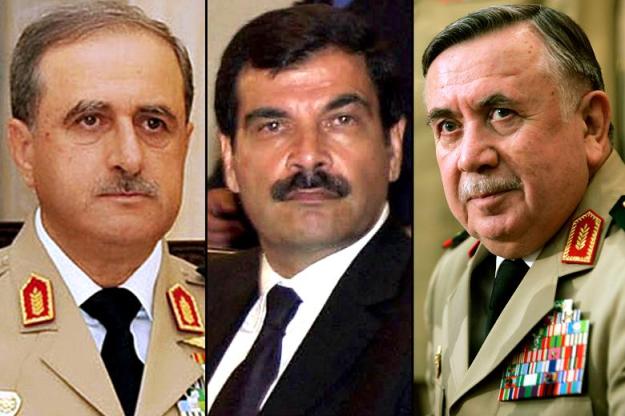
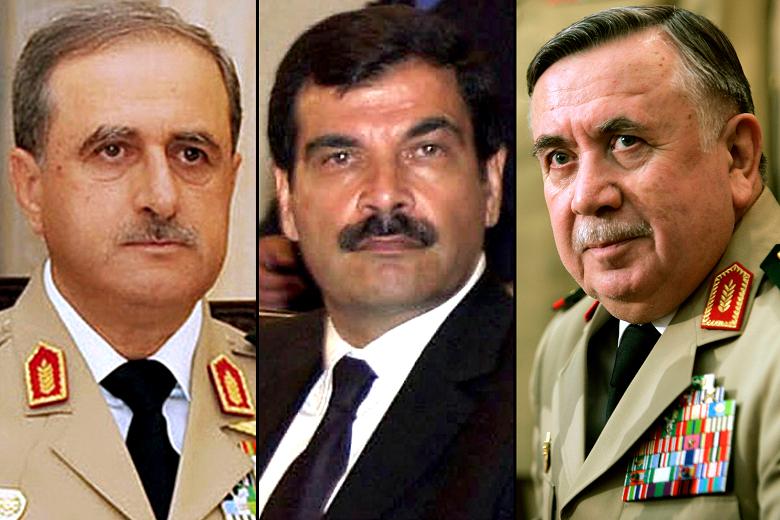
Defence Minister Daoud Rajha, General Assef Shawkat and General Hassan Ali Turkmani

Defence Minister Daoud Rajha, General Assef Shawkat and General Hassan Ali Turkmani

Sam Dagher at the Wall Street Journal has identified the July 18, 2012, bombing, which killed four senior Assad regime officials, most seriously Assef Shawkat, as the turning point in Syria, reversing the rebellion’s momentum, bringing the scale of the killing above where it had been before, closing the ranks of the minorities around the regime, and opening the country up to Iran.

Dagher certainly has the timing correct. It was the late summer, and most noticeably the fall of 2012, when the death toll in Syria markedly increased. 5,000 people had been killed in all of 2011, and another 5,000 by May 2012. By September 2012, 30,000 people were dead, the kill-rate now reaching 5,000-per-month. By January 2013, 60,000 people were dead, a kill-rate of 10,000-per-month. Nobody really knows what the total, let alone the rate, is now, but this was when it spiked. This period is also concurrent with the massive operation mounted by Clerical Iran to rescue the Bashar dictatorship.

Given how beneficial this bombing was to the regime, there have long been rumours it was an inside job. A recent report by Naame Shaam said exactly this, that this was an Iranian-orchestrated counter-intelligence operation to snuff-out the softliners within the regime who were trying to reach a deal with the protesters and rebels inside the country and their Gulf Arab patrons, which would have involved some concessions from the regime on its absolute control. Continue reading

The Assad Regime’s Collusion With ISIS and al-Qaeda: Assessing The Evidence

By Kyle Orton (@KyleWOrton) on March 24, 2014

1

There has long been speculation in Syrian oppositionist circles that the regime was colluding with the Qaeda-type forces in the insurgency, to shore-up its own base by frightening the minorities and to ward off external help to the rebellion from the West. Continue reading