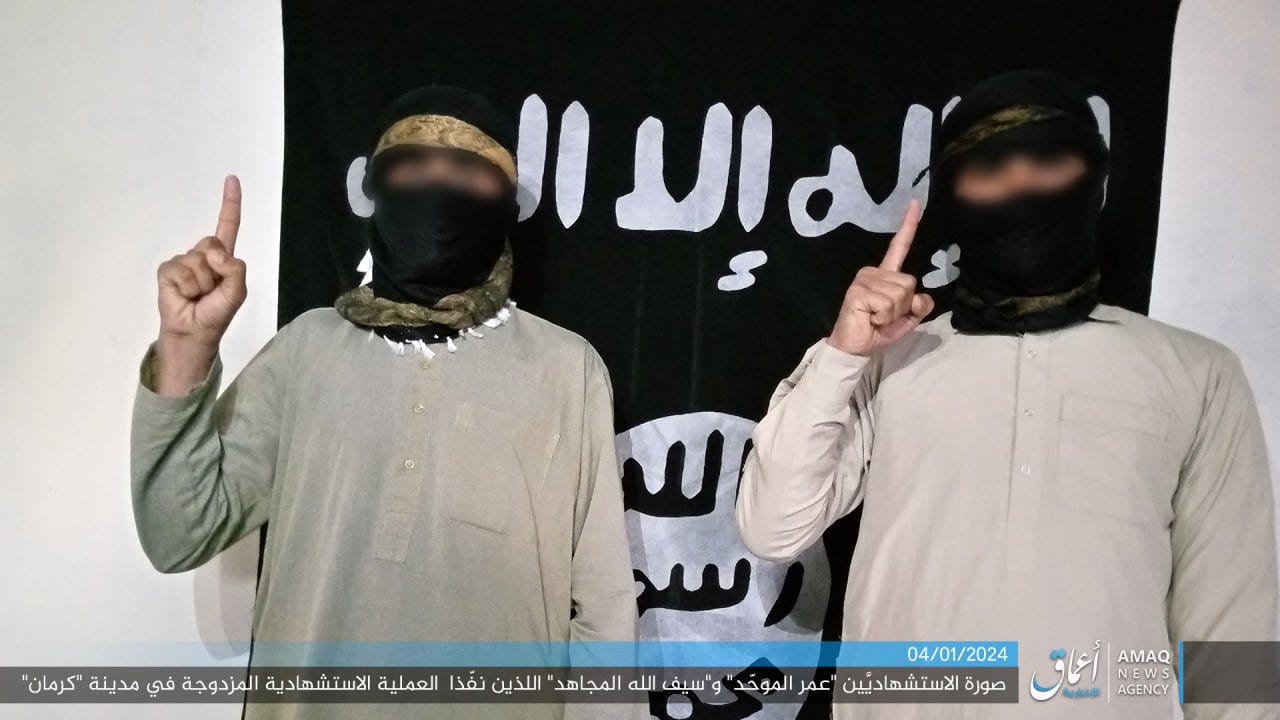
By Kyle Orton (@KyleWOrton) on 6 January 2024
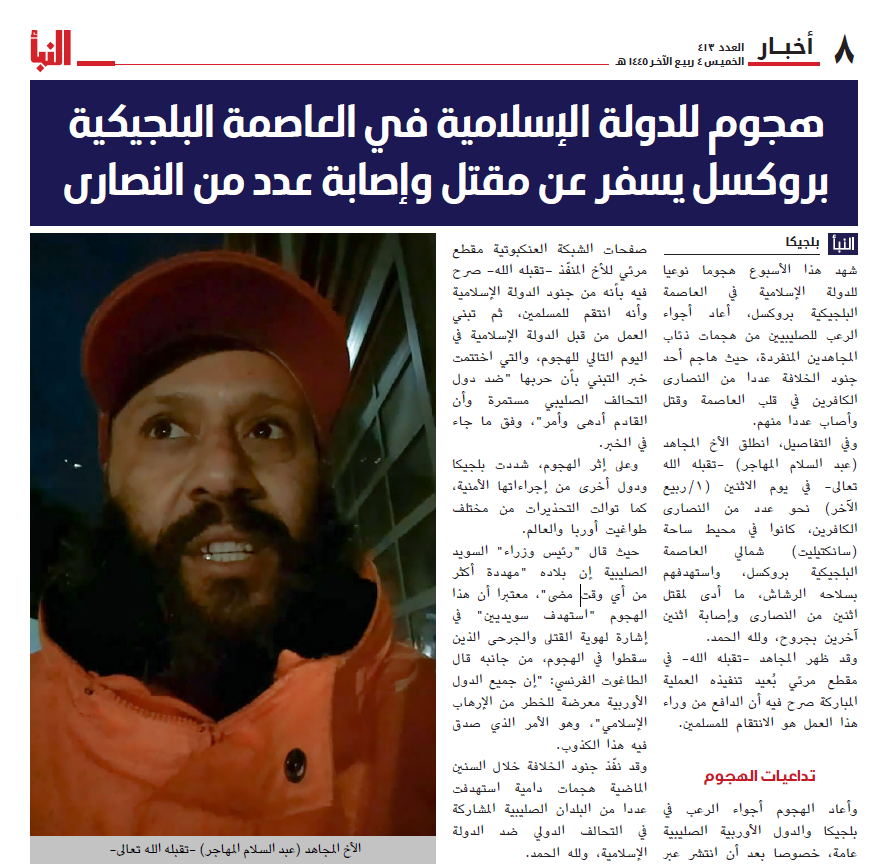
By Kyle Orton (@KyleWOrton) on 30 July 2022

Islamic State in Palmyra, December 2016
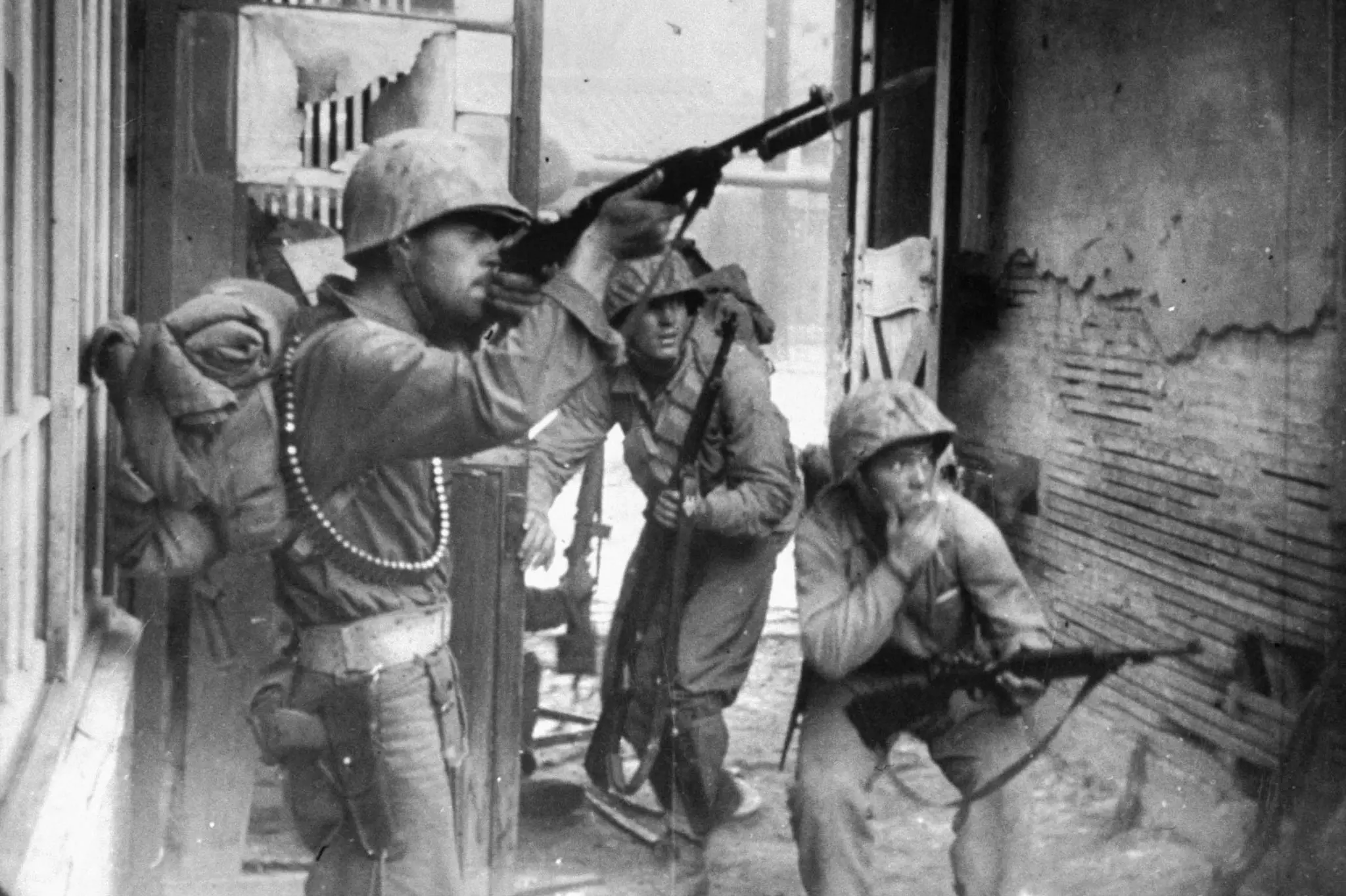
By Kyle Orton (@KyleWOrton) on 22 February 2022

Kabul, the capital of Afghanistan, fell to jihadists on 15 August 2021, and this has emboldened the jihadist movement across the world, providing it with a morale boost and a model, as well as renewing the terrorist safe haven that incubated 9/11. Continue reading
By Kyle Orton (@KyleWOrton) on 17 June 2021

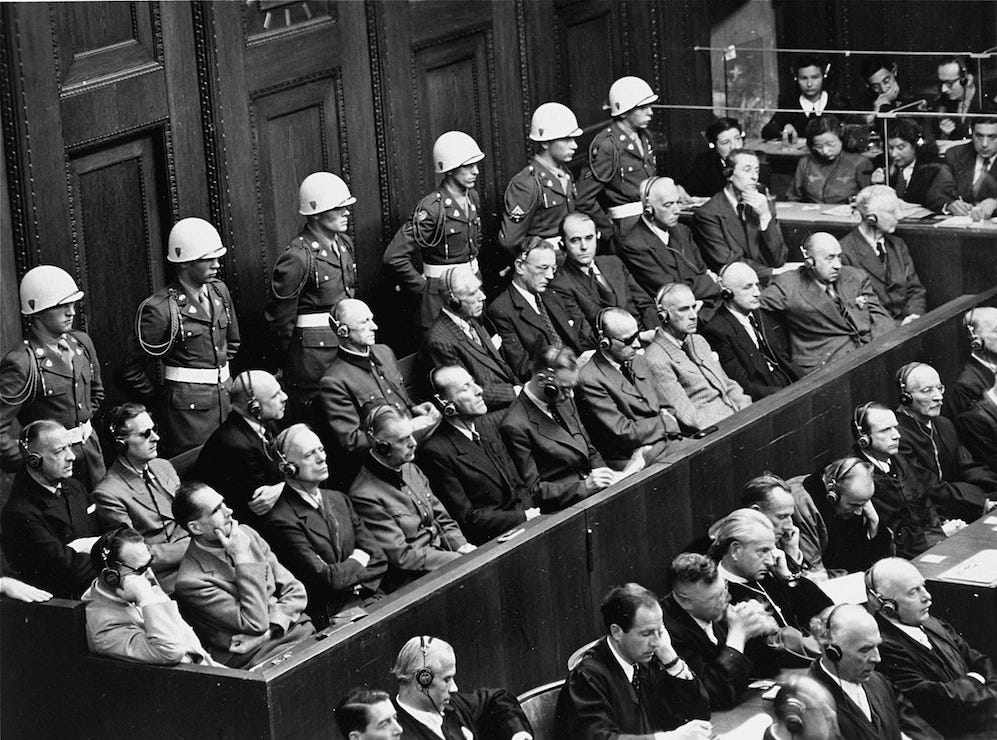
By the autumn of 1940, the entirety of Western Europe except Spain and Portugal lay under Nazi control, as did much of the Centre and parts of the East: Austria, Czechoslovakia, Poland, Denmark, Norway, the Netherlands, Belgium, Luxembourg, and France had all fallen without serious resistance, and Britain’s refusal to take the German offer of leaving the Continent to the Nazis and the Nazis would leave the British with India had incurred the wrath of the Luftwaffe with night after night of air-raids.
It was in this context that a meeting was held, on 23 October 1940, between Adolf Hitler and Spain’s ruler, Francisco Franco. The meeting, taking place at the railway station in Hendaye, within conquered France, on the western-most point of the Franco-Spanish border, was also attended by the foreign ministers, Ramón Serrano Súñer (Spain) and Joachim von Ribbentrop (Germany). The Germans arranged the meeting to try to get Spain into the war, and General Franco attended the meeting intent on refusing—politely. Continue reading


 Kyle Orton's Blog