By Kyle Orton (@KyleWOrton) on 15 August 2023

By Kyle Orton (@KyleWOrton) on 19 December 2021
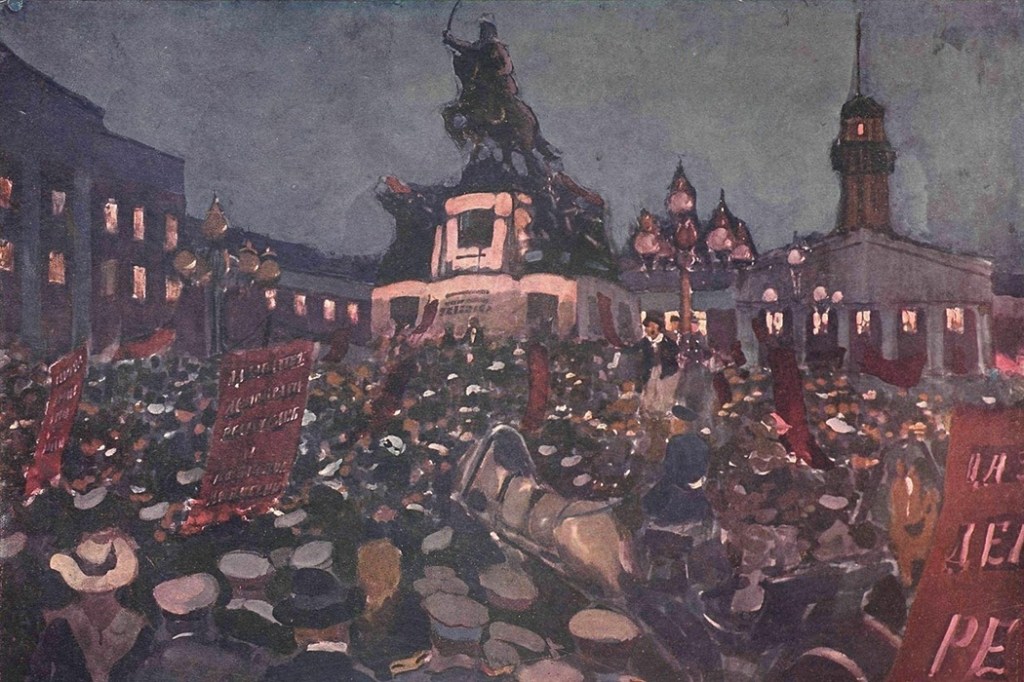
Skobelev Square during the February Revolution, painting by Aleksandr Gerasimov, 1917
The “February Revolution” is so-called because Russia at the time was on the Julian (Old Style (O.S.)) calendar. By the Gregorian (New Style (N.S.)) calendar, which Russia adopted in February 1918, these events take place in March 1917. And momentous events they were, leading to the abdication of the last Tsar, the end of a monarchy and an entire system of power and authority that dated back more than 350 years. For eight months in 1917, Russia struggled to extend the constitutionalist reforms that had begun under the Tsardom within a more liberal framework. The liberals never did gain the upper hand over the radicals, not even after the September 1917 de facto return to autocracy. In November 1917, a coup by the most extreme Leftist faction, the Bolsheviks, terminated the experiment, burying for seven decades even the aspirations in Russia for liberalism and democracy. Continue reading
By Kyle Orton (@KyleWOrton) on 13 December 2021
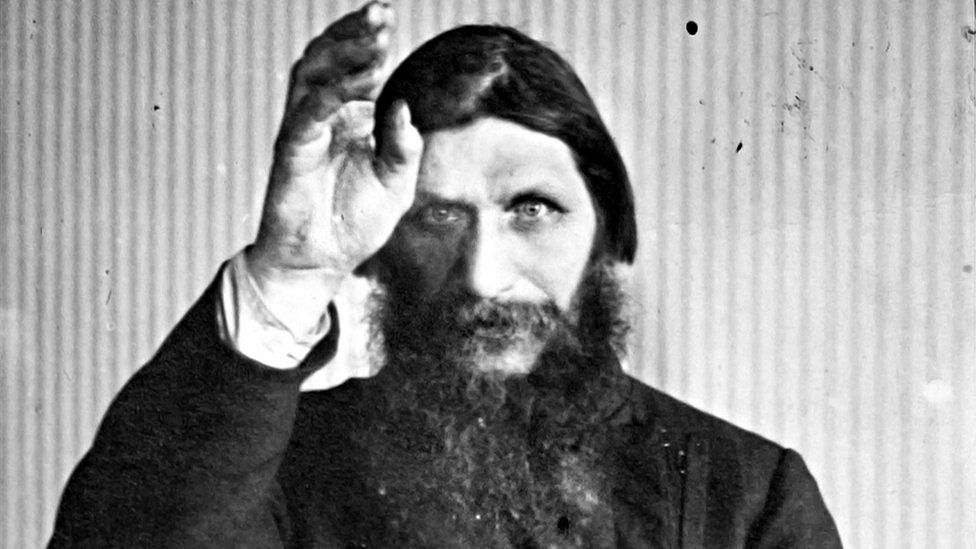
Grigori Rasputin
Grigori Rasputin, a Siberian peasant holy man, was a presence at the Russian Court between 1908 and his murder in 1916. Even so, Rasputin would only have been one figure among many and not be so notable in history, except for the fact that he gained significant political influence in his last couple of years due to his friendship with the Tsar’s wife. The degree of influence Rasputin exerted and the stories of his debauched behaviour have often been wildly exaggerated—at the time and since. But the stories did have a basis in fact—the Tsarina had fused together her personal forays in mysticism with her political role—and the stories themselves, lurid and defamatory as many of them were, had a concrete effect in damaging the monarchy as Revolution loomed. Continue reading
By Kyle Orton (@KyleWOrton) on 10 December 2021
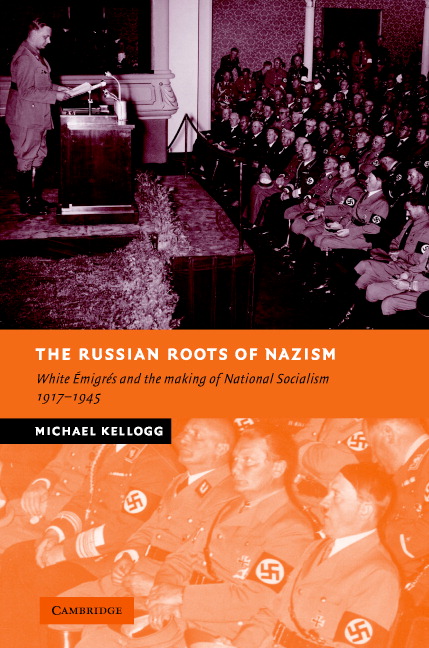
Michael Kellogg’s 2005 book, The Russian Roots of Nazism, argues that Russian “White émigrés” exerted financial, political-military, and ideological influences that “contributed extensively to the making of German National Socialism”. As such, argues Kellogg, Nazism “did not develop merely as a peculiarly German phenomenon”, but within an “international radical right milieu”. The book is interesting but deeply flawed, overstating its case by failing to set the facts it gathers in a proper context and for similar reasons misunderstanding where some of the Russian elements under discussion fit within the politics of the revolutionary upheaval after 1917, both within the borders of Russia and in exile in Europe. Continue reading
By Kyle Orton (@KyleWOrton) on 8 December 2021
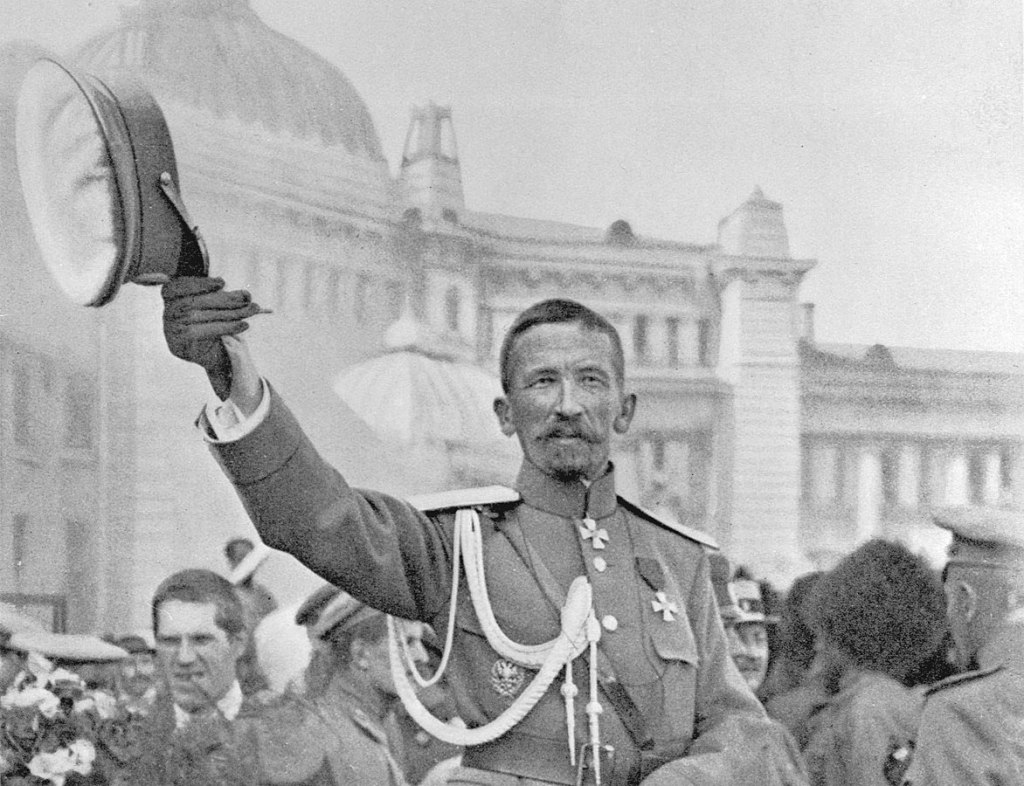
General Lavr Kornilov, 27 August 1917
The final key event on the road to the Bolshevik takeover of Russia in November 1917 was the “Kornilov Affair” that took place about two months earlier. Alexander Kerensky had become Prime Minister of the Provisional Government in July 1917 and around the same time General Lavr Kornilov had become Commander-in-Chief. A lot of accounts portray the “Kornilov Affair” as a “reactionary” coup attempt by Kornilov against Kerensky. The reality is very nearly the exact opposite. As historian Robert Pipes summarises: “All the available evidence, rather, points to a ‘Kerensky plot’ engineered to discredit the general as the ringleader of an imaginary but widely anticipated counterrevolution, the suppression of which would elevate the Prime Minister to a position of unrivaled popularity and power, enabling him to meet the growing threat from the Bolsheviks.”[1] Continue reading


 Kyle Orton's Blog