By Kyle Orton (@KyleWOrton) on 9 March 2019

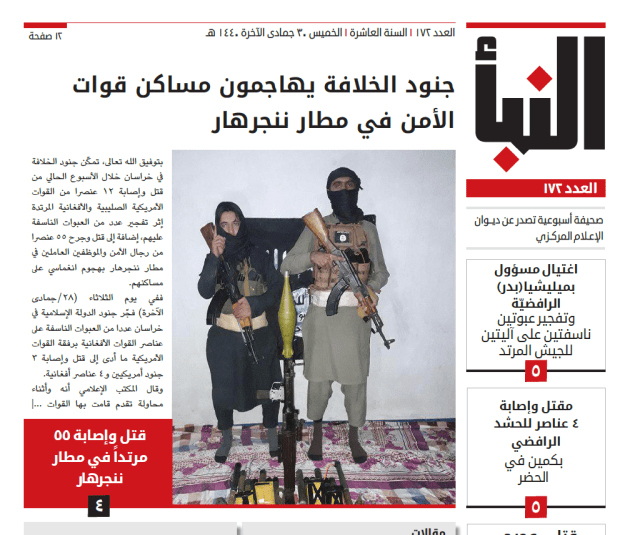
Al-Naba 172 front page
The Islamic State (IS) released the 172nd edition of Al-Naba, its newsletter, on 7 March 2019. Continue reading
By Kyle Orton (@KyleWOrton) on 9 March 2019

Al-Naba 172 front page
The Islamic State (IS) released the 172nd edition of Al-Naba, its newsletter, on 7 March 2019. Continue reading
By Kyle Orton (@KyleWOrton) on 24 January 2019

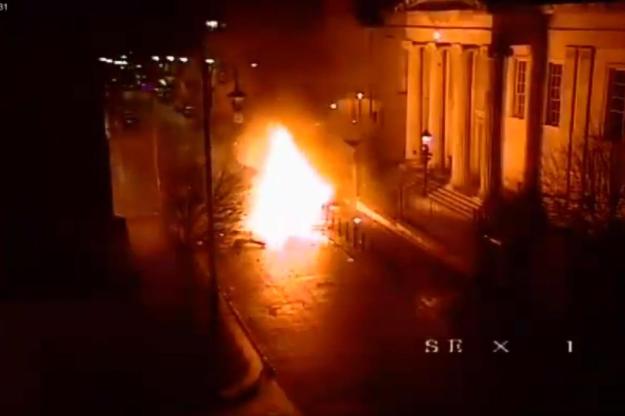
CCTV footage of the Londonderry bombing, 19 January 2019 [source]
By Kyle Orton (@KyleWOrton) on 17 January 2019

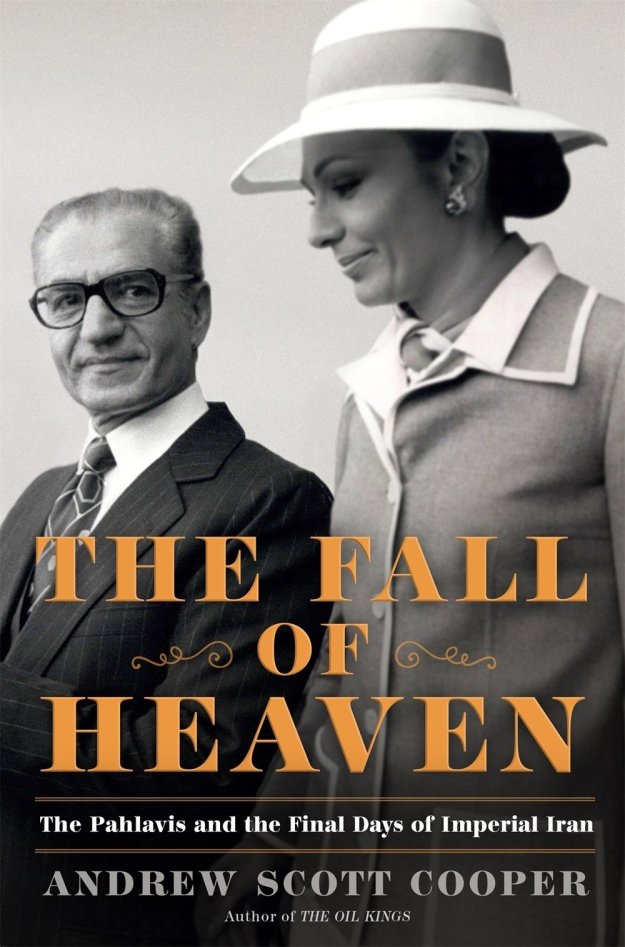
Forty years ago yesterday, Muhammad Reza Pahlavi, the Shah (King) of Iran, left his country for the last time as a year-long revolution crested. A month later, the remnants of the Imperial Government collapsed and Grand Ayatollah Ruhollah Khomeini was swept to power after his long exile, establishing the first Islamist regime. Andrew Scott Cooper’s 2016 book, The Fall of Heaven: The Pahlavis and the Final Days of Imperial Iran, charts how this happened. Continue reading
By Kyle Orton (@KyleWOrton) on 12 December 2018

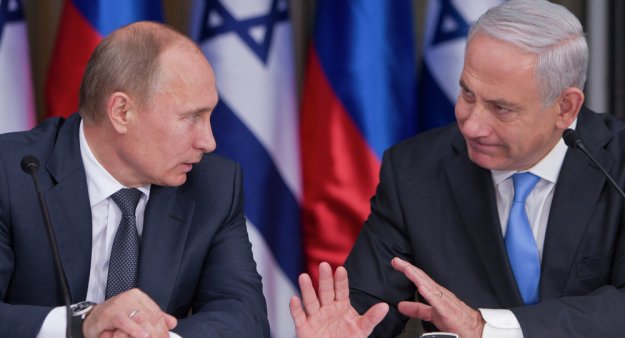
© AP Photo / Jim Hollander, Pool
Essay: “Zionism is Making Us Stupid”: The Russian Relationship with Israel from the Soviets to Putin Continue reading
This article was published at Ahval
By Kyle Orton (@KyleWOrton) on 26 October 2018

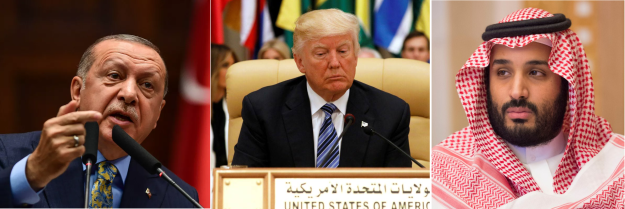
The Turkish government’s recent record in foreign policy is hardly a success story. It is therefore noteworthy that, so far, Ankara has handled the murder of Saudi journalist Jamal Khashoggi with a singular deftness. Whether Turkish President Recep Tayyip Erdoğan can see this through is now the key question. Continue reading
By Kyle Orton (@KyleWOrton) on 18 September 2018

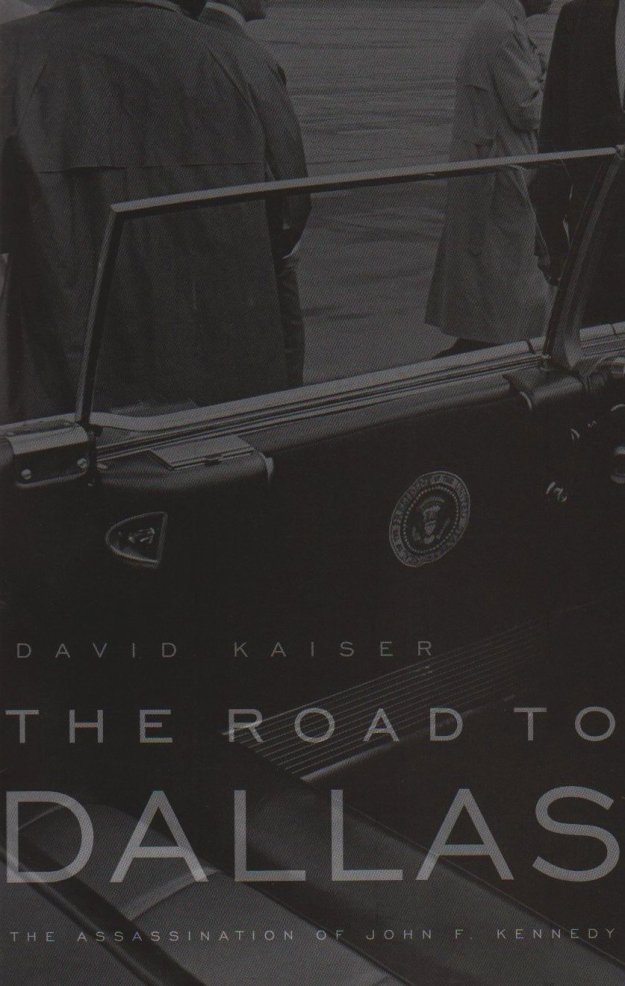
To even pose the question is, for most of us, to be already well-advanced down the road of madness that leads to saying the U.S. federal government murdered President John F. Kennedy. Dr. David Kaiser’s The Road to Dallas (2008) rejects such vast conspiracy theories, as it does the notion of Lee Harvey Oswald as the lone killer. Kaiser instead argues for a more limited conspiracy, led by the mob bosses of mid-20th century America, and originating in the grey-zone where that world met the Cuban exile community and the Central Intelligence Agency’s efforts to bring down Fidel Castro. Continue reading
By Kyle Orton (@KyleWOrton) on 9 September 2018
The United States has launched at least five raids into Syria to date, all of them against the Islamic State (IS).[1] The second such raid, on 15 May 2015, killed Fathi al-Tunisi (Abu Sayyaf al-Iraqi, Abu Muhammad al-Iraqi, or Abd al-Ghani), who oversaw critical revenue-generating criminal schemes for the group. Al-Tunisi was primarily responsible for the oil industry in eastern Syria, in which capacity he collaborated with Bashar al-Asad’s regime, and he worked as head of the Antiquities Division of IS Diwan al-Rikaz, which translates literally as the “Department of Precious Things That Come Out of the Ground”, usually given as the “Department of Natural Resources”. Al-Tunisi was what is sometimes termed a “middle manager”: the connective tissue between the most senior levels of the leadership and local administrators, ensuring smooth coordination between the two by inter alia keeping the books. In short, the kind of terrorist operative that keeps an organisation going. Continue reading
By Kyle Orton (@KyleWOrton) on 5 September 2018

In less than a week, it will be the seventeenth anniversary of al-Qaeda’s “Plane’s Operation”, the assault on the United States. It is a vertiginous enough reflection that many of us have been alive more years since 11 September 2001 than before it, and positively alarming that many of those who will soon move into the government, media, and other leading societal institutions will have been born after an event that still shapes so much of the international scene. As Anthony Summers and Robbyn Swan put it in The Eleventh Day: The Ultimate Account of 9/11 (2011), we are left with “the brief name ‘9/11’,” the context and meaning stripped away all this time later. The book is a useful overview of an event that should always be to some degree fresh in mind, though it is not without its problems in its analytical sections. Continue reading
By Kyle Orton (@KyleWOrton) on 1 March 2018

Aftermath of a pro-Asad coalition bombing in Hamouria, in besieged Eastern Ghuta, near Damascus, 22 February 2018. (AFP)
In the summer and autumn of 2017, it was claimed Syria’s civil war was winding down, but the nearly seven-year conflict is nowhere near to finished, and recent events suggest it could even escalate. Continue reading
By Kyle Orton (@KyleWOrton) on 4 February 2018

Syrian rebels in eastern Aleppo, November 2016 (image source)
Operation TIMBER SYCAMORE, the formally-covert program run by the Central Intelligence Agency (CIA), has, since approximately 2012, ostensibly provided support to vetted Syrian rebel units fighting against Bashar al-Asad’s regime. This program, begun by President Barack Obama, was never raised to a level that could alter the course of Syria’s conflict in favour of the opposition, and indeed one of its most concrete effects was denying certain categories of heavy weapons to the rebellion. While providing subsistence to some rebels, the program was mostly a political instrument, shielding Obama from criticism as he tilted U.S. policy in Asad’s favour by empowering his patron, Iran. President Donald Trump abandoned even this fig-leaf of opposition to Asad in July 2017, announcing the end of the program, a termination that went into effect last month. Continue reading