Tag Archives: Jaysh al-Mujahideen

Al-Qaeda Reshapes the Insurgency in Northern Syria

By Kyle Orton (@KyleWOrton) on February 7, 2017

Hay’at Tahrir al-Sham logo

A series of clashes broke out on 19 January between al-Qaeda’s rebranded Syrian branch, Jabhat Fatah al-Sham (JFS), and its heretofore close ally and portal into the Syrian rebellion, Ahrar al-Sham. By 23 January, JFS had expanded its targets, engaging in hostilities with mainstream rebel groups in the “Greater Idlib” area, and specifically trying—and succeeding—in dismantling the positions of Jaysh al-Mujahideen, a moderate group, west of Aleppo. The crisis continued to escalate, forcing many groups to merge with Ahrar al-Sham for protection, until 28 January, when a JFS-led merger was announced under the banner of Hay’at Tahrir al-Sham (HTS), or the Syrian Liberation Committee. HTS announced a ceasefire, and since then individuals and groups—including a significant number from Ahrar—have given allegiance to HTS. This radical reshaping of revolutionary dynamics in northern Syria has undoubtedly created antibodies going forward against al-Qaeda that could be capitalized on by the international community, but the present situation is highly favourable to al-Qaeda. Continue reading
Al-Qaeda Says Attacking Syrian Rebel Groups Was Self-Defence Against A ‘Conspiracy’

By Kyle Orton (@KyleWOrton) on January 26, 2017

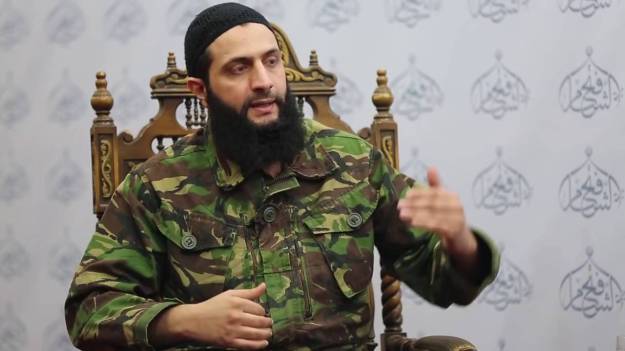
Ahmad al-Shara (Abu Muhammad al-Jolani)

Ahmad al-Shara (Abu Muhammad al-Jolani)

Violence erupted between Jabhat Fatah al-Sham, the rebranded al-Qaeda branch in Syria, and Ahrar al-Sham, its long-time ally and its bridge into the Syrian rebellion, beginning on 19 January. These clashes expanded to encompass the mainstream armed opposition on 23 January. Today, al-Maqalaat, a pro-JFS outlet, published a long statement explaining the fighting from JFS’s point-of-view. The salient points of the argument and other interesting elements are highlighted in bold. Continue reading

How the Islamic State’s Caliph Responded to Defeat Last Time

By Kyle Orton (@KyleWOrton) on January 21, 2017

1-2

The first proto-caliph of the Islamic State (IS), Hamid al-Zawi (Abu Umar al-Baghdadi), gave his fourth audio speech on 16 April 2007, “The Harvest of the Years for the State of the Muwahideen (Monotheists)”. An English version of al-Zawi’s speech was disseminated by IS’s al-Furqan Media and it is reproduced below with some editions in transliteration and syntax, and some interesting or important sections highlighted in bold. Continue reading

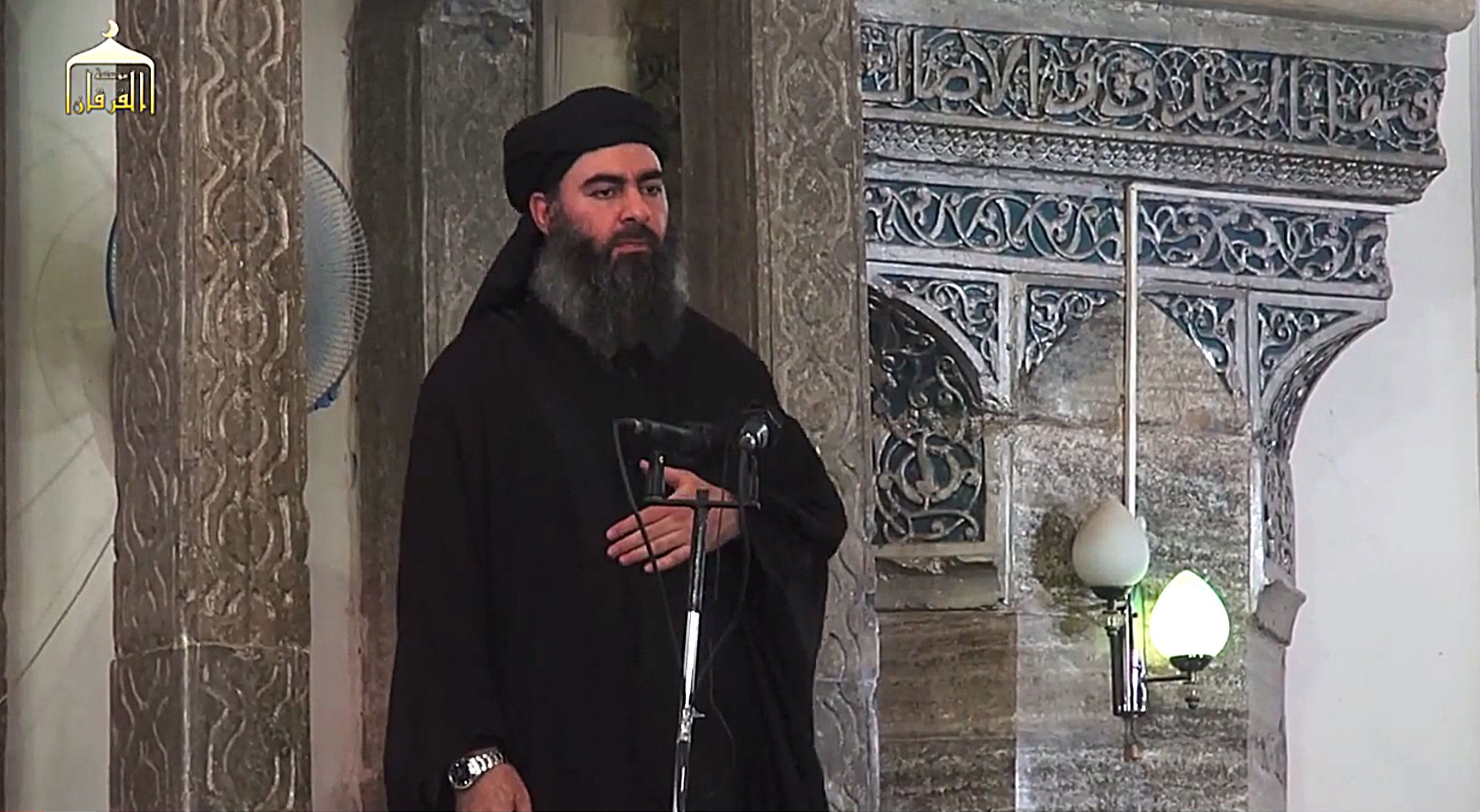
Profile of the Islamic State Caliph: Abu Bakr al-Baghdadi

By Kyle Orton (@KyleWOrton) on August 7, 2016

This post is drawn from a recent report I published profiling the leadership of the Islamic State.

The leader of the Islamic State (IS) since 2010 has been Abu Bakr al-Baghdadi, previously known as Abu Dua or Abu Awad, and his real name—acknowledged by IS itself since the declaration of the so-called Caliphate in 2014—is Ibrahim Awwad Ibrahim Ali Muhammad al-Badri al-Samarrai.

Continue reading

Saddam Hussein Prepared the Ground for the Islamic State

By Kyle Orton (@KyleWOrton) on April 26, 2016

This essay, written to tie together my work on the relationship between the Saddam Hussein regime and the Islamic State, was completed last summer and submitted to an outlet, where it entered a form of development hell. After giving up on that option late last year, the opportunity arose to get a shorter version published in The New York Times in December. But I procrastinated too long over what to do with the full essay and a recent change in my work situation means I no longer have the bandwidth to go through the process of finding it a new home, so here it is.

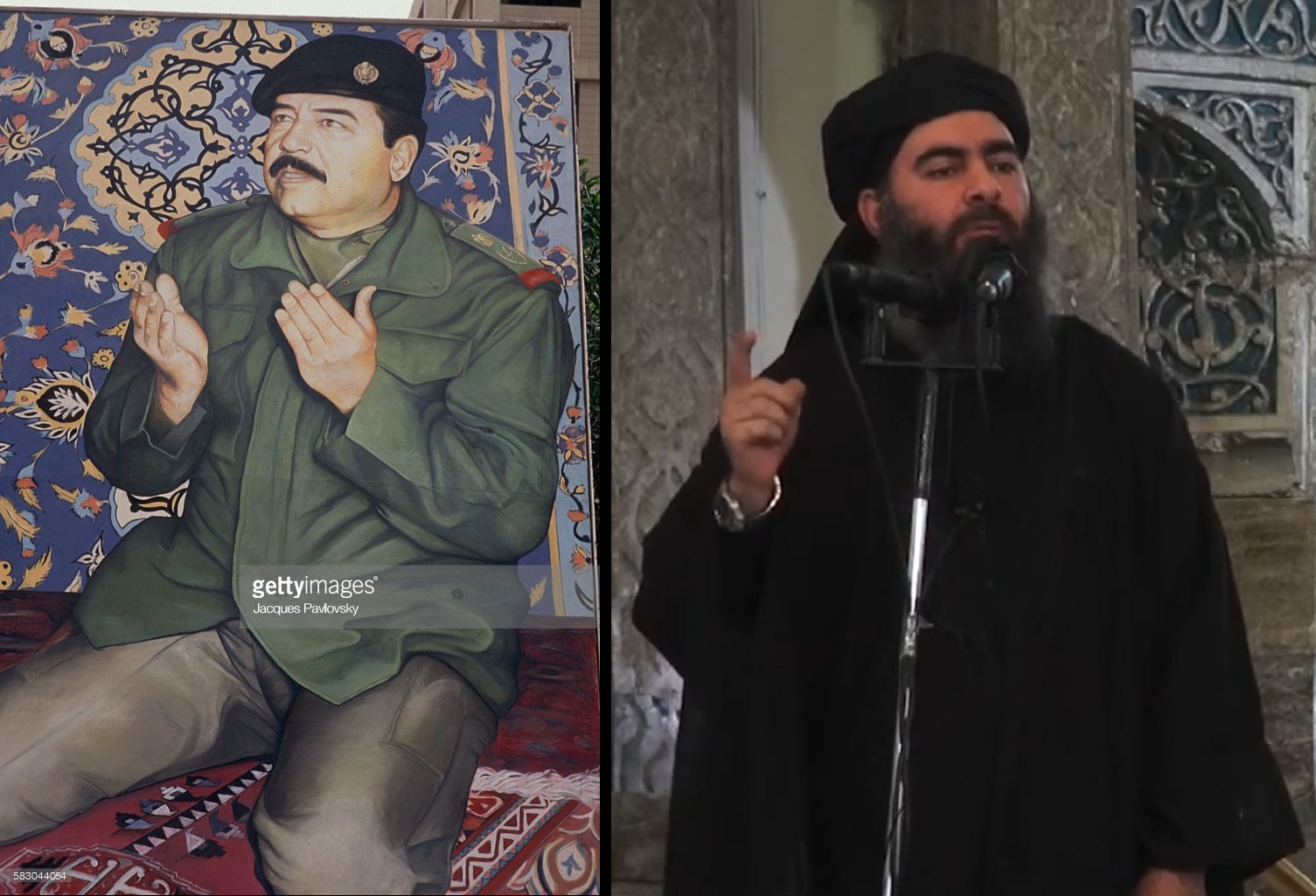
“Abu-Bakr al Baghdadi is a product of the last decade of Saddam’s reign,” argues Amatzia Baram, a scholar of Iraq. He is correct in at least three ways. First, in its last decade in power, the Iraqi Ba’ath regime transformed into an Islamist government, cultivating a more religious, sectarian population on which the Islamic State (ISIS) could draw. Part of Saddam Hussein’s “Faith Campaign” also involved outreach to Islamist terrorists, including al-Qaeda, which meant that the synthesis of Ba’athism and Salafism that fused into the Iraqi insurgency after the fall of Saddam was already well advanced by the time the Anglo-American forces arrived in Baghdad in 2003. Second, the ISIS leadership and military planning and logistics is substantially reliant on the intellectual capital grown in the military and intelligence services of the Saddam regime. And finally, the smuggling networks on which ISIS relies, among the tribes and across the borders of Iraq’s neighbours, for the movement of men and materiel, are directly inherited from the networks erected by the Saddam regime in its closing decade to evade the sanctions. The advantages of being the successor to the Saddam regime make ISIS a more formidable challenge than previous Salafi-jihadist groups, and one that is likely to be with us for some time.

Continue reading

As Syria’s Opposition Tries To Unite, Prospects For Peace Recede

By Kyle Orton (@KyleWOrton) on December 9, 2015

A version of this article was published at Middle East Eye.

A rebel fighter from the Free Syrian Army's

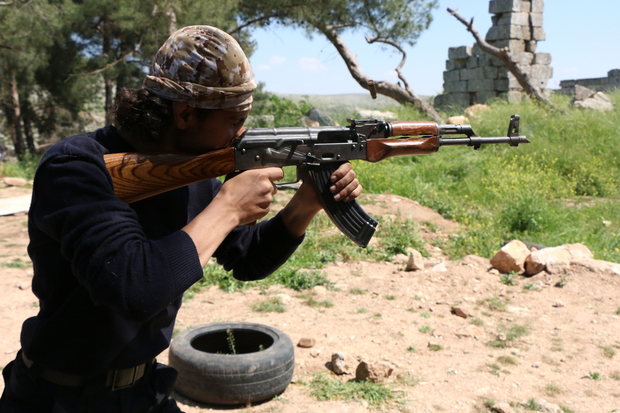
A rebel fighter from the Free Syrian Army’s “First Battalion” takes part in military training on May 4, 2015, in rebel-held northern Rif Aleppo. (AFP, Baraa al-Halabi)

The Syrian opposition is meeting in Saudi Arabia between December 8 and 10 in an attempt to create a unified structure that can credibly sit across the table from the Bashar al-Assad regime in the internationally-organised peace talks in Vienna, and make a binding commitment on the path forward for Syria. Continue reading

Islamic State: The Afterlife of Saddam Hussein’s Regime

By Kyle Orton (@KyleWOrton) on July 4, 2015

Published at Baghdad Invest

1

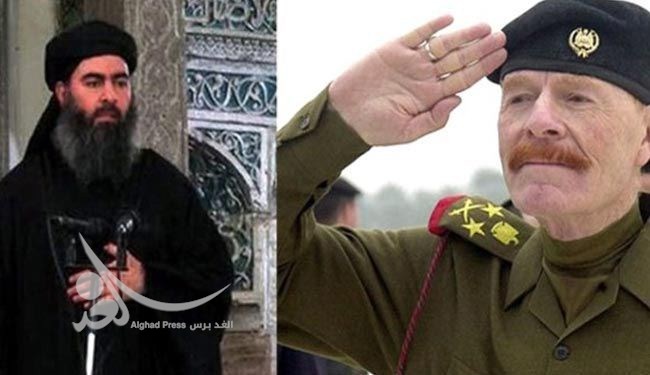
Izzat Ibrahim ad-Douri, Saddam Hussein’s long-time deputy, was reported dead (again) on April 17. An audio message on May 15 disproved this. Douri was the implementer of the Saddam regime’s Islamization program in its later years and a key architect of the insurgency after the regime was overthrown, which helped pave the way for the Islamic State (ISIS). ISIS has now turned on Douri and his associates, but ISIS could not have risen to its current stature without Douri’s help. Continue reading