Tag Archives: Kataib Hezbollah

Shi’a Holy War and Iran’s Jihadist Empire

By Kyle Orton (@KyleWOrton) on February 12, 2015
1

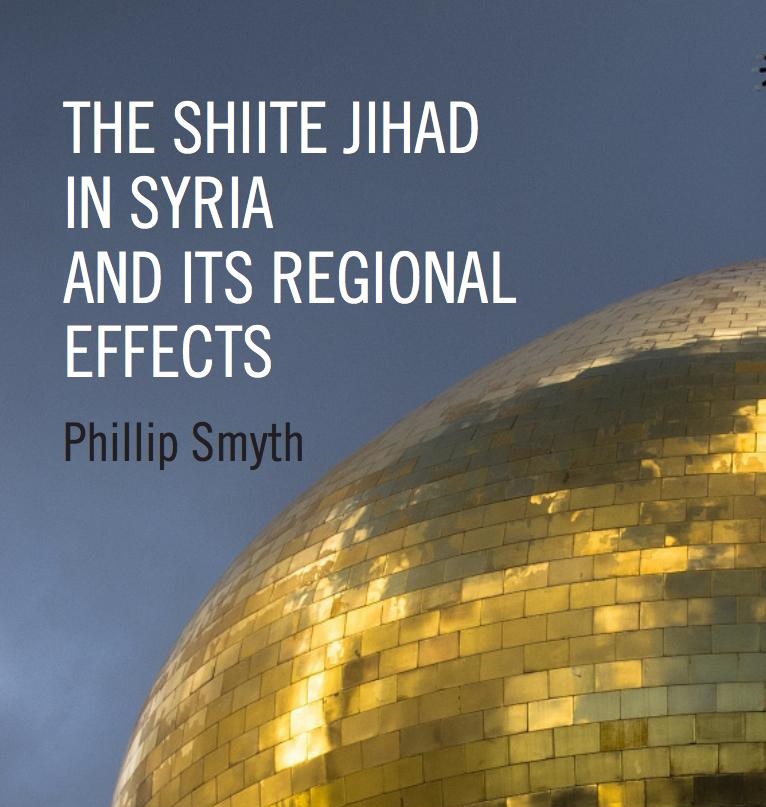
In watching the Syrian conflict, one of the most extraordinary tendencies of the reporting is the way “foreign fighter” and “jihadist” have become synonymous with the Sunni militants who have descended on that tormented country. This is one among many illusions that will hopefully be ended by Phillip Smyth’s monograph, “The Shiite Jihad in Syria and its Regional Effects“. You should read the whole thing but below are the salient points I took away. Continue reading

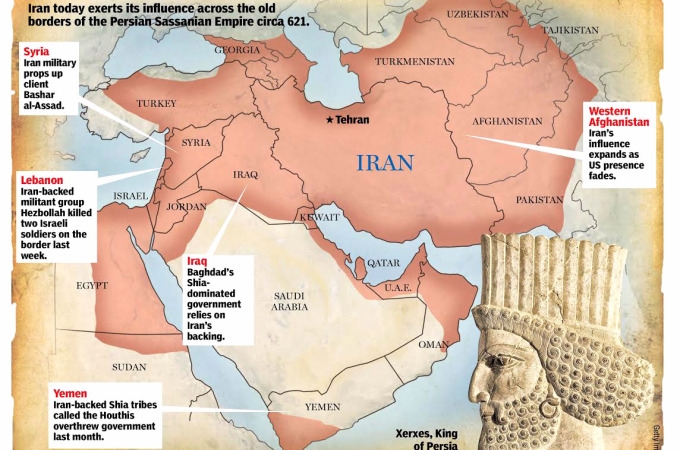
America’s Silent Partnership With Iran And The Contest For Middle Eastern Order: Part Four

By Kyle Orton (@KyleWOrton) on February 10, 2015

1

This is the fourth of a four-part series looking at the United States’ increasingly-evident de facto alliance with Iran in the region. The first part looked at the way this policy has developed since President Obama took office and how it has been applied in Iraq; the second part looked at the policy’s application in Syria; the third part looked at its application in Lebanon, Afghanistan, and Yemen; and this part is a conclusion. Continue reading

America’s Silent Partnership With Iran And The Contest For Middle Eastern Order: Part Three

By Kyle Orton (@KyleWOrton) on February 3, 2015

1

This is the third of a four-part series looking at the United States’ increasingly-evident de facto alliance with Iran in the region. This first part looked at the way this policy has developed since President Obama took office and how it has been applied in Iraq. The second part looked at the policy’s application in Syria; this part will look at its application in Lebanon, Afghanistan, and Yemen; and part four will be a conclusion. Continue reading

America’s Silent Partnership With Iran And The Contest For Middle Eastern Order: Part Two

By Kyle Orton (@KyleWOrton) on January 29, 2015

Assad meeting with the boss

Assad meeting with the boss

This is the second of a four-part series looking at the United States’ increasingly-evident de facto alliance with Iran in the region. This first part looked at the way this policy has developed since President Obama took office and how it has been applied in Iraq. This part will look at the policy’s application in Syria; part three will look at its application in Lebanon, Afghanistan, and Yemen; and part four will be a conclusion. Continue reading

America’s Silent Partnership With Iran And The Contest For Middle Eastern Order: Part One

By Kyle Orton (@KyleWOrton) on January 25, 2015

1

This is the first of a four-part series looking at the United States’ increasingly-evident de facto alliance with Iran in the region. This first part looks at the way this policy has developed since President Obama took office and how it has been applied in Iraq. Part two will look at the policy’s application in Syria; part three will look at its application in Lebanon, Afghanistan, and Yemen; and part four will be a conclusion. Continue reading

Iran Tries To Get American Support For Its Takeover Of Lebanon

By Kyle Orton (@KyleWOrton) on December 31, 2014

In early August, the Lebanese Armed Forces (LAF) arrested Abu Ahmad Jumaa, the leader of Liwa Fajr al-Islam (Islamic Dawn Brigade), which had been loyal to al-Qaeda’s Syrian branch, Jabhat an-Nusra but which had then-recently defected to the Islamic State (I.S.). In response, Nusra and I.S. fighters poured across the border into Arsal, Lebanon, where Jumaa was being held, and after five days of clashes the Salafi jihadists withdrew, taking with them thirty Lebanese security personnel. Five of the thirty are now dead: one from his injuries, the other four murdered—at least two of them beheaded. Continue reading

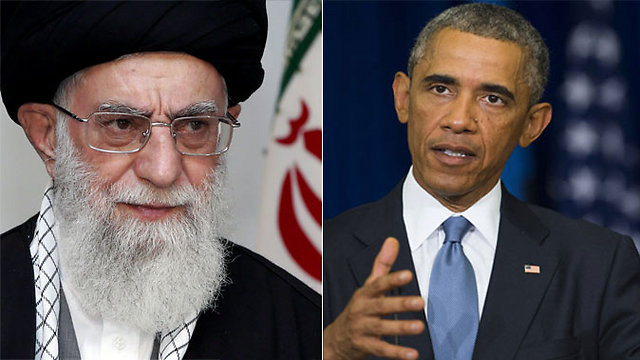
The Nuclear Negotiations Are Only Part Of Iran’s Regional Ambitions—And Obama’s

By Kyle Orton (@KyleWOrton) on October 27, 2014

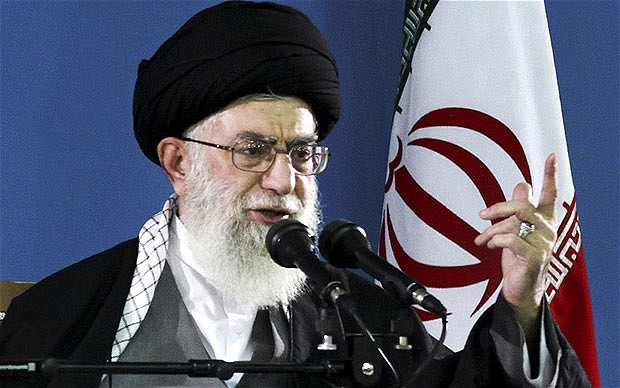
Ali Khamenei

Ali Khamenei

When the next—and supposedly final—round of negotiations over Iran’s nuclear program end next month, there are three possible outcomes:

  1. The “interim” deal, the Joint Plan of Action (JPA), will be rolled over for another six months after it was rolled over in July, and will, like so much else in the Middle East billed as temporary, begin to look permanent.
  2. A final deal is signed that is an Iranian victory in all-but name, putting them on the threshold of a nuclear weapon with only the regime’s goodwill stopping them crossing the finishing line to a bomb.
  3. Iran’s dictator, Ali Khamenei, refuses President Obama both of the above fig leaves and breaks off negotiations.

How did we get here? Continue reading