Tag Archives: Manaf Abd al-Rahim al-Rawi

Islamic State Officially Gives Up the Caliphate, Returns to Insurgency

By Kyle Orton (@KyleWOrton) on 15 November 2017
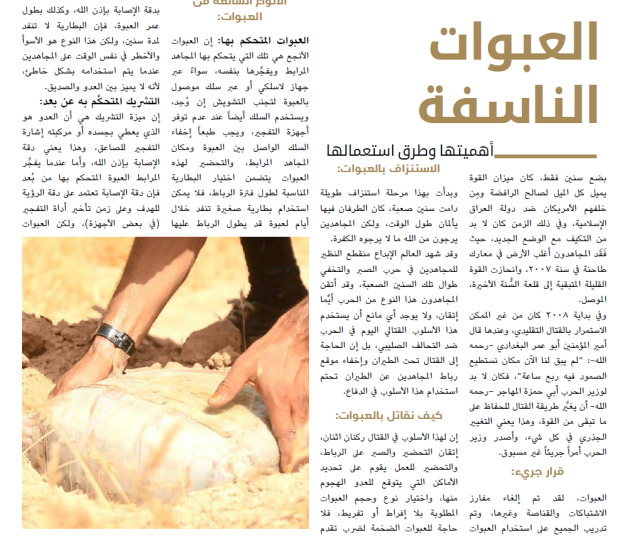
Al-Naba 101, page 8

In the 101st edition of the Islamic State’s weekly newsletter al-Naba (page 8-9), released on 12 October 2017, the organisation gave some fascinating details about how they responded to the “defeat” inflicted on them in 2007-08 by the American surge and the tribal Sahwa (Awakening) forces. The article describes how IS switched wholly to insurgent-terrorist tactics, dismantling its conventional fighting units and even its sniper teams in March 2008, and training in hit-and-run bombings. The leadership at that time, the emir Hamid al-Zawi (Abu Umar al-Baghdadi) and his deputy, the “first minister” and the “war minister” Abdul Munim al-Badawi (Abu Hamza al-Muhajir), encountered some initial scepticism, but the rank-and-file soon came on board when they saw its effectiveness. IS says that it is time to return to this form of warfare. In short, IS marked a switch in al-Naba 101 entirely from the statehood and governance phase of its revolutionary warfare, back into insurgency mode. The article is reproduced below. Continue reading

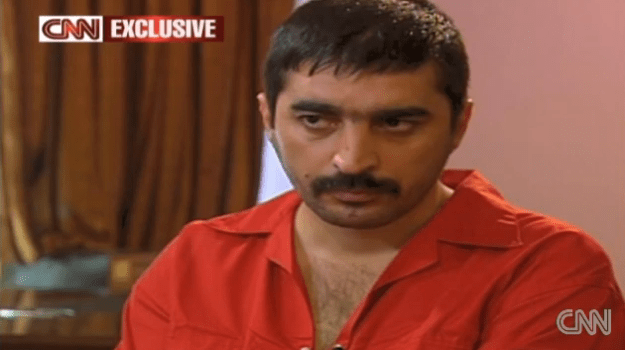
The Islamic State’s Profile of Manaf al-Rawi

By Kyle Orton (@KyleWOrton) on 1 October 2017

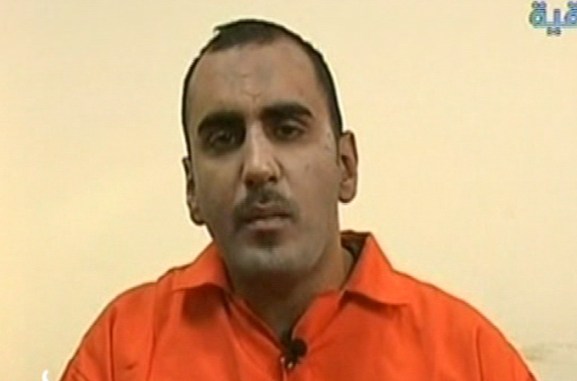
Manaf al-Rawi

The Islamic State and its supporters release short biographies of their slain leaders. One such profile was released by Manaf Abdul Rahim al-Rawi and is reproduced below. (A fuller profile of al-Rawi is available here.) Continue reading

A Turncoat Still Loved By the Islamic State: Manaf al-Rawi

By Kyle Orton (@KyleWOrton) on January 29, 2017

Manaf al-Rawi

Manaf al-Rawi

Manaf Abdul Rahim al-Rawi was the leader of operations in Baghdad for the Islamic State of Iraq (ISI), the predecessor to the Islamic State (IS), between 2008 and his arrest in 2010. Al-Rawi had been with IS from its earliest days and his arrest in 2004 only advanced him through the ranks as he networked in prison. Upon release and assumption of the post of wali (governor) of Baghdad, al-Rawi was responsible for some of the worst atrocities in 2009 and 2010 in that city. Al-Rawi was executed in prison in 2013. Continue reading

Profile of Hudayfa al-Batawi, Former Islamic State Emir of Baghdad

By Kyle Orton (@KyleWOrton) on January 29, 2017

hudayfa-al-batawi-1

Hudayfa al-Batawi was among the Iraqis who joined the Islamic State (IS) movement early after the fall of Saddam Husayn, having been a long-time Salafist extremist. Al-Batawi rose through the ranks and became the emir of Baghdad, involved in some of the worst attacks in that city in 2009 and 2010. Arrested in late 2010, al-Batawi was killed in a prison riot in 2011. Continue reading

Saddam Hussein Prepared the Ground for the Islamic State

By Kyle Orton (@KyleWOrton) on April 26, 2016

This essay, written to tie together my work on the relationship between the Saddam Hussein regime and the Islamic State, was completed last summer and submitted to an outlet, where it entered a form of development hell. After giving up on that option late last year, the opportunity arose to get a shorter version published in The New York Times in December. But I procrastinated too long over what to do with the full essay and a recent change in my work situation means I no longer have the bandwidth to go through the process of finding it a new home, so here it is.

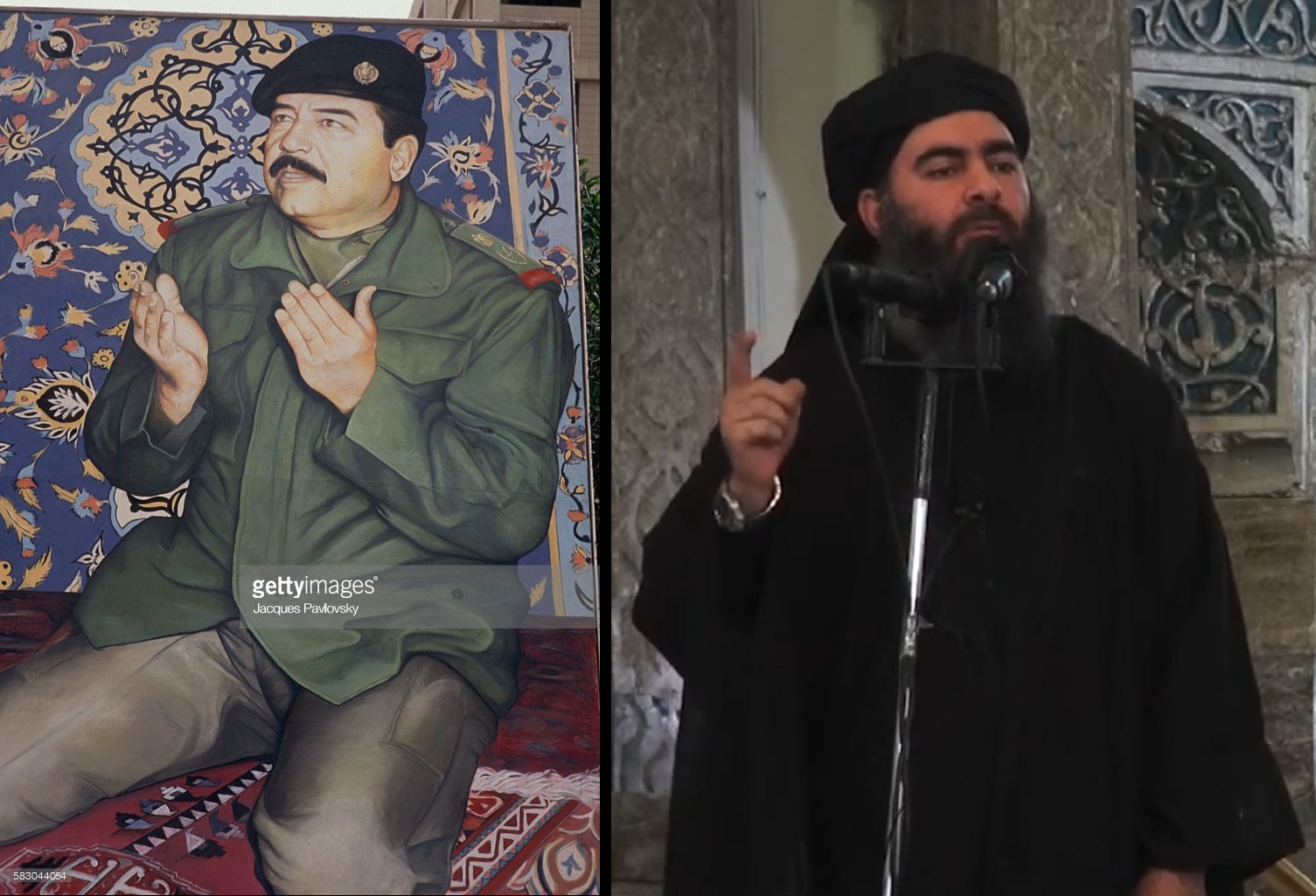
“Abu-Bakr al Baghdadi is a product of the last decade of Saddam’s reign,” argues Amatzia Baram, a scholar of Iraq. He is correct in at least three ways. First, in its last decade in power, the Iraqi Ba’ath regime transformed into an Islamist government, cultivating a more religious, sectarian population on which the Islamic State (ISIS) could draw. Part of Saddam Hussein’s “Faith Campaign” also involved outreach to Islamist terrorists, including al-Qaeda, which meant that the synthesis of Ba’athism and Salafism that fused into the Iraqi insurgency after the fall of Saddam was already well advanced by the time the Anglo-American forces arrived in Baghdad in 2003. Second, the ISIS leadership and military planning and logistics is substantially reliant on the intellectual capital grown in the military and intelligence services of the Saddam regime. And finally, the smuggling networks on which ISIS relies, among the tribes and across the borders of Iraq’s neighbours, for the movement of men and materiel, are directly inherited from the networks erected by the Saddam regime in its closing decade to evade the sanctions. The advantages of being the successor to the Saddam regime make ISIS a more formidable challenge than previous Salafi-jihadist groups, and one that is likely to be with us for some time.

Continue reading

A Response to Criticism: Why the Ex-Saddamists in the Islamic State Matter

By Kyle Orton (@KyleWOrton) on August 10, 2015

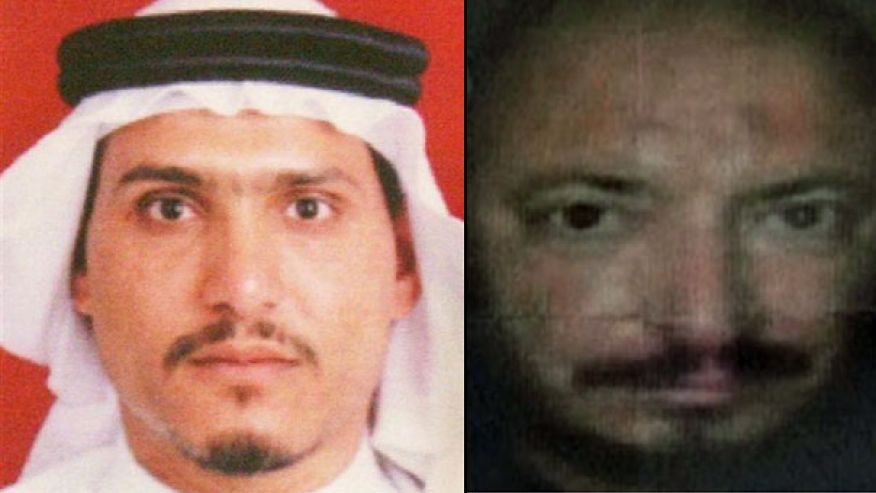
Abu Ayyub al-Masri and Abu Omar al-Baghdadi: ISIS's co-leaders, 2006-10

Abu Ayyub al-Masri and Abu Omar al-Baghdadi: ISIS’s co-leaders, 2006-10

In the Jerusalem Post on Sunday, Seth Frantzman wrote in opposition to the idea that the ex-military-intelligence officials of the Saddam Hussein regime had contributed significantly to the success of the Islamic State (ISIS) in taking over large swathes of Syria and Iraq. Much of what Frantzman says, about the overestimation of ISIS and Iran’s growing Imperium pushing Sunnis into ISIS’s camp, is unarguable, but he is in error about the time-frame of the ex-Saddamists’ migration into ISIS and underestimates their impact. Continue reading

Testimony of Abu Ahmad: An Islamic State Defector

By Kyle Orton (@KyleWOrton) on October 2, 2014

A purported defector from the Islamic State, known only as “Abu Ahmad,” released testimony online on 5 April 2014 via the Syrian opposition news site al-Durar al-Shamiya under the heading, “The Concealed Truths About al-Baghdadi’s State”. Abu Ahmad describes himself as “one of the mujahideen in Khorasan [Afghanistan-Pakistan] and Iraq, and now in al-Sham [Syria],” and it is quite clear that Abu Ahmad has defected to al-Qaeda. On 25 September 2014, an English version of this testimony was posted on the Fund for Fallen Allies website. It has been reposted below—with some editions to transliteration and syntax—to avoid it being lost. Continue reading