Tag Archives: PKK

Kuwaiti Islamic State Military Official Killed in Syria

By Kyle Orton (@KyleWOrton) on February 1, 2017

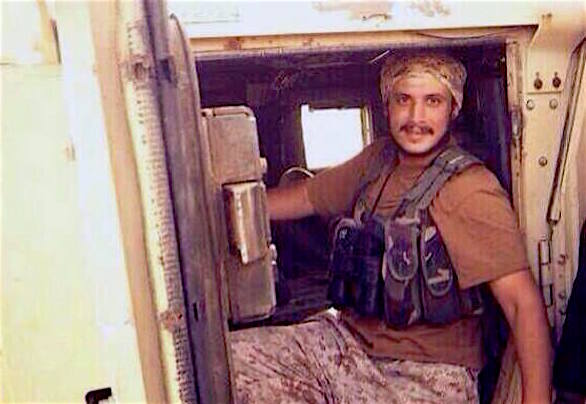
abdul-al-taresh-abu-jandal-al-kuwaiti-2

In September 2014, Kuwait undertook a series of raids against terrorists loyal to the Islamic State (IS). It was found by authorities that one of the “great influence[s]” over the jihadi-Salafists in Kuwait was Abdulmuhsin al-Taresh (Abu Jandal al-Kuwaiti). Al-Taresh was an important propagandist-recruiter for IS at this time, and would later become a senior military official. He was killed near IS’s Syrian capital, Raqqa, by the U.S.-led Coalition at the end of December. Continue reading

Al-Qaeda Says Attacking Syrian Rebel Groups Was Self-Defence Against A ‘Conspiracy’

By Kyle Orton (@KyleWOrton) on January 26, 2017

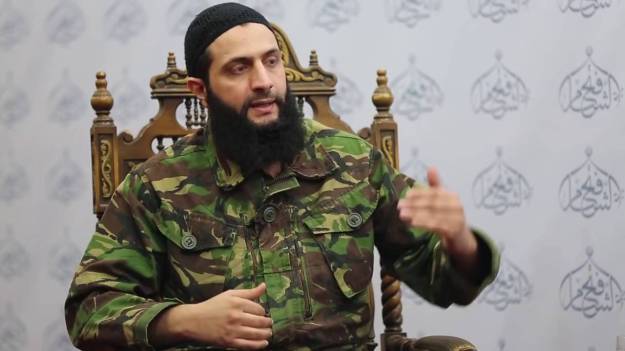
Ahmad al-Shara (Abu Muhammad al-Jolani)

Ahmad al-Shara (Abu Muhammad al-Jolani)

Violence erupted between Jabhat Fatah al-Sham, the rebranded al-Qaeda branch in Syria, and Ahrar al-Sham, its long-time ally and its bridge into the Syrian rebellion, beginning on 19 January. These clashes expanded to encompass the mainstream armed opposition on 23 January. Today, al-Maqalaat, a pro-JFS outlet, published a long statement explaining the fighting from JFS’s point-of-view. The salient points of the argument and other interesting elements are highlighted in bold. Continue reading

What to Expect in Syria in 2017

By Kyle Orton (@KyleWOrton) on January 25, 2017

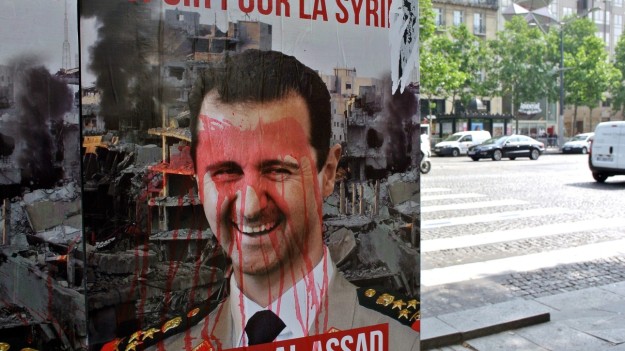
Syria has broken down as a functioning entity. There were some who saw in the takeover of Aleppo City last month by the coalition of states and militias that supports Bashar al-Assad’s regime the beginning of the end of the war. The pro-Assad coalition will make further territorial gains in 2017, but peace—even the peace of the graveyard—is still a long way off, and unlikely to ever arrive while Assad remains in power. The West, unwilling and apparently unable to remove him, nonetheless has vital interests in Syria that cannot be outsourced and must be secured by navigating a fragmented state. Continue reading

Islamic State Likely To Increase Terrorism Against Turkey

By Kyle Orton (@KyleWOrton) on January 7, 2017

Abdulkadir Masharipov (source)

It was an hour into 2017 that the Islamic State (IS) carried out its first act of mass-murder: an IS jihadist attacked the Reina nightclub in Istanbul, massacring thirty-nine people. IS has been attacking Turkey with increasing frequency over the last two years and, since Turkey intervened directly in Syria in August, IS’s media output has elevated the Turks into a priority target for terrorism. The public claim of responsibility by IS for the Reina attack suggests that we are moving into a new era in terms of how IS treats Turkey. Turkey’s increasingly warm relations with Russia have angered many Muslims around the world, providing jihadists an incentive and opportunity, and providing al-Qaeda political space it seemed to have lost to co-opt the Syrian rebellion. It is therefore likely that more bloodshed is to come for Turkey. Continue reading

The Assad Regime Admits to Manipulating the Islamic State

By Kyle Orton (@KyleWOrton) on January 6, 2017

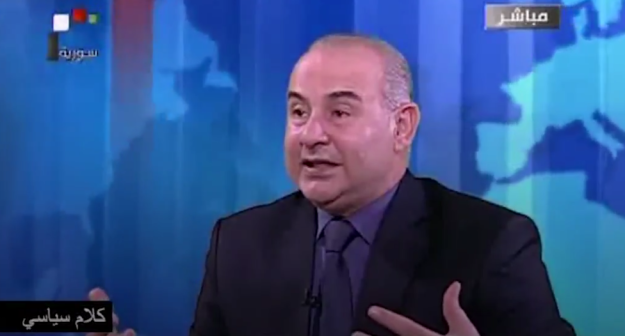
Khaled Abboud

From the beginning of the uprising in Syria in 2011, there have been accusations that Bashar al-Assad’s regime was in a de facto partnership with the Islamic State (IS) against the mainstream opposition. These accusations have a considerable basis in fact: during the entirety of the Anglo-American occupation of Iraq, Assad collaborated with IS jihadists in the destabilization of Iraq, killing thousands of Iraqi civilians and hundreds of American and British troops. Once the Syrian uprising was underway, the regime undertook various measures to bolster extremists in the insurgency. Assad and IS worked in tandem to leave Syria as a binary choice between themselves: Assad was sure this would rehabilitate him in the eyes of the world and transform his criminal regime into a partner of the international community in suppressing a terrorist insurgency, and IS wanted to rally Sunnis to its banner. The Secretary of the Syrian Parliament has now come forward to underline this. Continue reading

The “Syrian Kurds” Helped Assad Take Aleppo City

By Kyle Orton (@KyleWOrton) on November 30, 2016

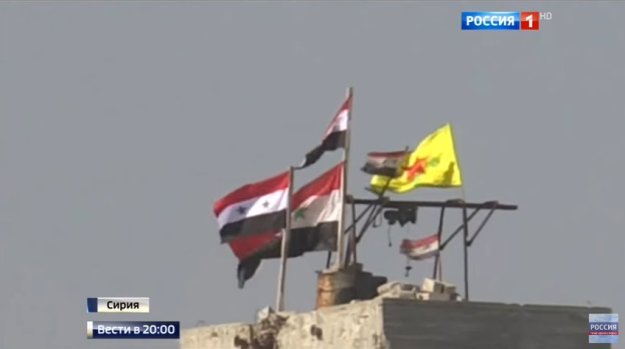
YPG flags flying with the Assad regime’s over Bustan al-Basha, Aleppo city, 28 November 2016

The Syrian Observatory for Human Rights (SOHR) reported on 28 November 2016 about the assistance provided by the Kurdistan Workers’ Party (PKK)—which operates in Syria under the banners of the People’s Protection Units (YPG) and Syrian Democratic Forces (SDF)—to the forces fighting in the name of Bashar al-Assad’s regime, led by Iran on the ground and supported by Russian airstrikes, to crush the Syrian rebellion in Aleppo city: Continue reading

Trump Might Continue Obama’s Dangerous Syria Policy

Originally published at The Henry Jackson Society

By Kyle Orton (@KyleWOrton) on November 24, 2016

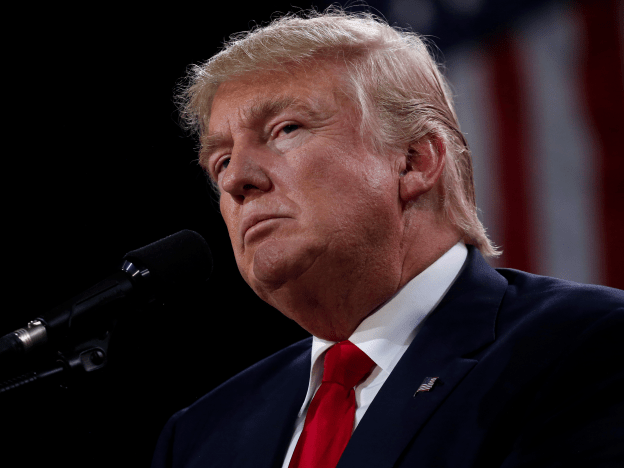
There is not yet any clarity with regard what Donald Trump would do about Syria once he becomes President. Virtually everything about the incoming administration is in the “wait and see” phase. Still, on the current evidence, Trump’s Syria policy would appear to be a continuation of President Barack Obama’s policy of prioritizing the threat of the Islamic State (IS) and other non-state Sunni jihadist groups, while effectively aligning with the pro-regime coalition, made up of Russian air power and a ground force led by the Islamic Republic of Iran, stitched together out of the battered remnants of Bashar al-Assad’s army and his sectarian militias, Iranian paramilitary and regular forces, and foreign Shi’a jihadist groups under Iran’s control. The only potential difference is that Trump may formally repudiate the anti-Assad forces. The effect of this would be to destroy the mainstream Syrian opposition and empower al-Qaeda, but it would not bring stability to Syria. There are hints, however, that Trump is recruiting senior officials who will alter this policy. Continue reading

Turkey Continues to Protest the Coalition’s Syrian Kurdish Allies

By Kyle Orton (@KyleWOrton) on November 22, 2016

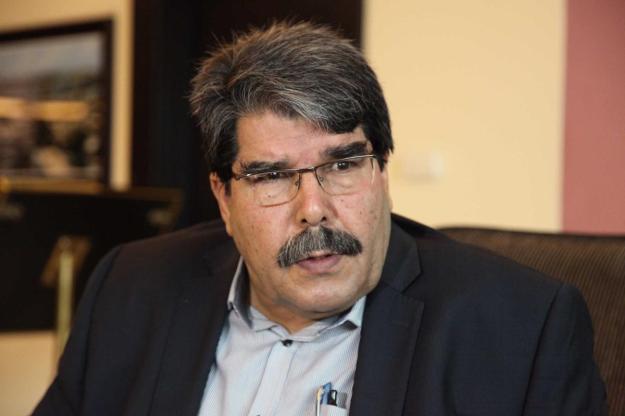
Saleh Muslim Muhammad

This morning, Turkey issued arrest warrants for forty-eight members of the Kurdistan Workers’ Party (PKK), which has fought a forty-year war against the Turkish state. The PKK is listed as terrorist by Ankara, Britain, the European Union, NATO, and the United States. Among those being sought is Saleh Muslim Muhammad, the leader of the Syrian branch of the PKK, known as the Democratic Union Party (PYD), whose armed wing—the People’s Protection Units (YPG)—happens to be the favoured Western instrument in combatting the Islamic State (IS) in Syria. The West has long denied or obfuscated the fact it is working with an organization that a NATO partner considers its nemesis and a long-standing threat to its national security. The Turks, it seems, are not content to let this ambiguity stand, and there are good reasons of Western self-interest why the alliance with the PKK deserves another look. Continue reading

Coalition Allies Play Into Islamic State’s Hands

By Kyle Orton (@KyleWOrton) on November 14, 2016

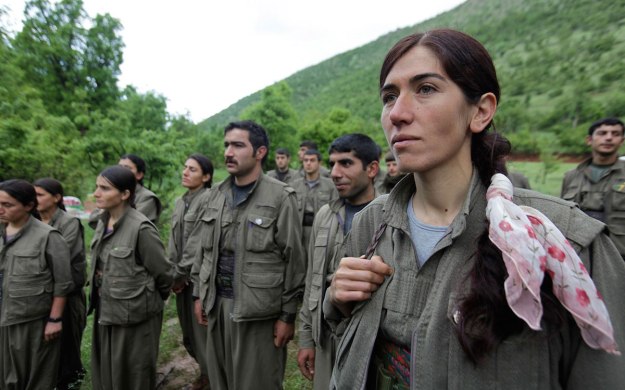
Kurdistan Workers’ Party (PKK) fighters in Dohuk in northern Iraq, 14 May 2013, Azad Lashkari/Reuters

Last week, a member of the Kurdish militia that is the primary instrument the U.S.-led Coalition is using in Syria to defeat the Islamic State (IS) was killed. Examining his biography underlined that this militia is the Syrian wing of the Kurdistan Workers’ Party (PKK), a Marxist-separatist group that is registered as a terrorist organization by the United States, the European Union, and Turkey. The Western powers continue to obfuscate, if not outright deny, this fact, but Coalition support for the PKK—questionable morally and legally in and of itself—is producing negative results on the ground that help IS over the long-term. Continue reading

America Escalates the War Against Al-Qaeda in Syria

By Kyle Orton (@KyleWOrton) on November 11, 2016

On the right: Abdullah al-Muhaysini (source)

The United States and therefore the international Coalition is about to step up its operations against Jabhat Fatah al-Sham (JFS), al-Qaeda’s recently rebranded Syrian branch. This is a necessary policy, but pursued in isolation—without replacing the capacities that JFS provides to the insurgency—this action will strengthen the coalition supporting the regime of Bashar al-Assad, the actors chiefly responsible for the humanitarian abomination in Syria that has deliberately given rise to the security menace of the Islamic State (IS) and the flow of refugees into Europe that has destabilized Western security. Assad’s coalition also includes the Islamic Republic of Iran, a more significant global terrorism threat than IS which has repeatedly attacked the West. Continue reading