By Kyle Orton (@KyleWOrton) on 22 February 2022

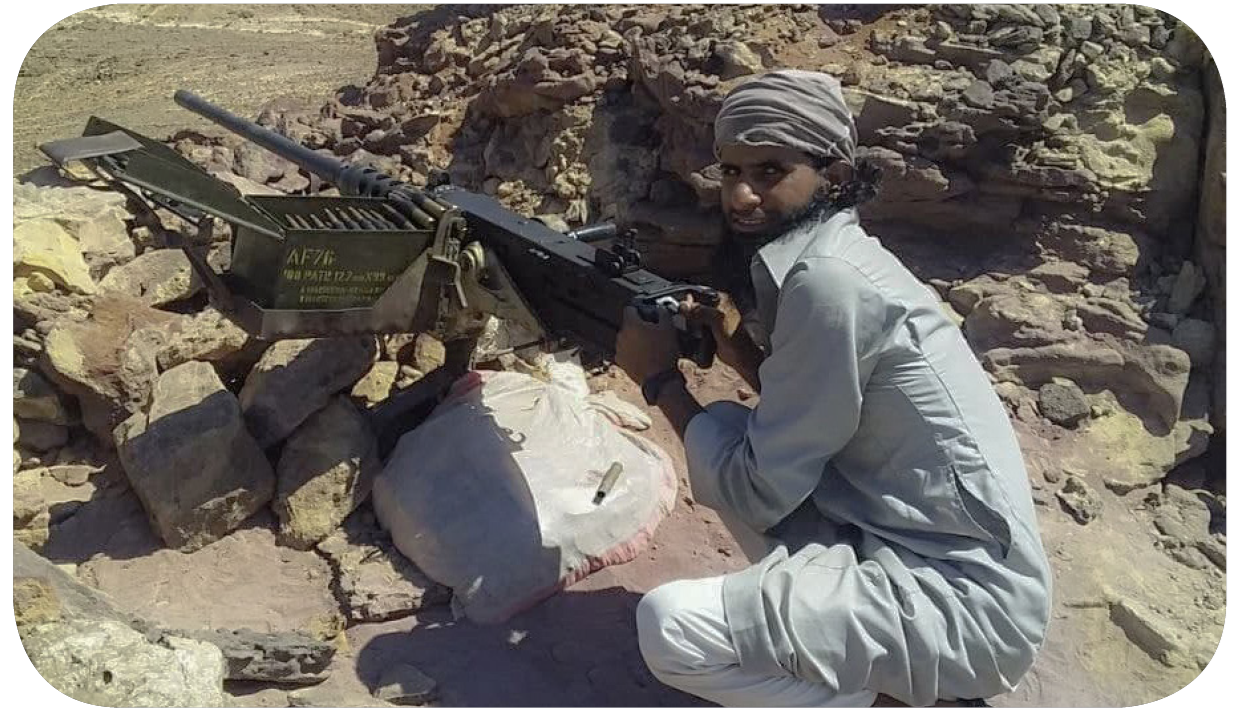
Al-Naba 328, p. 3
By Kyle Orton (@KyleWOrton) on 3 February 2022
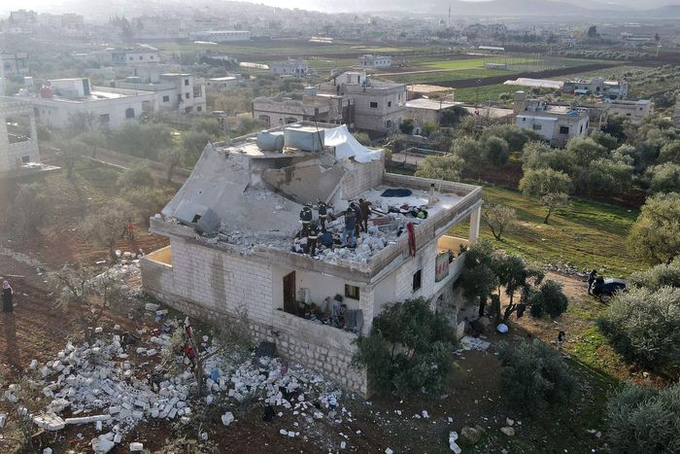
The compound where Islamic State leader Amir Muhammad al-Mawla killed himself, 3 February 2021 || Image taken from social media
By Kyle Orton (@KyleWOrton) on 22 January 2022

Islamic State car bombing against Al-Sinaa prison in Syria, 20 January 2022 [image source]
By Kyle Orton (@KyleWOrton) on 7 September 2021

Anti-Taliban fighters watch U.S. airstrikes at Tora Bora, 16 December 2001 || REUTERS/Erik de Castro
The State Department spokesman Ned Price said, on 27 August, “The Taliban and the Haqqani Network are separate entities”. The next day, the Pentagon Press Secretary John Kirby slightly modulated this, having first tried to dismiss the question, by conceding there was “a certain amount of … commingling … there’s a marbling … of Taliban and Haqqani”, before saying he was “pushing back … [on] the relevance of that discussion”.
What these officials were trying to do was two-fold: (1) to refute press reports that U.S. officials in Kabul had shared “a list of names of American citizens, green card holders, and Afghan allies” with the Taliban, amounting to having “put all those Afghans on a kill list”, as one “defense official” put it; and (2) to deny that the U.S. coordination with the Taliban to evacuate people the jihadists wanted to kill—a surreal enough situation—had involved the additional political and legal problems of coordinating with a formally registered Foreign Terrorist Organization (FTO), as the Haqqani Network is. Continue reading
By Kyle Orton (@KyleWOrton) on 26 August 2021
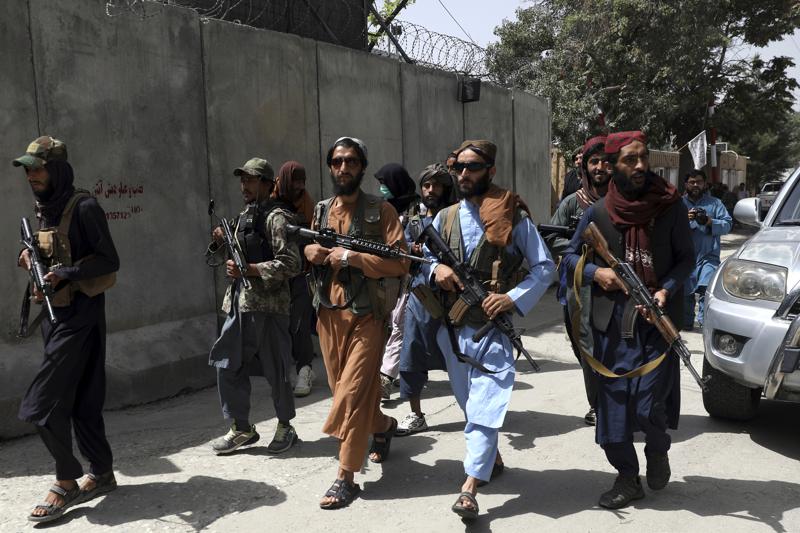
Taliban patrol in Wazir Akbar Khan, Kabul, 18 August 2021 [image source]
By Kyle Orton (@KyleWOrton) on 25 June 2021

Writing recently about the first meeting between Adolf Hitler and Francisco Franco at Hendaye on 23 October 1940, where the Führer tried to enlist Spain into the Axis, I concluded, drawing on Franco: The Man and His Nation by George Hills, a former BBC journalist and Fellow of the Royal Historical Society:
By Kyle Orton (@KyleWOrton) on 12 March 2021

A nearly-22-minute video was released by As-Sahab, the media wing of Al-Qaeda, on 12 March 2021, entitled, “The Wound of the Rohingya is the Wound of the Umma” or “The Wound of the Rohingya is the Wound of the Islamic Nation”. More than anything actually said or presented, the video itself was the story since it comes after credible reports in November 2020 that Al-Qaeda’s emir, Ayman al-Zawahiri, had died a month earlier. The only question was whether the video would provide proof-of-life for Al-Zawahiri, and it pointedly did not. Continue reading
By Kyle Orton (@KyleWOrton) on 21 February 2021
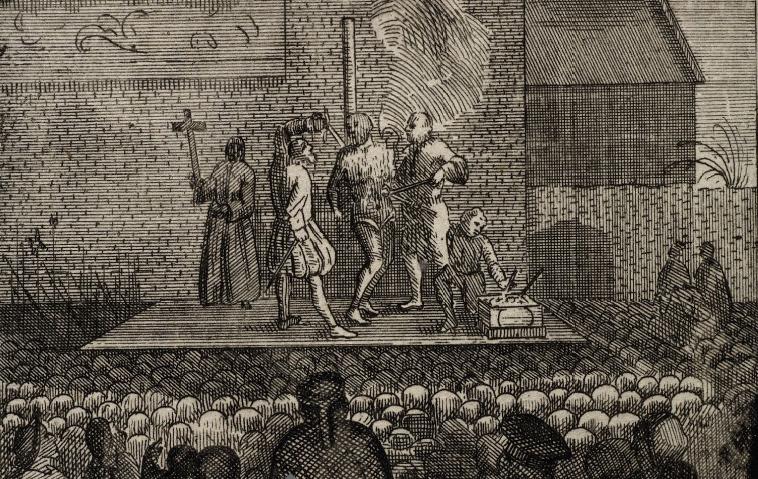
Execution of Jan Beuckelszoon // Illustration in a book by Lambertus Hortensius
In 1534, shortly after the onset of the Protestant Reformation, a radical sect from this new movement, the Anabaptists, seized the city of Munster in Germany and governed it for sixteen months as a millenarian cult in a manner so alarming it managed to bring together Catholic and Lutheran forces to put it down. The experience had a profound influence not only on the development of Anabaptism thereafter, but on the manner in which the Reformation more generally unfolded. Continue reading
By Kyle Orton (@KyleWOrton) on 12 June 2020

Ismail Nazlikul (Kasim Engin) [image source]