By Kyle Orton (@KyleWOrton) on 5 September 2022
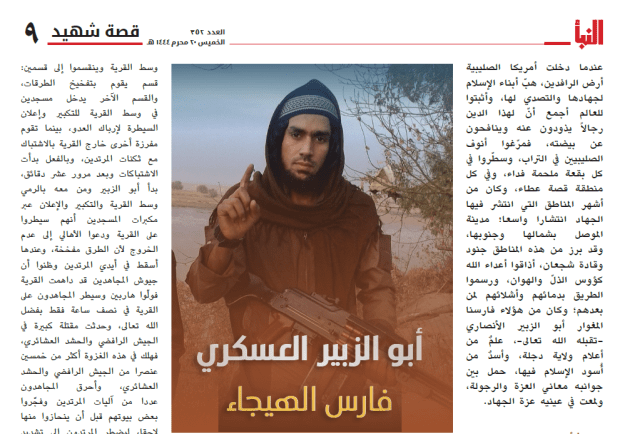
Abu al-Zubayr al-Askari || Al-Naba 352, p. 9
By Kyle Orton (@KyleWOrton) on 5 September 2022
Abu al-Zubayr al-Askari || Al-Naba 352, p. 9
By Kyle Orton (@KyleWOrton) on 30 July 2022
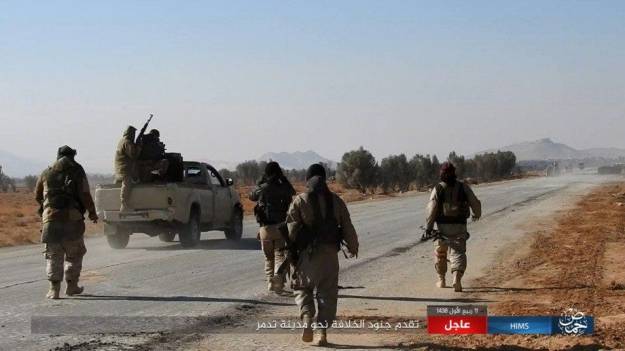
Islamic State in Palmyra, December 2016
By Kyle Orton (@KyleWOrton) on 18 June 2022
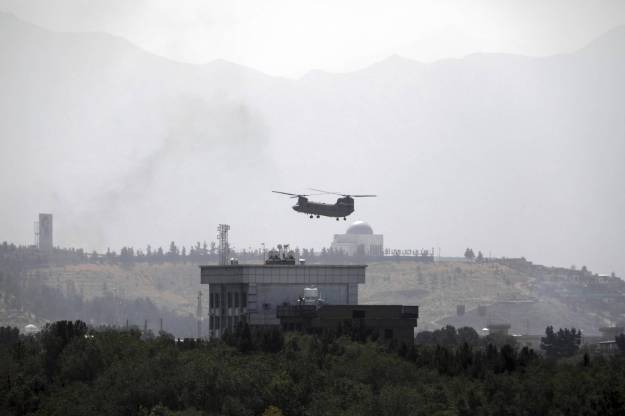
A U.S. helicopter above the American Embassy in Kabul, 15 August 2021 | AP
By Kyle Orton (@KyleWOrton) on 15 March 2022
By Kyle Orton (@KyleWOrton) on 22 November 2021
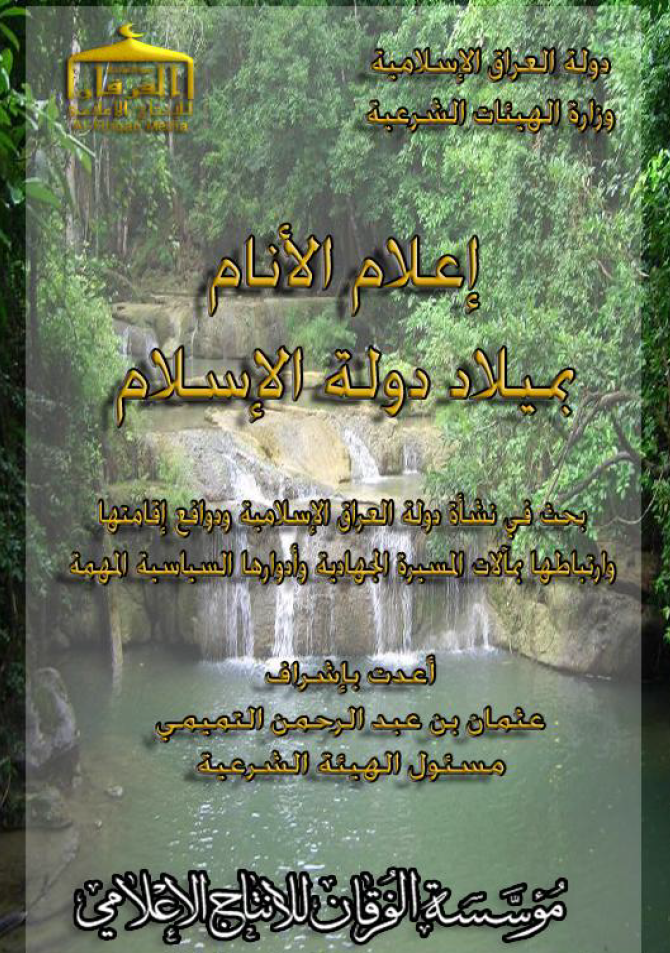
The Islamic State movement published an 87-page book, “Informing Mankind of the Birth of the Islamic State” or “Informing the People of the Birth of the Islamic State” (I’lam al-Anam bi-Milad Dawlat al-Islam), on 7 January 2007. The document was released by Al-Furqan Media Foundation, the central Islamic State propaganda institution, and first appeared on the World News Network website. A rough translation of the book appears below.
By Kyle Orton (@KyleWOrton) on 3 April 2021
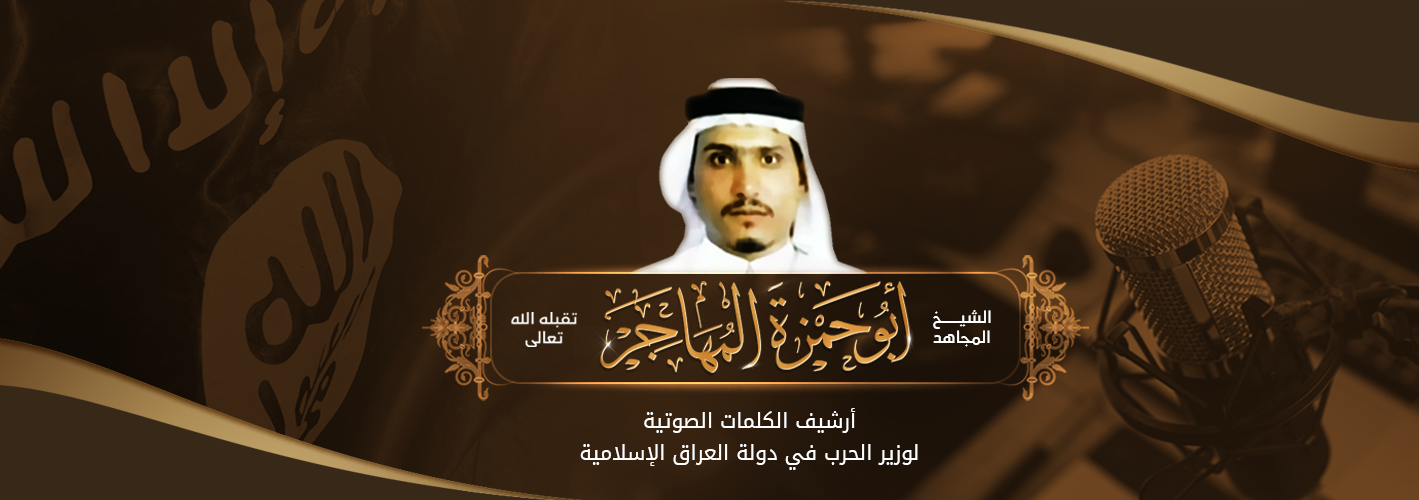
The Islamic State of Iraq (ISI) released a forty-five-minute media product, “The First Audio Interview with Shaykh Abu Hamza al-Muhajir”, on 24 October 2008. A translated transcript of the interview is reproduced below, with some interesting and important sections highlighted in bold.
By Kyle Orton (@KyleWOrton) on 5 March 2021
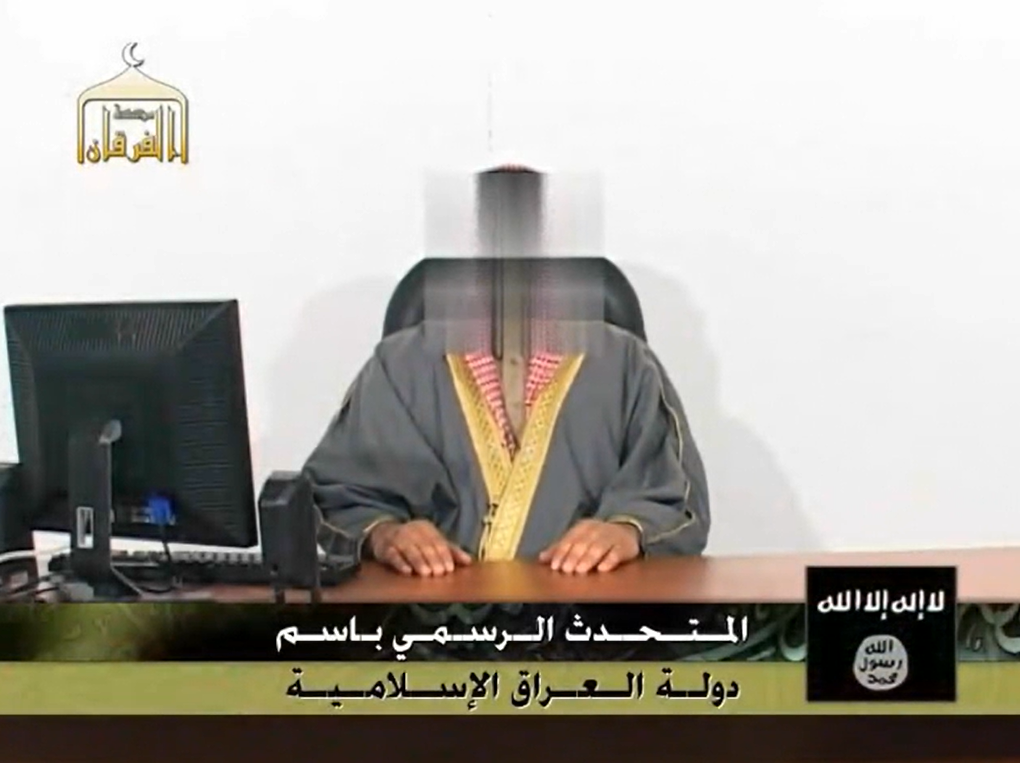
On 19 April 2007, seven months after the Islamic State (IS) movement declared its “State”, the official spokesman, Muharib al-Jaburi, announced the first “cabinet” for this “state”, appointing leaders for various “ministries”. Unusually for IS in this era, the speech was delivered as a video address—albeit (as can be seen) with Muharib’s face blurred out—rather than as an audio address. The reason for this was clearly to push back against the criticism of the IS movement that its leader could not be the “caliph” of all the Muslims, which at this stage IS was not overtly claiming, while being faceless and nameless, known only by his kunya.
By Kyle Orton (@KyleWOrton) on 2 March 2021
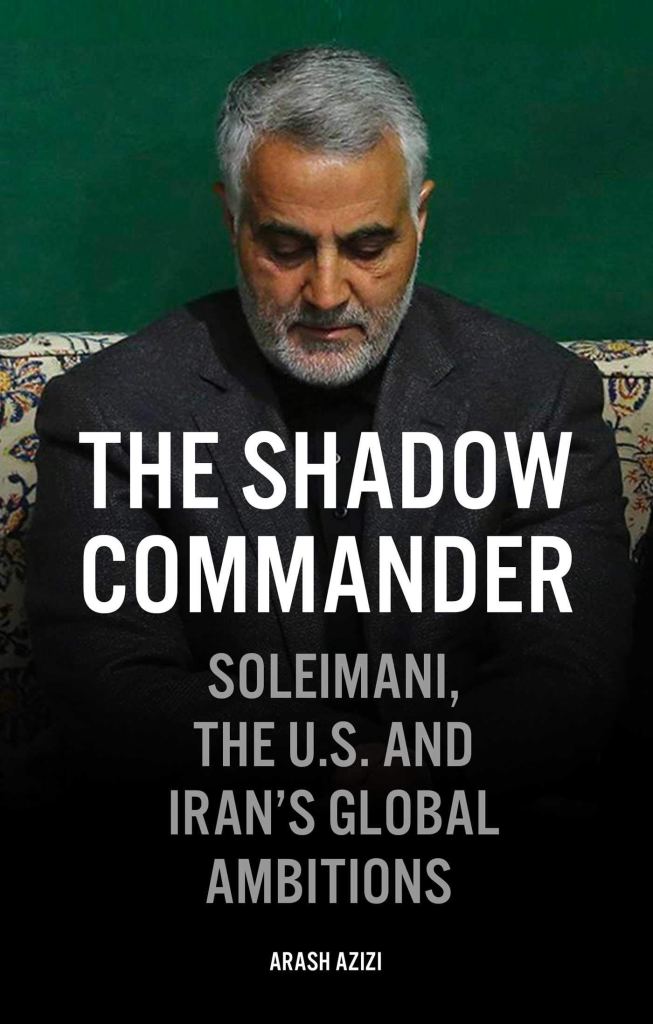
A year ago, U.S. President Donald Trump gave the order to kill Qassem Soleimani, the de facto deputy leader of Iran. Arash Azizi’s The Shadow Commander: Soleimani, the U.S., and Iran’s Global Ambitions is an effort to explain who Soleimani was, how he rose to controlling the lives of millions of people well outside the borders of Iran, and how in the end he was brought down. Continue reading
By Kyle Orton (@KyleWOrton) on October 4, 2020
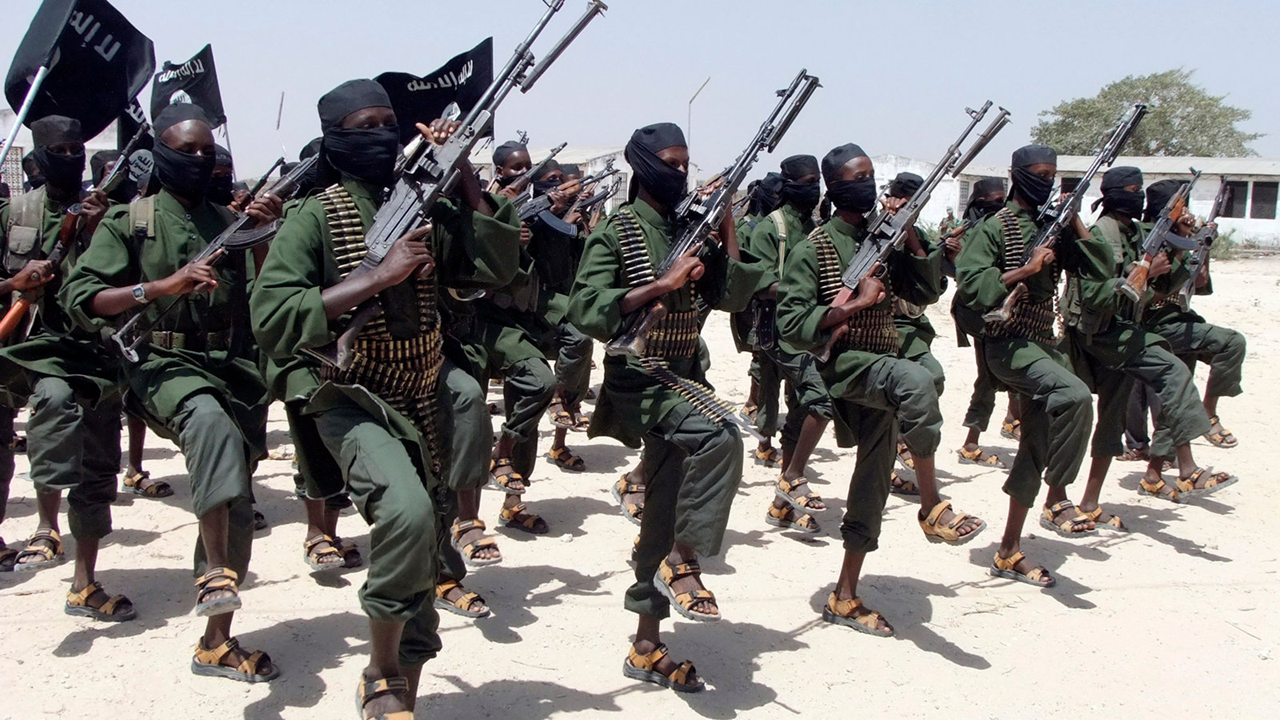
A chapter about Al-Qaeda I wrote for the American Foreign Policy Council’s (AFPC) ‘World Almanac of Islamism’ was published today. Do check it out, and the broader site, which is a great, accessible resource. The format of the website necessitated that the chapter as I submitted it was edited, condensed, and split up to fill out the various categories. In case it is of any interest, the original version of the chapter is reproduced below.

 Kyle Orton's Blog