By Kyle Orton (@KyleWOrton) on 3 May 2025
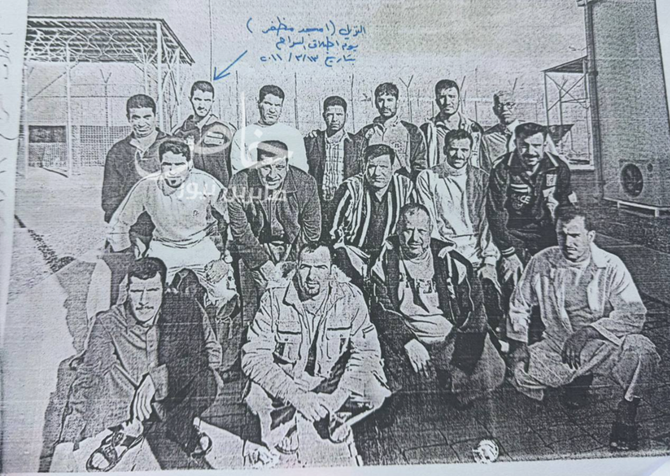
By Kyle Orton (@KyleWOrton) on 3 May 2025
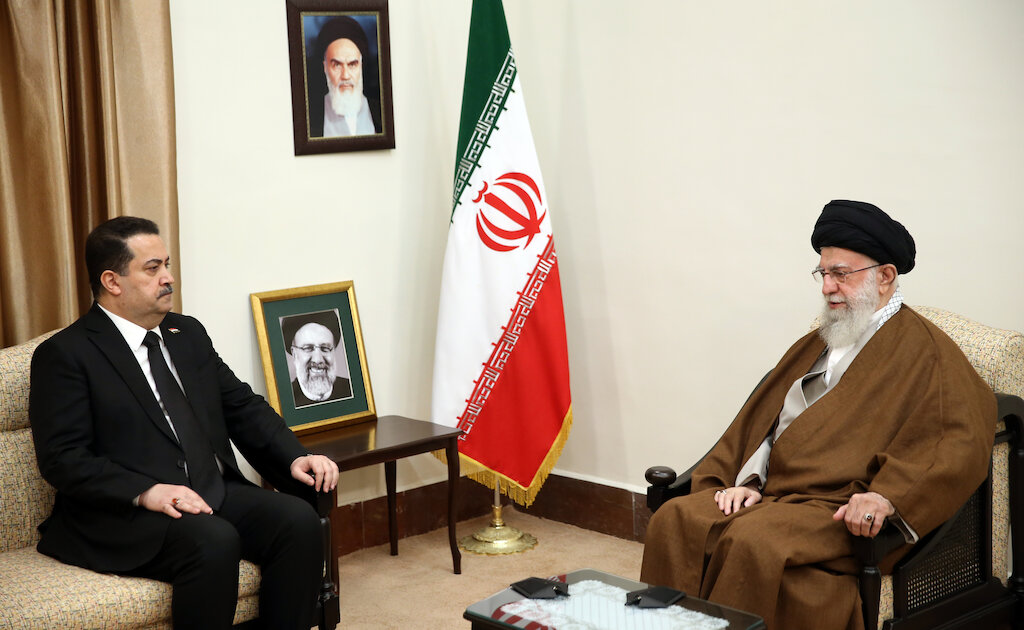
Muhammad al-Sudani has been Iraq’s Prime Minister since October 2022. He was installed at Iran’s behest after a year-long political logjam following the 2021 Iraqi elections. The political fronts for Iran’s terrorist-militias lost those elections, but Tehran picked the Prime Minister anyway.
By Kyle Orton (@KyleWOrton) on 6 October 2024
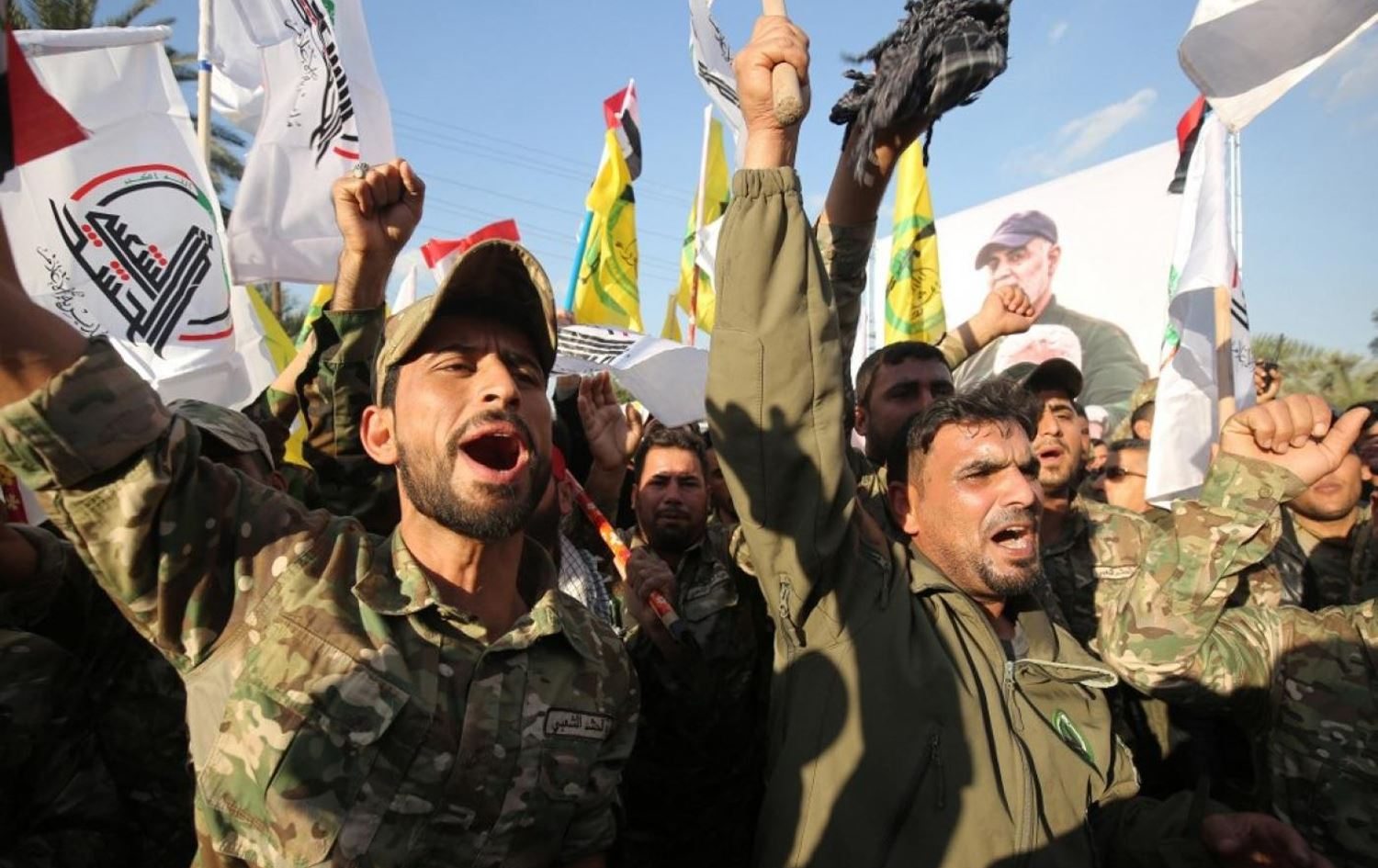
A debate has been ongoing since the emergence of al-Hashd al-Shabi in Iraq in 2014 about the extent of Iran’s control over the militia conglomerate. In truth, there was never really much doubt.
By Kyle Orton (@KyleWOrton) on 17 March 2021
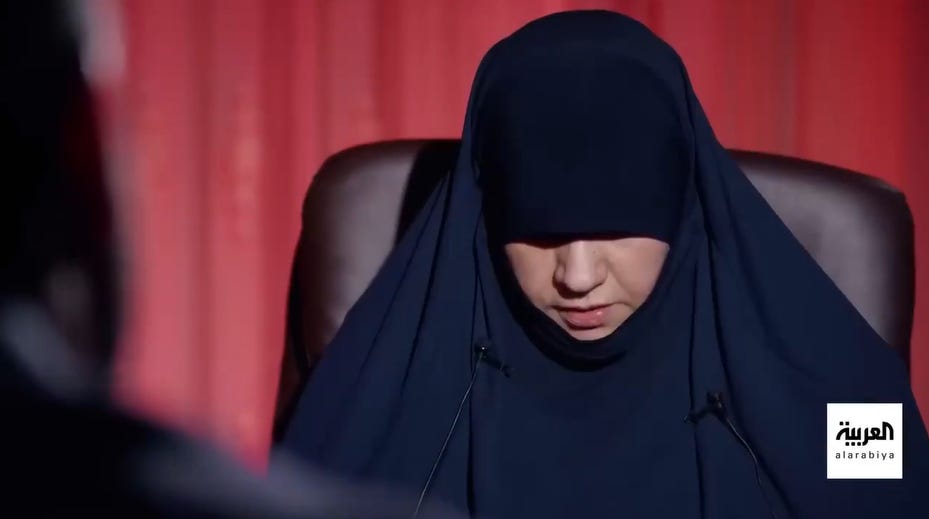
Abu Umar al-Baghdadi, the implied caliph of the Islamic State movement between 2006 and 2010, gave his sixteenth speech on 17 March 2009. The title of the speech was, “Harvest of the Good (The Gathering Will Be Defeated, and They Will Turn Their Backs and Flee)”.[1]
By Kyle Orton (@KyleWOrton) on 7 January 2020
This article was originally published at European Eye on Radicalization
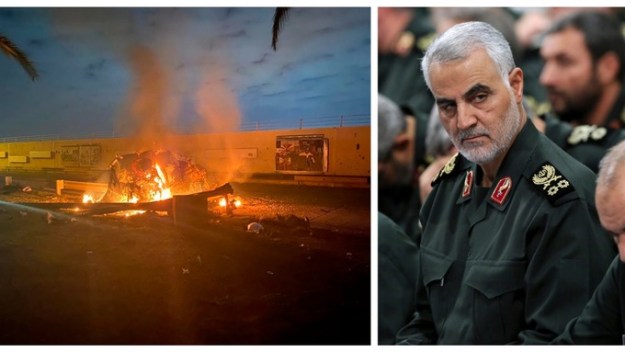
At 1 AM on 3 January, an American drone strike killed the head of Iran’s Quds Force, the division of the Islamic Revolutionary Guards Corps (IRGC) charged with exporting the Islamic revolution, and his Iraqi deputy, Jamal al-Ibrahimi (Abu Mahdi al-Muhandis). Sulaymani was the strategic driver of Iran’s expansionist policy in the Middle East, as well as the orchestrator of its terrorism and assassinations further afield. Unlike with the killing of Al-Qaeda’s Usama bin Laden in 2011 or the Islamic State’s Ibrahim al-Badri (Abu Bakr al-Baghdadi) in October, where the dynamics shifted little, Sulaymani’s death opens up questions about the direction in which the Middle East will now move. Continue reading


 Kyle Orton's Blog