Tag Archives: Sunni

A Note on the Mu’tazilites and the Office of the Caliph

By Kyle Orton (@KyleWOrton) on 4 June 2025

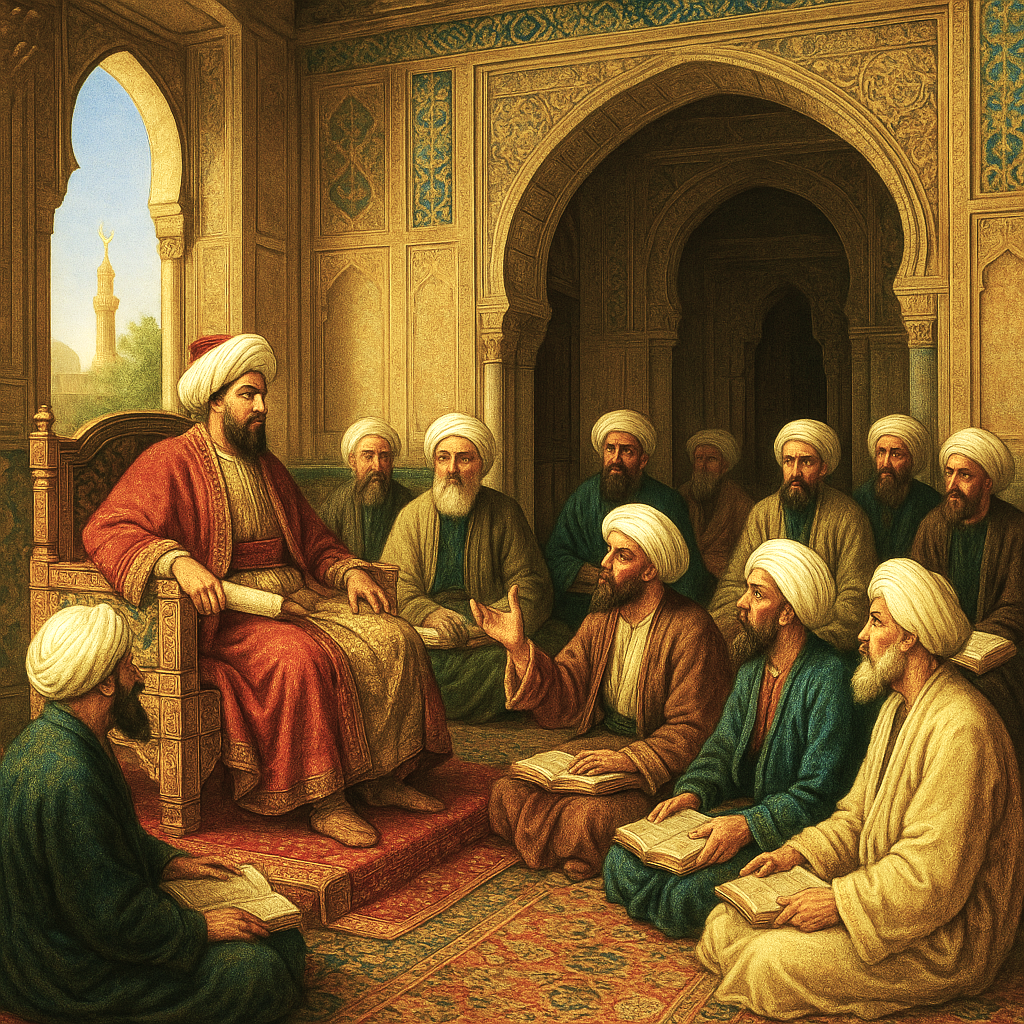
Muslim belief is that the Qur’an is “uncreated” (ghayr makhluq). While the Qur’an was revealed to Muhammad over twenty-three years (610-32 AD), the “speech of God” (kalam Allah) in these revelations had existed co-eternally with God. This was once a point of serious dispute in Islamic theology, and the outcome of that debate was an important waymarker in the development of Islam.

Continue reading

The First Speech of Abu Hamza al-Muhajir as Al-Qaeda in Iraq Emir

By Kyle Orton (@KyleWOrton) on 5 April 2021

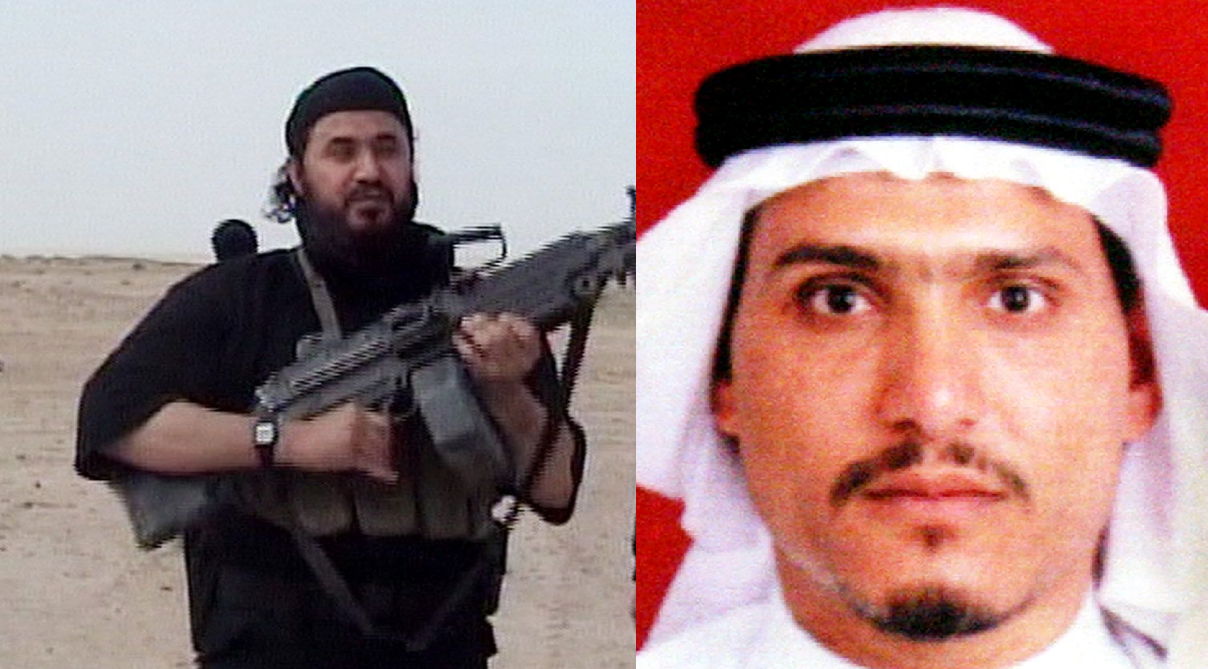
Ahmad al-Khalayleh (Abu Musab al-Zarqawi), the infamous founder of the Islamic State movement, known at the time as Al-Qaeda in Iraq (AQI) and formerly part of the Mujahideen Shura Council (MSC), was killed on 7 June 2006. Zarqawi’s successor was officially announced five days later, in a written statement released on 12 June, as Abu Hamza al-Muhajir, an Egyptian with a long history in and around Al-Qaeda. The next day, 13 June 2006, Abu Hamza gave his first speech as AQI emir, entitled, “The Gathering Will Be Defeated and They Will Turn Their Backs [in Retreat]”, drawn from an ayat of the Qur’an (54:45). The statement and the speech are translated below.

Continue reading

The Islamic State Announces the “Axe of al-Khalil Campaign” to Destroy the “Idol” of Democracy

By Kyle Orton (@KyleWOrton) on 19 March 2021

Hamid al-Zawi, the leader of the Islamic State movement from 2006 to 2010, known only as Abu Umar al-Baghdadi during his lifetime, gave a speech on 19 March 2010 entitled, “The Soldiers’ Sermon for the Axe of al-Khalil Campaign” (Khutba al-Jund bi-Hamlat Fa’s al-Khalil). It was Al-Zawi’s twenty-second and, as it turned out, penultimate speech. Al-Zawi was killed almost exactly a month later, on 18 April 2010, alongside his deputy and “war minister”, Abd al-Munim al-Badawi (Abu Hamza al-Muhajir). A translation of the speech is published below.

Continue reading

The Islamic State’s Acknowledgement of the Deaths of Abu Umar al-Baghdadi and Abu Hamza al-Muhajir

By Kyle Orton (@KyleWOrton) on 18 March 2021

Continue reading

Islam’s First Terrorists, Part 1

By Kyle Orton (@KyleWOrton) on August 17, 20151
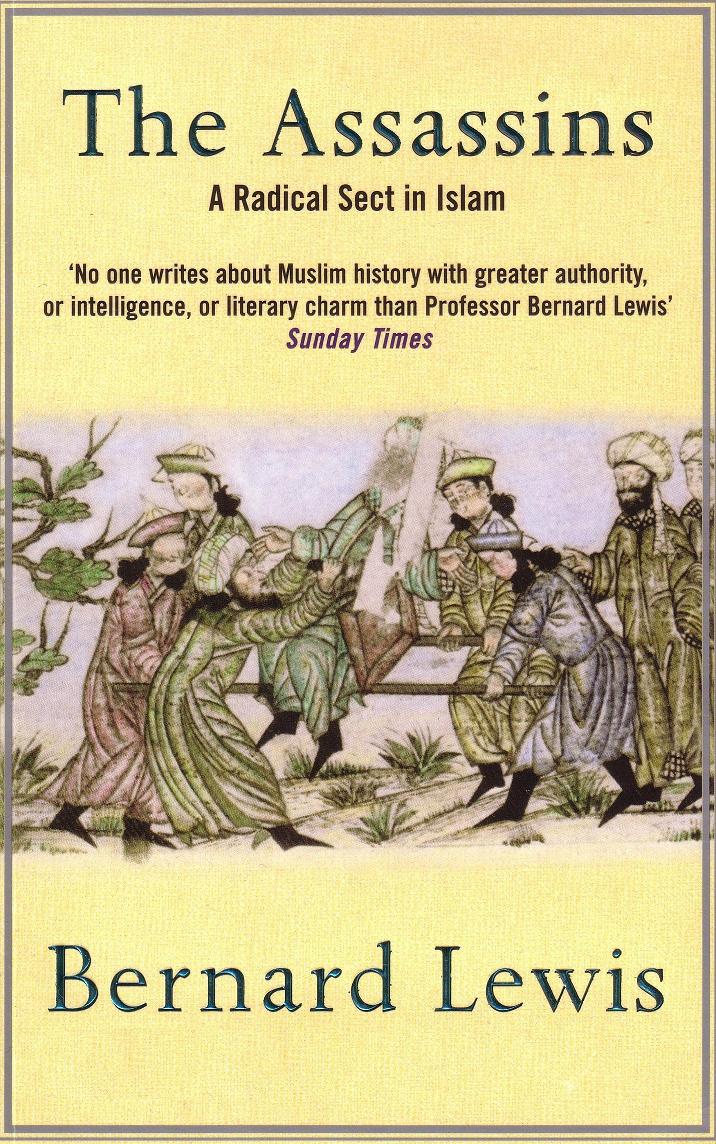
Book Review: The Assassins: A Radical Sect in Islam (1967) by Bernard Lewis

Abstract

The fourth Caliph, Ali, was assassinated during a civil war that his supporters, Shi’atu Ali (Followers of Ali), lost to the Umayyads, who thereafter moved the capital to Damascus. The Shi’a maintained that the Caliphate should have been kept in the Prophet’s family; over time this faction evolved into a sect unto themselves, which largely functioned as an official opposition, maintaining its claim to the Caliphate, but doing little about it. Several ghulat (extremist) Shi’a movements emerged that did challenge the Caliphate. One of them was the Ismailis. Calling themselves the Fatimids, the Ismailis managed to set up a rival Caliphate in Cairo from the mid-tenth century until the early twelfth century that covered most of North Africa and western Syria. A radical splinter of the Ismailis, the Nizaris, broke with the Fatimids in the late eleventh century and for the next century-and-a-half waged a campaign of terror against the Sunni order from bases in Persia and then Syria. In the late thirteenth century the Nizaris were overwhelmed by the Mongols in Persia and by the Egyptian Mameluke dynasty which halted the Mongol invasion in Syria. The Syrian-based branch of the Nizaris became known as the Assassins, and attained legendary status in the West after they murdered several Crusader officials in the Levant. Attention has often turned back to the Assassins in the West when terrorist groups from the Middle East are in the news, but in the contemporary case of the Islamic State (ISIS) the lessons the Nizaris can provide are limited. Continue reading

Book Review: Cruelty and Silence (1993) by Kanan Makiya

By Kyle Orton (@KyleWOrton) on April 7, 2014


Kanan Makiya, an Arab author who writes of the decline of the Arab world as a story where Arabs have the primary agency, can be disorienting to read in the modern context. The first part of Cruelty and Silence deals with the cruelty of the Arab world in general and the Saddam Hussein regime in particular, Continue reading

ISIS Prepares the Ground for War Against the Syrian Rebellion

By Kyle Orton (@KyleWOrton) on April 6, 2014

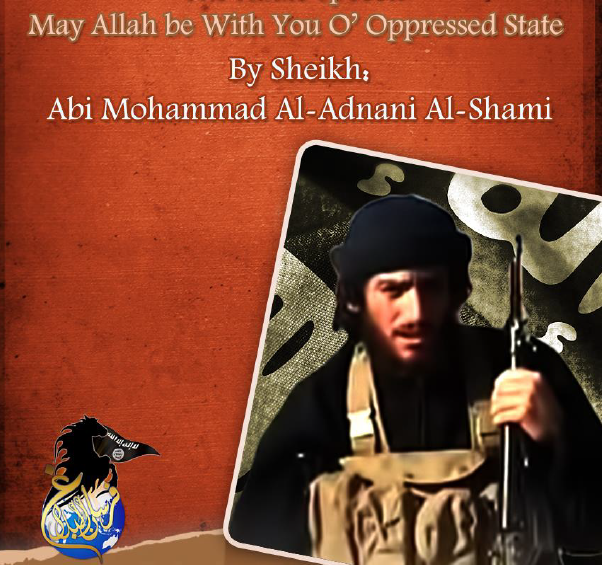
The spokesman for the Islamic State of Iraq and Syria (ISIS), Abu Muhammad al-Adnani, gave a speech on 30 September 2013, entitled, “Lak Allah Ayatuha al-Dawla al-Mazluma” (لك الله أيتها الدولة المظلومة), roughly: “God Is With You, O’ Oppressed State” (The English translation released by Fursan al-Balagh Media gives the title as, “May Allah Be With You, O’ Oppressed State”.) The speech is primarily a ferocious attack on the Syrian rebel groups, accusing them of being part of a Western-led conspiracy, which includes the media stations of Arab governments and their “mouthpieces” throughout the region, to manipulate the coverage of ISIS such that it blackens their name and turns Muslims away from them.

Continue reading