Tag Archives: Turkey

The Problems With the West’s Partners Against the Islamic State

By Kyle Orton (@KyleWOrton) on 10 May 2017

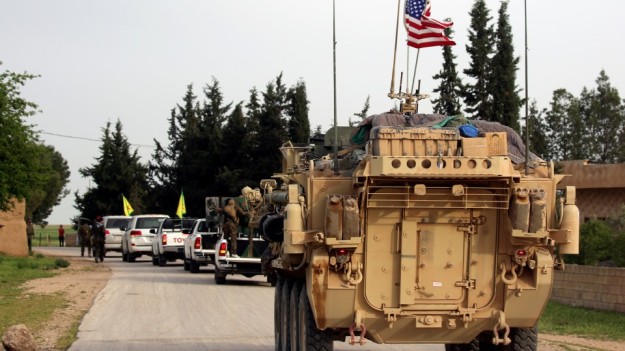
U.S. troops patrolling with the YPG/PKK in the village of Darbasiyah, northern Syria, on the border with Turkey, 28 April 2017

The United States has tried to engage in Syria almost solely in a counter-terrorism capacity, against Daesh (IS) and—in a recently-escalating campaign—against al Qaeda. The narrowness of the focus on jihadist terrorists led to the US disregarding wider political dynamics in the war in Syria—and to a degree in Iraq, too—and partnering with forces that over the long term will undo even this narrow mission.

The announcement yesterday that President Donald Trump will now arm the Kurdish People’s Protection Units (YPG) to expel Daesh from its Syrian capital, Raqqa, is the end-point of this policy, setting up a very dangerous medium- and long-term situation that will redound to the benefit of terrorists. Continue reading

Jihadist Terror Remains a Significant Problem for Britain

By Kyle Orton (@KyleWOrton) on 4 May 2017

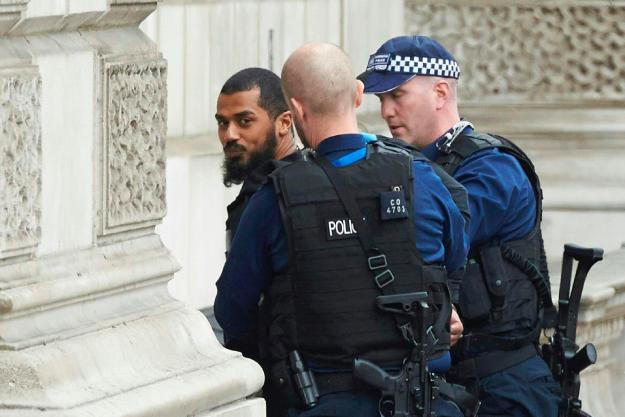
Khalid Mohamed Omar Ali being arrested (image source)

Over the past week, the authorities have disrupted two potential terrorist attacks in London. This follows the Westminster Bridge attack in March, which was claimed by the Islamic State (IS). Britain has been one of the most targeted states by IS’s campaign of global terror, and these latest incidents—whether or not they transpire to be IS-linked—underline the scale of the terrorist threat to Britain. Security forces prevented thirteen attacks in the U.K. between June 2013 and March 2017, and at any one time there are five-hundred live investigations into potential terrorist incidents, with 3,000 Britons believed to be capable of committing an act of domestic terrorism. Continue reading

PKK and Propaganda

By Kyle Orton (@KyleWOrton) on 29 April 2017

Ilham Ahmed

The West’s Syria policy is beginning to unravel of its own contradictions.

The Turkish government launched airstrikes against the positions of the Kurdistan Workers’ Party (PKK) in north-eastern Syria and the Sinjar area of north-western Iraq in the early hours of 25 April. There were international ramifications to this because the PKK in Syria, which operates politically under the name of the Democratic Union Party (PYD) and militarily as the People’s Defence Units (YPG), is the main partner of the U.S.-led Coalition against the Islamic State (IS). Turkey has protested the U.S. engaging the YPG/PKK so deeply and exclusively as its anti-IS partner, being displeased at the U.S.’s uncritical (public) stance toward the YPG, even after the YPG violated U.S.-brokered agreements on its operational theatres and used Russian airstrikes to attack Turkey- and CIA-backed rebels.

In response to Turkey’s anti-PKK operations this week, The Washington Post has hosted an op-ed by Ilham Ahmed, identified as “a co-president of the Democratic Council of Syria”. Continue reading

Don’t Assume the Westminster Terrorist is a ‘Lone Wolf’

By Kyle Orton (@KyleWOrton) on 18 April 2017

The 22 March attack outside Westminster by Khalid Masood is the most significant act of Islamist terrorism since the 7 July 2005 bombing by al-Qaeda of the London public transport system. Masood’s attack highlights a number of historic trends in British jihadism and starkly poses the question of the extent of IS’s penetration of the United Kingdom. Continue reading

State Department Designates Two Canadian Jihadists in Syria

By Kyle Orton (@KyleWOrton) on 14 April 2017

Farah Mohamed Shirdon, Tarek Sakr (image source)

The U.S. State Department added two Canadians to the list of Specially Designated Global Terrorists (SDGT) on 13 April. One of them, Tarek Sakr, of Syrian descent, is associated with Jabhat al-Nusra, al-Qaeda’s Syrian branch, which has since been through two rebrands to Jabhat Fatah al-Sham (JFS) and currently Hay’at Tahrir al-Sham (HTS). The other, Farah Mohamed Shirdon, of Somali background, is a member of the Islamic State (IS). Continue reading

The West’s Inconsistent Approach To Foreign Fighters in Syria

Originally published at The Henry Jackson Society

By Kyle Orton (@KyleWOrton) on 10 April 2017

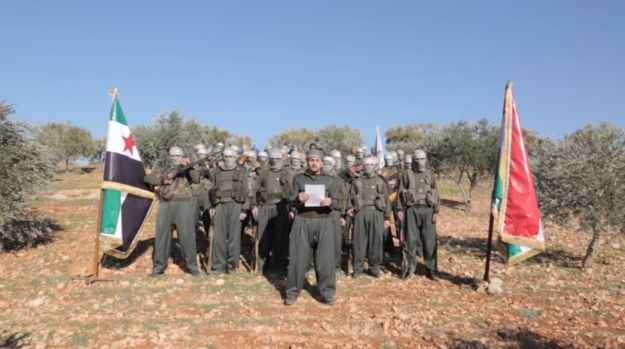
The Kurdistan Workers’ Party (PKK), the Turkey-based Kurdish Marxist-nationalist insurgent group, which is listed as a terrorist organization by Britain, the United States, NATO, and Turkey, created a new foreign fighter unit in Syria on 31 March. In Syria, the PKK uses the name People’s Protection Units (YPG), and the new organization, mostly composed of Europeans, is called the International Revolutionary People’s Guerrilla Forces (IRPGF). In addition to underlining some interesting points about the PKK and Western strategy in the fight against the Islamic State (IS), the IRPGF also underlines the different approach the West has taken to foreign fighters flowing to various groups during the Syrian war. Continue reading

Islamic State Expands its Foreign Attacks Capacity As the Caliphate Collapses

Published at The International Business Times

By Kyle Orton (@KyleWOrton) on 23 March 2017

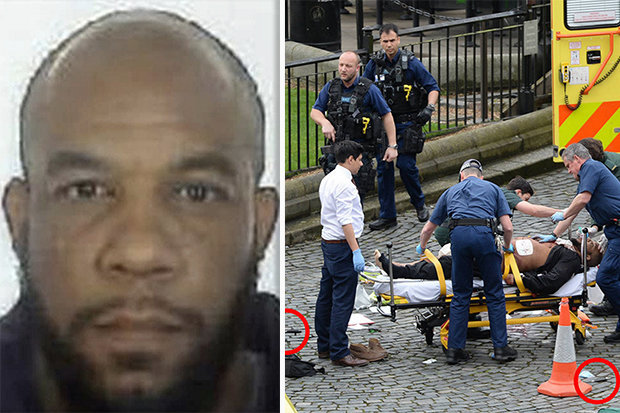
Aftermath of the Islamic State terrorist attack in Westminster, March 2017 (image source)

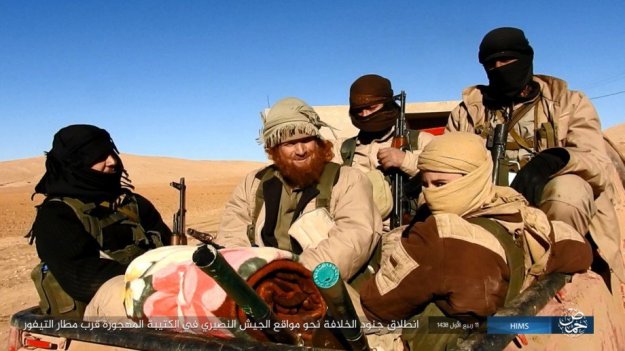
Just after 2:30pm yesterday afternoon, a terrorist mowed down pedestrians with a car on Westminster Bridge before jumping out near Parliament and stabbing a police officer to death. Three people were murdered, forty were injured, and the attacker was shot dead. The Islamic State (ISIS) has now claimed the attack.

The most important question is whether the terrorist had co-conspirators. Prime Minister Theresa May told Parliament this morning that it is “believed that this attacker acted alone”. It is crucial that this is not misread as saying that the attacker was a ‘lone wolf’. The arrests in Birmingham overnight suggest that this killer could have been part of a broader network, which would be consistent with the pattern of ISIS behaviour.

In a new report for the Henry Jackson Society, documents 152 foreign ISIS attacks in 34 countries since 2002, the vast majority in the past two years. In nearly three-quarters of the cases the attacks have a direct link to the organisation, and those without often have accomplices who assist in the atrocities in some way. Just 15% of the attacks have been by inspired individuals, who had no demonstrated connection to ISIS or anyone else in planning or executing their attack. Continue reading

Repression Increases in the Syrian Kurdish Areas

By Kyle Orton (@KyleWOrton) on March 16, 2017

Kurds protesting against the PYD in Hasaka, 16 August 2016

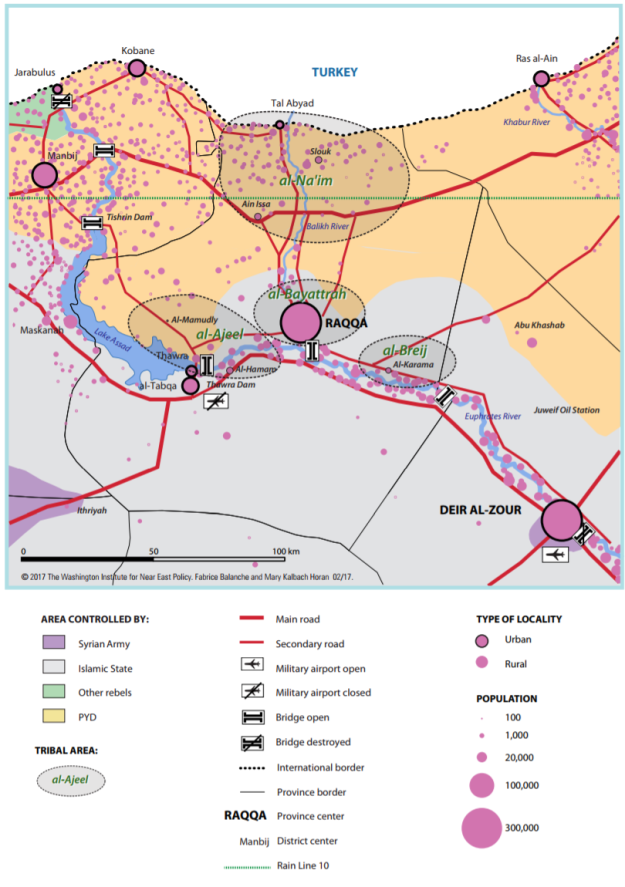
The Democratic Union Party (PYD), the Syrian front of the Turkey-based Kurdistan Workers’ Party (PKK), is the leading group in the administration of the Kurdish areas in north-eastern Syria. The PYD and its armed wing, the People’s Protection Units (YPG), have become the preferred instrument of the U.S.-led Coalition against the Islamic State (IS) and as a by-product have been assisted in conquering some Arab-majority zones of northern Syria—and perhaps soon of eastern Syria. The PYD/PKK has always treated all dissent harshly and the Kurdish opposition in recent days has reported an escalation in repression by the PYD, which the West—as has become a habit in cases of PYD misbehaviour—has made no public protest about. Continue reading

Al-Qaeda in Syria Denounces America, Claims to Be the Revolution

By Kyle Orton (@KyleWOrton) on March 13, 2017

Hay’at Tahrir al-Sham fighter engaging the Assad regime

Michael Ratney, who has been the United States Special Envoy for Syria since July 2015, wrote a public letter , released on 11 March 2017, which labelled all constituent parts of Hay’at Tahrir al-Sham (HTS) as members of al-Qaeda and therefore as terrorists.[1] On 12 March, HTS’s “Administration of Political Affairs”—its newly-minted political office, perhaps evidence of an evolution in HTS’s thinking about an endgame in Syria—issued a statement in reply, which is reproduced below.
Continue reading

Outcome Uncertain as American Involvement in Syria Deepens

By Kyle Orton (@KyleWOrton) on March 10, 2017

American ground forces are getting more deeply entangled in Syria as the offensive to push the Islamic State (IS) out of its de facto capital city, Raqqa, approaches. It remains unclear exactly which actors in Syria these troops will be assisting, though there are more and more indications that their mission will redound to the benefit of the regime of Bashar al-Assad and his allies, Iran and Russia. Continue reading