By Kyle Orton (@KyleWOrton) on 20 June 2023

By Kyle Orton (@KyleWOrton) on 13 December 2017
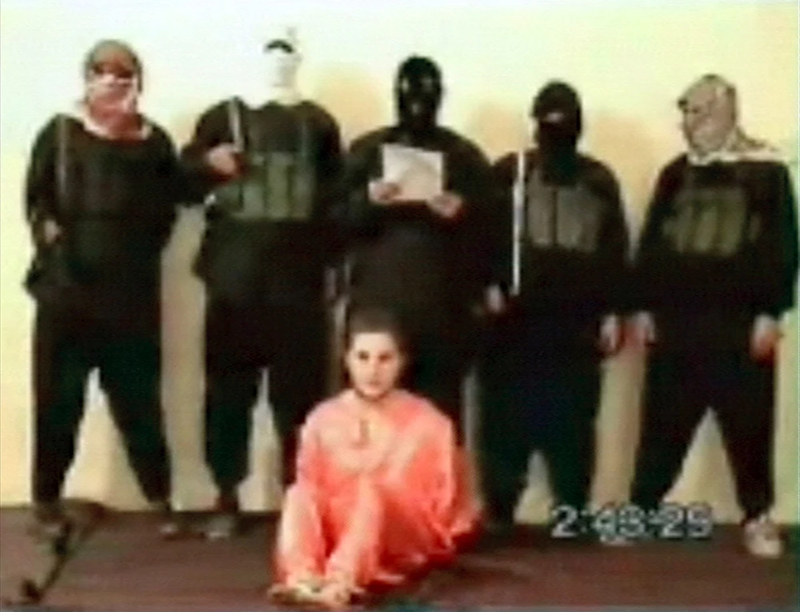
The Islamic State (IS) triggered the war against its “caliphate” by disseminating footage of its jihadists beheading an American journalist, James Foley, on 19 August 2014. Over the next three months, five more Western hostages were decapitated on video. This was shocking to many, but it should not have been. IS began producing snuff videos like this a decade earlier.
The first video beheading by the Islamic State movement—known at the time as Jamaat al-Tawhid wal-Jihad or JTJ (the Group of Monotheism and Holy War)—was released on 11 May 2004; the murderer in the video was IS’s founder, Abu Musab al-Zarqawi; and he gave a brief statement to accompany his crime, later published under the title, “A Word in the Tape of the Beheading of Nicholas Berg (Kalima fi sharit nahr Nicholas Berg)”. Berg was an American civilian who went to Iraq as a freelance engineer.
By Kyle Orton (@KyleWOrton) on 13 December 2017
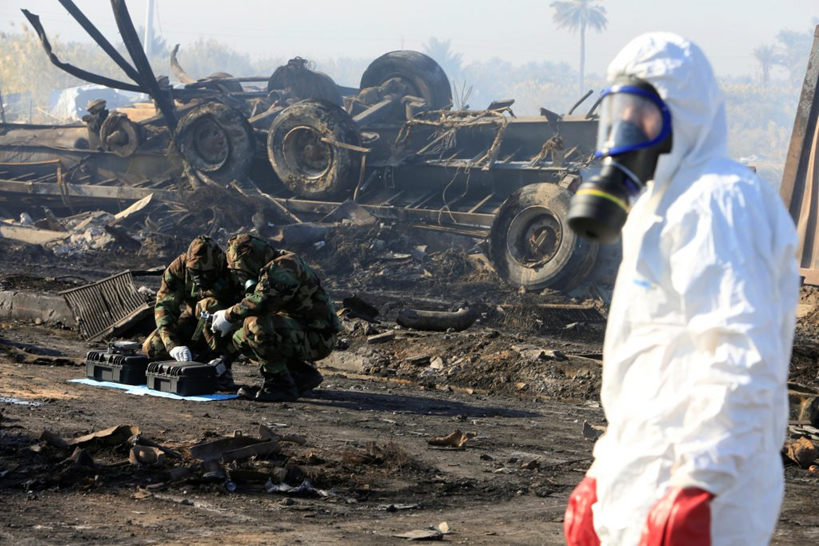
The founder of what is now the Islamic State, Abu Musab al-Zarqawi, gave a speech on 30 April 2004, entitled, “Blowing up the Intelligence Headquarters: A Response to the Lies of Jordanian Intelligence”.
By Kyle Orton (@KyleWOrton) on 13 October 2017
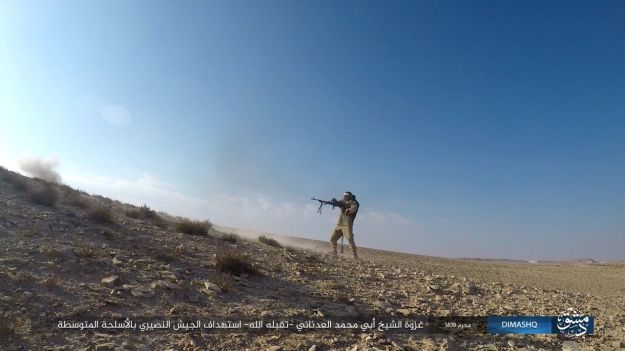
The Iraqi Kurdish authorities arrested Mustafa Haji Muhammad Khan (Hassan Ghul) on 23 January 2004. Khan had been dispatched to Iraq by Nashwan Abd al-Baqi (Abd al-Hadi al-Iraqi), one of the key military officials of al-Qaeda “central” (AQC), to function as AQC’s intermediary with Ahmad al-Khalayleh (Abu Musab al-Zarqawi), the founder of the Islamic State movement. Khan replaced Abdallah al-Kurdi, the first envoy sent by Abd al-Baqi. Al-Kurdi had failed to establish any footing to do his job effectively, but Khan, a battle-hardened jihadist from Baluchistan, earned a measure of respect from al-Khalayleh and facilitated a productive conversation between AQC and al-Khalayleh. Al-Khalayleh, possessed of a pathological anti-Shi’ism, wrote a seventeen-page memo to Usama bin Laden explaining his strategy to defeat the Americans by starting a total war between the sects in Iraq. That memo, in digital form, was given to Khan, and Khan had it in his possession when he was captured. A translation of the letter is given below with some interesting sections highlighted in bold.[1] Continue reading
By Kyle Orton (@KyleWOrton) on 5 October 2017
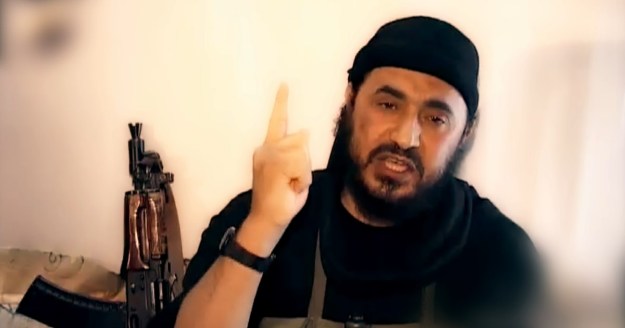
Ahmad al-Khalayleh (Abu Musab al-Zarqawi)
The Islamic State’s founder, Ahmad al-Khalayleh (Abu Musab al-Zarqawi), took the anti-Shi’ism within jihadi-salafism, and moved it to ideological centre-stage in his campaign to implement a shari’a regime in Iraq. In a speech on 18 May 2005, “The Return of Ibn al-Alqami’s Grandchildren”, al-Khalayleh cast the Shi’a as the internal enemies of Islam. Al-Alqami, a Shi’a, was the vast vizier of the Abbasid caliphate and allegedly opened the gates to allow the Mongols to sack Baghdad in 1258. In al-Khalayleh’s telling, the Iraqi Shi’a repeated this in 2003 by welcoming the Americans—a piece of sectarian incitement first used by Saddam Husayn. Al-Khalayleh makes reference to Shi’a figures conspiring in the American project for a New Iraq, something unalterably opposed not only by al-Khalayleh but most Iraqi Sunnis and their “resistance” groups, who objected to their loss of primacy in the aftermath of Saddam, flatly rejecting the demographic facts of Iraq that grant them a smaller share of power than they feel is their due. This political grievance is secondary to al-Khalayleh, however. Al-Khalayleh advances a cosmic, theological argument. To al-Khalayleh, the existence of the Shi’a is a standing affront to the “true” faith and a temptation for Sunnis to fall into apostasy, and since the need to defend the faith itself is above the protection of human life, the shedding of the blood of Shi’a civilians licit. This is the intellectual universe in which al-Khalayleh and his successors dwell. Excerpts from the speech are republished below. Continue reading
By Kyle Orton (@KyleWOrton) on February 12, 2017
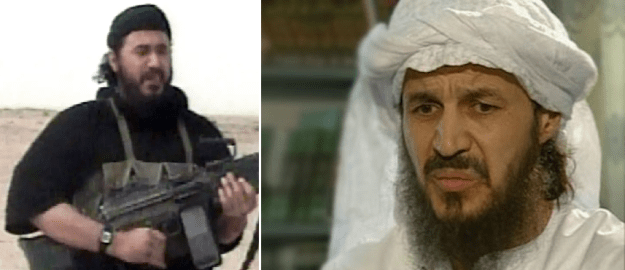
Abu Musab al-Zarqawi [left] and Abu Muhammad al-Maqdisi [right]
 Kyle Orton's Blog