By Kyle Orton (@KyleWOrton) on 26 April 2026
By Kyle Orton (@KyleWOrton) on 25 January 2026
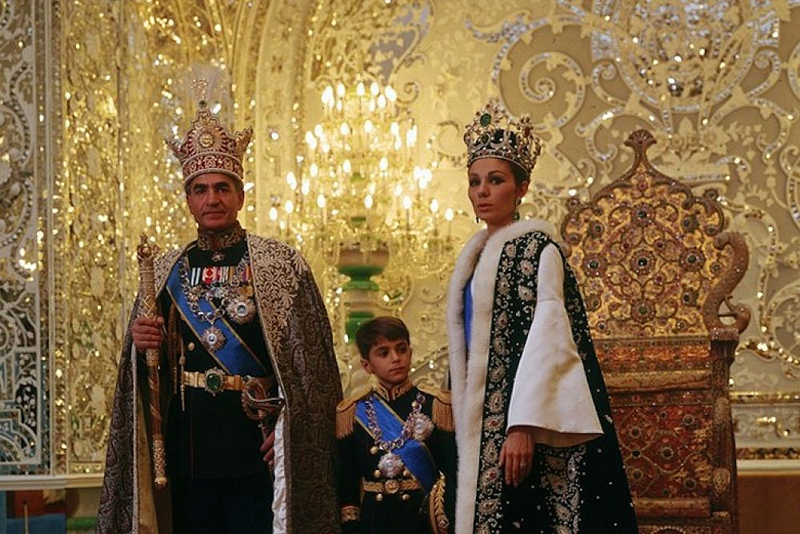
The idea of sacral Monarchy stretches back to the foundations of the Persian Empire under Cyrus the Great, over 2,500 years ago, who ruled as Shahanshah (King of Kings), an office originating with the Zoroastrian deity Ahura Mazda, and all Kingly successes were attributed to this god. It is this sense of Persian Kings as vessels for divine will that explains why they are so anonymous when compared to, say, the Roman Caesars: what mattered was the role, not the idiosyncrasies of the individual playing it.
By Kyle Orton (@KyleWOrton) on 28 February 2019
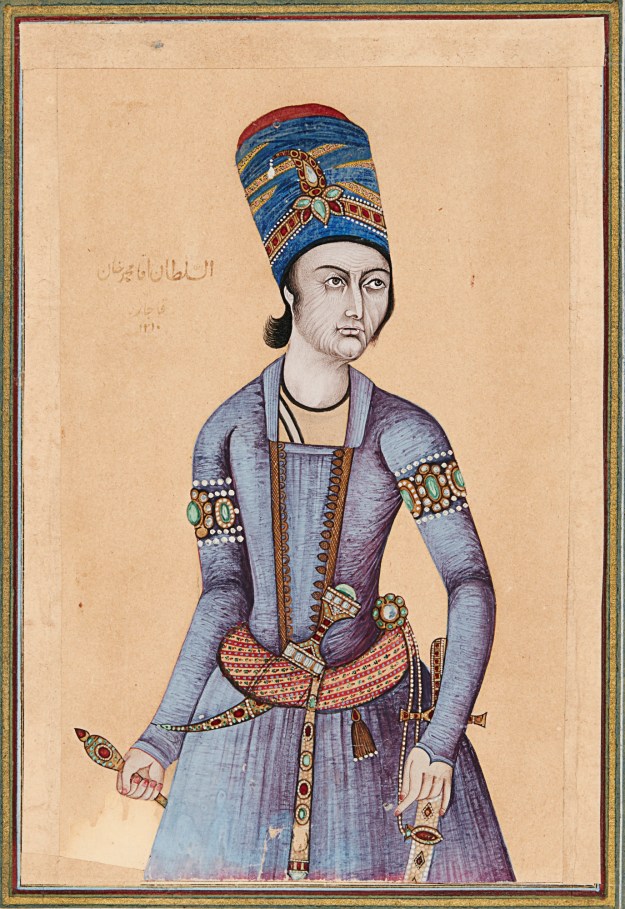
Agha Mohammad Khan Qajar, founder of the Qajar dynasty (1794-1925) in Iran [source]
By Kyle Orton (@KyleWOrton) on 13 October 2017

The Iraqi Kurdish authorities arrested Mustafa Haji Muhammad Khan (Hassan Ghul) on 23 January 2004. Khan had been dispatched to Iraq by Nashwan Abd al-Baqi (Abd al-Hadi al-Iraqi), one of the key military officials of al-Qaeda “central” (AQC), to function as AQC’s intermediary with Ahmad al-Khalayleh (Abu Musab al-Zarqawi), the founder of the Islamic State movement. Khan replaced Abdallah al-Kurdi, the first envoy sent by Abd al-Baqi. Al-Kurdi had failed to establish any footing to do his job effectively, but Khan, a battle-hardened jihadist from Baluchistan, earned a measure of respect from al-Khalayleh and facilitated a productive conversation between AQC and al-Khalayleh. Al-Khalayleh, possessed of a pathological anti-Shi’ism, wrote a seventeen-page memo to Usama bin Laden explaining his strategy to defeat the Americans by starting a total war between the sects in Iraq. That memo, in digital form, was given to Khan, and Khan had it in his possession when he was captured. A translation of the letter is given below with some interesting sections highlighted in bold.[1] Continue reading


