By Kyle Orton (@KyleWOrton) on 5 July 2025
By Kyle Orton (@KyleWOrton) on 4 June 2025
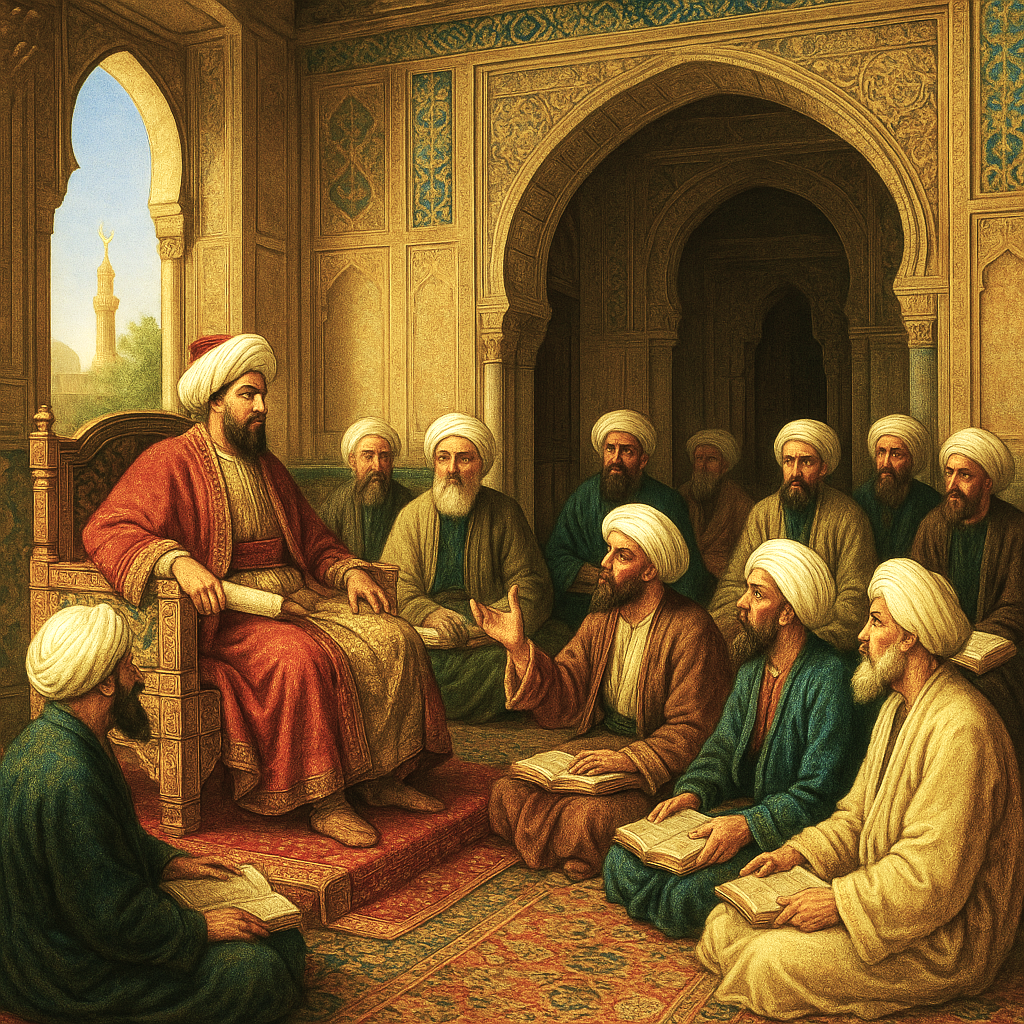
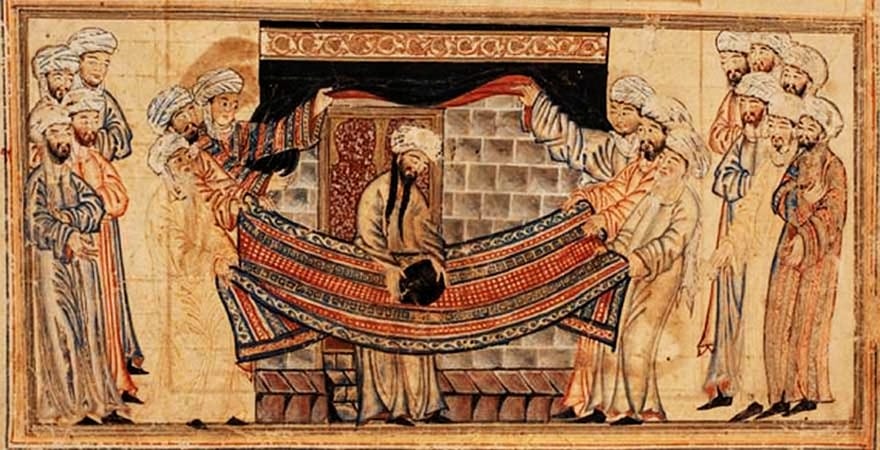
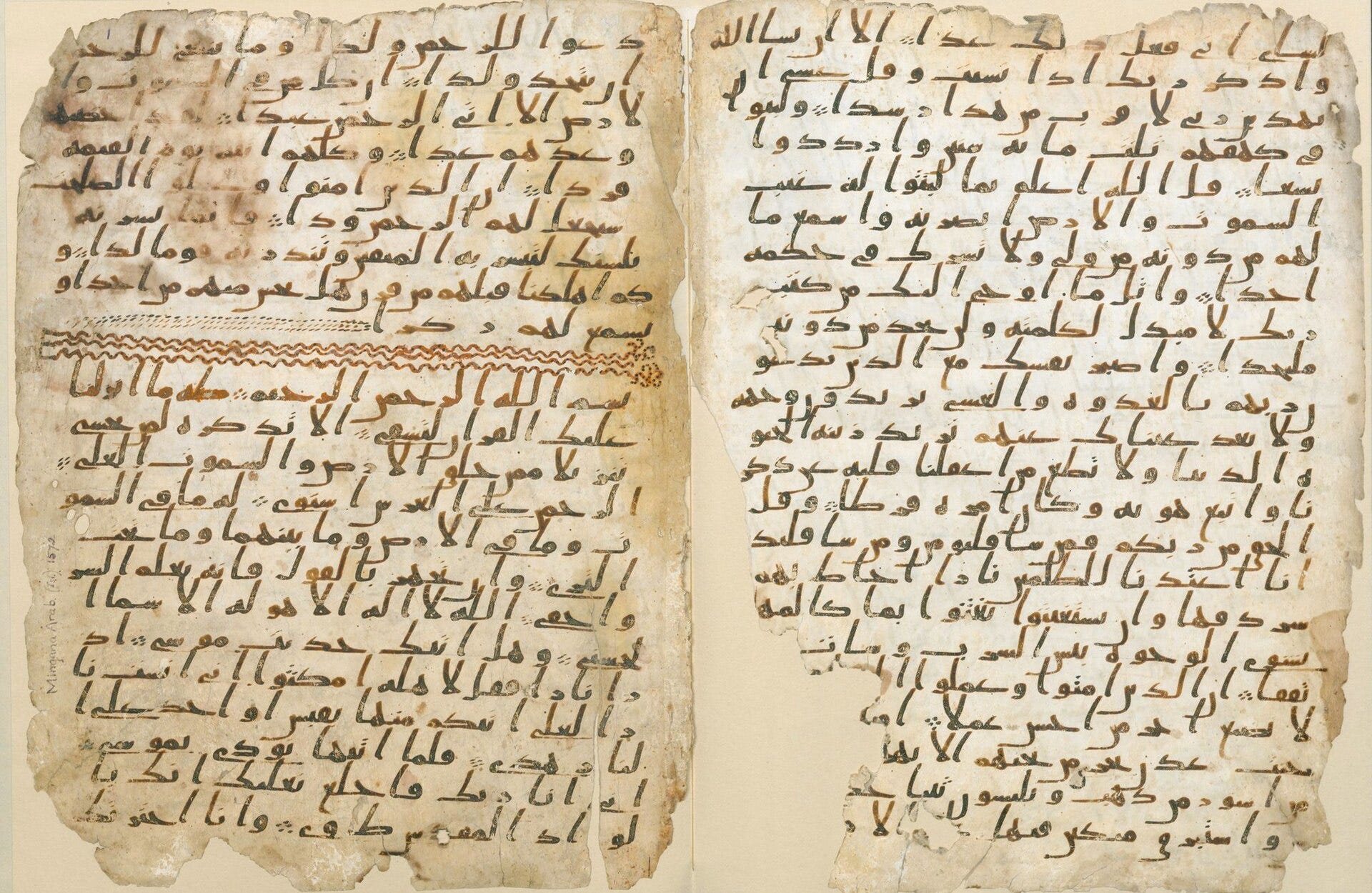
Muslim belief is that the Qur’an is “uncreated” (ghayr makhluq). While the Qur’an was revealed to Muhammad over twenty-three years (610-32 AD), the “speech of God” (kalam Allah) in these revelations had existed co-eternally with God. This was once a point of serious dispute in Islamic theology, and the outcome of that debate was an important waymarker in the development of Islam.
By Kyle Orton (@KyleWOrton) on 1 June 2025
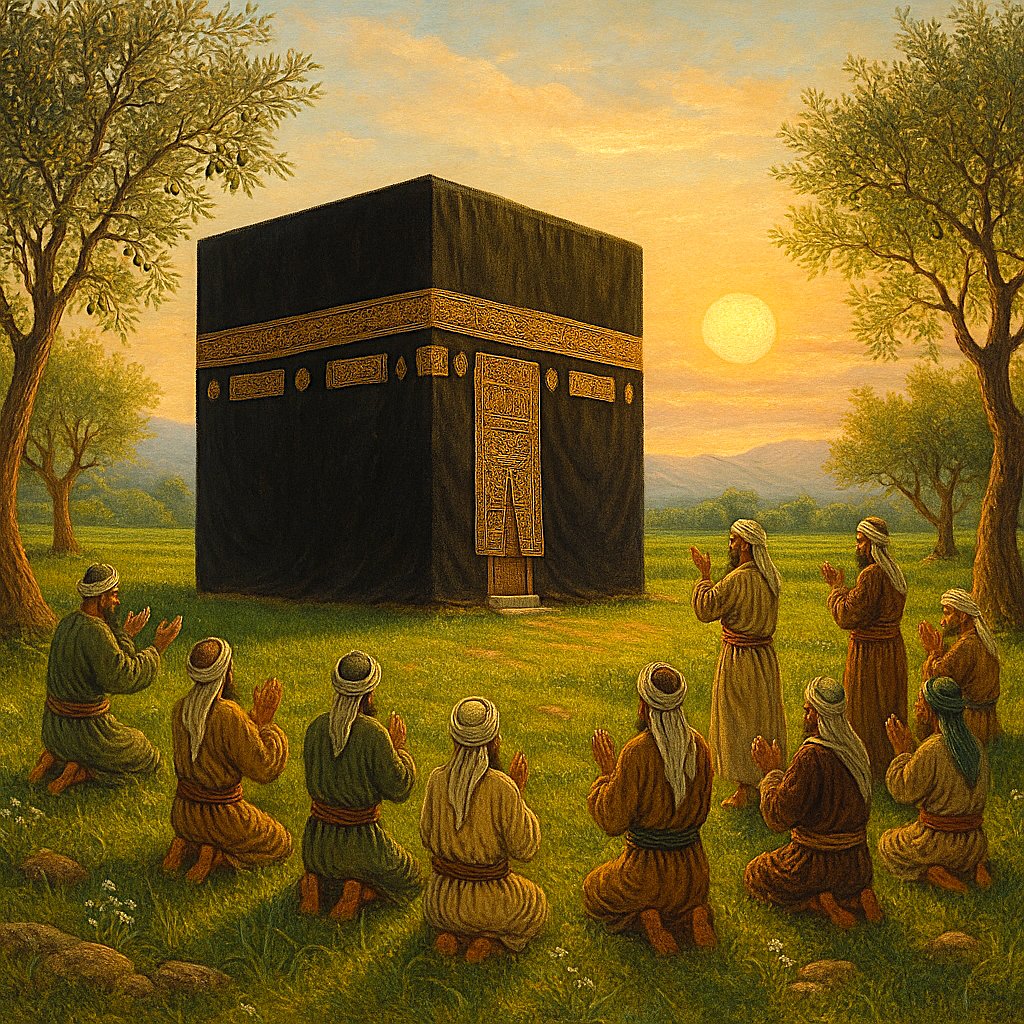
Below is a reproduction of an academic book chapter by G.R. Hawting, “The Origins of the Sanctuary at Mecca”, in G.H.A. Juynboll [ed.] (1982), Studies on the First Century of Islamic Society, pp. 23-47.
By Kyle Orton (@KyleWOrton) on 12 June 2021
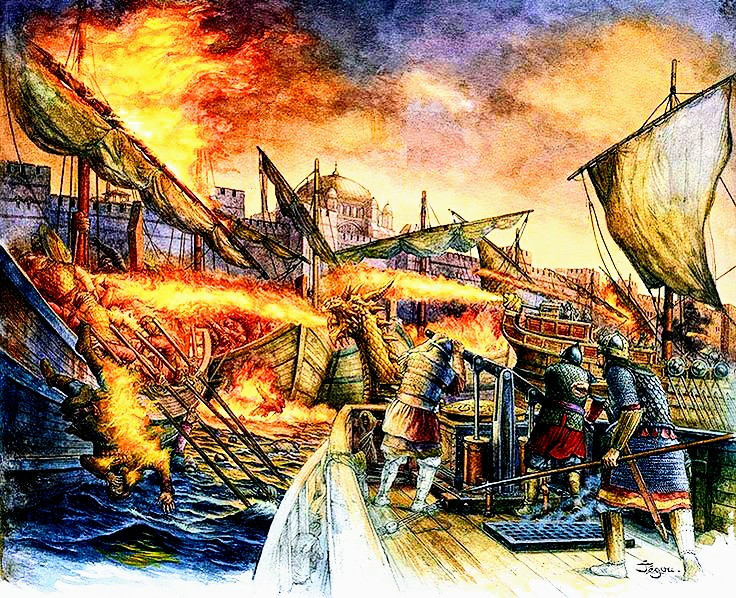
A painting representing the Byzantines use of “Greek fire” to repel the Arab siege of Constantinople, 674-78
The use of the word “Byzantium” for the Eastern Roman Empire is inescapable, though it is best thought of as a term of convenience rather than definition. For one thing, the inhabitants never called themselves “Byzantines”: they always thought of themselves as “Romans”, though using the Greek work “Romaioi”. The easiest way to see the problem is to ask: When did the Byzantine Empire begin? Continue reading
By Kyle Orton (@KyleWOrton) on 9 August 2020
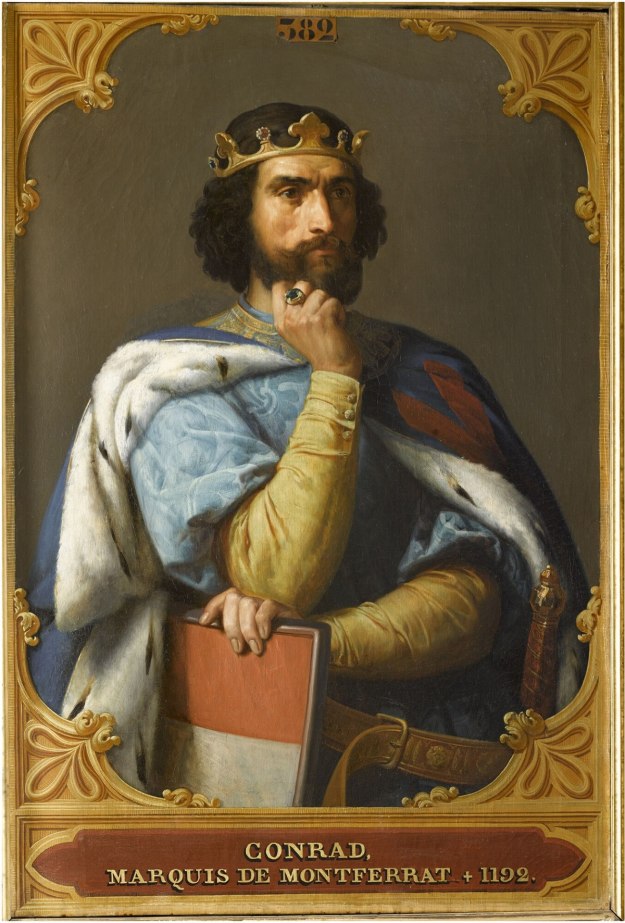
Conrad of Montferrat … imagined. Picture is from the Paris of the 1840s, by François-Édouard Picot.
Conrad of Montferrat, the monarch of the Kingdom of Jerusalem, one of the four Crusader principalities, was assassinated in Tyre on 28 April 1192 by the Nizari Ismailis, the legendary Assassins. The event received a lot of interest in its own time and since in the Christian world—and fuelled the various myths about the Nizaris either being focused on the Crusaders (the Nizaris’ war was always with the Sunni order) or operating in Europe (which they never did). There has also long been speculation about a third party having sponsored the Nizaris, and a paper by Patrick A. Williams examines this issue. Continue reading

 Kyle Orton's Blog