By Kyle Orton (@KyleWOrton) on 13 May 2023

By Kyle Orton (@KyleWOrton) on 29 March 2021
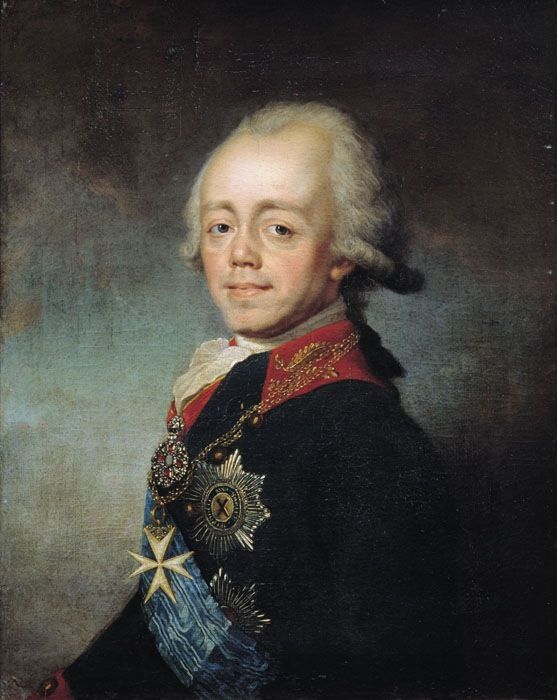
Tsar Pavel I
A few days ago, it was the 220th anniversary of the palace coup that, in the early hours of 24 March 1801, deposed the Russian Tsar, Pavel (Paul) I, the last of the Russian monarchs to fall in this way.[1] Continue reading
By Kyle Orton (@KyleWOrton) on 23 February 2021
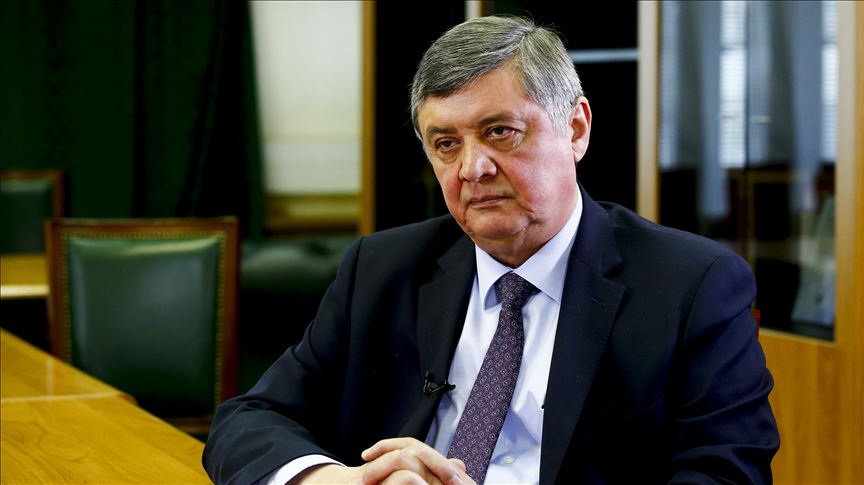
Russia’s presidential envoy for Afghanistan Zamir Kabulov
Russian ruler Vladimir Putin’s current special envoy for Afghanistan, Zamir Kabulov, spoke to Sputnik’s Tajik service on 17 February, and a translation of the interview is published below with some interesting sections highlighted in bold. Kabulov was the KGB resident in Kabul in the 1980s and early 1990s, and later in the 1990s, during the Taliban’s reign over Kabul and much of the rest of the country, he was an adviser to the United Nations peace envoy. Continue reading
By Kyle Orton (@KyleWOrton) on 23 January 2020
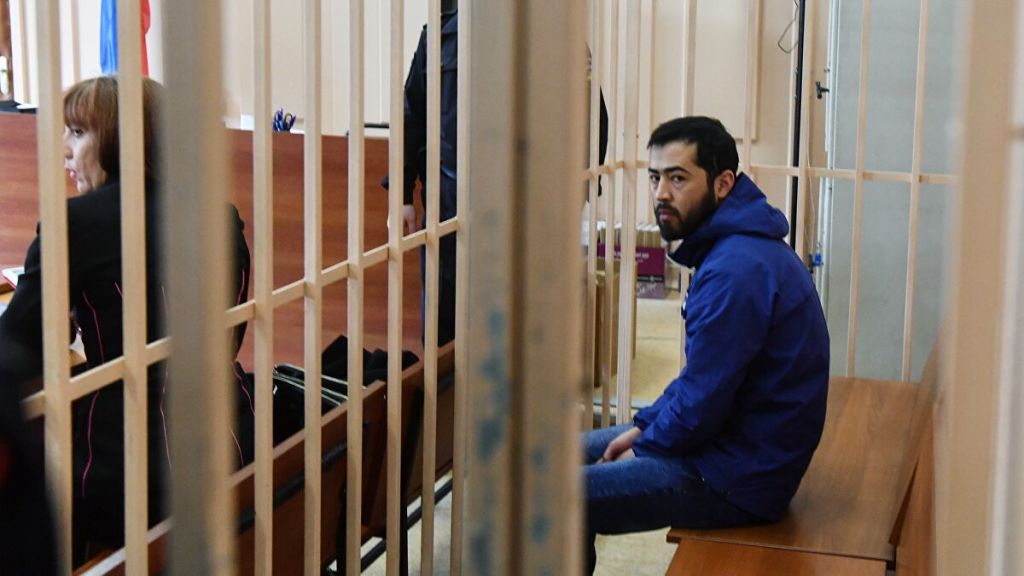
Abror Azimov in detention // Source: Alexey Kudenko
In July 2019, I co-wrote an article for Haaretz about the Russian legal case relating to the alleged suicide bombing of the St. Petersburg metro on 3 April 2017 as it then stood. To make a long story short: none of the “facts” derived from the Federal Security Service (FSB) investigation could be taken at face value—literally none. A key assertion from the Kremlin was that the Petersburg attack was directed from outside by an Al-Qaeda-linked group in Syria, for which no evidence was provided, but the issues with the case went much deeper. As fundamental a fact as the identity of the alleged suicide bomber was in question. Indeed, it was worse than that: the Russian state refused, when questioned, to say whether this “suicide bomber” was dead, raising a question about whether the Petersburg atrocity was a suicide-attack at all. Last month, the Russian government in effect closed the book on this case by sentencing eleven people it claims were implicated in it; none of the questions raised during the trial have been answered, and nor are they ever likely to be now. Continue reading
By Oved Lobel on 18 November 2019

PKK at a terrorist training camp in the Asad regime-held Bekaa Valley of Lebanon, 1991 [source]
The broad outline of the PKK’s relationship with the Soviet Union—and then the Russian Federation—is fairly clear. After the PKK was founded in Turkey in the late 1970s by Ocalan, it was evicted from the country during the 1980 military coup. The PKK moved to Syria, where Ocalan was already based, having fled Turkey in June 1979. From there, the PKK moved into the Bekaa area of Lebanon, at that time controlled by the Syrian regime of Hafez al-Asad, and the Soviets acted through Asad, as they so often did in dealing with terrorist groups, to build the PKK into a fighting force that was then unleashed in 1984 on Turkey, a frontline NATO state in the Cold War. Continue reading


 Kyle Orton's Blog