Last September, a Save the Children report noted that children in suburbs of Damascus besieged by the regime were subsisting on “leaves, nuts, [and] fruits”. Throughout October it would become clear that a deliberate terror-famine was being waged by the regime against these rebellious districts, to starve them into submission. Continue reading →
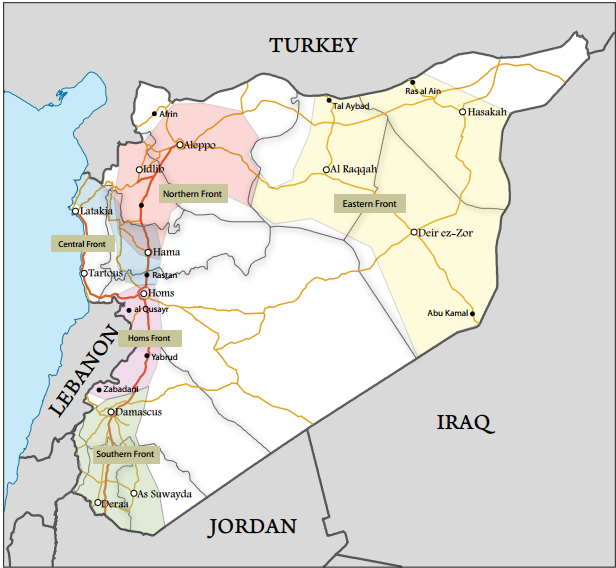
A map of the Five Fronts command, an early effort at rebel unification that split the country into five strategic zones. The Sahel or Coast Front is also called the Central Front
On March 14, 2014, Anthony Wedgewood Benn (“Tony Benn”) died aged 88. Though, as his assumed name in later years suggests, Benn presented himself as a populist, he was in fact of very elite stock: born in 1925, his grandfather was a Liberal MP, as was his father (until he joined Labour in 1927), and his mother was a leading early feminist campaigner. Benn was entitled to a hereditary peerage as Viscount Stansgate, which he objected to. Ever one for publicity, after the Peerage Act of 1963 was passed on July 31 of that year, allowing renunciation of peerages, he became the first peer to renounce his title, 22 minutes later. Benn mixed with figures like David Lloyd George and Mohandas Gandhi, and attended the exclusive Westminster School, which is “something he tried to hide in future biographies,” before going on to be a fighter pilot in the RAF.
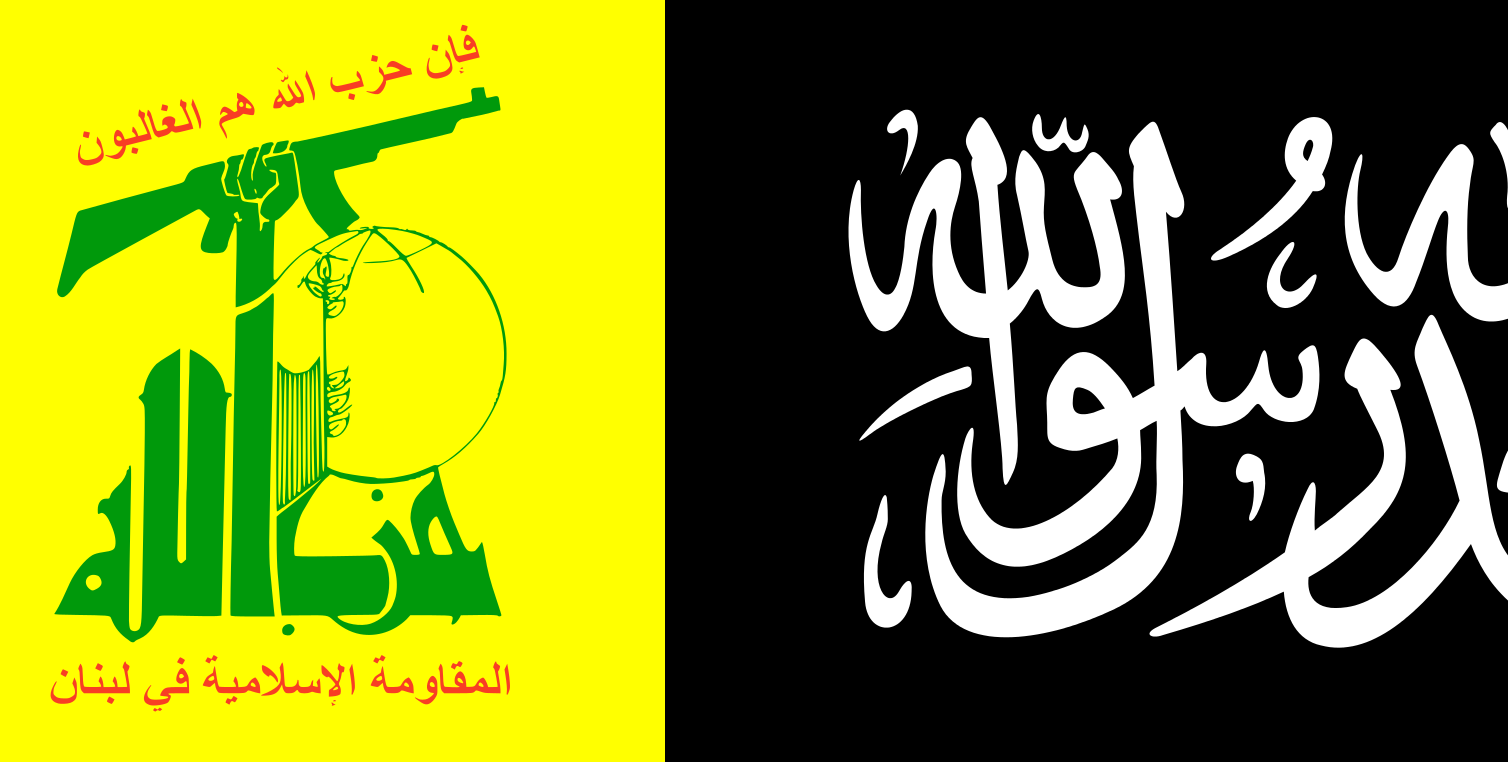
Given the increasing power of the Iranian theocracy in Syria on the Assad regime’s side, and the evidence of an overlap between the Assad regime and the Sunni jihadists who have descended on Syria, it is important to assess Tehran’s relationship with Salafi-jihadism.
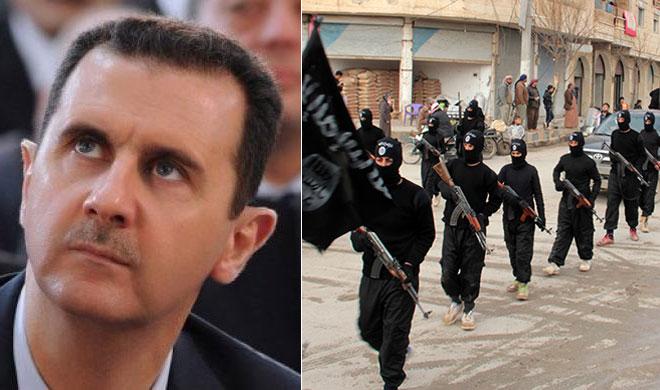
There has long been speculation in Syrian oppositionist circles that the regime was colluding with the Qaeda-type forces in the insurgency, to shore-up its own base by frightening the minorities and to ward off external help to the rebellion from the West. Continue reading →