By Kyle Orton (@KyleWOrton) on 24 January 2024

By Kyle Orton (@KyleWOrton) on 12 August 2021
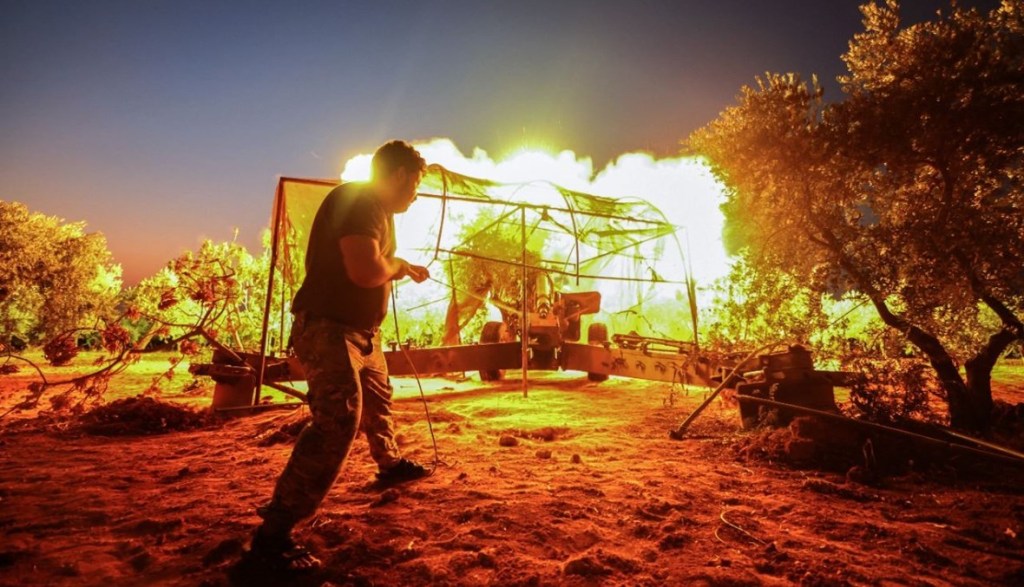
In early July, President Joe Biden confirmed his intention to withdraw all American troops from Afghanistan by September 2021. Biden cited a February 2020 U.S. “agreement” with the Taliban that he had “inherited” from the Trump administration. In truth, President Donald Trump had made no agreement. He had already begun pulling troops out by October 2019 and signed a fig leaf to cover his unconditional withdrawal.
Biden reassessed other Trump policies and could have reassessed this one, not least since the Taliban were in violation even of their vague paper promises — most notably on their commitment to deny space to al Qaeda and negotiate peace in good faith. The truth is that Biden is ideologically committed, as Barack Obama and Trump were, to ending American involvement in “forever wars.” Regardless, this does not mean those wars end or the threats that drew the United States in actually go away. Continue reading
By Kyle Orton (@KyleWOrton) on 29 June 2021
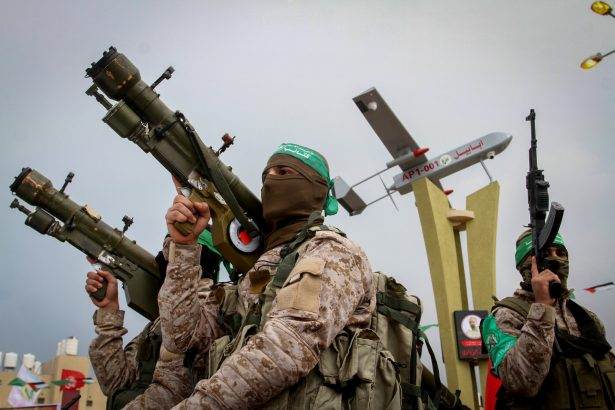
Members of the Ezzedine al-Qassam Brigades, the military wing of Hamas, at a memorial in Gaza, 31 January 2017. Photo by Abed Rahim Khatib, Flash90.
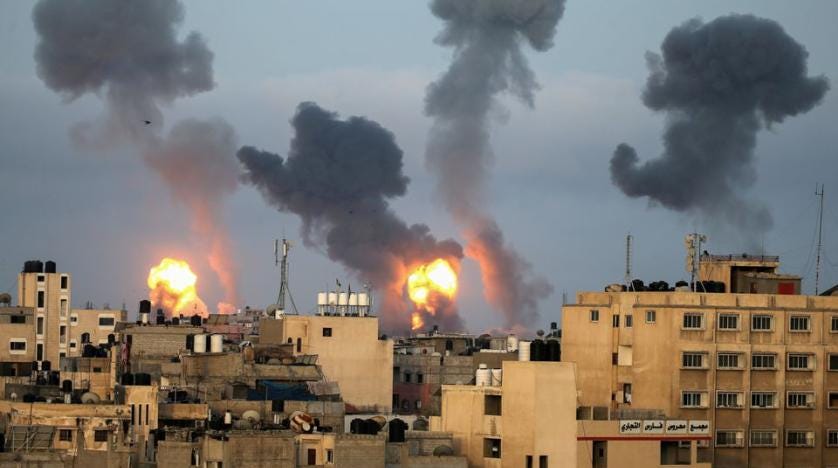
The May 2021 round of fighting in Gaza brought with it the upending of the unspoken understanding between Israel and Hamas and a level of intercommunal violence within Israel that has not been seen in quite some time. The scale of the rocket attacks on the Jewish state must also be counted among the unusual elements of this latest flare-up, with Iran clearly identifiable as the enabling state behind Hamas and Palestinian Islamic Jihad (PIJ), the two primary factions behind these attacks. Continue reading
By Kyle Orton (@KyleWOrton) on 27 May 2021
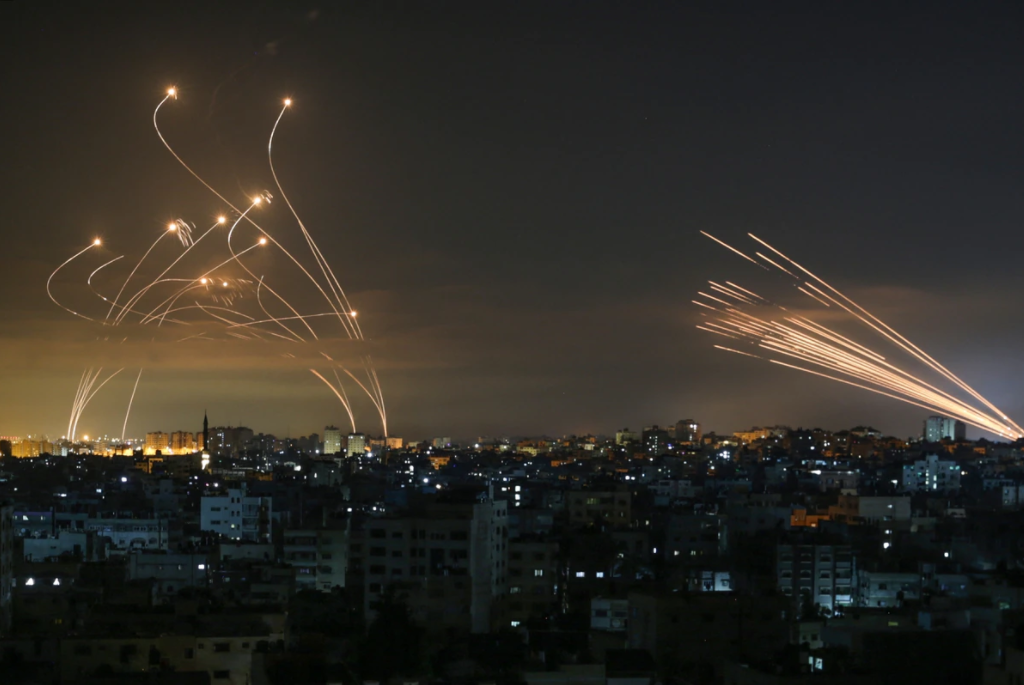
Israel’s Iron Dome missile defence system [left] activates over southern Israel against incoming HAMAS rockets [right], 14 May 2021
By Kyle Orton (@KyleWOrton) on 2 February 2021
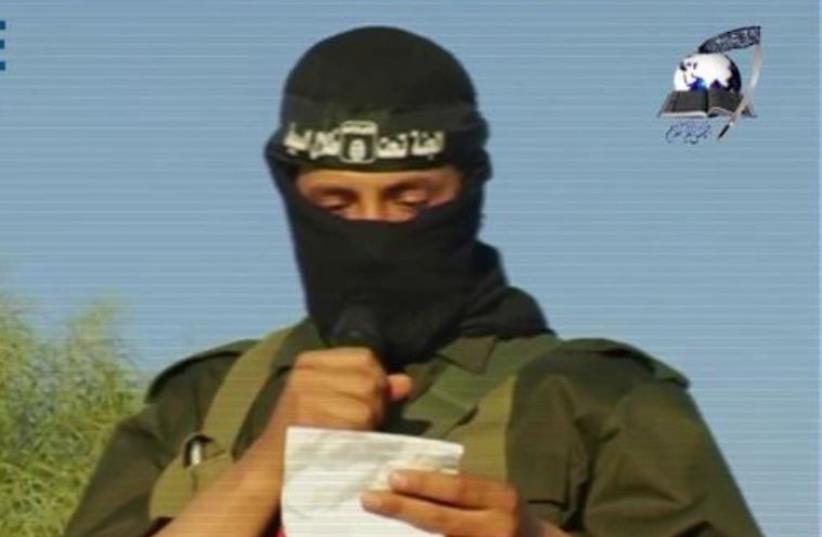
Jaysh al-Islam in Gaza joins the Islamic State in 2015 (image source)
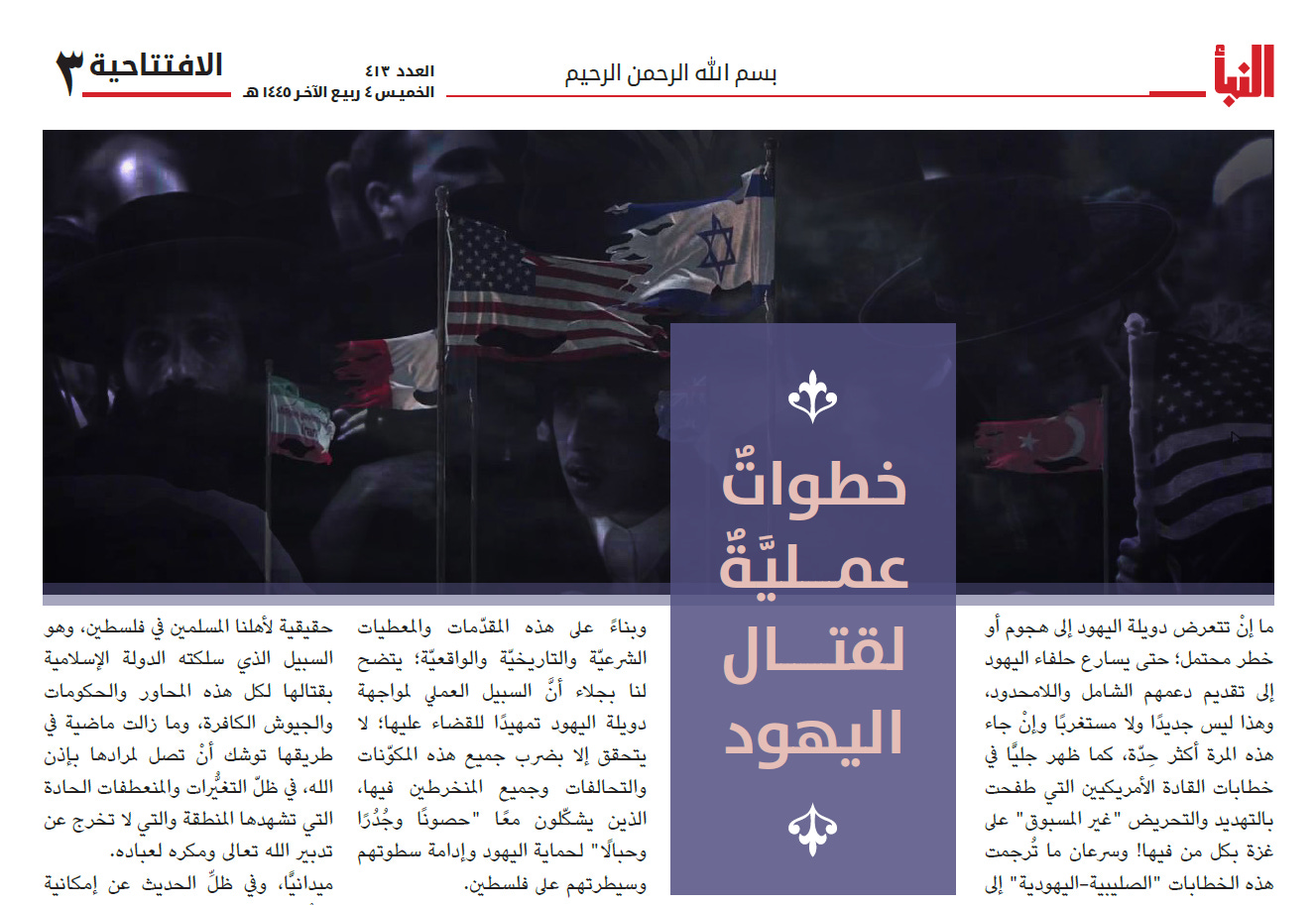
Hamid al-Zawi (Abu Umar al-Baghdadi), the second leader of the Islamic State movement, known at the time as the Islamic State of Iraq (ISI), made his ninth speech out of what would prove to be twenty-three, entitled “Al-Deen al-Naseeha” or “The Deen is Sincere Advice” (الدين النصيحة), on 14 February 2008. “Deen” is often translated as “religion”, but the implication of referring to the “spiritual” side of life—and not the “secular”—is inadequate to describe the totality contained within the word; something like “creed” or “lifeway” is more accurate. The speech is most notable as something of a rarity in that it focused on Palestine. A transcript of the speech was put out by ISI and is reproduced below with edits for grammar and clarity. Continue reading

 Kyle Orton's Blog