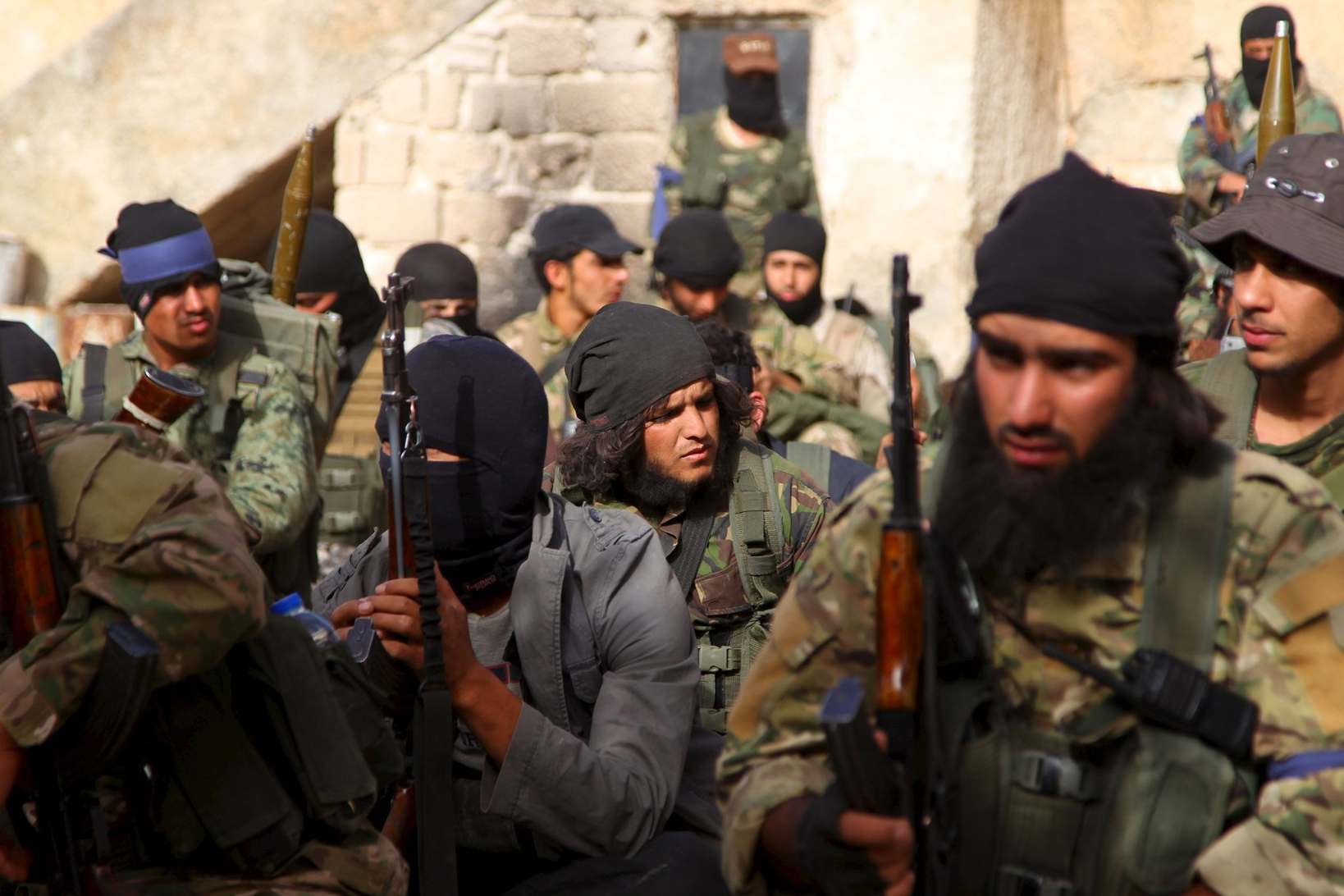
A chapter about Islamism in Syria I wrote for the American Foreign Policy Council’s (AFPC) ‘World Almanac of Islamism’ was published today. Do check it out, and the broader site, which is a great, accessible resource. The format of the website necessitated that the chapter as I submitted it was edited, condensed, and split up to fill out the various categories. In case it is of any interest, the original version of the chapter is reproduced below.
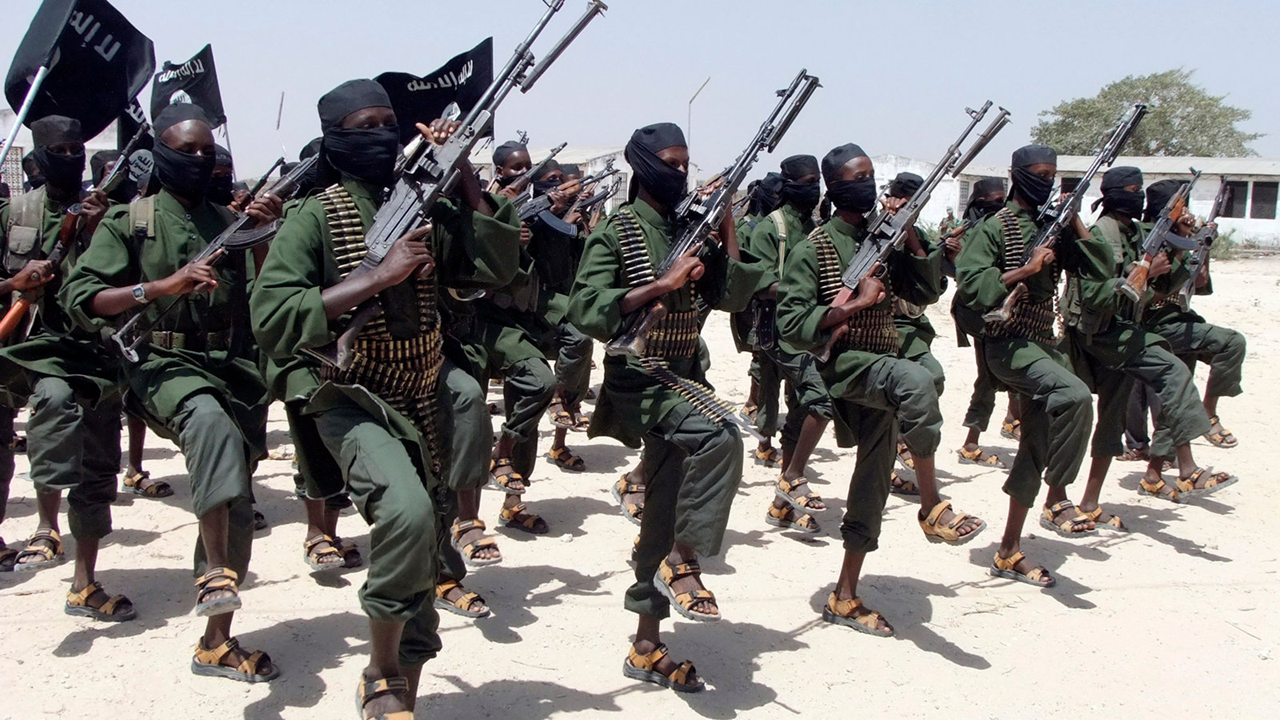
A chapter about Al-Qaeda I wrote for the American Foreign Policy Council’s (AFPC) ‘World Almanac of Islamism’ was published today. Do check it out, and the broader site, which is a great, accessible resource. The format of the website necessitated that the chapter as I submitted it was edited, condensed, and split up to fill out the various categories. In case it is of any interest, the original version of the chapter is reproduced below.
In writing a chapter earlier this year about the current status of Al-Qaeda, part of the process was reviewing the organisation’s history since its formation in the late 1980s. What really struck me was how extensively Al-Qaeda is now manipulated, under the influence of, and in places even controlled by state powers. To mark the nineteenth anniversary of 9/11, I thought I could give a brief sketch of this development.
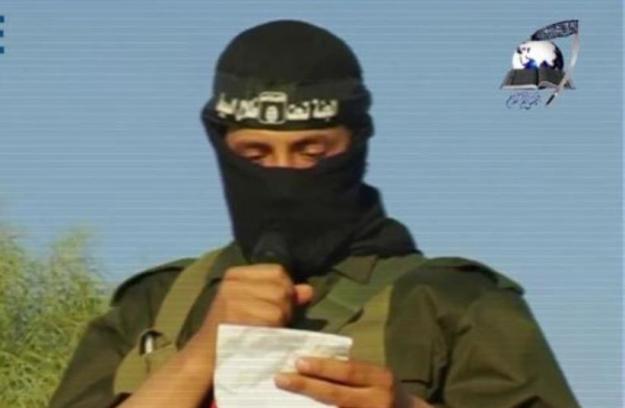
The Islamic State’s (IS) spokesman, Abu Hamza al-Qurayshi, gave his second speech on 27 January 2020. The speech was entitled, “Allah Destroyed Everything Over Them, and for the Kafireen is Something Comparable”, by IS’s official English translation. The title is drawn from the Qur’an, the Surah of Muhammad (47), verse 10. The verse can be rendered as, “God Destroyed Them Completely, and a Similar Fate Awaits the Disbelievers”. Below is a copy of the transcript of Abu Hamza’s speech, with some editions for transliteration and translation, and some interesting sections highlighted in bold. Continue reading →
In a long article last week, I looked at why the U.S. ran a formal occupation of Iraq for fourteen months after the fall of Saddam Husayn in April 2003, given that there had been an explicit pre-invasion decision not to have an occupation government. The short answer is that the occupation was installed through deception by the State Department, supported by the Central Intelligence Agency (CIA). State and CIA had argued for a protracted occupation in the Situation Room debates in 2002, but President George W. Bush had sided with the Pentagon, which advocated a rapid transfer of power to Iraqis. Having lost in the formal inter-agency process, the State Department succeeded by subversion in getting its way on the ground in Iraq. The disaster this caused in the mismanagement of post-Saddam Iraq was, as the article explained in detail, only the most serious impact of the toxic schism between State/CIA and the Pentagon, a factor whose import is difficult to overstate when examining how the Bush administration functioned. (This feud also at times drew in the Vice President’s Office, which tended to support the Pentagon.)
The victory of Boris Johnson’s Conservative Party, and the crushing defeat of Jeremy Corbyn’s Labour Party, is the beginning of the end of three years of turbulence in Britain. Continue reading →
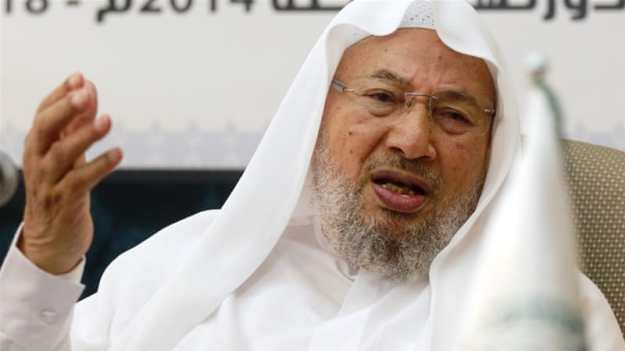
In the wake of the horrific bombings by the Islamic State (ISIS) in Sri Lanka on Eastern Sunday, which killed 250 people, an image has circulated purporting to show a terrorist connected to the attack in the company of the Qatar-based cleric of the Muslim Brotherhood, Yusuf al-Qaradawi. In fact, the image shows no such thing. But Al-Qaradawi’s influence in creating the ideology that motivates Islamist terrorists cannot be doubted. Continue reading →
Israeli opinion generally regards the country’s efforts to contain Iran, especially in Syria, as having been successful. In fact, the trendline runs the other way: Iran is constraining Israel, entrenching all around the Jewish state. Continue reading →
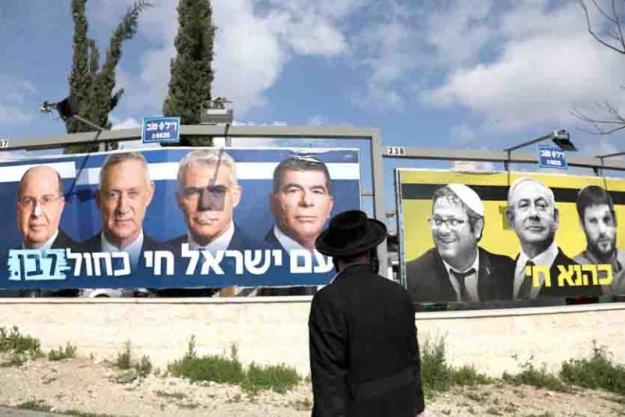
An Orthodox Jewish man looking at Israeli election campaign posters in Jerusalem, 27 March 2019 // Reuters
Israeli Prime Minister Benjamin Netanyahu was in attendance on 25 March when President Donald Trump signed the order recognising Israeli sovereignty over the Golan Heights, but had to leave soon after a rocket from Gaza hit a house north of Tel Aviv. These events—and other regional developments—are taking place less than two weeks from Israeli elections, where Netanyahu is neck-and-neck with his challenger. Continue reading →
Benny Gantz, a former head of the Israel Defence Forces, opened his campaign for prime minister on January 29 with a speech setting out his programme. Gantz was swiftly denounced by Israeli Prime Minister Binyamin Netanyahu as a “leftist” but there is no sign of that in what is known of Gantz and for good reason. Continue reading →