Tag Archives: Islamic State

America Not Training Syria’s Rebels Isn’t “Failure”; It’s Policy

By Kyle Orton (@KyleWOrton) July 13, 2015

Syrian rebels

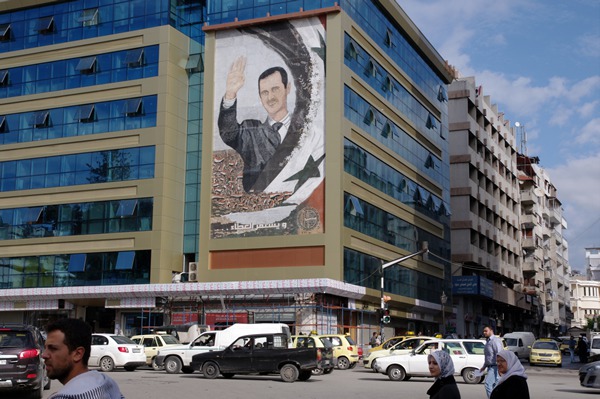
President Obama gave a speech on Monday about the progress of the United States-led military campaign against the Islamic State (ISIS) in which he said that America would “do more to train and equip the moderate opposition in Syria.” This is a promise that has been made repeatedly made and repeatedly broken. The President’s strategy of détente with Clerical Iran has given Syria to Tehran as a sphere of influence—which precludes the U.S. building up a viable alternative to both ISIS and the murderous Assad regime, which has been effectively under Iran’s control since late 2012. Continue reading

Is Ahrar a-Sham a “Moderate” Syrian Rebel Group?

By Kyle Orton (@KyleWOrton) on July 12, 2015

Ahrar a-Sham

To answer my headline simply: no, Ahrar a-Sham’s leadership is not what anybody in the West means by “moderate” Syrian rebels that could be supported.

The question is provoked by an op-ed in The Washington Post last night signed by Labib al-Nahhas, Ahrar’s foreign political relations officer, the culmination of a public-relations campaign by Ahrar to rebrand itself as the mainstream alternative to the Islamic State (ISIS) and the Assad tyranny we’ve all been waiting for. Continue reading

Nukes and Empire: The West is on the Brink of Giving Iran Everything it Wants

By Kyle Orton (@KyleWOrton) on July 6, 2015

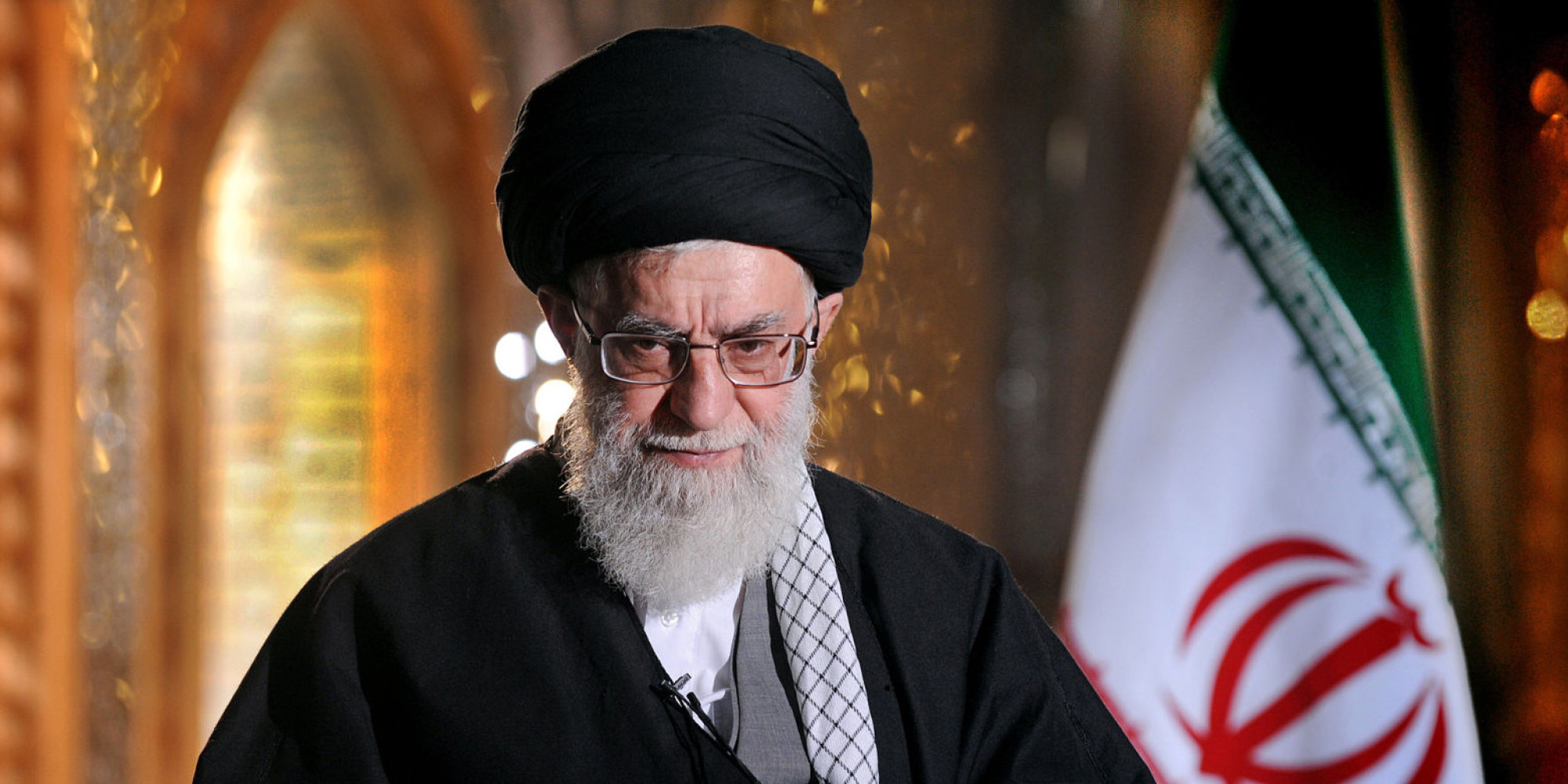
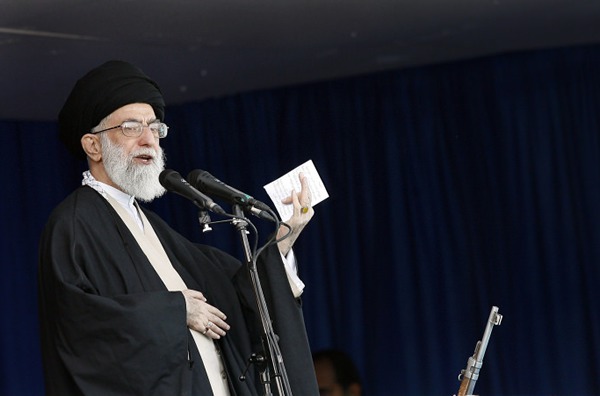
In this photo released by official website of the Iranian supreme leader's office, Iranian supreme leader Ayatollah Ali Khamenei delivers a speech for the Iranian New Year, Nowruz, in Tehran, Iran, Wednesday, March 20, 2013. Nowruz marks the first day of spring and the beginning of the year on the Iranian calendar. (AP Photo/Office of the Supreme Leader)

The United States and Iran are seemingly days from signing an agreement on Iran’s nuclear program that has been brought about by a series of American concessions. If the deal is signed on the present terms it will effectively dismantle the sanctions against Iran and the international legal regime that recognizes the Iranian regime as an outlaw, will leave Iran on the threshold of nuclear weapons, and will provide legitimacy for, and billions of dollars toward, Iranian hegemony in the Middle East.

Continue reading

Islamic State: The Afterlife of Saddam Hussein’s Regime

By Kyle Orton (@KyleWOrton) on July 4, 2015

Published at Baghdad Invest

1

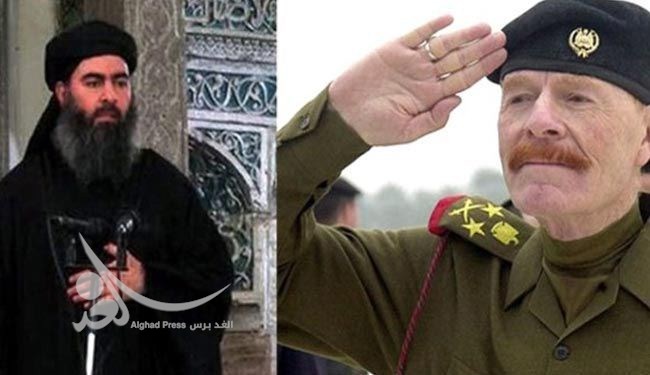
Izzat Ibrahim ad-Douri, Saddam Hussein’s long-time deputy, was reported dead (again) on April 17. An audio message on May 15 disproved this. Douri was the implementer of the Saddam regime’s Islamization program in its later years and a key architect of the insurgency after the regime was overthrown, which helped pave the way for the Islamic State (ISIS). ISIS has now turned on Douri and his associates, but ISIS could not have risen to its current stature without Douri’s help. Continue reading

To Defeat The Islamic State, Get Rid Of Assad First

By Kyle Orton (@KyleWOrton) on July 3, 2015

1

The British government is considering beginning airstrikes into Syria against the Islamic State (ISIS). London is currently engaged in airstrikes against ISIS in Iraq and has troops in the Kurdish areas of northern Iraq training and advising the Peshmerga.

Since ISIS’ territory in Syria is its “most valuable and sustainable,” the case for ignoring a border that ISIS has erased would seem to be a good one.

But no less a figure than the Conservative chair of the defence select committee, Julian Lewis, thinks otherwise:

In 2010 the government wanted to remove Assad without helping al-Qaeda or similar groups that subsequently became Daesh. Now we apparently want to remove Daesh but without helping Assad. These two things are incompatible. It is a choice of evils.

The view that Syria is divided between the Assad dictatorship and ISIS has become commonplace. It is mistaken. Continue reading

Islamic State Spokesman Calls For Immigration to the Caliphate, All Factions To Join

By Kyle Orton (@KyleWOrton) on July 1, 2015
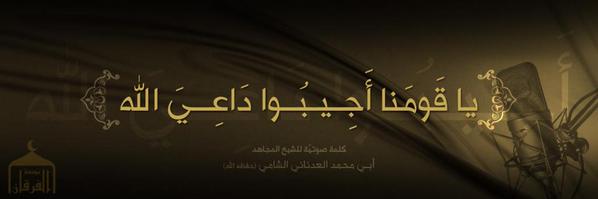
On June 23, 2015, the Islamic State (IS) spokesman Abu Muhammad al-Adnani gave a speech, “O Our People, Respond to the Caller of Allah”. Al-Adnani, noting the coming of Ramadan, called on Muslims to journey to the caliphate, saying that hijra (emigration) in this month—and martyrdom—is the most blessed. Al-Adnani called on Muslims—specifically Iraqi Sunnis and Syrian rebel and Islamist insurgent groups—to unite around IS, which had no theological factions or ethnic distinctions among its membership, being the only pure expression of Islam, ruling by god’s law. Iraqi Sunni militias and Syrian rebels had betrayed the religion by seeking favour from, and even seeking alliance with, Western states. Al-Adnani threatened the town of Haditha, specifically the Jaghayfa clan, that if it surrendered now its repentance would be accepted, but if the town was overrun first then they would be slaughtered. Al-Adnani played heavily on the interlinked themes of anti-Shi’a sectarianism and the spreading influence of Iran and its proxies, repressing Sunnis. The old guard of the jihadi movement—clerics like Abu Muhammad al-Maqdisi and al-Qaeda’s leader Ayman al-Zawahiri (though neither are mentioned by name)—are attacked for not being on the battlefields. Al-Adnani also accepted the allegiance of the Russian-based faction that declared itself under the caliph’s authority, naming the group Wilayat al-Kavkaz. An English transcript of the speech was posted by IS and is reproduced below with some minor editions in transliteration and some interesting sections highlighted in bold. Continue reading

Saddam and the Taliban

By Kyle Orton (@KyleWOrton) on June 29, 2015

Alleged photograph of Mullah Omar. Other photos are very rare

Alleged photograph of Mullah Omar. Other photos are very rare

In examining the Saddam Hussein regime’s long relationship with al-Qaeda, a noticeable sub-theme is the connections the Saddam regime had with the Taliban theocracy in Afghanistan. The evidence accumulated suggests that Saddam’s policies in his later years, namely the Islamization of his own regime and instrumentalization of Islamists in foreign policy, included welcoming relations with the Taliban. Continue reading

A Postscript on the Relationship Between Saddam Hussein and Al-Qaeda

By Kyle Orton (@KyleWOrton) on June 26, 2015

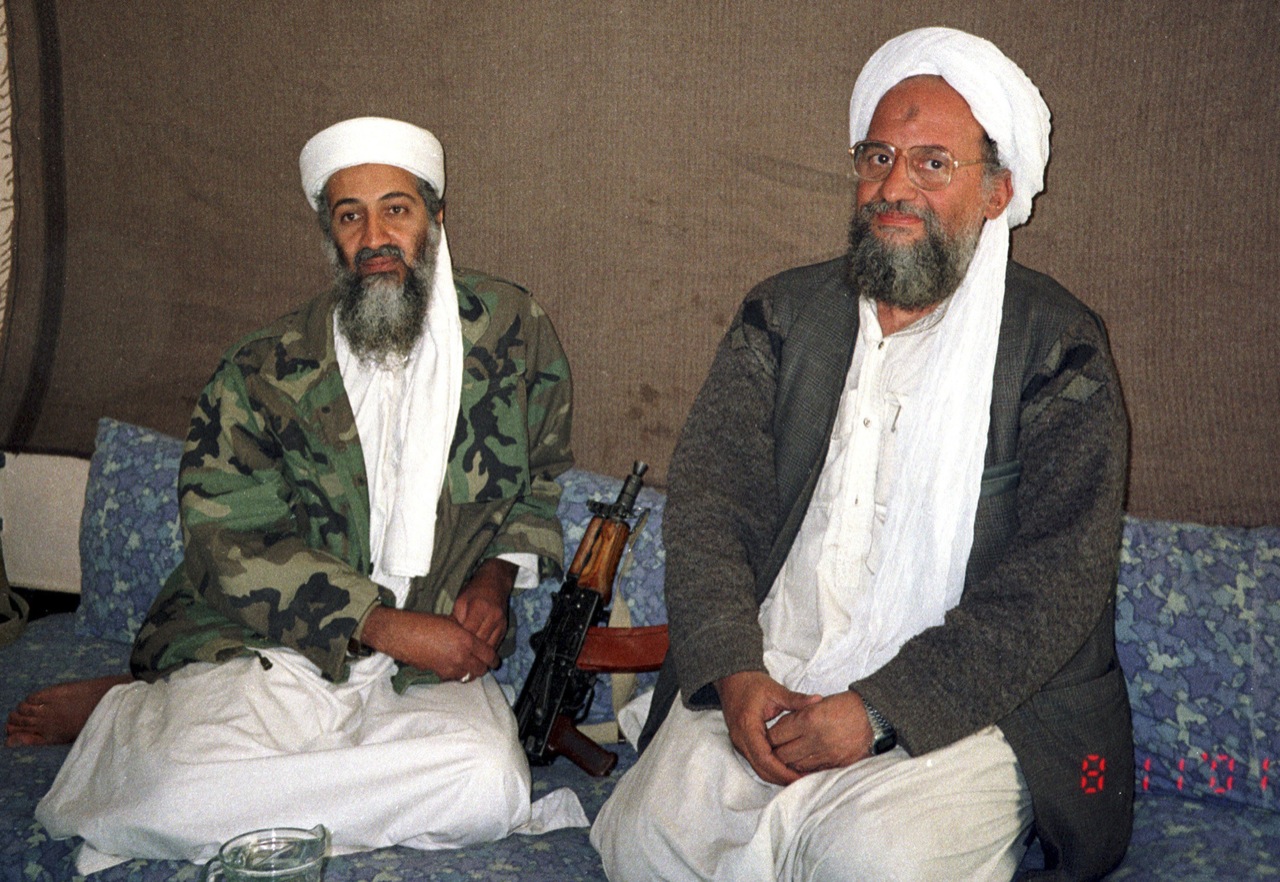
Osama bin Laden (L) and Ayman az-Zawahiri (R)

Osama bin Laden (L) and Ayman az-Zawahiri (R)

The myth that Saddam Hussein’s regime had nothing to do with al-Qaeda is persistent. Stephen Hayes’ book, The Connection, ably debunks this notion. There are some additional details that one can add to this. Continue reading

Calls for U.S. Government to Recover ‘Mentally Unbalanced’ YPG Foreign Fighter

By Kyle Orton (@KyleWOrton) on June 9, 2015

Jordan Matson, Michael Enright

Jordan Matson, an American fighting in the ranks of the People’s Protection Units (YPG), the Syrian wing of the Kurdistan Workers’ Party (PKK), posted a message to Facebook on 4 June 2015 about Michael Enright, a British YPG fighter who had been living in America and working as an actor. Matson says that Enright is “mentally unstable,” had come to Syria to sell his story and write a movie script, and had been disarmed and isolated by the YPG already because of the worry that he would harm himself or be harmed by others. Matson’s message is posted below with typos and “text speak” corrected. Continue reading

The Dangerous Idea That Iran is a Force for Stability in the Middle East

By Kyle Orton (@KyleWOrton) on June 5, 2015 1 In the Guardian this morning, Jonathan Steele has written an article defending President Barack Obama’s Iran policy. Steele allows others to make his points for him, but he contributes to a narrative in which rapprochement with Iran is a worthy policy—even as the President formally denies that the Iran negotiations are about anything other than the nuclear-weapons program. Steele writes:

In Iraq, [Iranian officials] insist, Iran is a force for stability, helping [Iraqi prime minister] Haider al-Abadi’s government militarily while urging it to be more attentive to Sunni concerns—just as Washington is.

This is nonsense. In 2008, after the US ‘surge’, violence in Iraq was down 90 per cent, and the political process had begun to work. This was achieved by separating the Sunni Arab tribes of western Iraq from al-Qaeda in Mesopotamia (AQM), the forerunner to the Islamic State (ISIS).

Continue reading