Tag Archives: Jabhat an-Nusra

Defeat Jihadists in Syria by Being a Better Ally to the Opposition

By Kyle Orton (@KyleWOrton) on March 25, 2015

A still  from the video announcing the Ahrar a-Sham-Suqour a-Sham merger

A still from the video announcing the Ahrar a-Sham-Suqour a-Sham merger

Ahrar a-Sham “merged with“—in reality annexed—Suqour a-Sham on March 22. Ahrar’s leader, Hashem al-Sheikh (a.k.a. Abu Jabbar), is the leader of the Ahrar-Suqour formation, and Suqour’s leader, Ahmed Issa al-Sheikh (a.k.a. Abu Issa) is his deputy. Ahrar is the largest and most hardline Syrian insurgent group in Syria, and Suqour has a fairly stern Salafi-nationalist ideology—at least at its leadership level—and was once the largest rebel group in Idlib Province.

The first thing this brought to mind was Sam Heller’s witticism late last year: “the most successful, lasting approach to rebel unification so far has basically been ‘Ahrar al-Sham absorbs you’.” Continue reading
Mohammed Emwazi’s Path To The Islamic State

By Kyle Orton (@KyleWOrton) on March 13, 2015

1

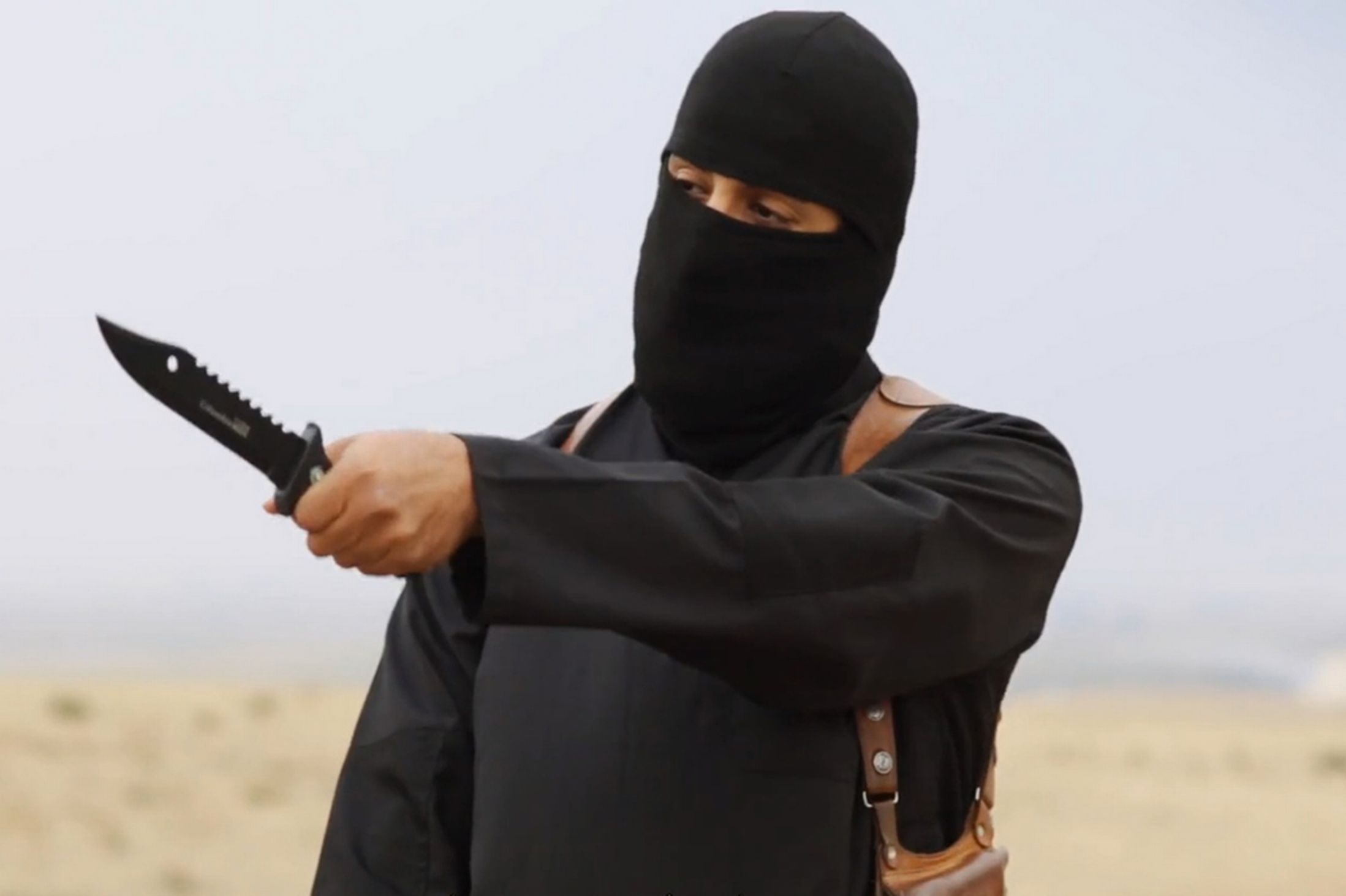
Having written two posts on the overwhelming evidence that the British video-beheader of the Islamic State (ISIS), Mohammed Emwazi (“Jihadi John”), was a longstanding member of an al-Qaeda network in London that funnelled fighters and other resources to al-Shabab in Somalia, refuting the claim that Emwazi’s radicalisation came about after contact with British security services, I now want to offer the remaining available evidence we have on how Emwazi moved from these associations—which he made in 2007—to fighting for ISIS. Continue reading

Further Evidence of Mohammed Emwazi’s Radical Ties—And CAGE’s Meltdown

By Kyle Orton (@KyleWOrton) on March 7, 2015

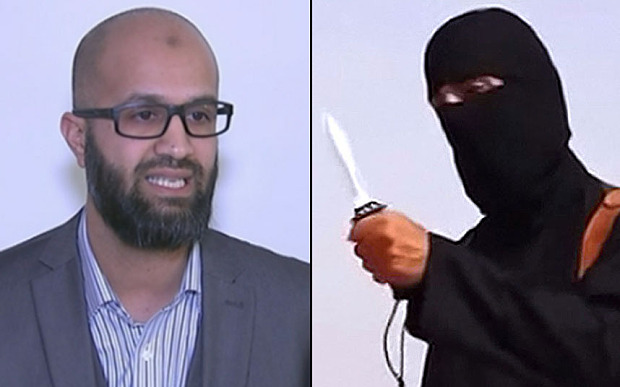
Asim Qureshi; Mohammed Emwazi (

Asim Qureshi; Mohammed Emwazi (“Jihadi John”)

Earlier this week I wrote of the unmasking of “Jihadi John,” the Islamic State’s (ISIS) video-beheader, as 26-year-old British citizen Mohammed Emwazi. I had two purposes. One was to gloat over the implosion of CAGE (formerly Cageprisoners), an Islamist terrorist-advocacy group that had gotten itself called a “human rights organisation”. And the second was to point out that the narrative peddled by CAGE and other apologists, that Emwazi had been radicalised by heavy-handed British security methods, was plainly absurd.

Emwazi had been associating with al-Qaeda agents and sympathisers and was part of a London-based network that dispatched fighters to al-Qaeda’s Somali branch al-Shabab years before he came into contact with the security services—indeed the security services had only taken an interest in Emwazi because he was already radicalised. In the last few days both of these trends have continued: CAGE’s total collapse moves closer and Emwazi’s known nefarious associations are multiplying. Continue reading

Mohammed Emwazi and al-Qaeda in Somalia

By Kyle Orton (@KyleWOrton) on March 1, 2015

Mohammed Emwazi (

Mohammed Emwazi (“Jihadi John”)

The good news of the week is that CAGE (formerly Cageprisoners) is finished. While there had been no shortage of people pointing out that CAGE is a Salafi jihadist advocacy group and terrorist-supporting outfit, not a human rights organisation, this was often met with accusations of “Islamophobia,” McCarthyism, and worse. In 2010, Amnesty International—which partners with CAGE—fired the head of its Gender Unit, Gita Shaghal, when she complained of making Moazzam Begg an A.I. poster-boy. Begg claims to have been wrongfully imprisoned in Guantanamo Bay (for his actual record start here and here.) But no person of good faith will ever again defend CAGE. Continue reading

Iran and Global Terror: From Argentina to the Fertile Crescent

By Kyle Orton (@KyleWOrton) on February 27, 2015

Khobar Towers, which Iran jointly bombed with al-Qaeda

Khobar Towers, which Iran jointly bombed with al-Qaeda

Argentina’s government yesterday announced it was dissolving the Secretariat of Intelligence (S.I.), an intelligence agency tainted by the “Dirty War” regimes (1974-83), and more recent abuses as President Cristina Kirchner has taken Argentina back toward autocracy, and replacing it with a Federal agency. Just two days before, charges of corruption were levelled against Antonio Stiusso, S.I.’s director until Kirchner fired him in December. At the beginning of this month, Stiusso went missing. It now seems Stiusso has taken shelter in a neighbouring State.

These events are the latest twist in an extraordinary saga that has followed the discovery of the body of Alberto Nisman on Jan. 18 in his apartment in Buenos Aires, shot in the head in an apparent suicide. Nisman was a prosecutor investigating the July 18, 1994, bombing of the Argentine Israelite Mutual Association (AMIA) building in Argentina’s capital. All the evidence that Nisman had gathered pointed to Iran as the perpetrator. Few believe Nisman committed suicide, and—the history of Argentines being “suicided” considered—most fingers are pointing at Iran. Continue reading

The Islamic State, Libya, and Interventionism

By Kyle Orton (@KyleWOrton) on February 19, 2015

Rebels with Qaddafi's

Rebels with Qaddafi’s “golden gun”

Yesterday morning in Libya, it was announced that militias from Misrata were moving into Sirte to combat the Islamic State (I.S.). The militias preparing to fight I.S. are drawn from Libya Dawn, the Islamist coalition that ousted the internationally-recognised government in August 2014. Continue reading

ISIS: America’s Alliance with Iran is Hampering the Fight Against Terror

By Kyle Orton (@KyleWOrton) on February 7, 20151

Published at Left Foot Forward

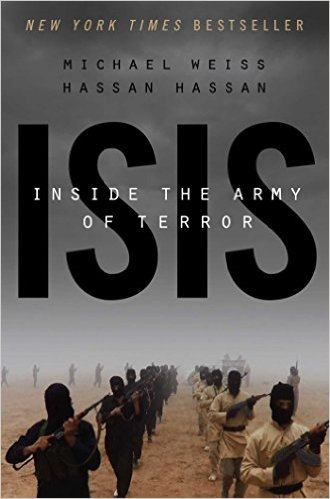
Book Review: ISIS: Inside the Army of Terror (2015) Michael Weiss and Hassan Hassan

ISIS: Inside the Army of Terror, by Michael Weiss and Hassan Hassan, is brilliantly easy to read. Concise yet thorough the book charts the history of a group, “[a]t once sensationalized and underestimated,” that is simultaneously a terrorist organisation, mafia, conventional army, sophisticated intelligence-gathering apparatus, propaganda machine and the remnants of the Saddam Hussein regime which controls an area the size of Britain in the heart of the Middle East. Continue reading

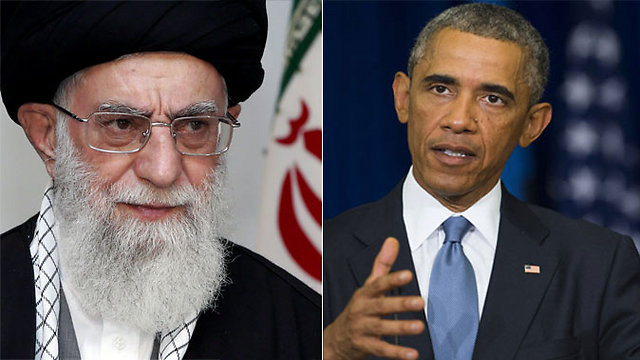
America’s Silent Partnership With Iran And The Contest For Middle Eastern Order: Part Two

By Kyle Orton (@KyleWOrton) on January 29, 2015

Assad meeting with the boss

Assad meeting with the boss

This is the second of a four-part series looking at the United States’ increasingly-evident de facto alliance with Iran in the region. This first part looked at the way this policy has developed since President Obama took office and how it has been applied in Iraq. This part will look at the policy’s application in Syria; part three will look at its application in Lebanon, Afghanistan, and Yemen; and part four will be a conclusion. Continue reading

America’s Silent Partnership With Iran And The Contest For Middle Eastern Order: Part One

By Kyle Orton (@KyleWOrton) on January 25, 2015

1

This is the first of a four-part series looking at the United States’ increasingly-evident de facto alliance with Iran in the region. This first part looks at the way this policy has developed since President Obama took office and how it has been applied in Iraq. Part two will look at the policy’s application in Syria; part three will look at its application in Lebanon, Afghanistan, and Yemen; and part four will be a conclusion. Continue reading

A Debate On America’s Role In Syria’s Future

By Kyle Orton (@KyleWOrton) on January 21, 2015

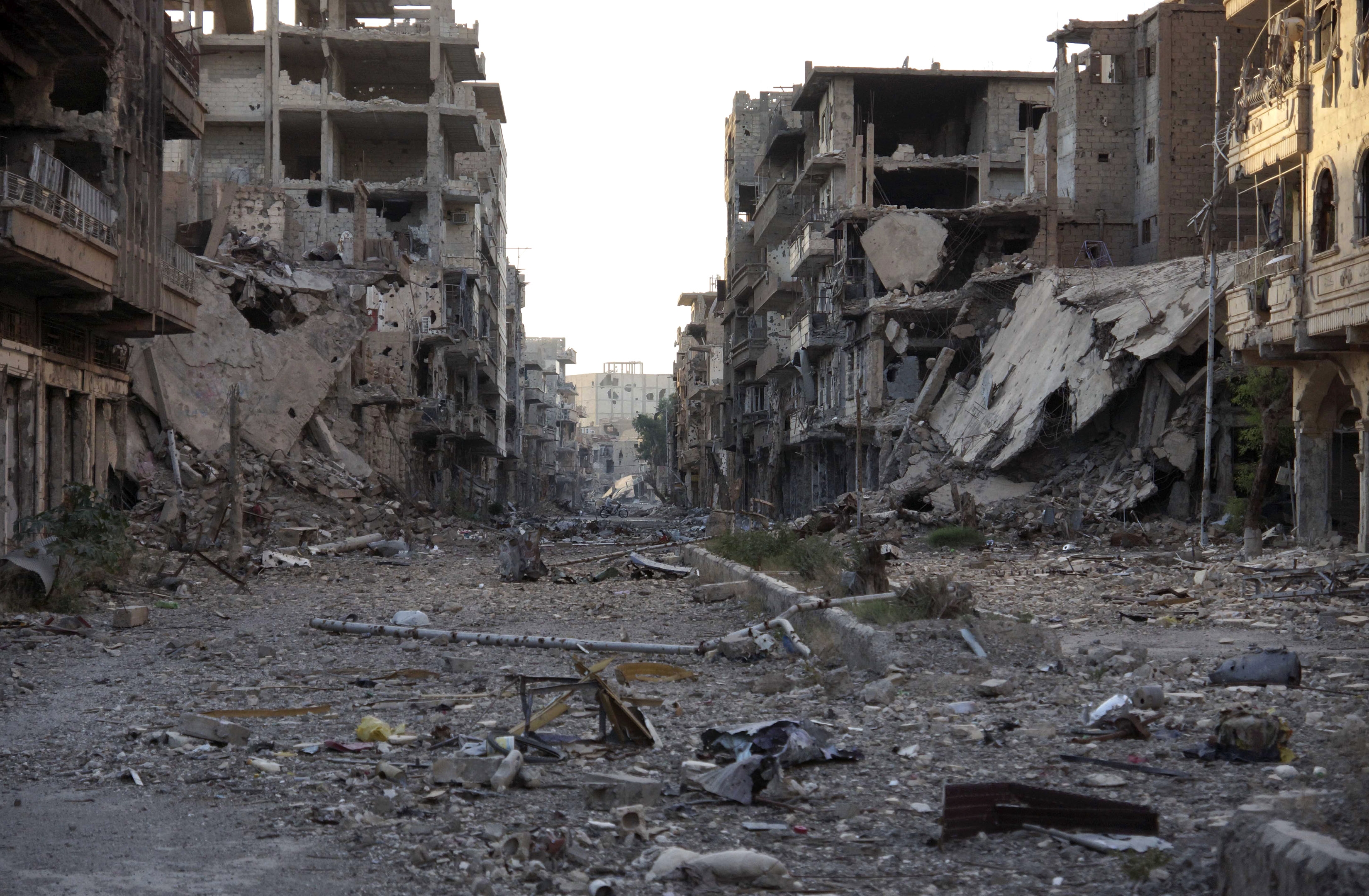
Devastation in Deir Ezzor, June 2013

Devastation in Deir Ezzor, June 2013

The McCain Institute hosted a debate last Thursday on the question, “Syria: Should the United States Do More?” Arguing in favour of the motion that the United States should do more was Michael Doran and Andrew Tabler. Arguing against were Joshua Landis and Aaron David Miller. Continue reading