Tag Archives: Khorasan Group

Does Iran Support The Islamic State?

By Kyle Orton (@KyleWOrton) on May 26, 2015

Qassem Suleimani, Iran's spymaster, believed in some MidEast conspiracy theories to control ISIS

Qassem Suleimani, Iran’s spymaster, believed in some Mid-East conspiracy theories to control ISIS

In 2010, Farzad Farhangian, an Iranian diplomat based in Belgium, defected to Norway. Farhangian has now emerged with the extraordinary accusation that the Islamic Republic of Iran is controlling the Islamic State (ISIS) and using it as part of Tehran’s war against the Gulf States, especially Saudi Arabia. Farhangian’s accusations are lurid and (literally) incredible, but the question of Iran’s role in ISIS’ creation and growth, and Iran’s manipulation of ISIS to further its own ends, is one well worth asking. Continue reading

Defeat Jihadists in Syria by Being a Better Ally to the Opposition

By Kyle Orton (@KyleWOrton) on March 25, 2015

A still  from the video announcing the Ahrar a-Sham-Suqour a-Sham merger

A still from the video announcing the Ahrar a-Sham-Suqour a-Sham merger

Ahrar a-Sham “merged with“—in reality annexed—Suqour a-Sham on March 22. Ahrar’s leader, Hashem al-Sheikh (a.k.a. Abu Jabbar), is the leader of the Ahrar-Suqour formation, and Suqour’s leader, Ahmed Issa al-Sheikh (a.k.a. Abu Issa) is his deputy. Ahrar is the largest and most hardline Syrian insurgent group in Syria, and Suqour has a fairly stern Salafi-nationalist ideology—at least at its leadership level—and was once the largest rebel group in Idlib Province.

The first thing this brought to mind was Sam Heller’s witticism late last year: “the most successful, lasting approach to rebel unification so far has basically been ‘Ahrar al-Sham absorbs you’.” Continue reading

Mohammed Emwazi’s Path To The Islamic State

By Kyle Orton (@KyleWOrton) on March 13, 2015

1

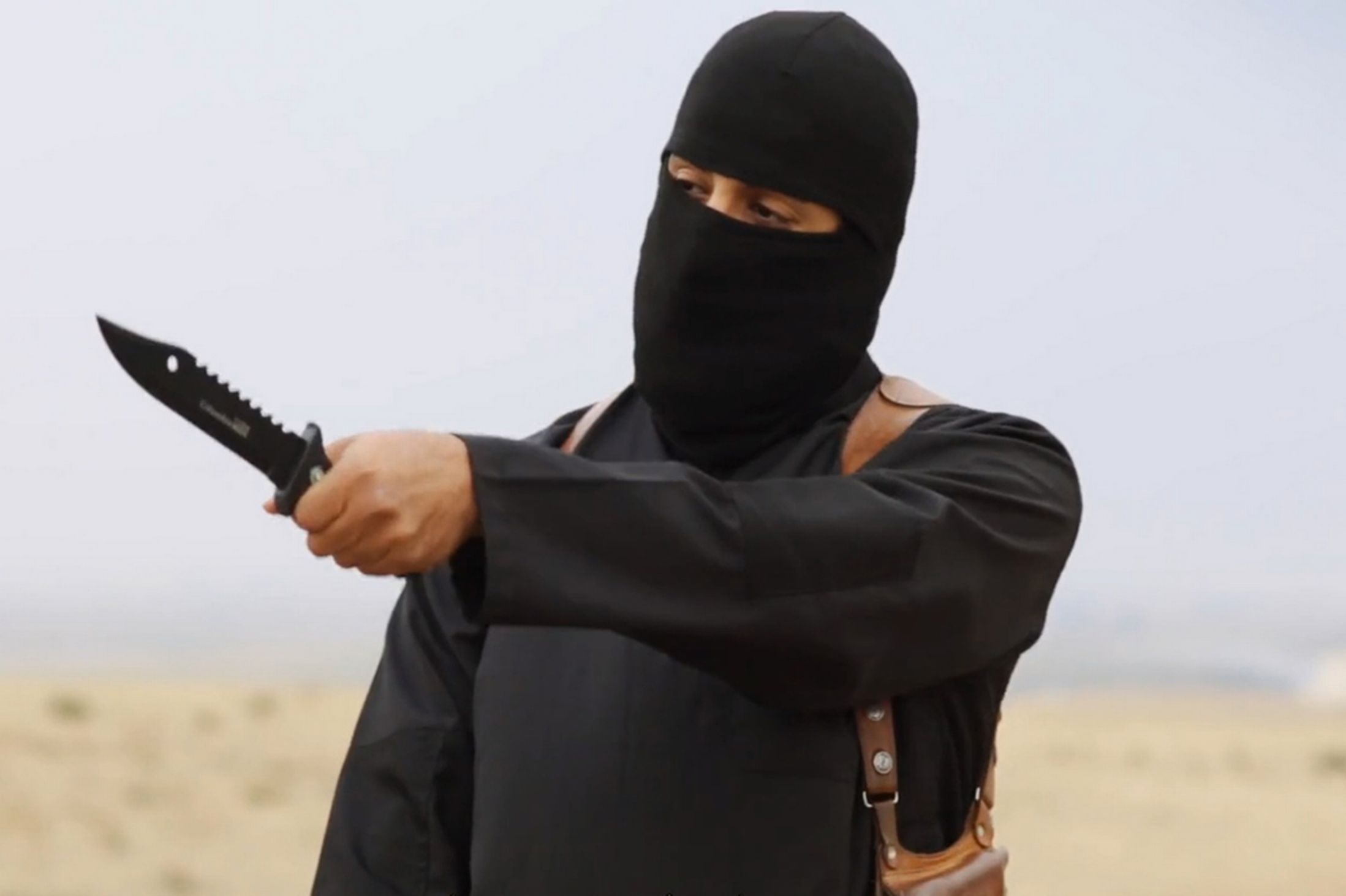
Having written two posts on the overwhelming evidence that the British video-beheader of the Islamic State (ISIS), Mohammed Emwazi (“Jihadi John”), was a longstanding member of an al-Qaeda network in London that funnelled fighters and other resources to al-Shabab in Somalia, refuting the claim that Emwazi’s radicalisation came about after contact with British security services, I now want to offer the remaining available evidence we have on how Emwazi moved from these associations—which he made in 2007—to fighting for ISIS. Continue reading

Obama’s Syria Policy Protects Assad

By Kyle Orton (@KyleWOrton) on February 22, 2015

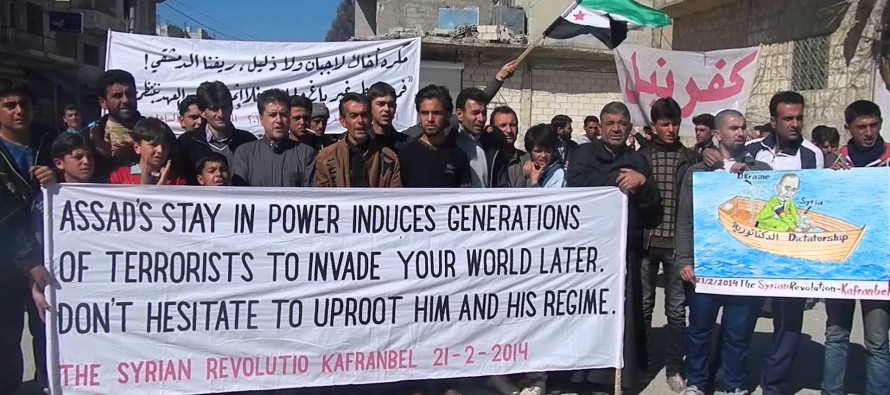
Kafranbel gets it

Kafranbel gets it

The United States is about to begin training some Syrian rebels, and giving them the ability to call in U.S. airstrikes, the Wall Street Journal reports. Continue reading

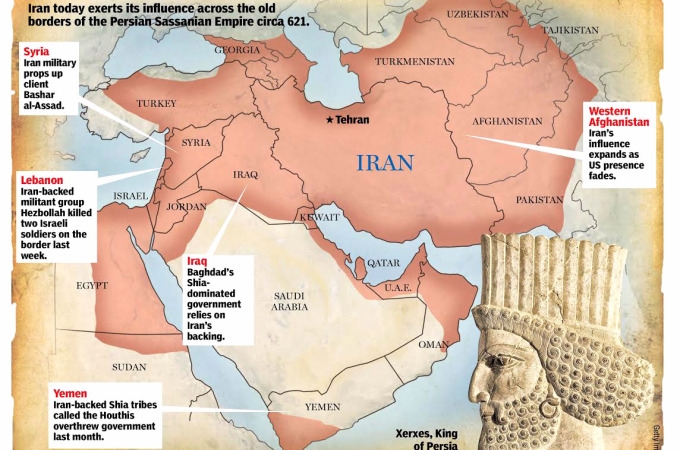
America’s Silent Partnership With Iran And The Contest For Middle Eastern Order: Part Four

By Kyle Orton (@KyleWOrton) on February 10, 2015

1

This is the fourth of a four-part series looking at the United States’ increasingly-evident de facto alliance with Iran in the region. The first part looked at the way this policy has developed since President Obama took office and how it has been applied in Iraq; the second part looked at the policy’s application in Syria; the third part looked at its application in Lebanon, Afghanistan, and Yemen; and this part is a conclusion. Continue reading

America’s Silent Partnership With Iran And The Contest For Middle Eastern Order: Part Three

By Kyle Orton (@KyleWOrton) on February 3, 2015

1

This is the third of a four-part series looking at the United States’ increasingly-evident de facto alliance with Iran in the region. This first part looked at the way this policy has developed since President Obama took office and how it has been applied in Iraq. The second part looked at the policy’s application in Syria; this part will look at its application in Lebanon, Afghanistan, and Yemen; and part four will be a conclusion. Continue reading

America’s Silent Partnership With Iran And The Contest For Middle Eastern Order: Part Two

By Kyle Orton (@KyleWOrton) on January 29, 2015

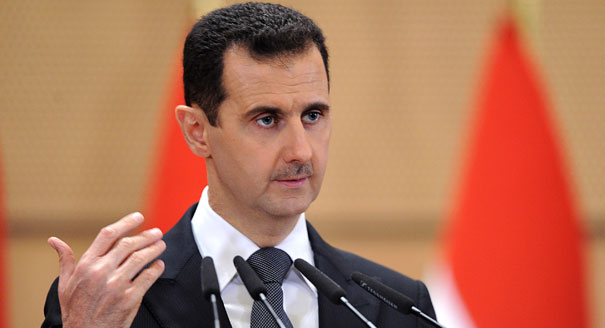
Assad meeting with the boss

Assad meeting with the boss

This is the second of a four-part series looking at the United States’ increasingly-evident de facto alliance with Iran in the region. This first part looked at the way this policy has developed since President Obama took office and how it has been applied in Iraq. This part will look at the policy’s application in Syria; part three will look at its application in Lebanon, Afghanistan, and Yemen; and part four will be a conclusion. Continue reading

Working On Weapons of Mass Destruction For the Iranian Axis Is A Dangerous Job

By Kyle Orton (@KyleWOrton) on November 11, 2014

1

On Sunday night, five “nuclear energy engineers who worked in the scientific research centre near … Barzeh,” Damascus, were killed when their bus was ambushed, according to the Syrian Observatory for Human Rights. One of the engineers is believed to be Iranian technician. Whether they were killed by gun-fire or by a bomb is unclear.

The research centre referred to is the Scientific Studies and Research Centre (SSRC), and this event has an analogue in Syria: At the end of July 2013, a rebel mortar shell hit a bus carrying staff from the SSRC in Barzeh, killing six and injuring nineteen.

The SSRC is located in Jamraya in Mount Qassioun, five miles above Barzeh. The SSRC is entwined with Syria’s military-intelligence apparatus—which is to say the people running Syria before the war—and is responsible for research and production of “nuclear, biological, chemical, and missile-related technology.” Continue reading

Beware of Tyrants Bearing Gifts: Assad and Intelligence on the Islamic State

By Kyle Orton (@KyleWOrton) on November 2, 2014

An ally against the Islamic State? Not quite.

An ally against the Islamic State? Not quite.

The United States signals intelligence (SIGINT) apparatus in Syria, which monitors the communications of Bashar al-Assad’s regime, has “yield[ed] unexpected intelligence over the Sunni jihadists that has helped guide American military operations in Syria and Iraq,” the Wall Street Journal print edition reported yesterday, based on high-level leaks. Continue reading

The Nuclear Negotiations Are Only Part Of Iran’s Regional Ambitions—And Obama’s

By Kyle Orton (@KyleWOrton) on October 27, 2014

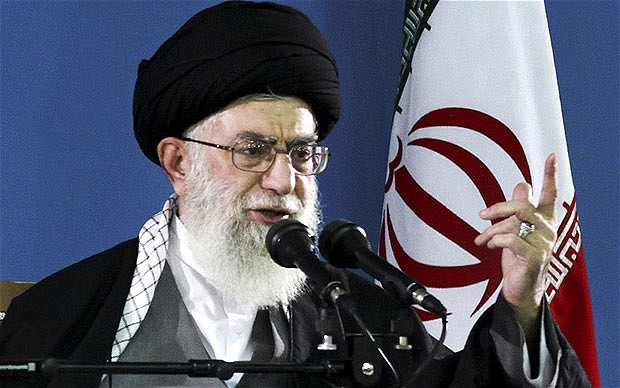
Ali Khamenei

Ali Khamenei

When the next—and supposedly final—round of negotiations over Iran’s nuclear program end next month, there are three possible outcomes:

  1. The “interim” deal, the Joint Plan of Action (JPA), will be rolled over for another six months after it was rolled over in July, and will, like so much else in the Middle East billed as temporary, begin to look permanent.
  2. A final deal is signed that is an Iranian victory in all-but name, putting them on the threshold of a nuclear weapon with only the regime’s goodwill stopping them crossing the finishing line to a bomb.
  3. Iran’s dictator, Ali Khamenei, refuses President Obama both of the above fig leaves and breaks off negotiations.

How did we get here? Continue reading